

Victorian Marine Seascape Canvas
A victorian marine seascape canvas captures the shifting moods of nineteenth-century coastal waters with oil paint on stretched fabric.
Victorian Marine Seascape Canvas
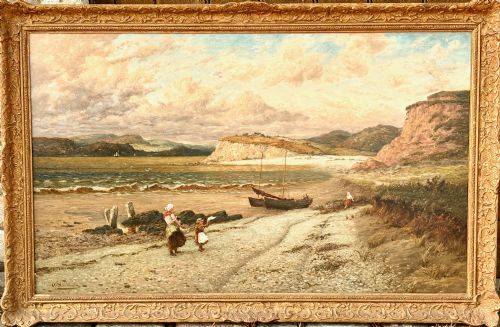
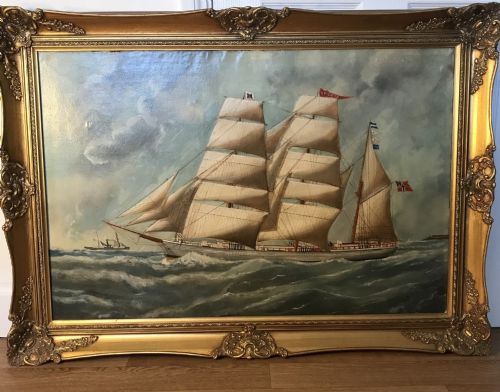
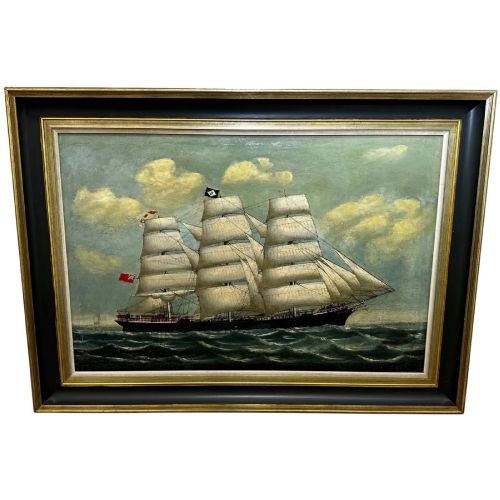
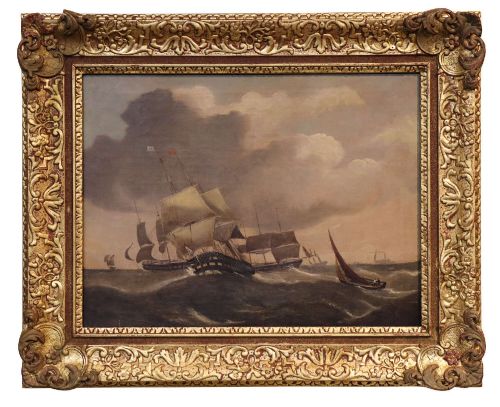
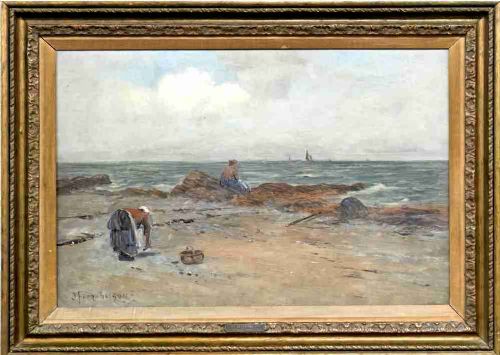
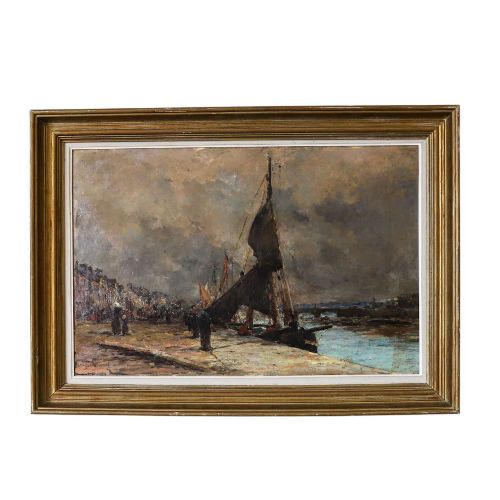
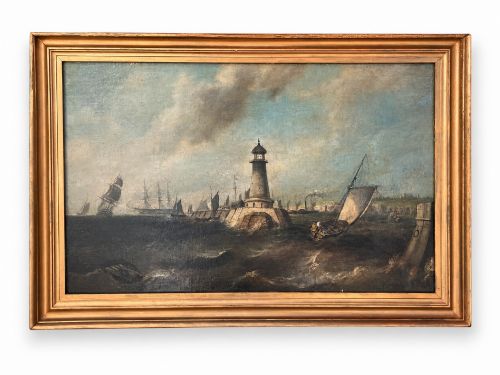
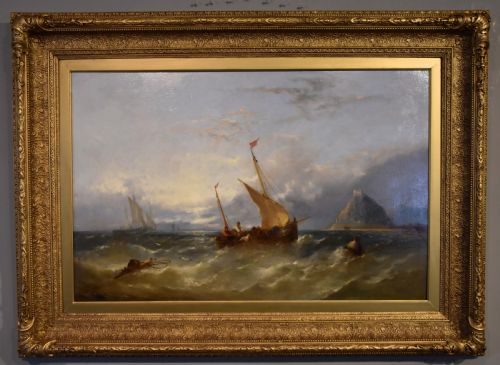
When you search for a victorian marine seascape canvas, you are looking at nineteenth-century oil paintings that depict coastal views, merchant shipping, and dramatic ocean weather. The works on this page span from the early Victorian era through to the turn of the twentieth century, originating from British and European coastal contexts.
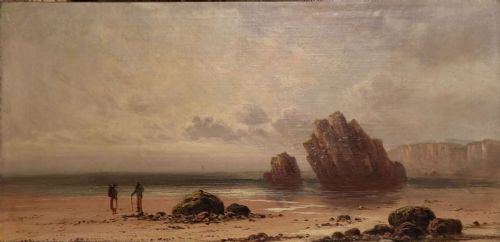
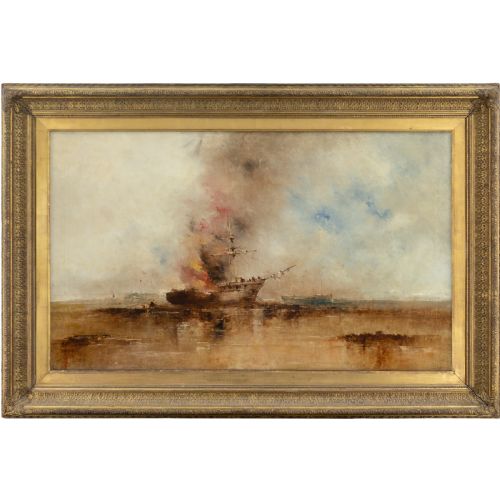
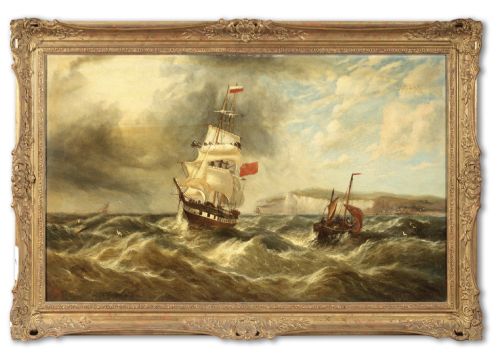
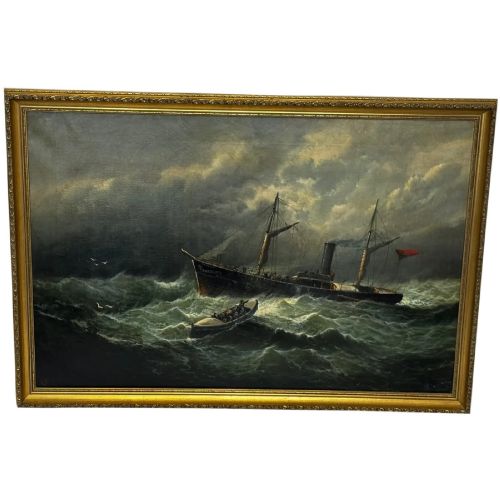
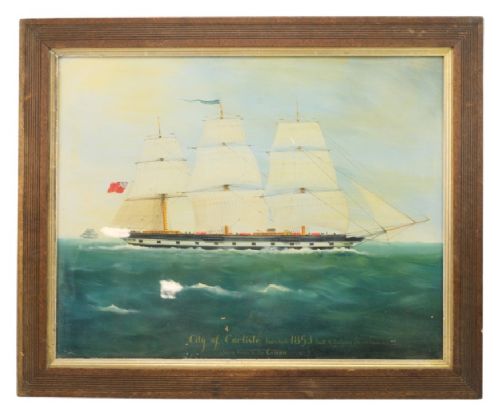
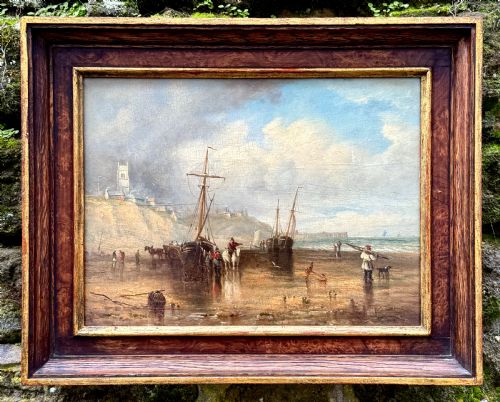
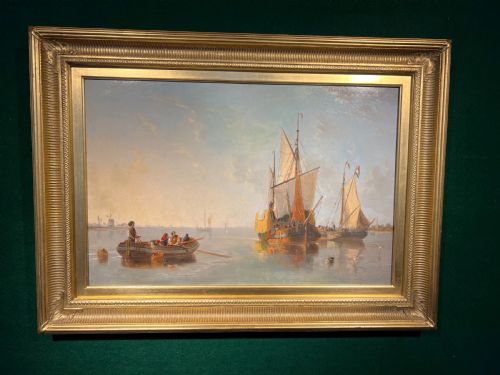
You will encounter subjects ranging from tranquil harbour scenes and fishing boats near the shore to perilous shipwrecks and heavy seas. Many pieces focus on specific named vessels, local landmarks, or recognisable coastal stretches such as Morecambe Bay, the Isle of Wight, and Venetian lagoons.
The most common formats on this page are oil paintings executed on canvas, frequently housed within their original giltwood frames. These artworks record the maritime trade, naval presence, and coastal life of the nineteenth century through the eyes of contemporary artists.
Materials and construction
These works are built using oil paint applied to woven canvas stretched over wooden frames, relying on the slow-drying nature of oil pigments to build up transparent glazes and thick impasto texture. Artists used this medium to capture the translucent quality of water and the heavy atmosphere of sea spray and storm clouds.
Many of these canvases are presented in heavily ornamented giltwood and gold leaf frames that reflect the decorative tastes of the period. The combination of oil paint on canvas within a gilded wooden border forms the standard construction method for fine art wall pieces of this era.
Some Victorian artists braved gale-force winds on rocky shores just to capture the exact splash of a rogue wave against a lighthouse.
Distinctions in craftsmanship
Quality in these works rests upon the artist's command of maritime anatomy, atmospheric perspective, and the movement of water. Stronger examples demonstrate precise rigging on ships and convincing wave dynamics, while lesser pieces rely on formulaic compositions and rigid water forms.
The handling of light and weather also separates standard decorative canvases from masterworks, with better paintings capturing the specific luminosity of coastal air. Furthermore, the survival of the original canvas tension and the integrity of the period giltwood frame contribute to the overall standard of an individual piece.
William McAlpine·John Rose Miles·William Broome·John Wilson Carmichael·Lai Fong·Joseph Farquharson·Nicholas Condy·William Henry Williamson·John Holland·Abraham Hulk I·Charles William Wyllie·William Edward Webb·Gustave De Bréanski·Daniel Sherrin·Stanley Leader·William Greaves·T.S. Wallis·Charles Sim Mottram·George Gregory·James Webb·Claude Thomas Stanfield Moore·Jane Vivian·Alfred Pollentine
The Victorian Marine Seascape Canvas Glossary
- Oil on Canvas
- A traditional painting medium where pigments bound in drying oil are applied to a woven fabric support. This combination allows for rich colour depth and varied surface textures.
- Giltwood
- Wood that has been coated with a thin layer of gold leaf or gilt powder. It is commonly found on nineteenth-century picture frames to enhance the visual weight of the artwork.
- Impasto
- Paint applied thickly to a canvas, standing out from the surface so that the brush or palette knife marks remain visible. Marine artists often utilised this technique to render foaming sea spray.
- Seascape
- A work of art that depicts the sea, ships, or coastal views. These subjects were particularly popular during the maritime expansion of the nineteenth century.
Victorian Marine Seascape Canvas: Frequently Asked Questions
How do I care for an old oil canvas?
Keep the painting away from direct sunlight and steady domestic heat sources to prevent the canvas from sagging and the oil paint from cracking. Avoid using liquid cleaners on the surface and dust the giltwood frame gently with a dry, soft brush.
Professional conservation is recommended if the canvas develops tears or if the paint layer shows signs of flaking. Hanging the piece on an interior wall helps maintain a stable environment for both the fabric support and the wooden stretcher.
Were these paintings always framed?
Nineteenth-century oil paintings were routinely sold alongside custom frames designed to complement the subject matter and suit contemporary domestic interiors. Giltwood and gold leaf mouldings provided a formal boundary that enhanced the depth of the marine scene.
Many surviving pieces retain their original frames, which can offer additional context regarding the history of the artwork. The style of the moulding often matches the decade in which the canvas was painted.
Can I identify the specific ship in a painting?
Many Victorian marine works depict actual merchant vessels, naval ships, or local fishing craft accompanied by identifying flags, rigging details, or textual inscriptions on the canvas. Artists frequently recorded specific historical events, such as shipwrecks or troop deployments, with documentary accuracy.
Checking local maritime records, port registries, or the specific names noted in the title can reveal the history of the vessel portrayed. Background landmarks like lighthouses and coastal forts also help pinpoint the exact geographic location.
What is the difference between a marine and coastal scene?
Marine paintings typically focus on the open sea, naval engagements, and deep-water shipping vessels actively navigating the waves. These compositions emphasise the vastness of the ocean and the technical details of sailing craft.
Coastal scenes, by contrast, place greater emphasis on the shore, featuring beaches, cliffs, harbours, and figures engaged in shoreline activities like fishing or commerce. Both genres overlap frequently within nineteenth-century art, combining land and water elements in a single composition.