


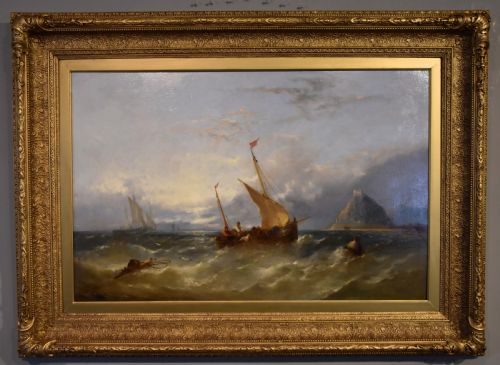
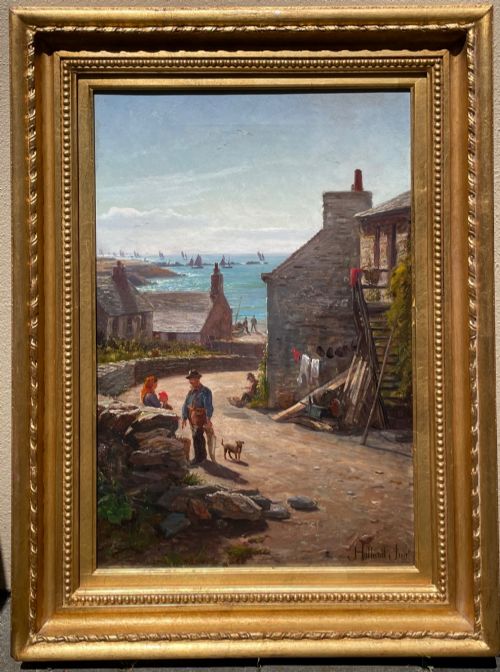
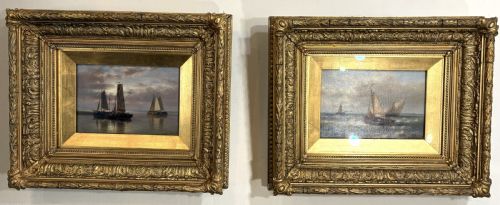


Gilded Frame Seascape Artwork
These gilded frame seascape artwork pieces capture the movement of coastal waters and maritime life within period mouldings.
Gilded Frame Seascape Artwork
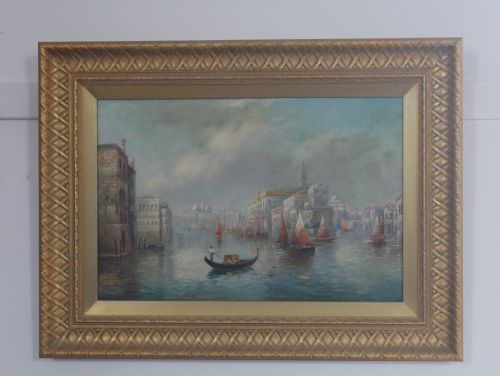
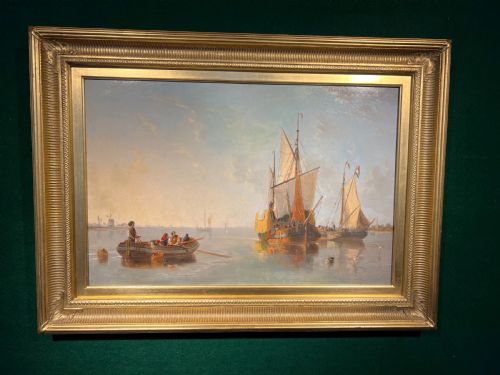
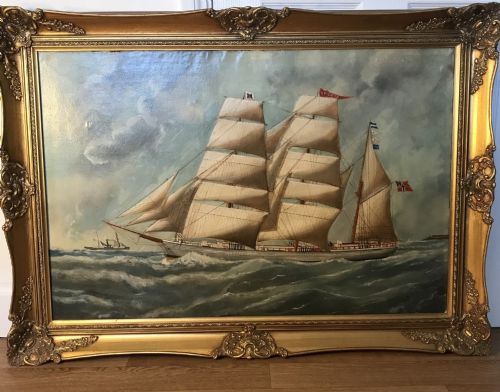
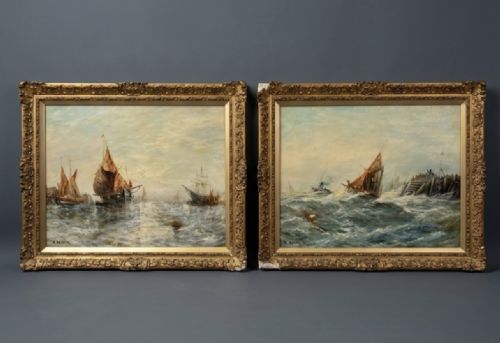
A gilded frame seascape artwork brings together maritime subjects and ornate metallic borders from the nineteenth and early twentieth centuries. Buyers seeking these pieces encounter oil paintings on canvas or board and watercolours depicting harbours, shipwrecks, and coastal views.
The selections span Victorian marine art, Edwardian coastal watercolours, and broader nineteenth-century maritime pieces. Common subjects range from Dutch coastal scenes and Venetian canals to British fishing boats and merchant sailing ships.
Most examples originate from the Victorian era and the decades immediately following, reflecting a strong period interest in marine landscape painting. These works capture specific vessels, coastal topography, and historic maritime ports.
Materials and Construction
Painters utilised oil paint on canvas or wooden boards, alongside watercolour on paper for lighter coastal studies. These pigments build up marine atmospheres, water surfaces, and cloud formations.
The surrounding frames consist of wood, often finished with gesso layers and applied gold leaf or metallic giltwood. Moulded details on the frames give depth and weight to the presentation of the art.
The selection spans works from the nineteenth century through to the Edwardian era, featuring both oil on canvas and watercolour mediums.
Judging Quality
Quality rests in the handling of water, light, and rigging by the artist, distinguishing competent recording from masterly execution. Stronger pieces demonstrate confident brushwork and accurate nautical detail.
The condition and originality of the surrounding gilded frame matter greatly, as period frames with intact gesso and original gilding complement the artwork properly.
John Wilson Carmichael·Abraham Hulk I·Thomas Bush Hardy·James Webb·Gustave de Breanski
The Gilded Frame Seascape Artwork Glossary
- Giltwood
- Wood carved and coated with gold leaf or a metallic substitute. This material defines the traditional bright frames surrounding period paintings.
- Gesso
- A plaster mix applied to wood frames before gilding to create smooth surfaces for moulding. It allows crisp relief ornamentation.
- Marine art
- Painting or watercolour depicting ships, maritime scenes, or the sea. This genre encompasses coastal landscapes, naval battles, and port views.
- Watercolour
- Paint made of pigments suspended in a water-based solution, typically applied to paper. It produces translucent effects suitable for coastal atmospheres.
- Provenance
- The documented history of a painting's ownership and origin. Clear provenance helps verify the attribution of nineteenth-century works.
Gilded Frame Seascape Artwork: Frequently Asked Questions
How do I hang a heavy framed oil painting?
These heavier works require secure picture hooks fixed directly into wall studs or heavy-duty masonry fixings.
Check the weight rating of the hanging wire and rings on the back of the frame before installation.
Where should I place a maritime oil painting?
Keep these artworks away from direct sunlight and damp environments to protect both the canvas and the gilt frame.
Stable indoor temperatures prevent the wood and gesso from cracking over time.
How do I clean a gilded wood frame?
Dust the surface gently with a soft, dry brush to remove particles without disturbing the delicate metallic finish.
Avoid liquid cleaners or abrasive cloths, which can strip the gold leaf from the gesso.
How do I identify a Victorian marine painting?
Look for the characteristic rigging details of nineteenth-century sailing vessels, steamships, and coastal architecture typical of the period.
Signatures, artist plaques, and canvas stamps on the reverse often confirm the date and origin.