
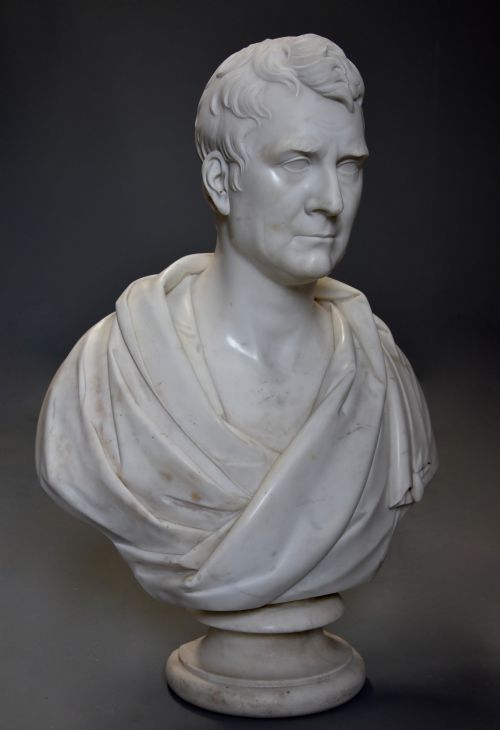
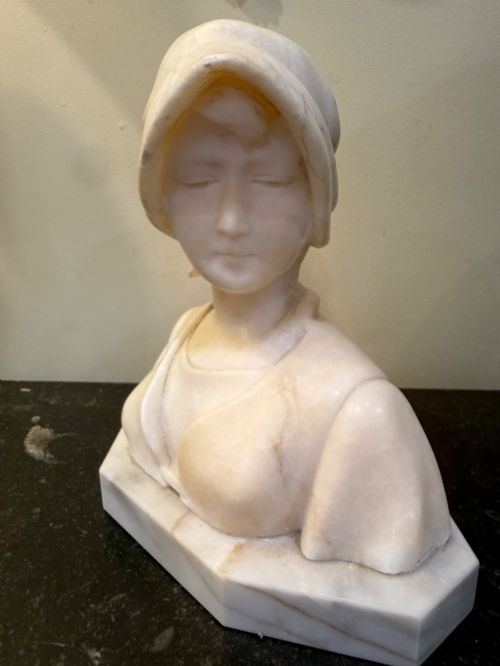
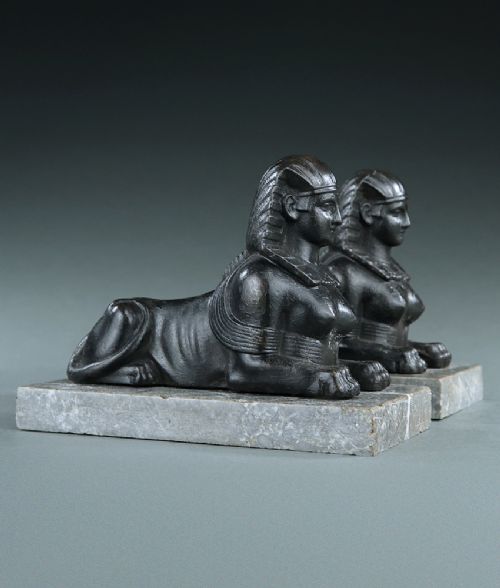

Victorian Marble Statue
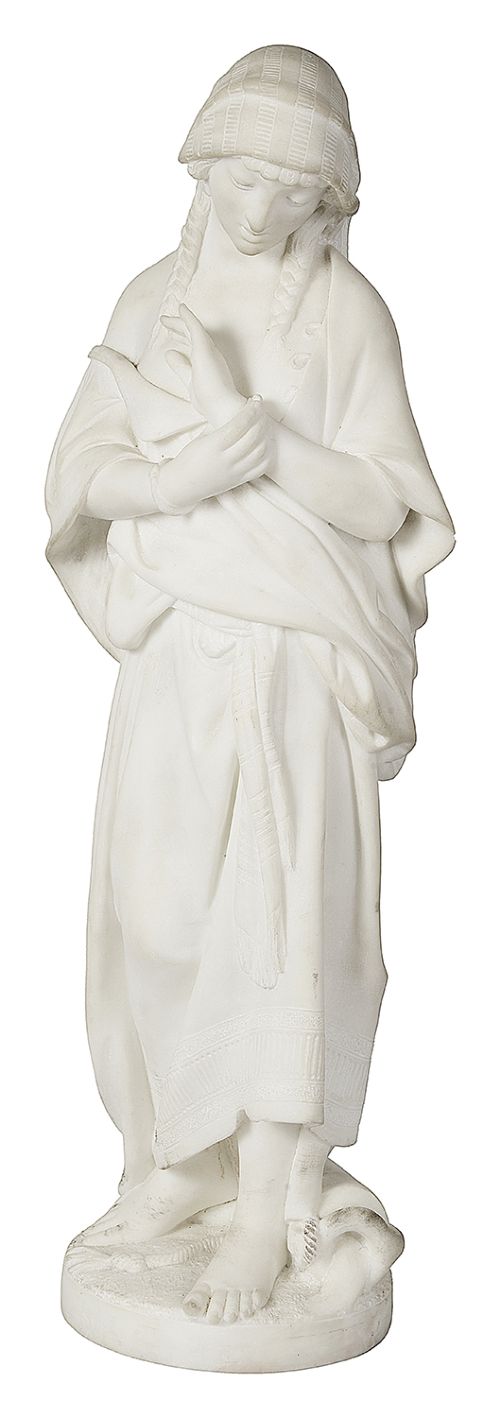
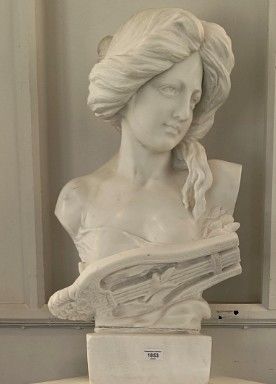
A victorian marble statue brings classical form and refined mineral grain into a room, capturing nineteenth-century sculpture in durable stone.
Victorian Marble Statue
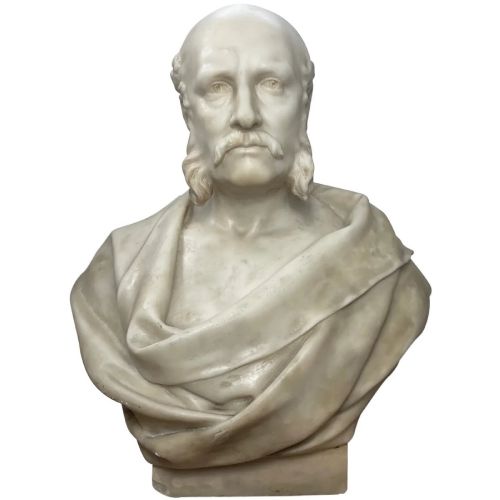
A victorian marble statue encompasses carved portraits, classical figures, and allegorical busts produced across the nineteenth century. The examples met on this page span from mid-century neoclassical interpretations to later animalier and architectural subjects.
Makers shaped these pieces from solid white stone, veined varieties, and translucent alabaster, often mounting them on matching mineral columns or gilt metal bases. Subjects range from mythological muses and literary heroines to civic portraits of Victorian gentlemen.
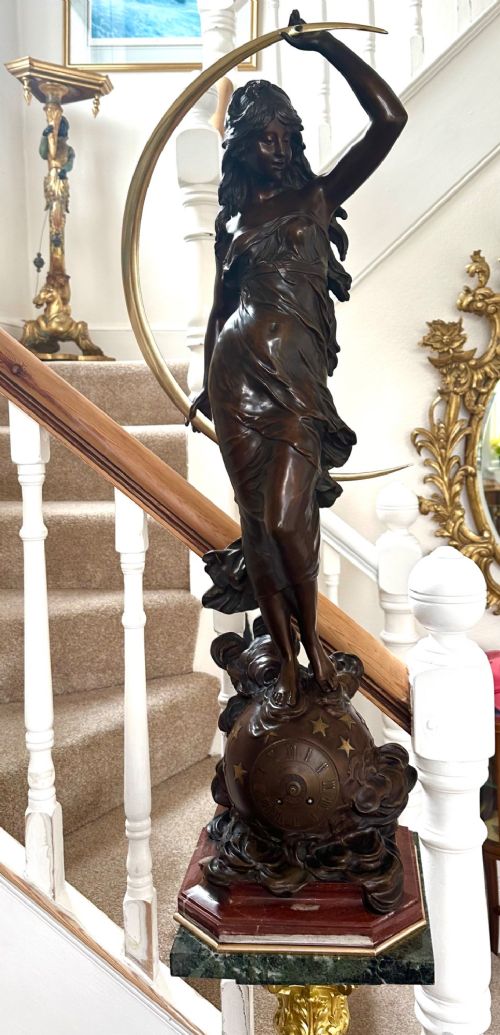
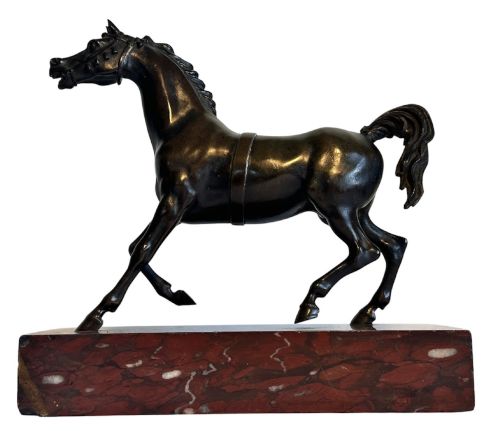
The selection reflects both British production and continental European workshops, particularly Italian stone-carving centres and French bronze foundries combining metalwork with mineral plinths.
Materials and methods
Carvers shaped these statues from natural stone blocks, predominantly employing fine-grained white marble and distinctive veined varieties. Sculptors utilised chisel and rasp to render drapery folds, hair texture, and facial expressions.
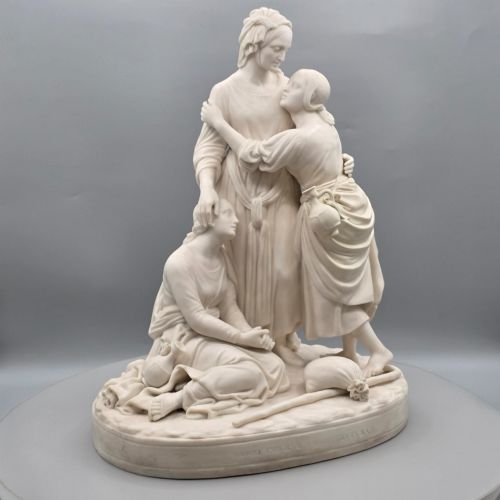
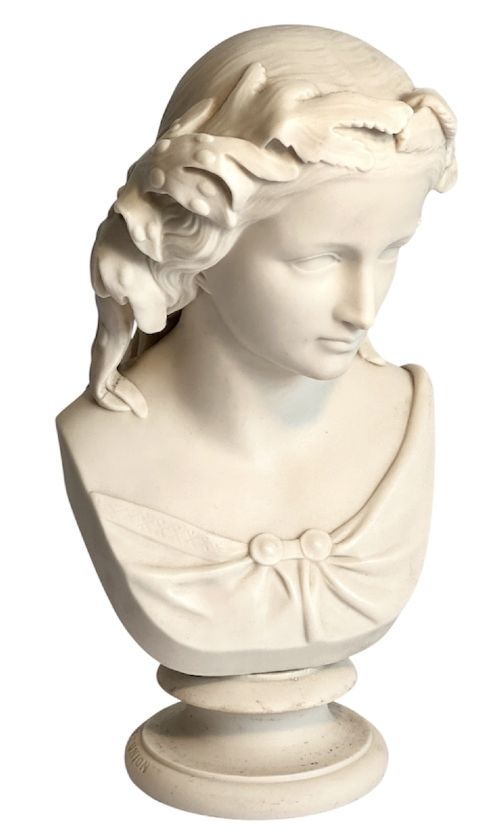
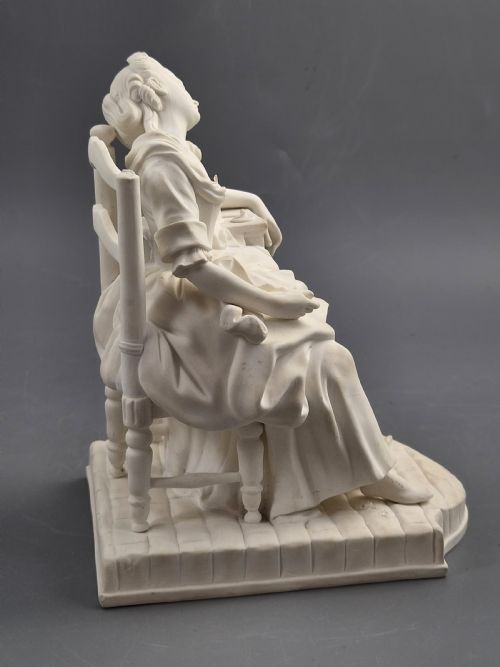
Many works combine carved stone with cast bronze or patinated metal elements, securing figures onto heavy mineral bases. Workshops also utilised parian porcelain as an affordable alternative to stone for figural groups and literary busts.
Victorian Marble Statue Retail Price Guide 2026
Typical asking prices for victorian marble statue among the pieces listed under this phrase on Sellingantiques today, from the lower quarter to the upper quarter. They describe what is for sale here now, not the wider market.
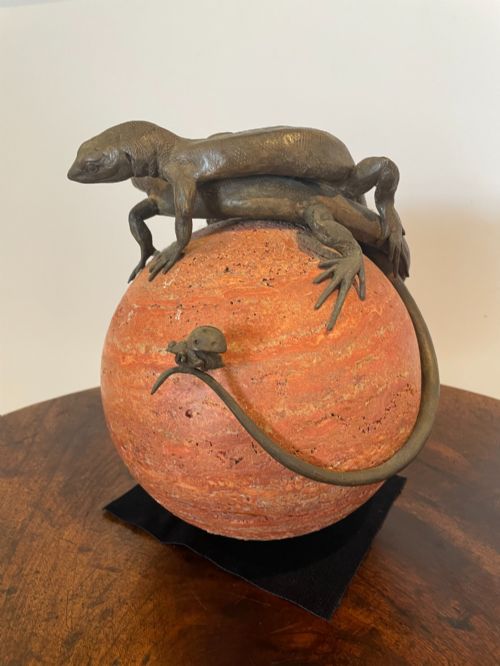
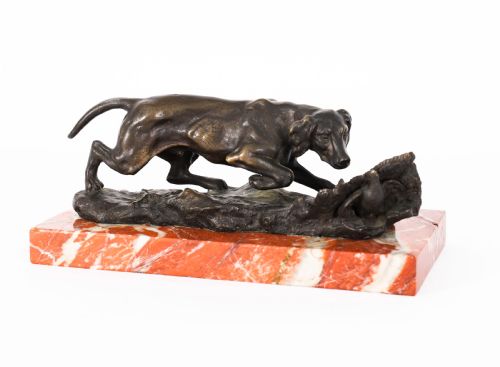
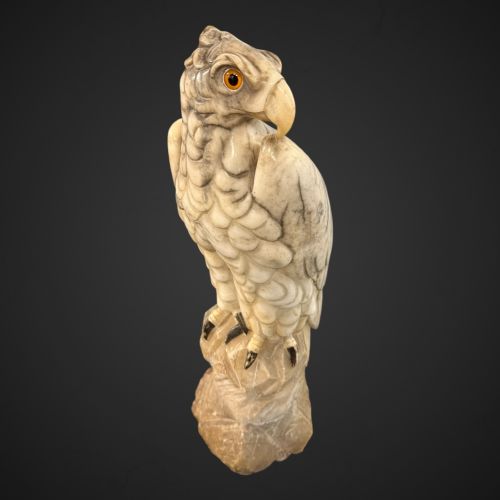
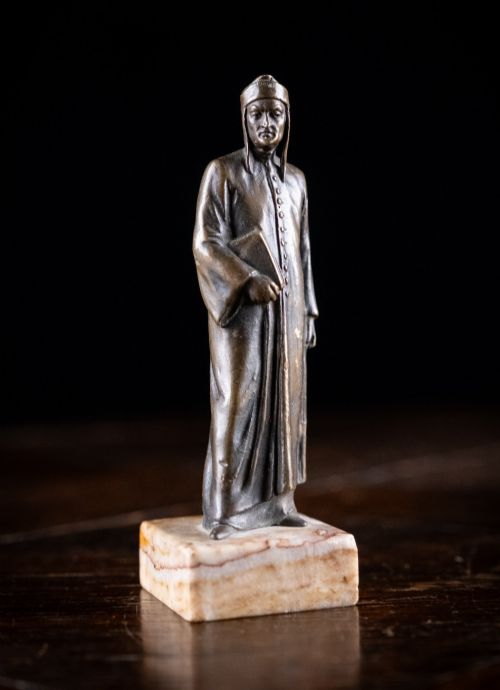
Statues range from solemn statesmen to bronze theatrical birds posing on small pedestals.
Assessing the execution
The choice of raw material influences the piece, with select items utilising heavily veined Carrara or layered alabaster. Signature marks from recorded sculptors elevate the standing of a carved portrait above anonymous workshop production.
Carl Kauba·Barranti·August Moreau·Michel Victor Acier·J Francis·Pierre Jules Mene·Prosper Lecourtier·John Wenlock Rollins·Mieczyslaw Leon Zawiejski
The Victorian Marble Statue Glossary
- Carrara marble
- A type of white or blue-grey stone quarried in Tuscany, utilised extensively for nineteenth-century European sculpture. Its fine crystalline structure allowed carvers to achieve smooth skin tones and realistic drapery.
- Alabaster
- A soft mineral stone used for nineteenth-century figural carving and decorative busts. It possesses a translucent quality that lets light penetrate the surface.
- Parian porcelain
- A fine biscuit porcelain developed in Britain to imitate carved marble figures. It gained popularity for literary and political portrait busts during the Victorian period.
- Animalier
- A nineteenth-century sculptural style focusing on realistic depictions of animals. These works often pair cast bronze subjects with heavy marble or slate bases.
- Grand Tour
- Souvenirs and classical replicas acquired by travellers on European journeys. These pieces include miniature busts and architectural bronzes mounted on stone.
Victorian Marble Statue: Frequently Asked Questions
How do I clean a marble statue?
Dust the surface regularly with a soft, dry cloth to prevent dirt settling into the stone pores.
Avoid household detergents, abrasive pads, or excess water, which can damage the polished finish or stain vulnerable mineral grains.
What is the difference between marble and alabaster?
Marble is a hard metamorphic rock formed from recrystallised carbonate minerals, capable of withstanding outdoor conditions and heavy wear.
Alabaster is a softer sulphate mineral that permits light to pass through its surface but scratches easily and dissolves in water.
How are nineteenth-century busts dated?
Dating relies on inscribed signatures, registry marks, exhibition dates, and stylistic indicators such as hairstyle and clothing.
Comparative study of historical foundry records and biographical dates of recorded sculptors further narrow the period of production.