




Victorian Marble Plinth
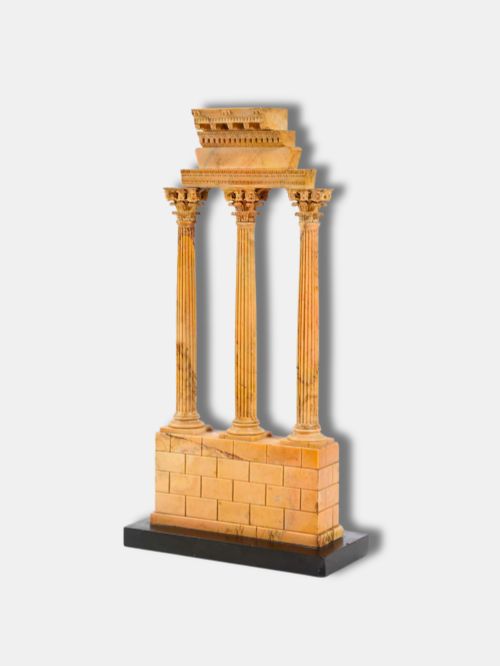
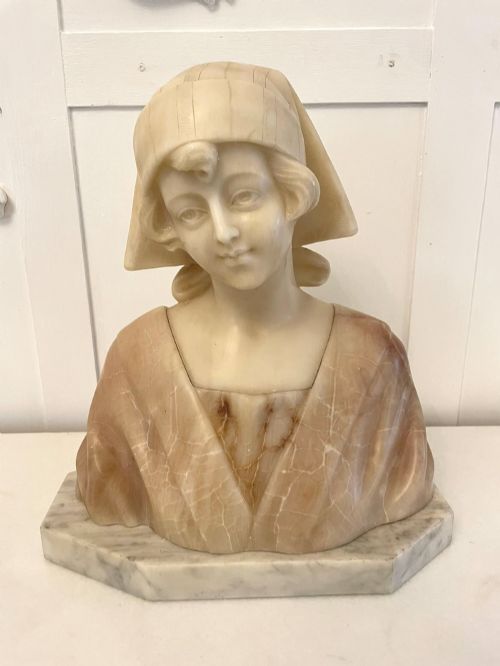
A victorian marble plinth elevates a sculpture, clock or vase, bringing classical presence and weight to a room through solid stone.
Victorian Marble Plinth
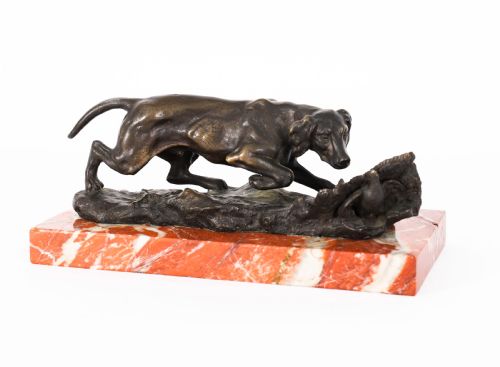
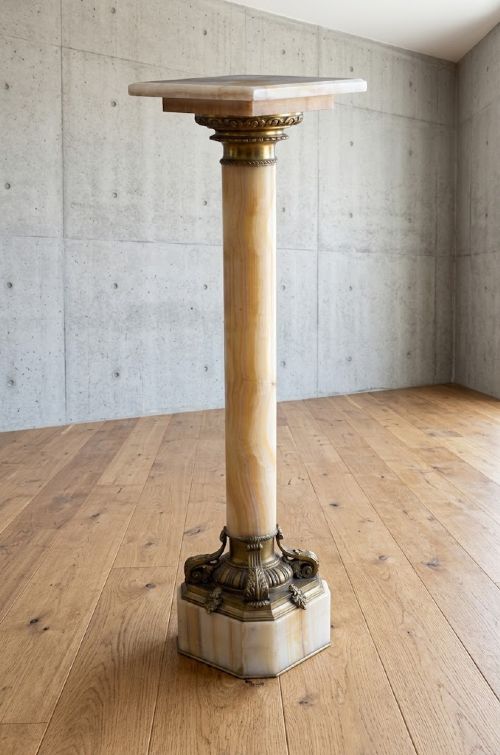
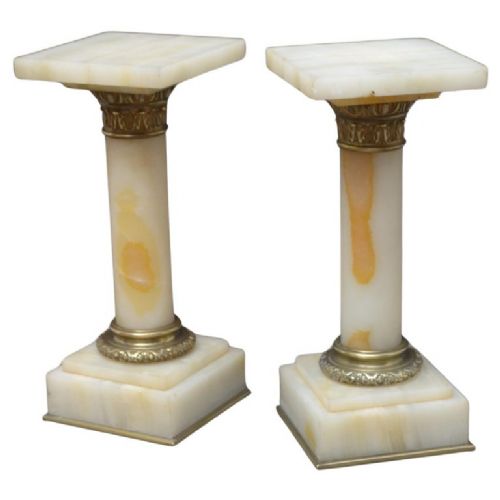
When searching for a victorian marble plinth, a buyer encounters architectural columns, pedestals, and flat stone bases designed to display decorative objects. The forms range from tall display columns in variegated green or honey-coloured stone to compact rectangular bases supporting bronze figures and clocks.
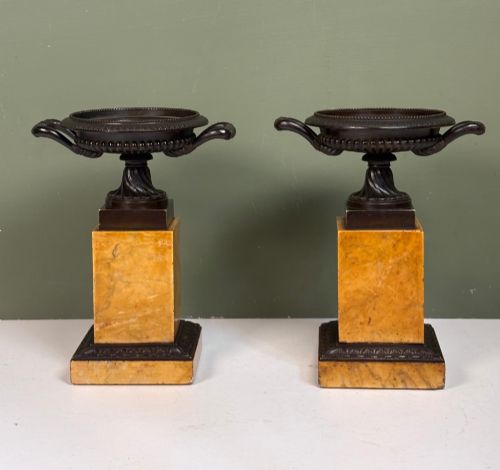
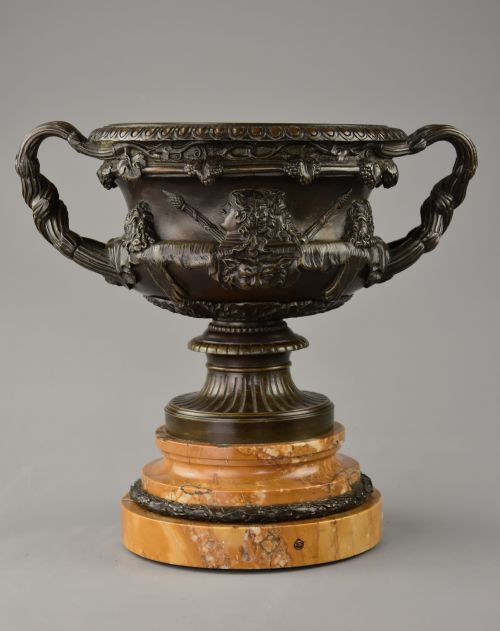
The pieces appearing here span the nineteenth century, drawing heavily on neoclassical taste, Grand Tour souvenirs, and classical revival design. Many items combine heavy stone bases with cast bronze figures, tazza vases, or porcelain elements.
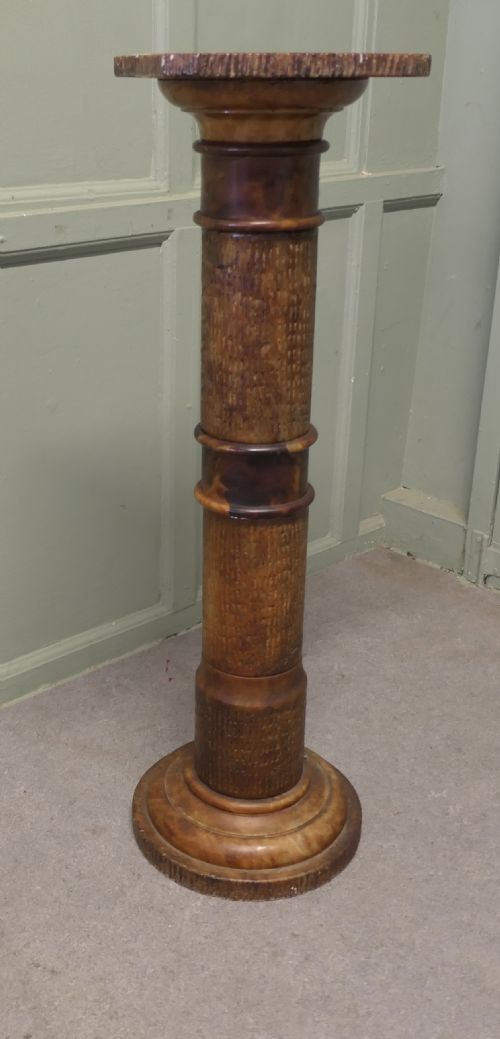
Tall columnar pedestals sit alongside low display plinths and faux marble painted timber columns. Buyers select these items to support lighting, sculpture, or ornamental vessels while introducing substantial nineteenth-century weight into an interior.
How They Were Made
Makers shaped columns and plinths from solid natural stones including onyx, alabaster, serpentine, and verde antico marble, often turning them on large lathes. Artisans also employed scagliola and painted timber to create convincing faux marble surfaces over wooden cores.
Metal mounts, ormolu collars, and gilt bronze elements were cast separately and fitted to the stone pillars or bases to secure sculptures and decorative urns. Bronze figures mounted on these plinths relied on traditional lost-wax or sand casting methods before being patinated or cold-painted.
Victorian Marble Plinth Retail Price Guide 2026
Typical asking prices for victorian marble plinth among the pieces listed under this phrase on Sellingantiques today, from the lower quarter to the upper quarter. They describe what is for sale here now, not the wider market.
Listings feature nineteen-century materials including onyx, serpentine marble, alabaster, gilt bronze, and painted timber.
What Varies in Quality
The distinction between standard production and superior work lies in the selection and geological variety of the stone itself. Richly veined marbles, flawless alabaster, and crisply turned ormolu mounts signal a higher grade of manufacture than plain painted timber.
Casting definition in the mounted bronzes and the precision of the stone joints dictate the overall execution. Pieces that display tight collars, well-finished patination, and substantial weight represent the upper tier of nineteenth-century workshop production.
Carl Kauba·Selim Bright·Payne of London
The Victorian Marble Plinth Glossary
- Ormolu
- Gilt bronze mounted onto furniture, clocks, or stone plinths. This gilded metal finish adds decorative contrast to dark marble columns.
- Verde Antico
- A dark green serpentine-based breccia marble prized in classical and nineteenth-century Italian stonework. It appears frequently on tall display columns and torchere stands.
- Grand Tour
- Cultural travel undertaken by nineteenth-century Europeans collecting antiquities and bronze reductions. These miniature sculptures were frequently mounted directly onto marble plinths.
- Scagliola
- A composite material made from pigmented gypsum, glue, and spar to imitate marble and other hardstones. It allows artisans to create decorative columns and bases with complex multi-coloured patterns.
Victorian Marble Plinth: Frequently Asked Questions
How do I choose the right height?
Consider the object you plan to display and the scale of the surrounding furniture. Tall columns suit standalone sculptures or large urns, while low plinths work best for mantel clocks and desk figures.
Measure your space carefully to ensure the footprint of the base remains stable beneath heavier bronze pieces.
Are faux marble columns genuine stone?
Many nineteenth-century examples utilise painted timber, scagliola, or slate treated to simulate natural veining. These alternative materials offered lighter weight and varied decorative effects while retaining the classical aesthetic.
Inspect the surface closely under good light to distinguish between painted graining and natural mineral deposits.
How should I clean a stone plinth?
Dust the surface regularly with a soft, dry cloth to prevent grit accumulation on polished marble or onyx. Avoid harsh chemical cleaners or excess water, which can damage softer alabaster or aged patinated bronze mounts.
Consult a specialist conservator if the stone requires deeper stain removal or if gilt bronze elements need attention.
What is the difference between a plinth and a column?
A plinth generally refers to a low, flat base or pedestal block designed to support a specific sculpture, clock, or vase. Columns and torcheres are taller vertical structures intended to elevate decorative items above floor level.
Both forms draw on classical architecture and frequently share identical materials like verde antico, onyx, and bronze.