







Victorian Green Marble Stand
These Victorian green marble stand examples are striking architectural supports and display columns that elevate sculpture or display surfaces with solid presence.
Victorian Green Marble Stand
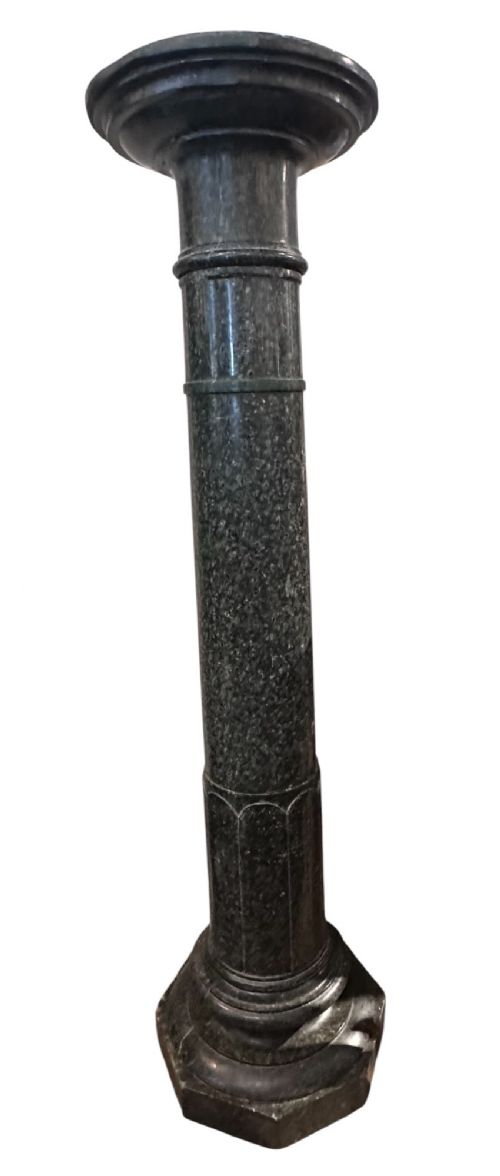
A victorian green marble stand takes the form of columns, pedestals, and display plinths created during the nineteenth century. These sturdy supports serve to elevate decorative objects, sculptures, or table surfaces within period interiors.
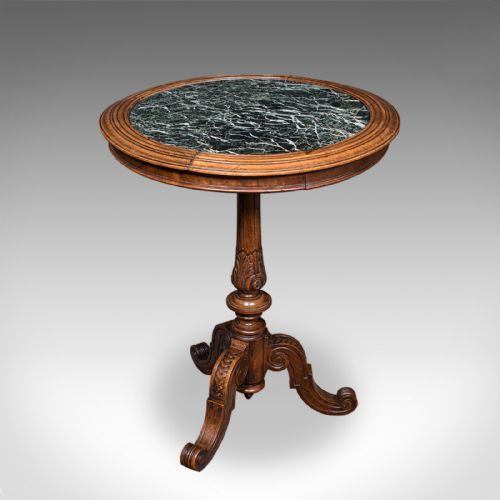
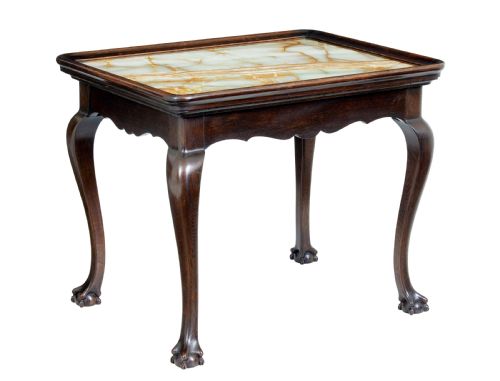
The pieces appearing on this page span several stylistic revivals, including Neoclassical, French Empire, and Egyptian Revival designs. Alongside dedicated pedestals, the selection includes related forms like washstands, console tables, and inkstands featuring green marble elements.
Most examples date from the nineteenth century, including specific periods like the 1860s and 1870s, utilising rich variegated green stones such as verde antico and serpentine. These items bring substantial weight and classical dignity to domestic spaces.
How they were made
Makers shaped heavy blocks of natural stone, specifically marble, verde antico, and onyx, into smooth cylindrical columns and supportive bases. Stonemasons turned and polished these dense materials to reveal deep natural veining and variegated green colouration.
Metal mounts in gilt bronze, ormolu, brass, and occasional wooden frameworks in oak and walnut complement the stone elements. These supportive structures secure the heavy marble sections while adding refined decorative detailing to the form.
Victorian Green Marble Stand Retail Price Guide 2026
Typical asking prices for victorian green marble stand among the pieces listed under this phrase on Sellingantiques today, from the lower quarter to the upper quarter. They describe what is for sale here now, not the wider market.
Some nineteenth-century makers concealed inkwells and desk thermometers inside heavy serpentine marble bases, keeping practical tools hidden in plain sight.
What varies in quality
The sophistication of the stone turning and the depth of the natural marble veining set superior examples apart from simpler pieces. Richly variegated green tones and flawless polish demonstrate greater care during production.
The integration of secondary materials like gilt bronze, ormolu, or finely carved wood mounts indicates the grade of the piece. Masterful casting and secure assembly ensure these heavy stone structures remain balanced and durable.
The Victorian Green Marble Stand Glossary
- Verde Antico
- An ancient dark green serpentine marble prized for its mottled appearance and historical use in classical architecture. This dense stone forms the primary material for several columns listed here.
- Ormolu
- Finely ground high-carat gold mercury-gilded onto a bronze object, common in French nineteenth-century decorative arts. This technique adds bright metallic contrast to deep green marble bases.
- Pedestal
- A architectural support or stand designed to elevate a sculpture, vase, or bust above floor level. These sturdy vertical structures often feature classical column designs.
- Neoclassical
- A style rooted in the classical architecture and art of ancient Greece and Rome, prominent during the nineteenth century. Pieces in this style emphasise symmetry, columns, and austere decorative dignity.
Victorian Green Marble Stand: Frequently Asked Questions
What is a victorian green marble stand used for?
These pieces primarily serve as sturdy pedestals or columns to elevate sculptures, urns, and decorative objects within a room. Certain variations incorporate functional surfaces like console tables, washstands, or inkstands.
Their solid stone construction provides a stable, heavy platform that allows display items to command attention at eye level. They function as architectural anchors in traditional interior schemes.
How do I identify a nineteenth century piece?
Authentic nineteenth-century examples rely on period stone-turning techniques and natural mineral variations rather than modern synthetic composites. Look at the weight and the way the marble joins with metal mounts like brass or ormolu.
Stylistic cues such as Neoclassical fluting or French Empire mounts help align the work with Victorian manufacturing methods. Examining the underside and joinery reveals period construction traits.
Where should I place a heavy marble column?
Position these substantial stands on level flooring capable of supporting heavy stone weights without shifting. Corners and main hallways provide secure locations where the architectural form can be appreciated safely.
Avoid high-traffic spots where the stand might be bumped, due to the brittle nature of carved stone edges. Ensure the display object rests evenly on the top surface to maintain balance.
How do I care for green marble?
Clean the stone surfaces using a soft, dry cloth to remove dust without scratching the polished finish. Avoid acidic cleaners or harsh chemical agents that can etch or dull natural marble.
Period metal mounts like bronze or brass require gentle dusting and should be kept dry to preserve their surface character. Routine maintenance keeps the variegated green tones clear and vibrant.