





Vintage Marble Plant Display
A vintage marble plant display elevates botanical arrangements onto classical stone columns, French occasional tables, and carved oriental hardwood stands.
Vintage Marble Plant Display
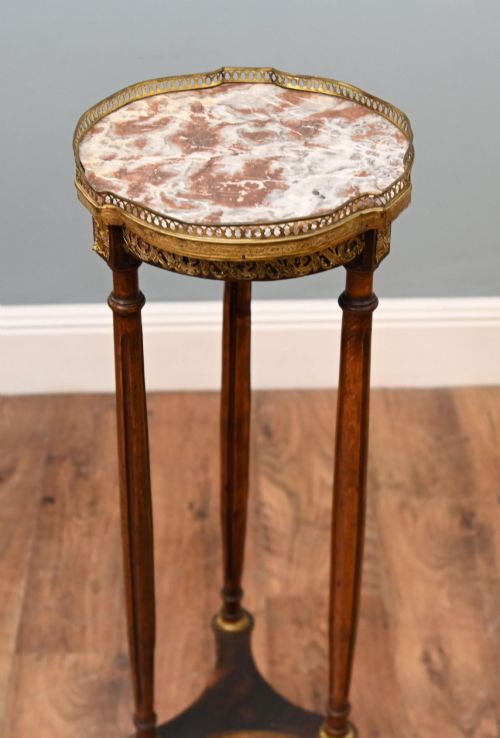
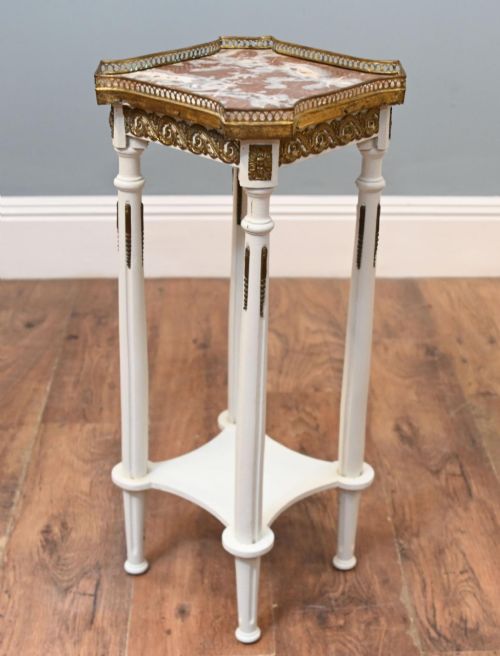
A vintage marble plant display encompasses circular and square table tops inset into sturdy hardwood, brass, or giltwood frames designed to hold heavy ceramic pots and jardinieres.
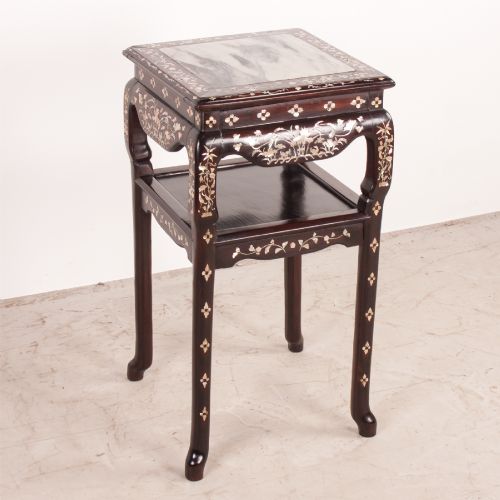
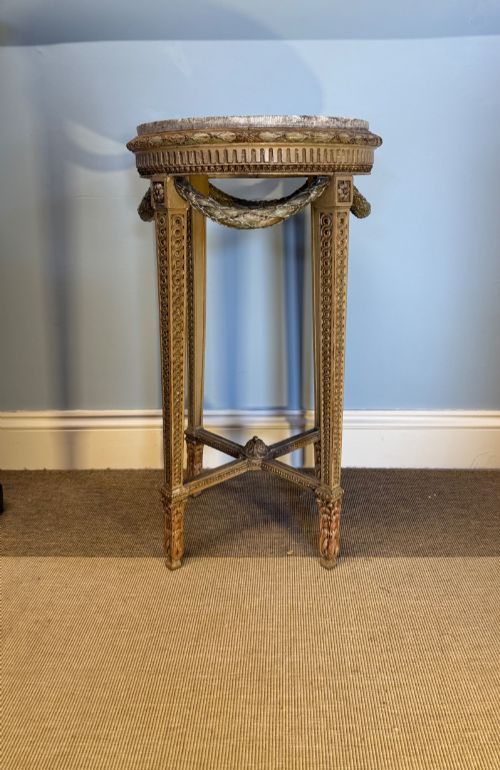
Buyers meet pieces originating from 19th-century France, Edwardian England, and Qing Dynasty China, spanning tall architectural columns to low occasional tables.
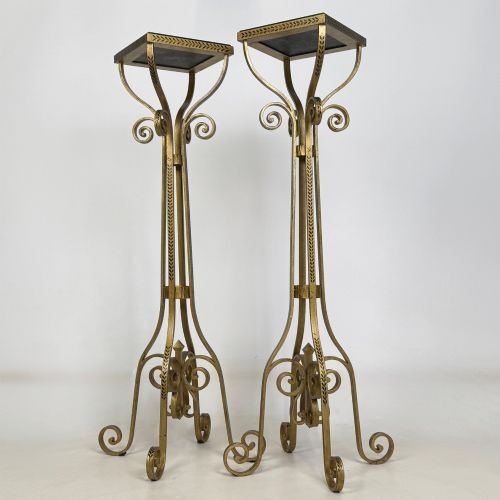
Common forms include torcheres, pedestals, and multi-tiered etageres intended for displaying urns and vases inside drawing rooms and conservatories.
Materials and construction methods
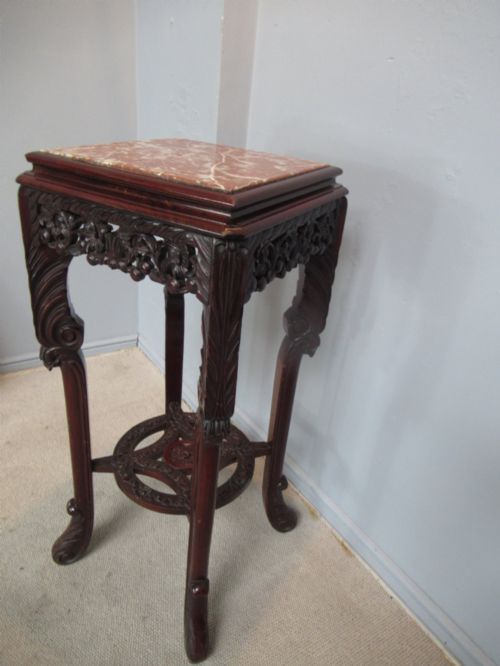
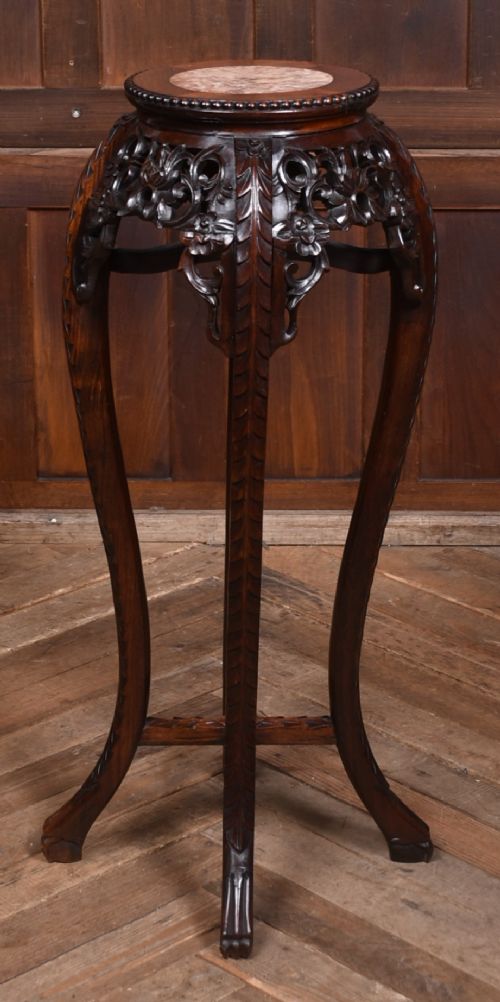
Craftsmen combined cool slabs of rouge, green, and arabescato marble with structural frameworks of mahogany, rosewood, walnut, oak, and carved hardwood.
Metal elements introduce cast and chiseled brass, ormolu mounts, and mother-of-pearl inlay to accent the timber and stone surfaces.
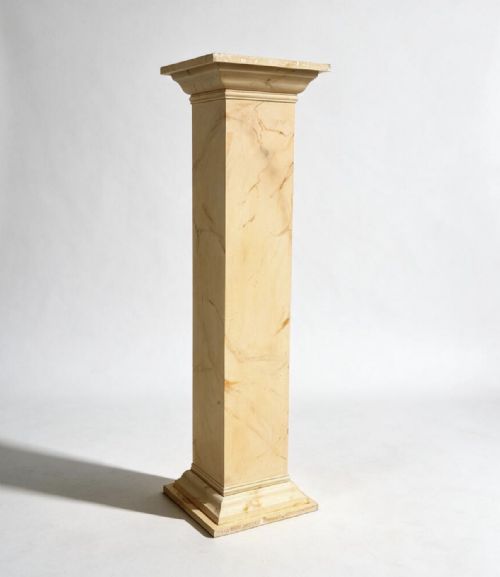
Alternative mineral compositions incorporate onyx, alabaster, and painted plaster to form solid columns and sculptural pedestals.
Vintage Marble Plant Display Retail Price Guide 2026
Typical asking prices for vintage marble plant display among the pieces listed under this phrase on Sellingantiques today, from the lower quarter to the upper quarter. They describe what is for sale here now, not the wider market.
Some Victorian plant stands double as dumb waiters, proving that even ferns occasionally need a butler.
Factors determining quality
The density and figuring of the stone top dictate the visual weight, with deeply variegated marbles and unblemished onyx commanding greater presence.
Execution of the frame distinguishes standard joinery from elaborate carving, especially in the pierced aprons of Chinese hardwood stands and the gilded details of French torcheres.
Material integration, such as the seamless fit of stone within turned wooden bezels or heavy brass galleries, defines the integrity of the piece.
The Vintage Marble Plant Display Glossary
- Jardiniere
- An ornamental pot or stand designed specifically to hold live plants and flowers inside domestic rooms. These vessels sit securely upon inset stone tops.
- Torchere
- A tall, slender stand or pedestal originally built to carry a torch or candle, later adapted for lamps and floral displays. Their vertical proportions suit corners and narrow wall spaces.
- Ormolu
- Gilded bronze mounts applied to furniture edges and table frames to provide decorative contrast. This technique appears frequently on French neoclassical pieces.
- Etagere
- A piece of furniture consisting of a set of open shelves for displaying small objects. Examples incorporate marble surfaces alongside wooden and canework tiers.
- Pedestal
- A solid column or base supporting a bust, urn, or plant display. They provide height and architectural structure to interior arrangements.
Vintage Marble Plant Display: Frequently Asked Questions
What is a plant display?
A plant display is a sturdy piece of furniture designed to elevate heavy pots and jardinieres off the floor. These items range from slender columns to low occasional tables.
They serve as focal points in rooms by lifting foliage to eye level and protecting flooring from moisture.
Where should I place one?
These pieces fit naturally into corners, near windows, or beside seating areas where natural light benefits plants. Tall columns work well in empty architectural voids.
Shorter tables function as lamp stands or side surfaces when not holding botanical arrangements.
How do I care for the marble?
Marble surfaces require gentle cleaning with a damp cloth to remove dust and moisture rings. Avoid harsh chemical cleaners that etch the polished stone.
Using saucers underneath plant pots prevents water pooling and staining the porous natural material.
How do I identify the period?
Dating relies on stylistic clues like Neoclassical proportions, Edwardian gilding, or Chinese export carving methods. Wood types and metal fittings also point to specific decades.
Turned columns and joinery techniques offer further physical evidence of manufacture age.