
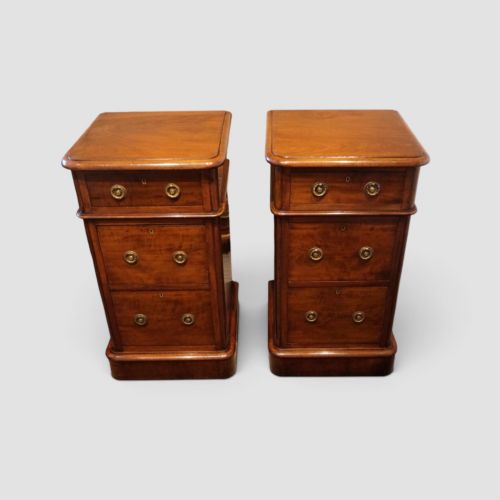
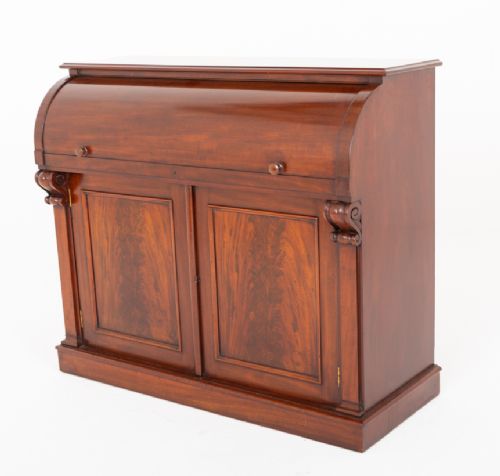
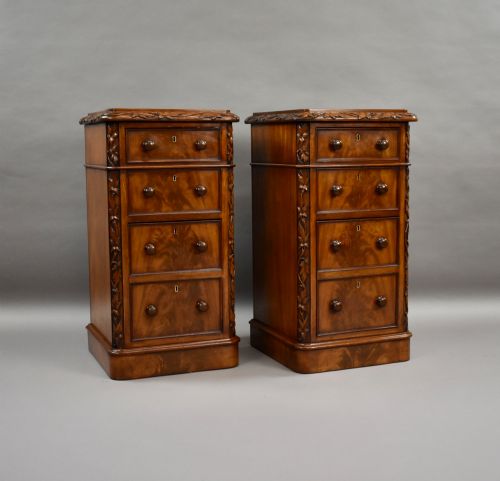
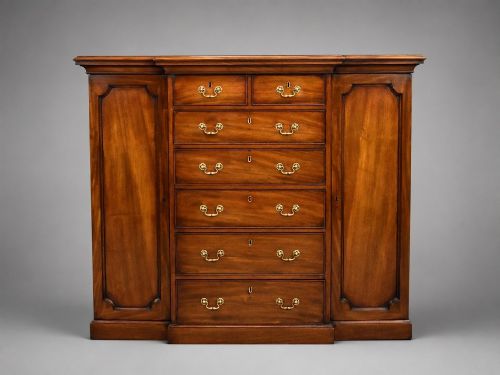
Victorian Mahogany Pedestal Cabinets
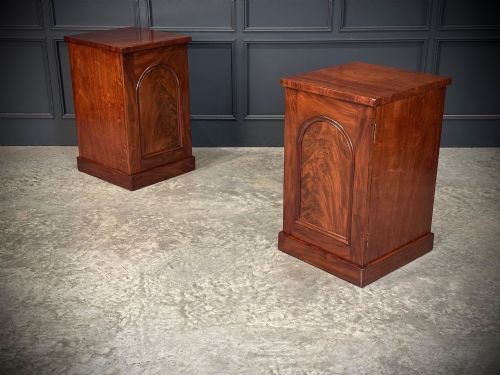
Victorian mahogany pedestal cabinets are substantial storage pieces designed for the bedroom or study, offering solid timber construction and practical enclosed shelving.
Victorian Mahogany Pedestal Cabinets
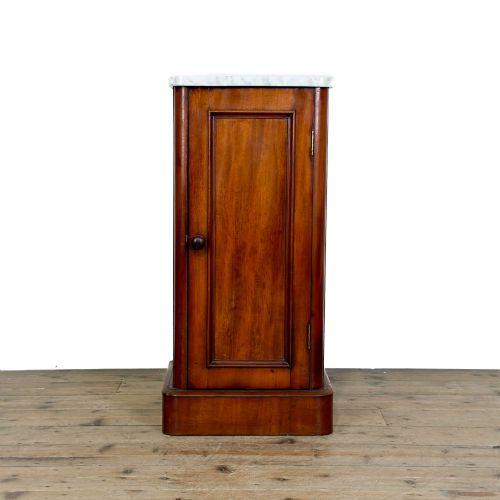
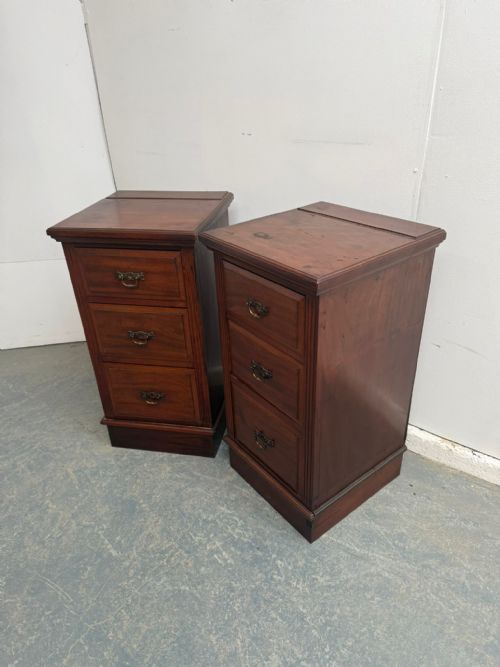
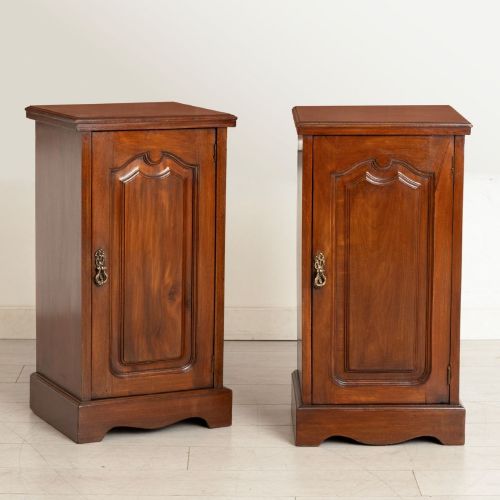
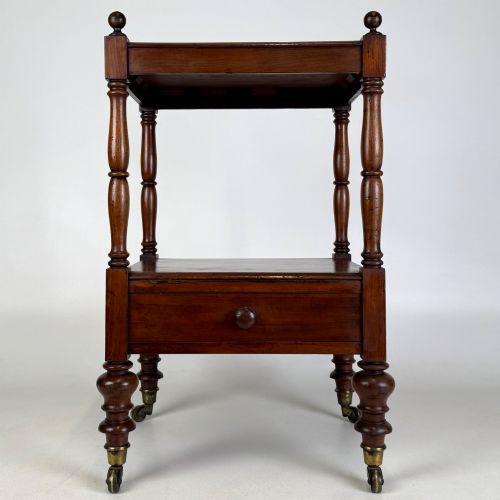
When you search for victorian mahogany pedestal cabinets, you encounter compact single-door cupboards, multicyellow drawer nightstands and cylindrical bedside units designed to stand beside a bed or desk. These pieces originate primarily from the nineteenth century, spanning from the early decades through the late Victorian era up to nineteen hundred.
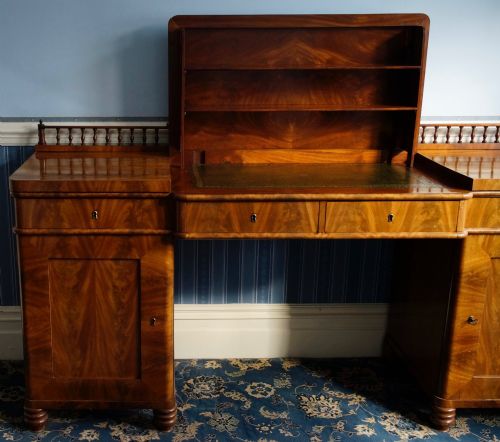
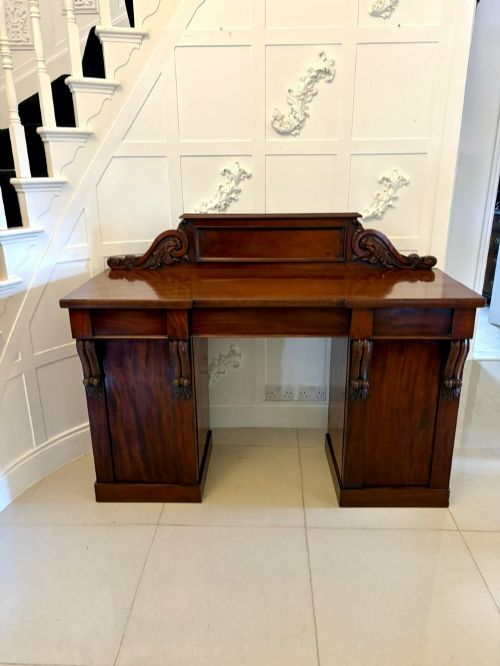
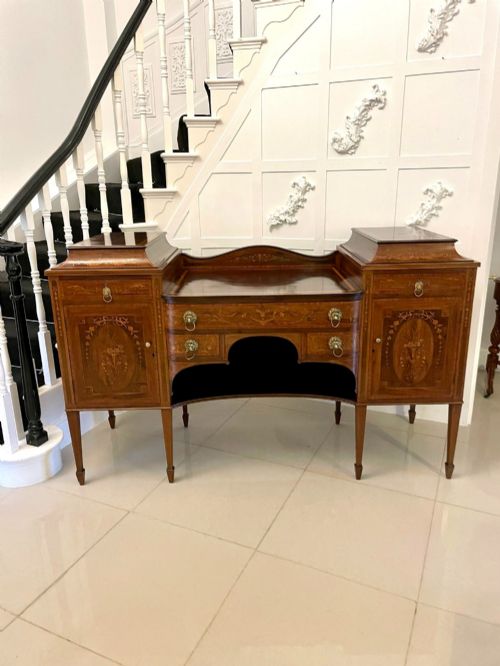
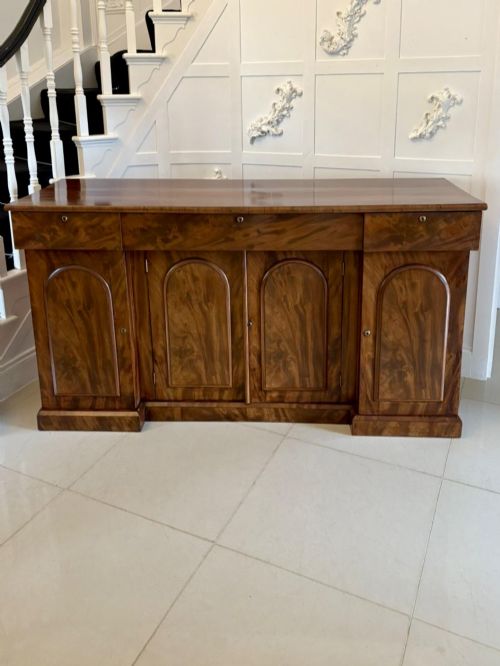
The selection frequently includes pairs as well as single items, taking the form of pot cupboards, bedside chests with three drawers and small lamp stands. Alongside these dedicated bedside forms, the broader category encompasses larger pedestal sideboards and filing cabinets sharing the same timber and architectural arrangement.
Construction and Materials
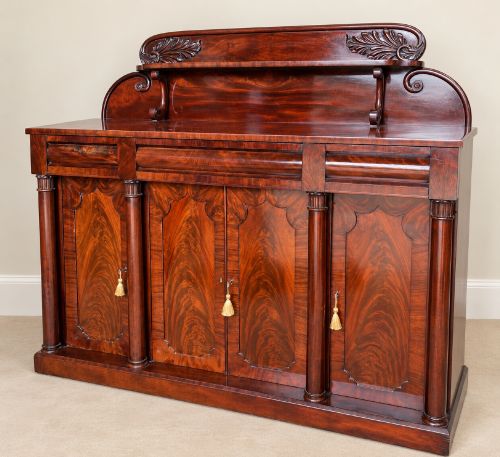
Cabinet makers built these pieces using solid mahogany and mahogany veneers, frequently selecting flame mahogany to create richly figured grain patterns across doors and drawer fronts. Secondary woods provided structural stability inside the pedestals, while applied mouldings and occasional satinwood or marquetry inlay decorated the exterior surfaces.
Hardware played a functional and decorative role, incorporating brass handles, hinges and occasional glass elements or leather inserts on related desk surfaces. Wax finishes sealed the wood while preserving the natural deep reddish-brown tone of the mahogany.
Nineteenth-century pot cupboards discreetly hid chamber pots behind panelled doors, doubling as innocent bedside tables long before indoor plumbing arrived.
Judging Quality
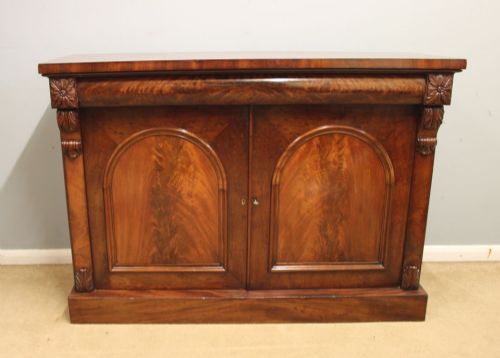
Quality rests on the selection of the timber, distinguishing plain stock from pieces faced with highly figured flame mahogany veneer that displays symmetrical grain movement. The crispness of carved details, such as console brackets or panel moulding, marks the difference between standard workshop production and superior cabinet work.
Construction methods dictate durability, evident in the smoothness of drawer runners, the precise fit of cupboard doors and the integrity of internal box construction. Pieces originating from documented makers or bearing specific atelier hallmarks command distinct recognition for their elevated design execution.
Hewetsons London·Howard & Sons·Holland & Sons
The Victorian Mahogany Pedestal Cabinets Glossary
- Flame mahogany
- A veneer cut from the fork of the mahogany tree to produce a dramatic, feather-like grain pattern. This highly decorative figure appears frequently on the doors of finer nineteenth-century bedside cupboards.
- Pot cupboard
- A small enclosed bedside cabinet originally designed to house a chamber pot. These practical pieces typically feature a single door enclosing a shelf.
- Pedestal
- A self-supporting structural base or column that forms the lower portion of a cabinet or sideboard. In bedside furniture, the single pedestal supports an enclosed cupboard or stack of small drawers.
- Veneer
- A thin layer of superior wood applied over a secondary timber base to create a decorative surface without structural compromise. Nineteenth-century craftsmen mastered this technique to display rich grain patterns.
- Marquetry
- The art of applying decorative pieces of wood veneer to a structure to form intricate pictorial designs. This technique appears on select refined sideboards within the period.
Victorian Mahogany Pedestal Cabinets: Frequently Asked Questions
What are victorian mahogany pedestal cabinets?
Victorian mahogany pedestal cabinets are enclosed bedside cupboards or small chests made from mahogany during the nineteenth century. They provide compact storage with a single door or multiple small drawers.
These pieces sit beside a bed or act as lamp stands, combining practical enclosed shelving with the deep reddish-brown tones characteristic of nineteenth-century cabinet making.
How do I identify flame mahogany?
Flame mahogany displays a distinctive swirling, feather-like grain pattern resembling flickering flames. This decorative effect comes from timber harvested near the branch junctions of the tree.
Cabinet makers reserved these striking veneers for the primary visible surfaces, such as cupboard doors and drawer fronts, to catch the light.
Were these cabinets originally made as pairs?
Makers produced both single cabinets and matched pairs to suit the symmetrical arrangement of nineteenth-century bedrooms. Pairs frequently mirror each other in timber grain and door handing.
Finding a matched pair remains common because bedrooms traditionally required a bedside cabinet on each side of the bed frame.
How do I care for a waxed mahogany surface?
Maintain waxed mahogany by applying a traditional beeswax polish and buffing with a soft cloth to preserve the sheen. Avoid placing cabinets near direct heat sources or strong sunlight.
Regular light dusting prevents particle buildup, while periodic waxing nourishes the timber and protects the historic finish from drying out.