
Victorian Mahogany Mirror Stand
These robust pieces bring warmth and utility to any room, offering the classic charm of a victorian mahogany mirror stand for daily dressing and hallway use.
Victorian Mahogany Mirror Stand
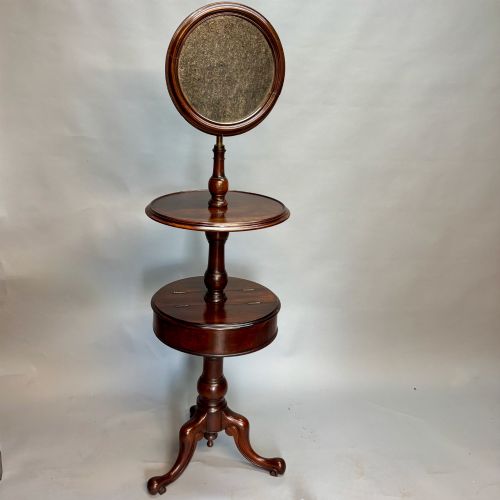
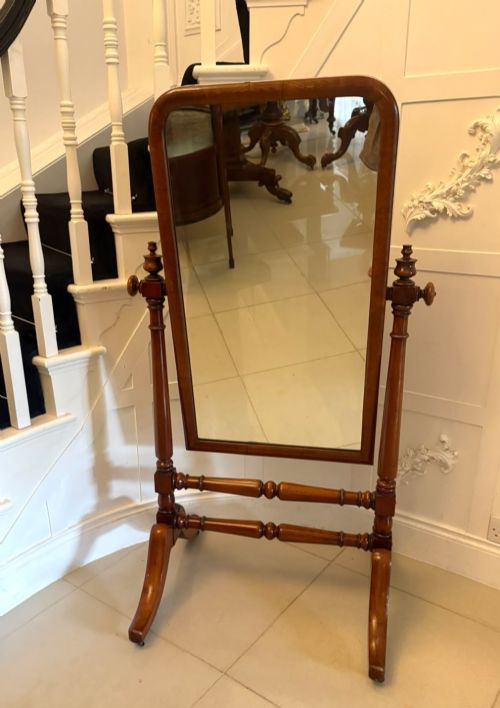
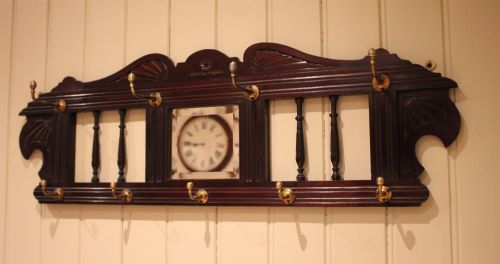
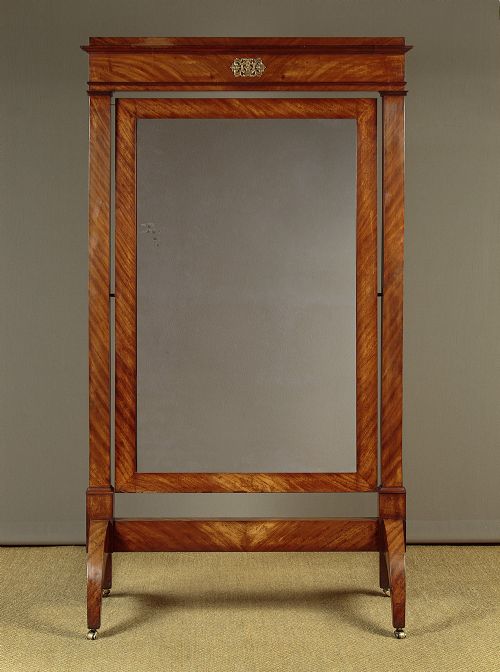
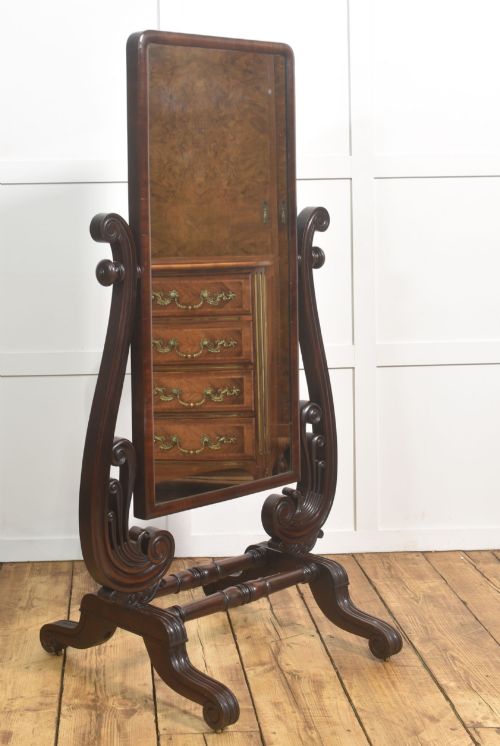
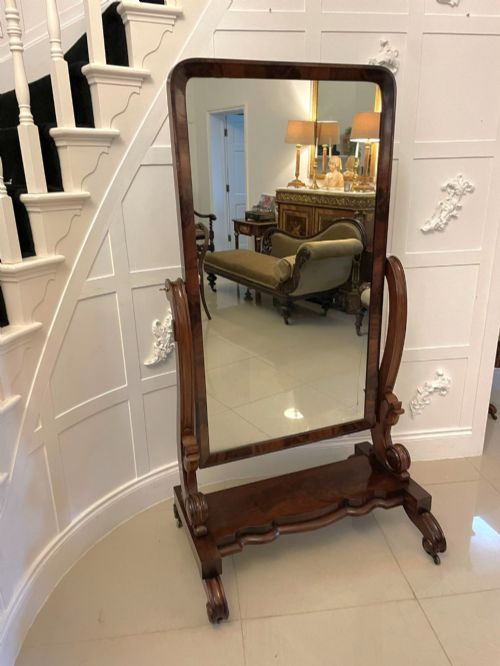
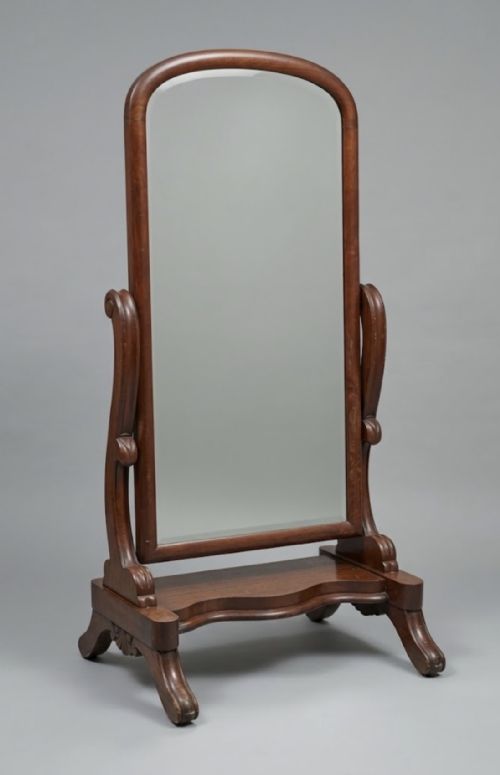
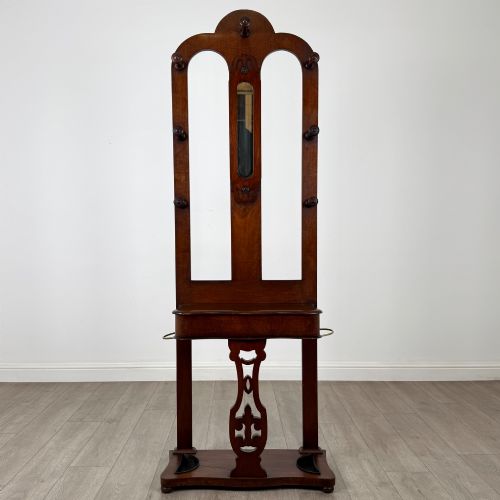
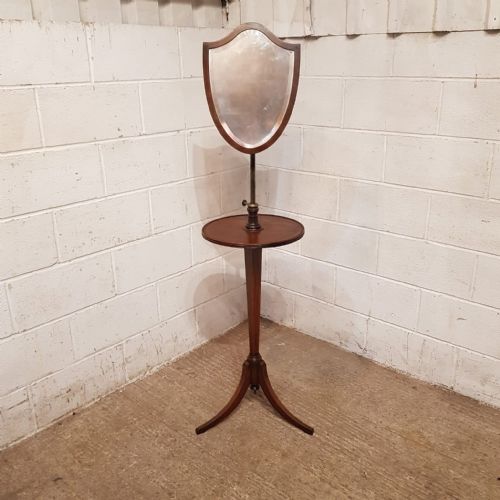
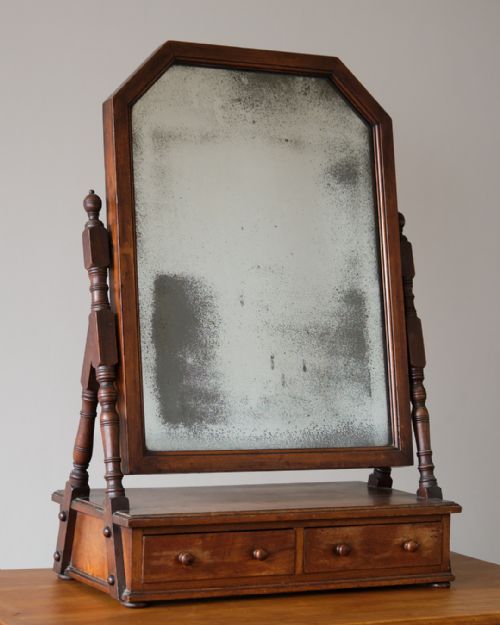
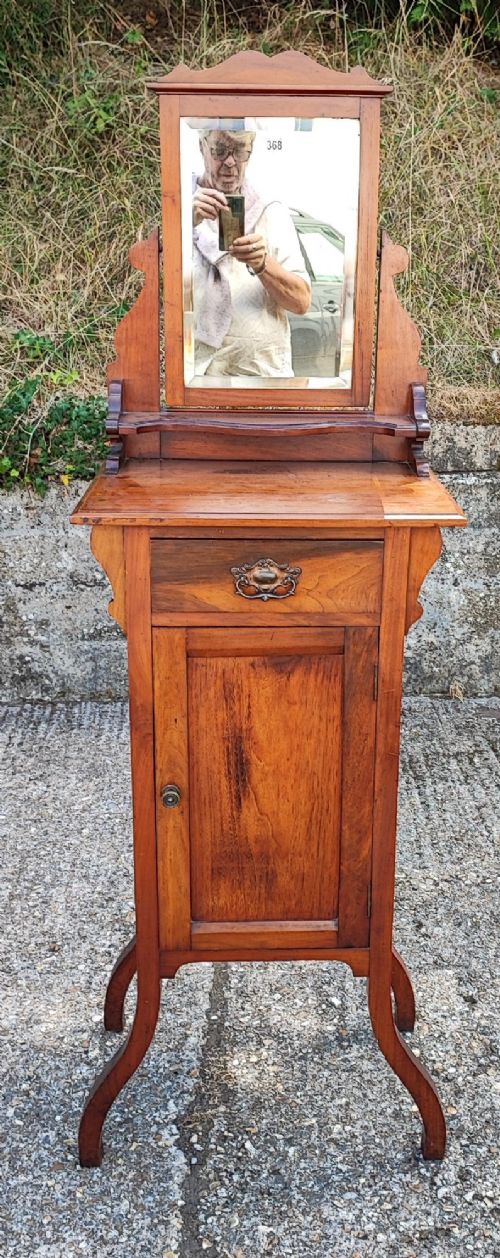
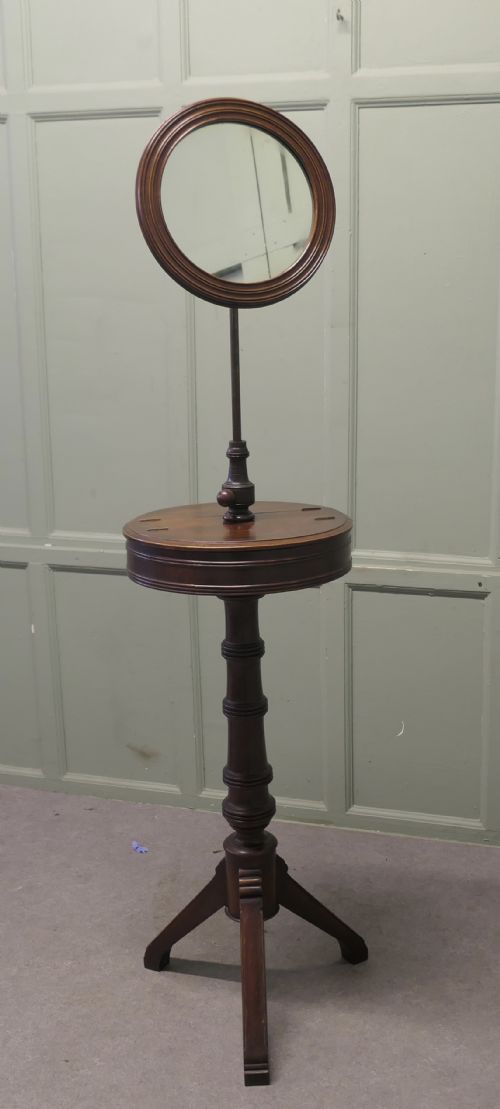
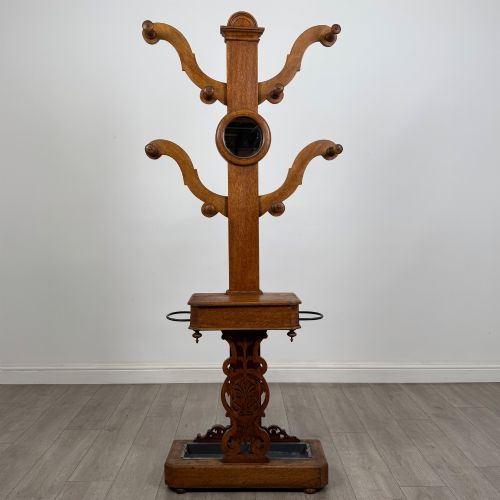
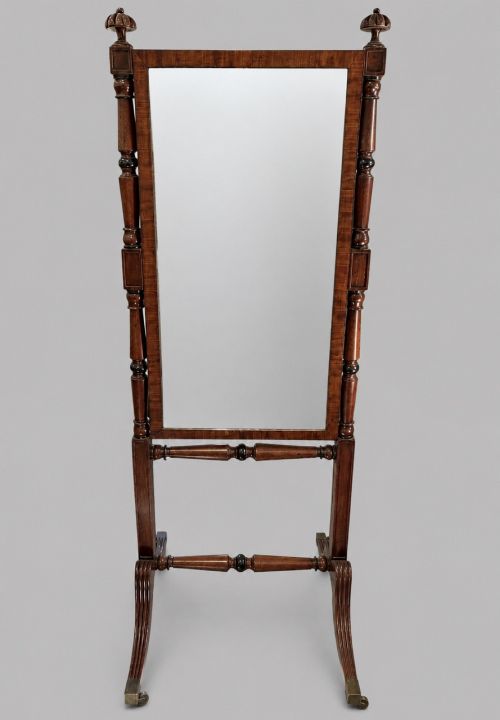
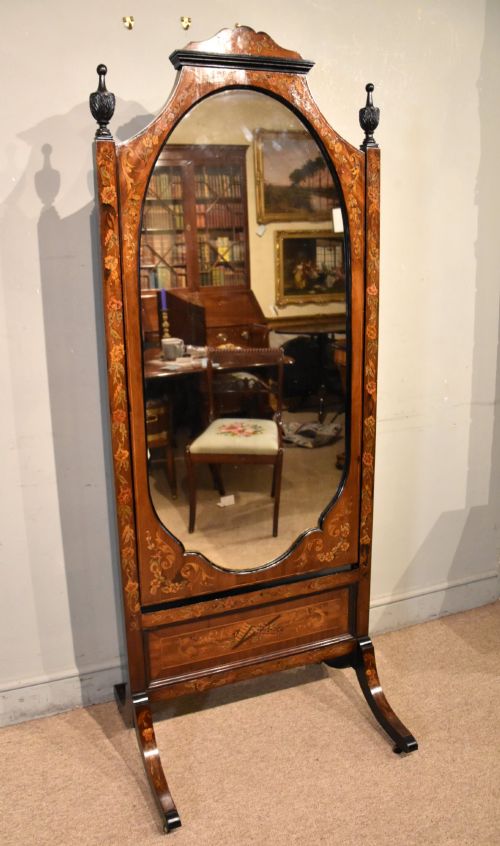
When searching for a victorian mahogany mirror stand, a buyer encounters a range of functional furniture primarily designed for dressing rooms and hallways. The selection here leans heavily towards full-length cheval mirrors and adjustable shaving stands, alongside hall stands fitted with glass panels.
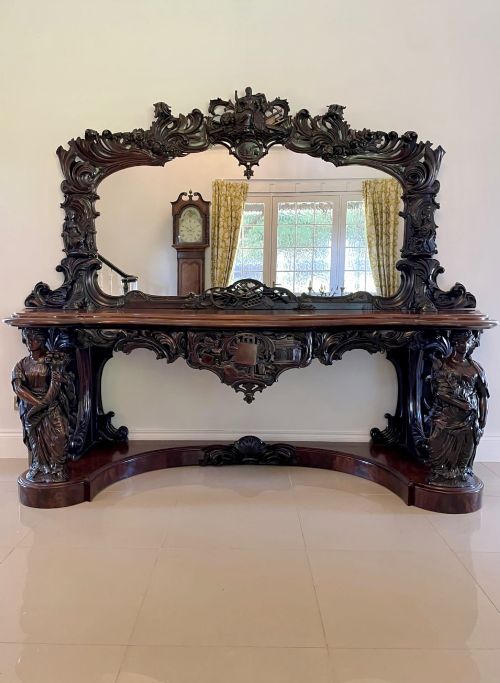
The dominant period represented is the nineteenth century, spanning from early Regency examples through to late Victorian and Edwardian variations. Pieces take various forms, from heavy floor-standing swing mirrors to compact tripod designs and console-linked mirror backs.
Makers utilised rich timber grains to create imposing hall furniture and delicate dressing glasses alike. These items served practical domestic purposes in period homes, combining reflective glass with sturdy stands.
How They Were Made
Carpenters constructed these frames predominantly from solid and figured mahogany, often incorporating brass fittings, mirror glass, and occasionally marble or cast iron for structural support. Timber selection mattered greatly, with flame mahogany and rich grain patterns chosen for prominent display surfaces.
Joinery techniques included secure framing for heavy swing glasses, alongside sophisticated mechanical components such as brass swivels, telescopic stems, and tripod bases. Carving, inlay work, and barley twist supports added decorative distinction to the structural frames.
Listings feature mahogany, glass, brass, and marble across Victorian, Regency, and Edwardian periods.
What Varies In Quality
The distinction between ordinary utility items and exhibition pieces lies in the crispness of the timber carving, the depth of the mahogany grain, and the sophistication of the adjustable mechanisms. Superior examples display substantial weight, refined proportions, and original brass hardware rather than later replacements.
Construction methods also separate standard workshop output from higher-end commissions, particularly in the stability of the frame and the clarity of the mirror glass. Finer stands feature meticulous joinery and integrated details such as inlaid banding or robust swivel pivots designed to hold heavy glass steady at any angle.
Heal & Sons·Edwards & Roberts·Thomas Rubergall
The Victorian Mahogany Mirror Stand Glossary
- Cheval mirror
- A large, floor-standing swing mirror supported in a vertical frame. It allows a person to view their entire outfit at once.
- Flame mahogany
- A veneer cut from the fork of the mahogany tree, producing a distinctive, fiery flame-like pattern. It was highly prized for fine furniture fronts.
- Shaving stand
- A specialised piece of furniture featuring an adjustable mirror combined with a small table, drawers, or tripod base. Gentlemen used these for morning grooming.
- Sabre leg
- A curved, concave leg that tapers towards the foot, commonly seen on Regency and early nineteenth-century furniture. It provides both stability and an elegant silhouette.
- Barley twist
- A decorative turning technique resembling a twisted rope, frequently used on the vertical supports of mirrors and stands during the Victorian period.
Victorian Mahogany Mirror Stand: Frequently Asked Questions
What is a cheval mirror?
A cheval mirror is a tall, floor-standing dressing glass mounted on a swivelling frame. This design allows the user to tilt the mirror plate to various angles for full-length viewing.
Such pieces were staple furnishings in nineteenth-century dressing rooms and bedrooms, prized for both practical utility and the warmth of their timber frames.
How do I use a shaving stand?
A shaving stand provides a compact grooming station with an adjustable mirror mounted atop a tripod base, pedestal, or small cabinet. Gentlemen utilised the pivoting glass and nearby surfaces for daily shaving routines.
Many surviving examples feature telescopic mechanisms to alter the height, alongside small trays or holders for washing equipment.
How are hall stands different?
Hall stands combine a central mirror with umbrella racks, coat hooks, and occasionally marble or tiled surfaces for incoming guests. They were positioned in entrance hallways to handle outerwear and hats.
Unlike standalone mirrors, these larger pieces served multiple storage functions while greeting visitors at the front door.
How do I date a mahogany stand?
Dating relies on examining the timber grain, construction techniques, hardware, and stylistic revival markers such as Gothic or Rococo details. Earlier Regency pieces often feature sabre legs, while mid to late Victorian items display heavier carved framing or barley twists.
Original brass screws, castors, and silvered mirror glass also offer reliable clues to a piece's precise period of manufacture.