

Brass Standing Mirror
These brass standing mirror pieces bring polished metal and clear reflection together, offering functional elegance for dressing rooms and halls.
Brass Standing Mirror
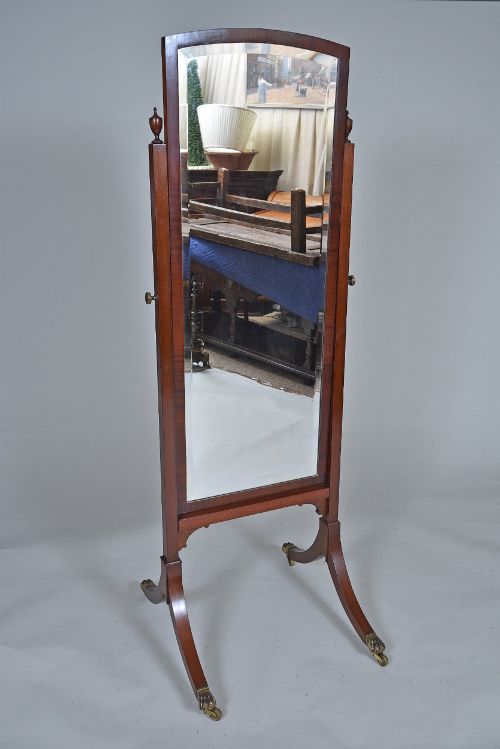
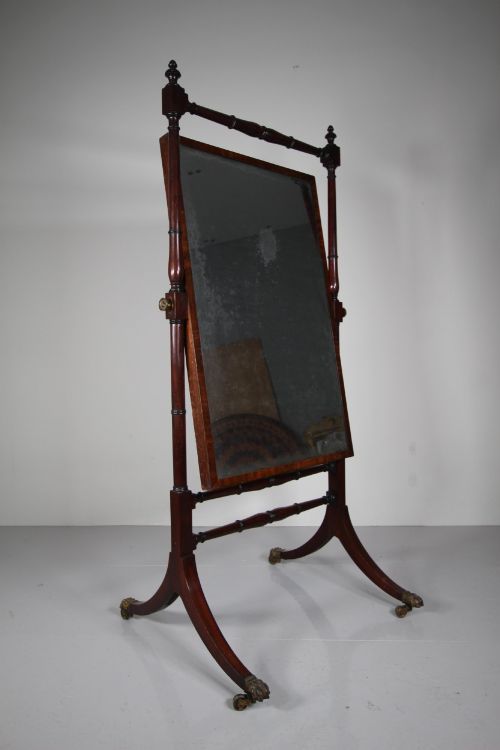
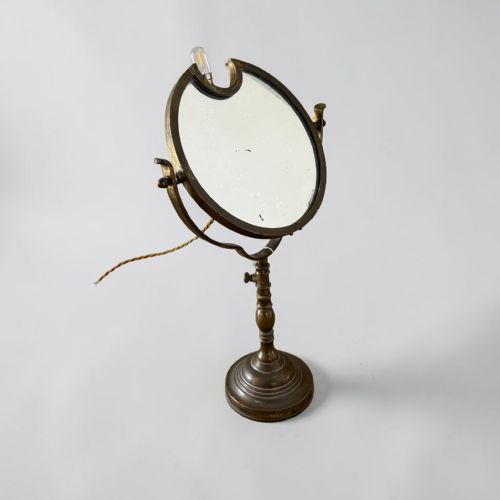
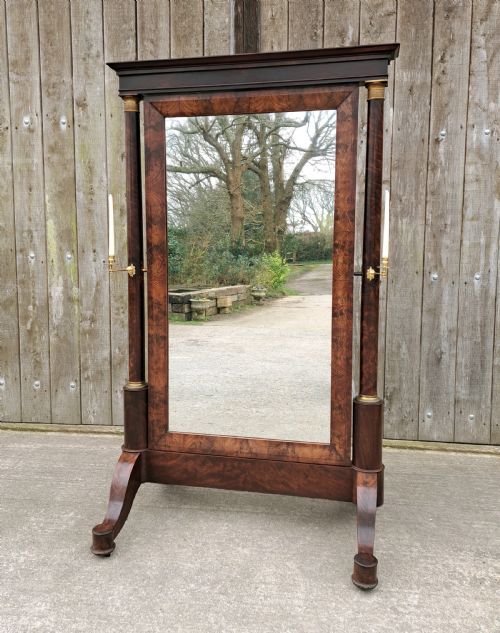
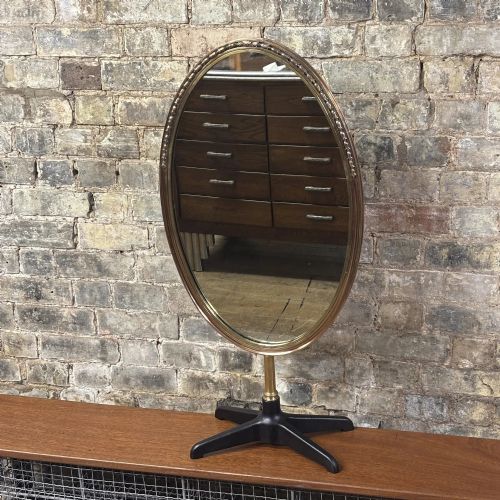
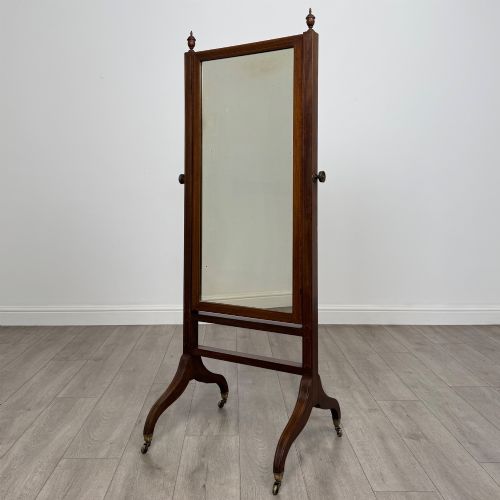
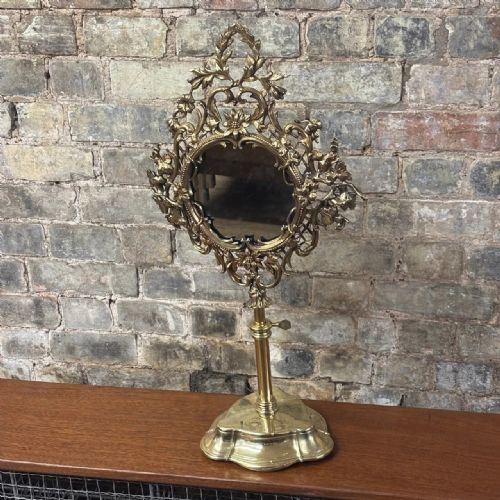
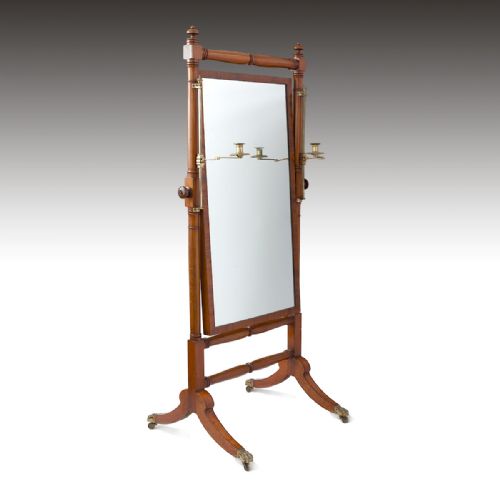
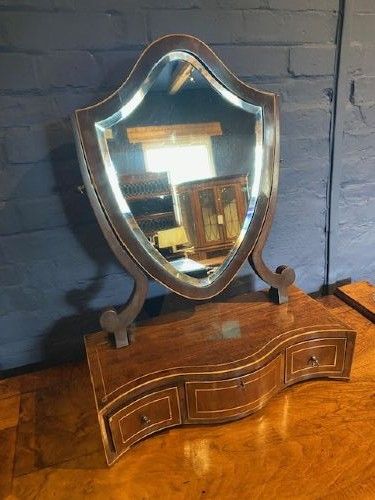
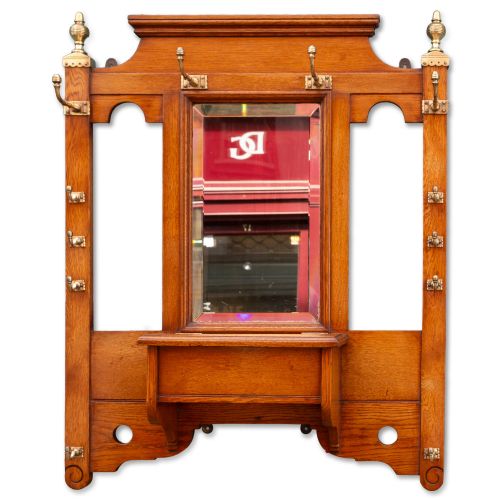
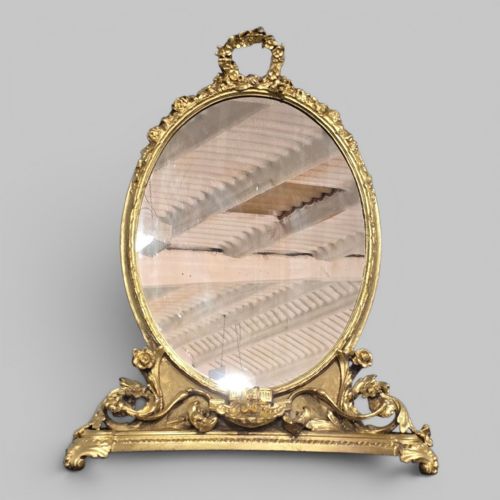
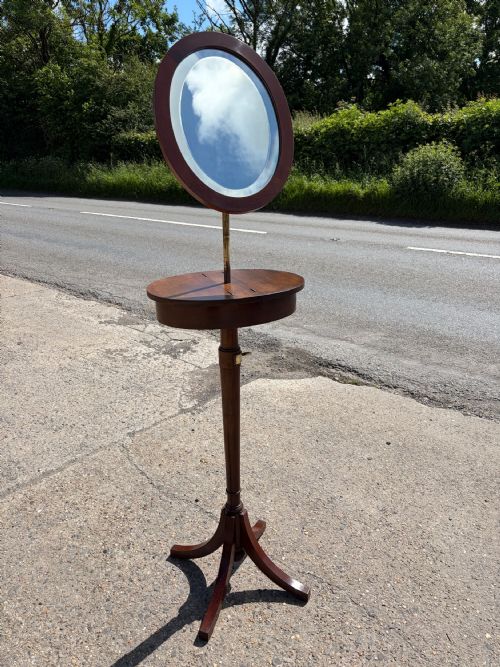
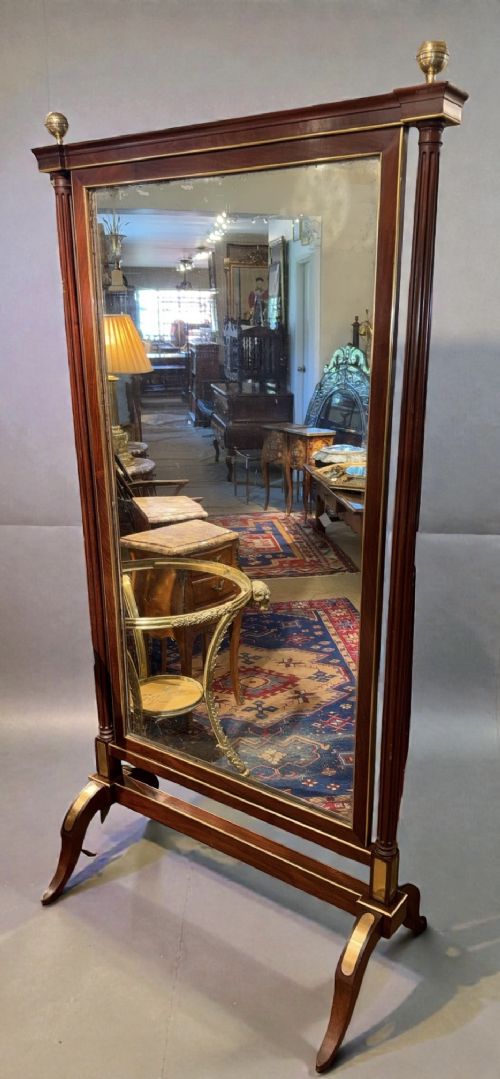
A brass standing mirror serves as a practical dressing or shaving accessory, appearing in table, vanity, and cheval formats across this selection. Buyers frequently encounter Edwardian and Victorian examples alongside French Rococo revival and Empire period designs.
The objects span the nineteenth and early twentieth centuries, reflecting the domestic habits and interior tastes of those eras. Many pieces combine brass frames with timber supports like mahogany or oak, while others stand entirely in metal or gilt bronze.
Materials and technique
Construction relies heavily on cast and sheet brass shaped into frames, stands, and decorative mounts, often paired with bevelled mirror glass. Timber elements in mahogany, walnut, and oak provide sturdy structural support for adjustable swing and cheval mechanisms.
Craftsmen utilised repoussé work, champlevé enamelling, and gilt bronze casting to ornament the metal surfaces, securing mirrors with pivoting pins, screws, and articulated arms.
Brass Standing Mirror Retail Price Guide 2026
Typical asking prices for brass standing mirror among the pieces listed under this phrase on Sellingantiques today, from the lower quarter to the upper quarter. They describe what is for sale here now, not the wider market.
Materials in these listings span solid brass, gilt bronze, mirror glass, mahogany, walnut, oak, and cast iron.
Evaluating craftsmanship
Quality shows in the weight of the brass casting and the crispness of chased or repoussé decoration, where finer pieces display sharp detail rather than soft moulding. The clarity of the mirror plate and the robustness of the adjusting mechanism determine daily usability.
Proportion and the integration of secondary materials, such as polished mahogany frames or cast iron bases, separate standard commercial items from superior workshop production.
Shoolbred and Co·Thomas Rubergall
The Brass Standing Mirror Glossary
- Cheval mirror
- A full-length plate suspended within a frame that tilts on vertical pivots. This form allows the user to view their entire outfit.
- Repoussé
- Metalworking technique where a design is hammered into relief from the reverse side. It creates textured decorative patterns on brass frames.
- Bevelled glass
- Mirror plate with an angled edge ground down around the perimeter. This treatment adds a refined finish to the reflection boundary.
- Champlevé
- Enamelling method where troughs are hollowed out of a metal surface and filled with vitreous paste before firing. It decorates French table mirrors.
- Shaving mirror
- A smaller adjustable glass designed for close personal grooming. These often feature telescopic stands or pivoting tabletop mounts.
Brass Standing Mirror: Frequently Asked Questions
How do I clean an antique brass frame?
Dust the metal gently with a soft dry cloth to remove surface particles without disturbing the aged patina.
Avoid abrasive metal polishes that strip historical finish, using specialist conservation waxes only when necessary.
Where should I place a cheval mirror?
Position the piece in a bedroom or dressing area where natural light from a window can reflect across the room.
Ensure the floor is level so the frame rests securely on its base without straining the pivot hinges.
How do I date a Victorian brass mirror?
Examine the construction of the screw threads, the backing boards, and the mounting brackets for period manufacturing marks.
Stylistic cues like Rococo revival casting or aesthetic movement motifs often point to the latter half of the nineteenth century.