
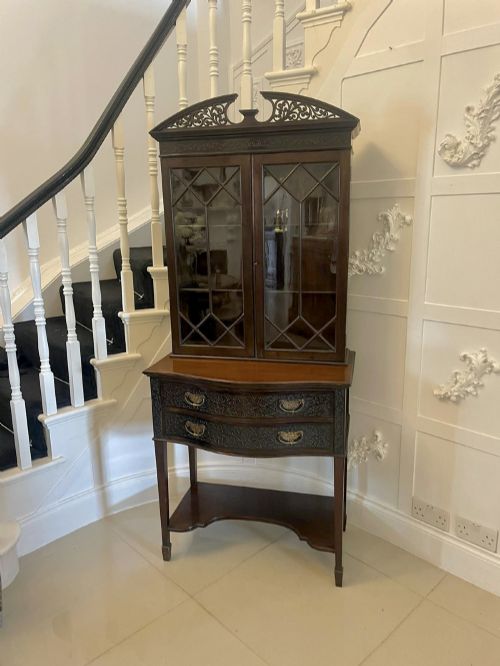
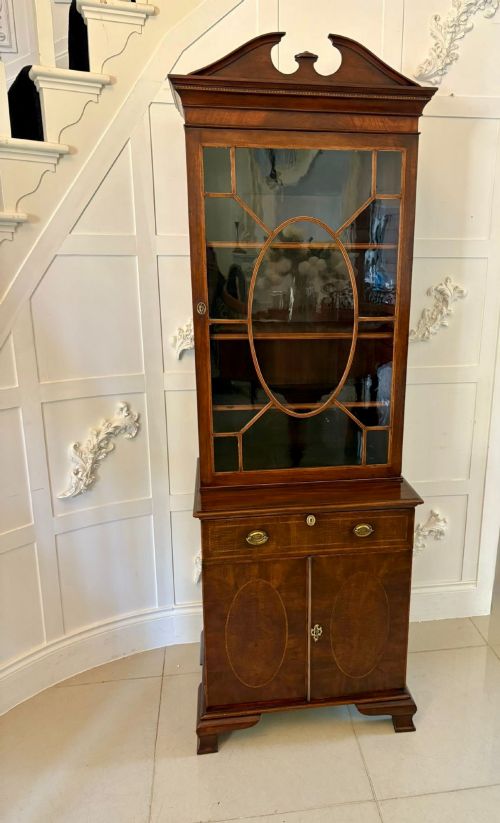
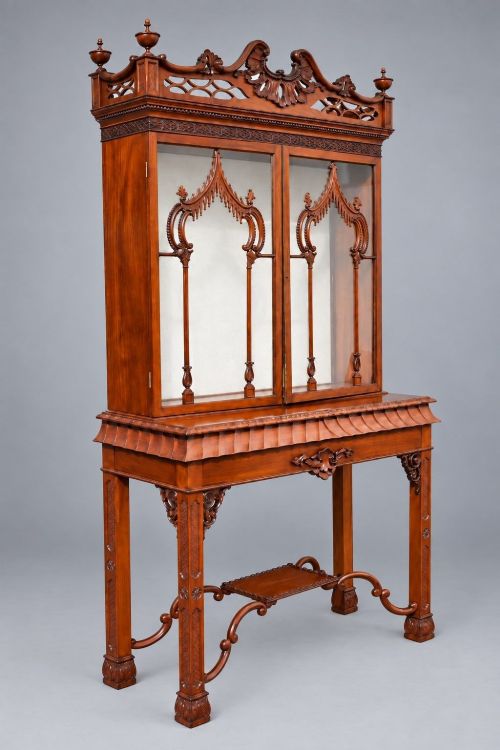
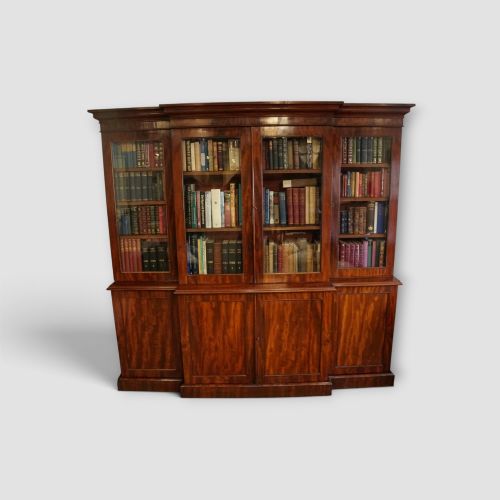
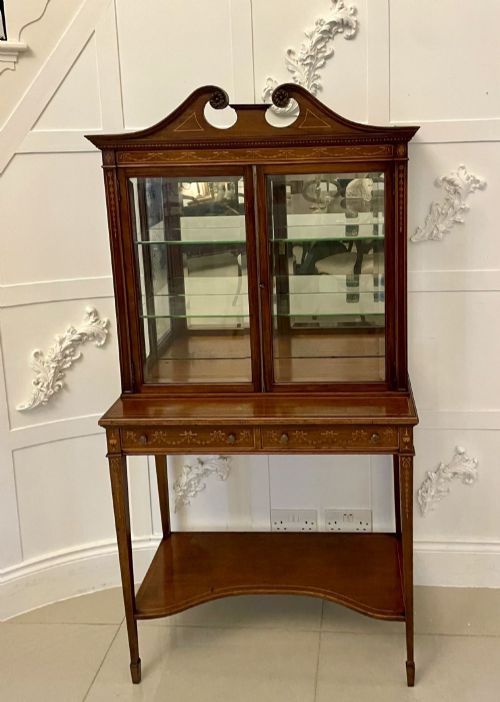
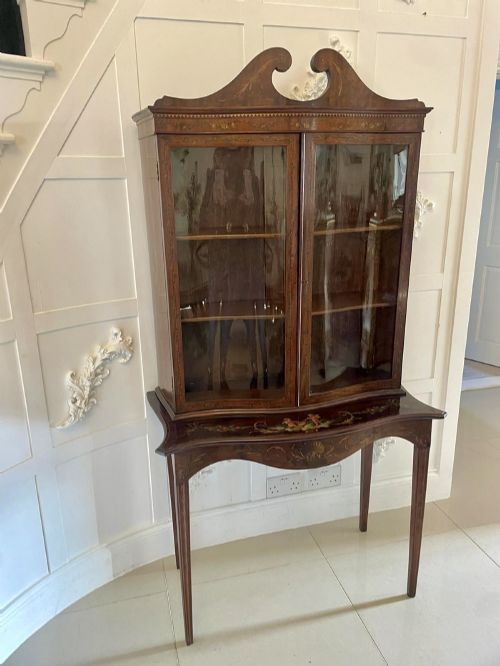
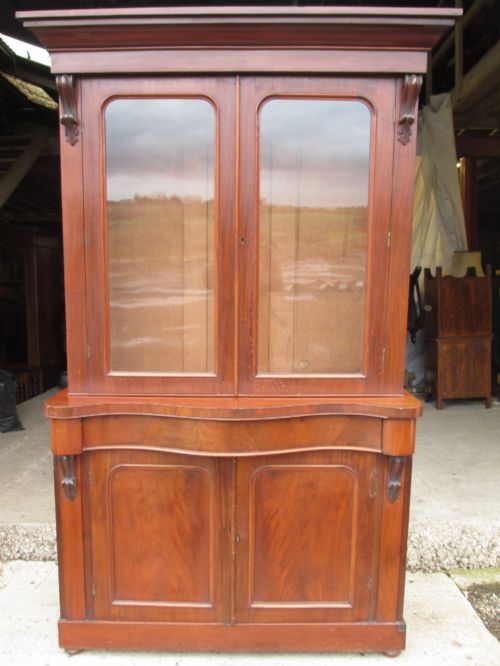
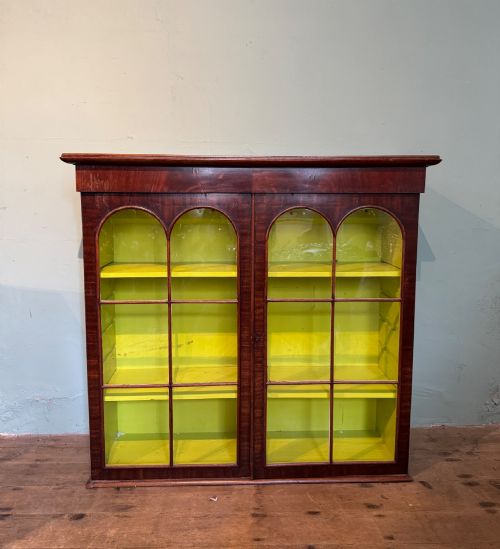
Victorian Mahogany Glazed Cabinet
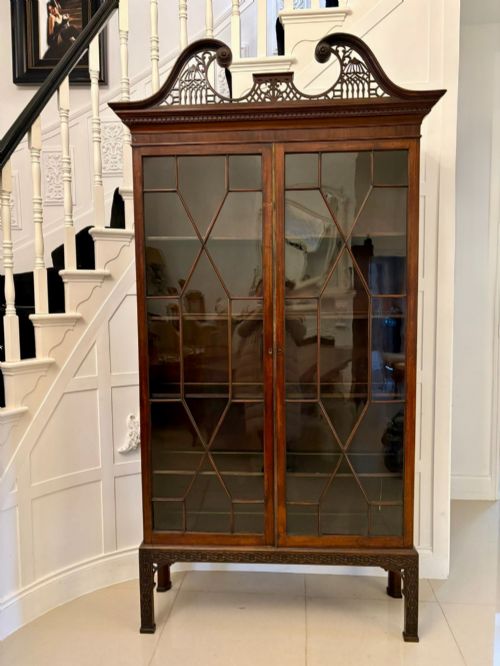
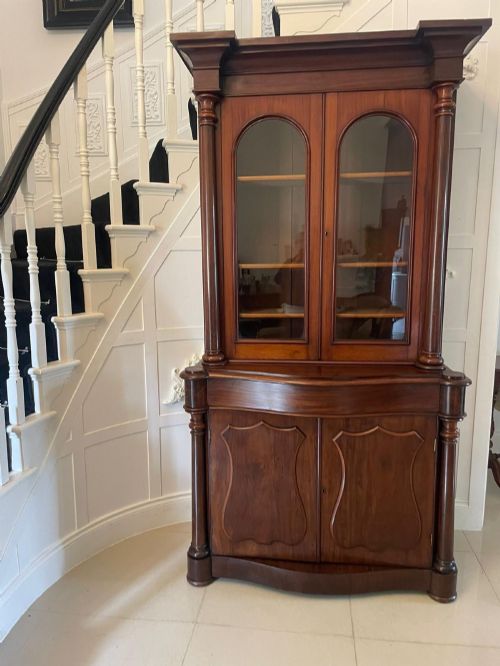
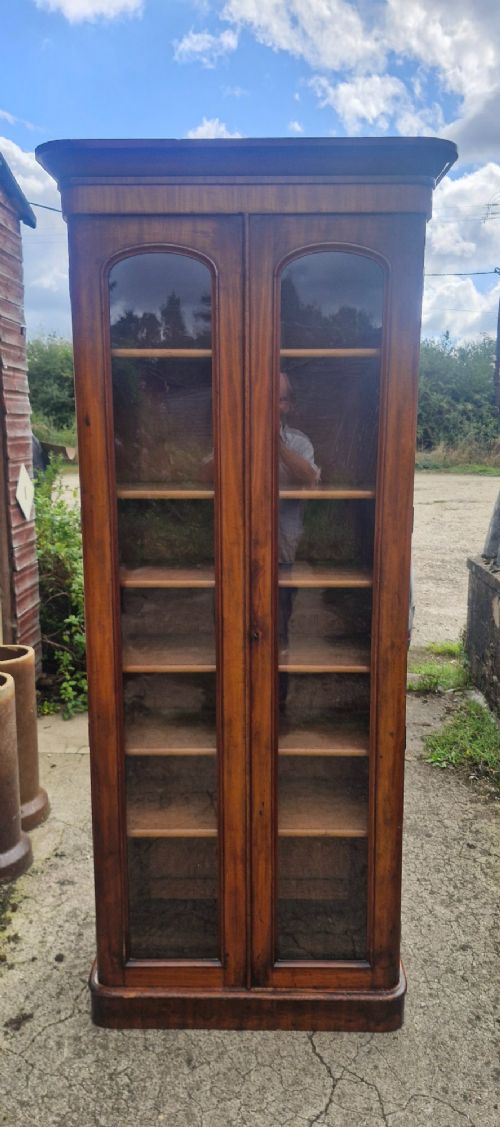
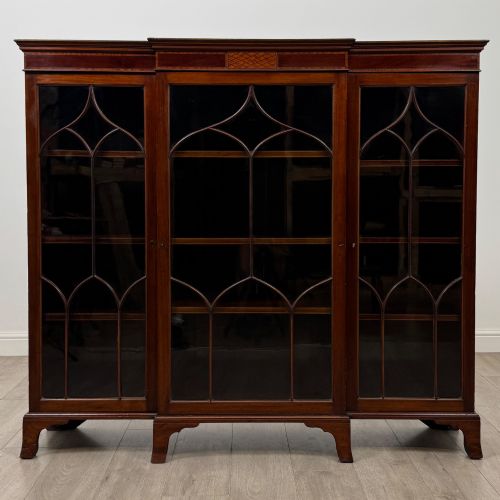
A victorian mahogany glazed cabinet offers refined storage for books and collections, combining rich timber with clear display space.
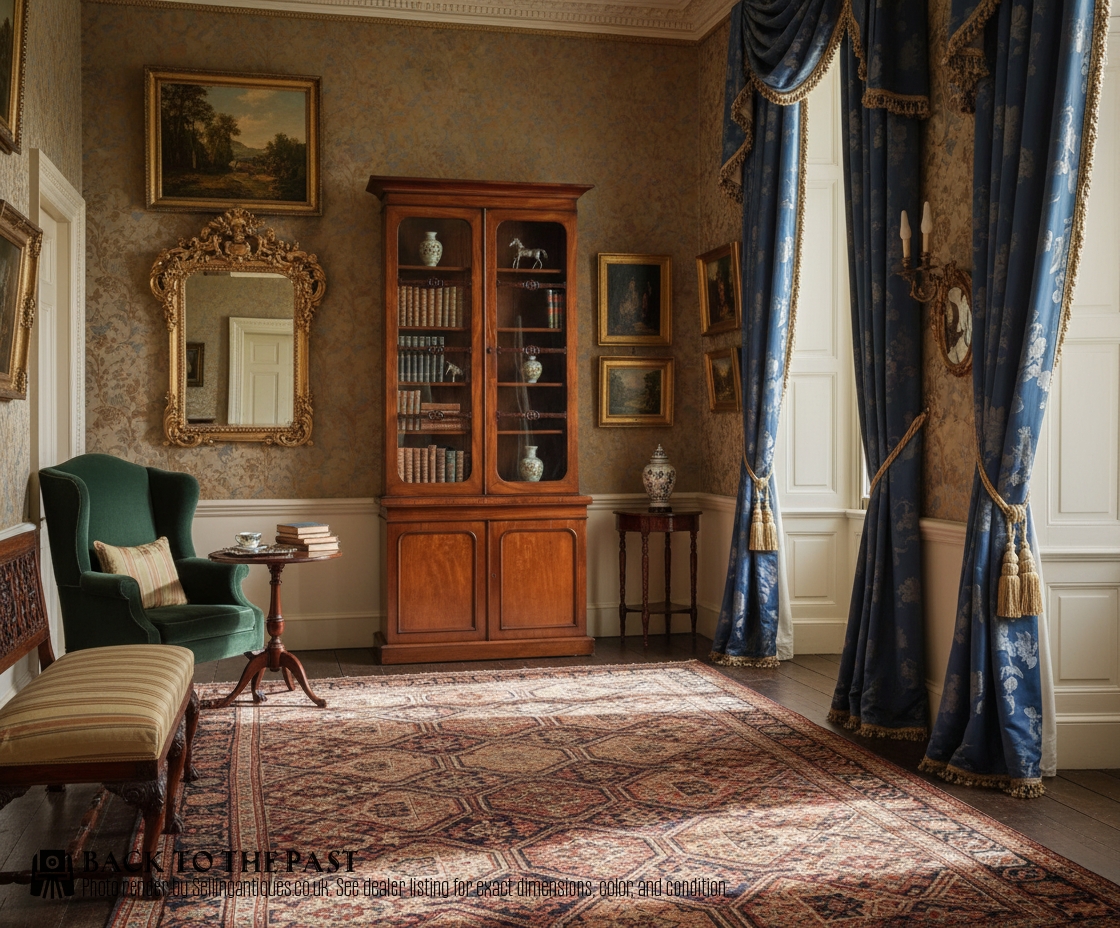
Victorian Mahogany Glazed Cabinet
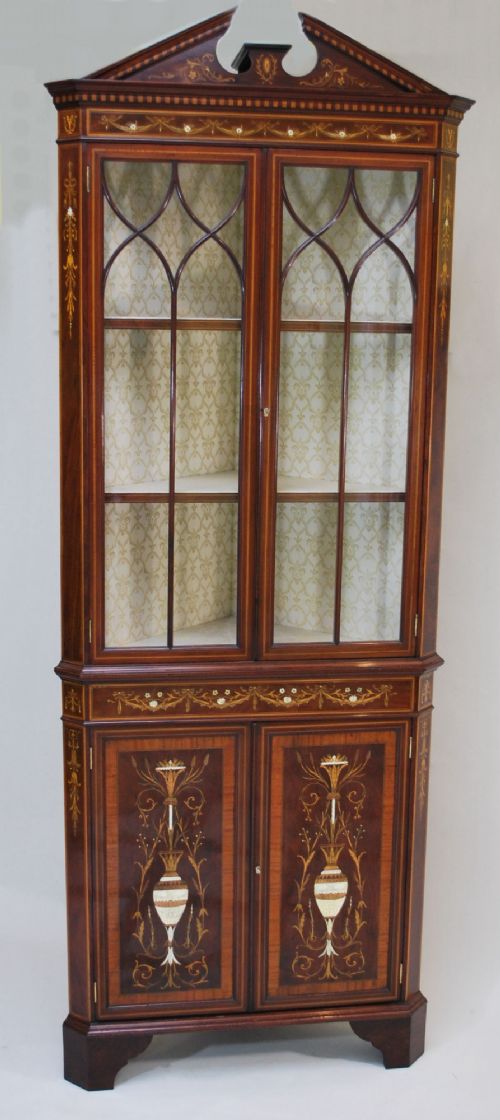
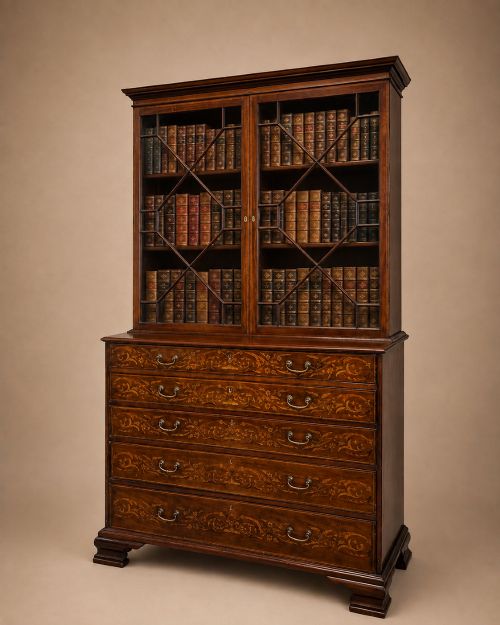
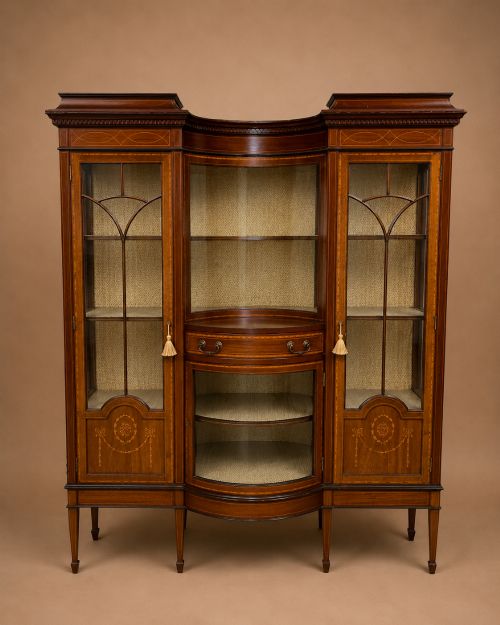
A victorian mahogany glazed cabinet typically takes the form of a bookcase, display piece, or corner unit designed for domestic interiors. These furnishings emerge from the nineteenth century, spanning decades from the mid-Victorian period through to later revival styles.
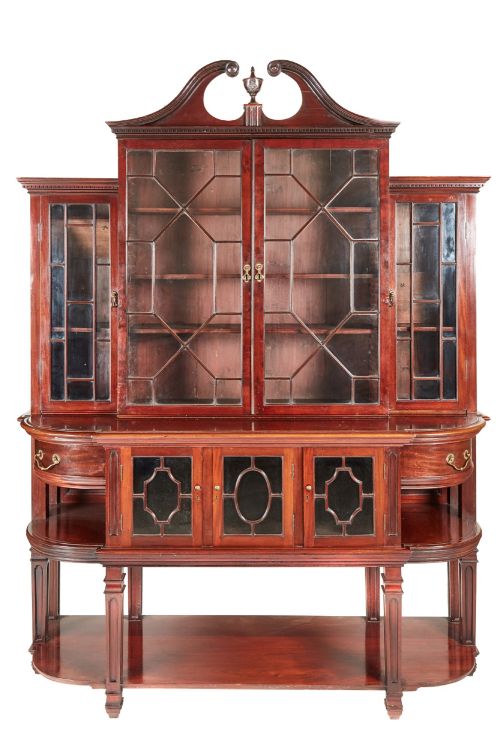
Bookcases and breakfront display units dominate the options met on this page, often featuring adjustable shelving or enclosed lower cupboards. Smaller wall-hanging, table-top, and corner variations also appear frequently across the listings.
The aesthetic draws on varied historic influences, with pieces reflecting Sheraton, Chippendale, and Gothic revivals alongside standard Victorian workshop production.
Materials and Construction
Makers utilised solid and figured mahogany timber, frequently enhanced by flame mahogany veneers and contrasting satinwood inlay. Brass hardware, mirrored backs, and fabric linings complement the glass panes used in the doors.
Glazing techniques include astragal and astral bars arranged in geometric or arched patterns to divide the glass panels. Carved wooden details, marquetry, and painted decoration provide surface enrichment on select examples.
Listings feature mahogany, satinwood, brass, and glass across various forms including bookcases, display cabinets, and corner units.
Judging Quality
Quality rests upon the selection of timber figures, such as flame or figured mahogany, and the precision of the cabinetmaker's joinery. Finer examples display meticulous inlay work, well-proportioned breakfront outlines, and intact original glass.
The integration of decorative elements like hand-carved mouldings, marquetry, and original painted or mirrored details distinguishes standard utility pieces from exceptional workshop output.
Jas Shoolbred·Edwards & Roberts
The Victorian Mahogany Glazed Cabinet Glossary
- Astragal
- Moulding profiles used to hold glass panes within a frame. These bars create a grid pattern across the doors of bookcases and display units.
- Breakfront
- A piece of furniture where the central section projects forward from the flanking sides. This layout adds architectural depth to large cabinets.
- Figured mahogany
- Timber cut to reveal distinctive grain patterns such as flame or fiddleback. It was selected for prominent door panels and drawer fronts.
- Pier cabinet
- A low display piece designed to fit against the wall space between windows. These cabinets often feature glazed doors and inlaid decoration.
- Secretaire
- A cabinet incorporating a pull-out writing drawer with a drop-front desk surface. They combine bookshelf storage with concealed pigeonholes and small drawers.
Victorian Mahogany Glazed Cabinet: Frequently Asked Questions
How do I spot astragal glazing?
Astragal glazing refers to the wooden framework or bars that divide a single large glass opening into smaller individual panes. These bars are typically moulded on the edges and arranged in geometric or arched designs.
This technique provides structural support for the glass while contributing significantly to the decorative style of nineteenth-century display furniture.
Where were corner cabinets used?
Corner cabinets were built to utilise awkward room angles and dead space efficiently in Victorian drawing rooms and dining spaces. Floor-standing and hanging versions both provided secure display areas for glassware and ceramics.
Tall models often combined a glazed upper display door with a solid cupboard base for hidden storage.
What distinguishes figured mahogany?
Figured mahogany describes timber exhibiting natural patterns such as flame, curl, or feathering within the grain. Cabinetmakers reserved these boards for prominent exterior surfaces like door panels and friezes.
The distinct visual movement in the wood comes from the way light reflects off the undulating grain structure.