
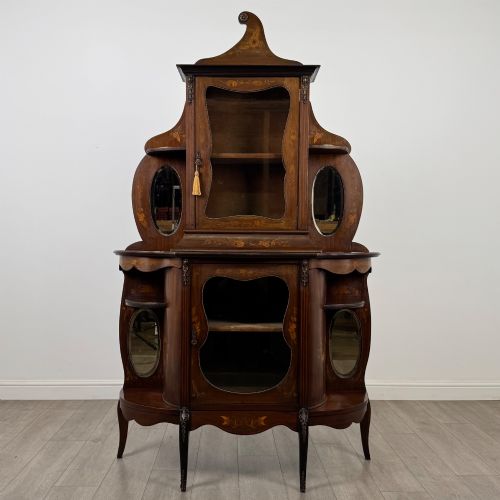
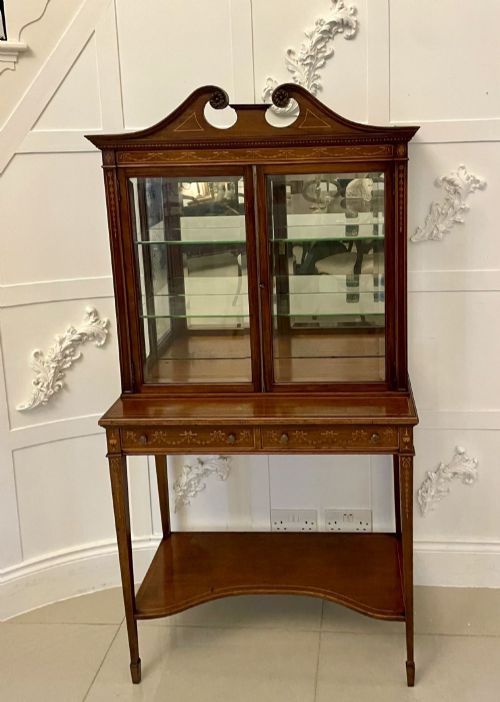
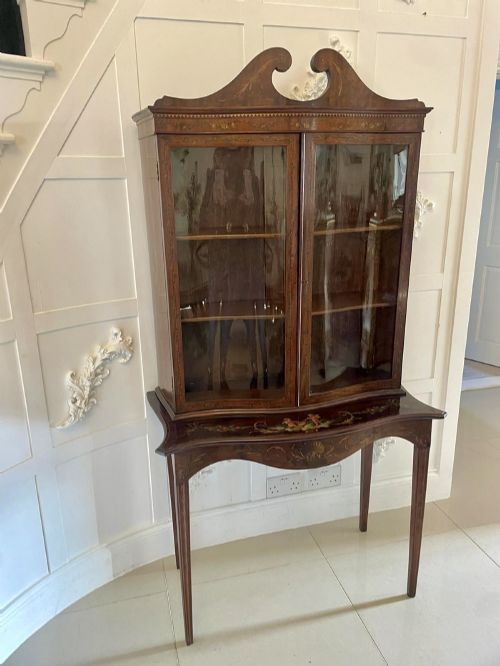
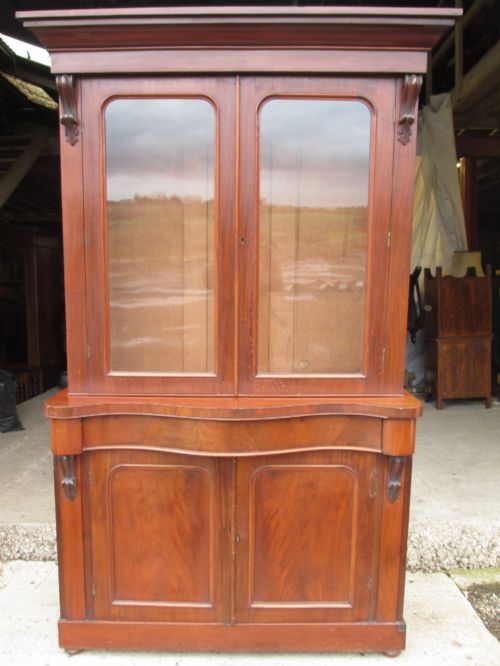
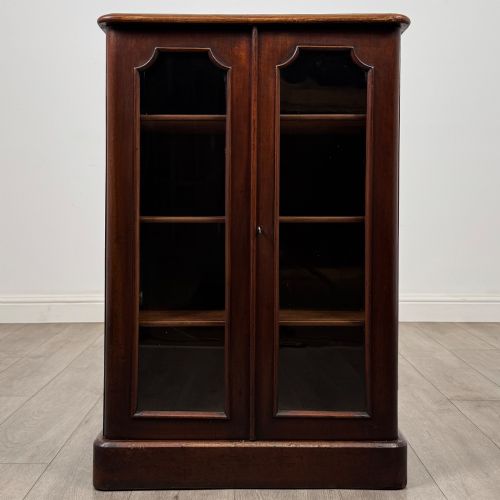
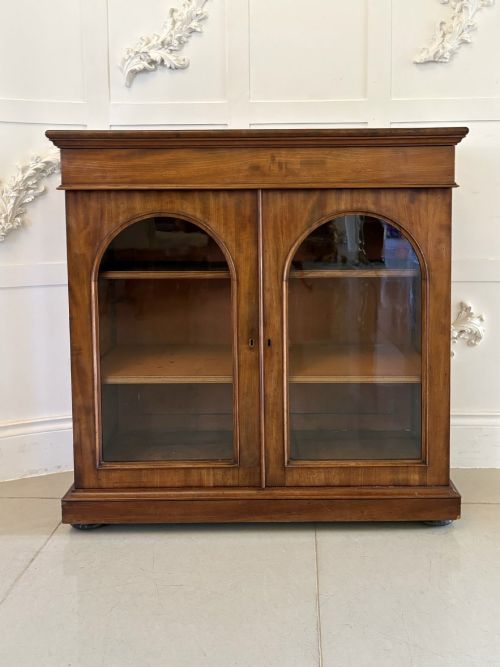
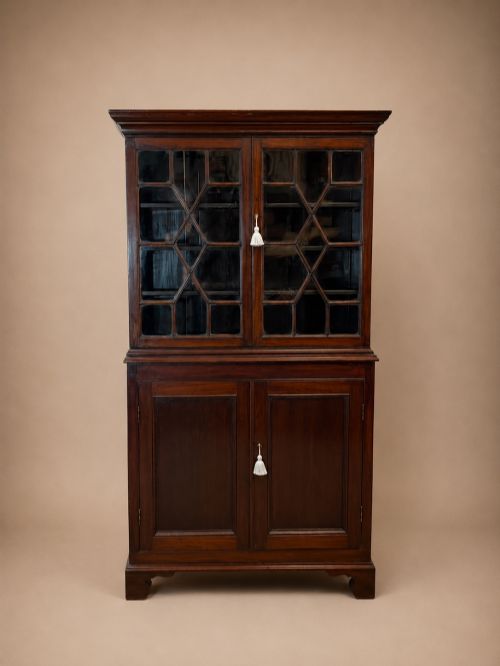
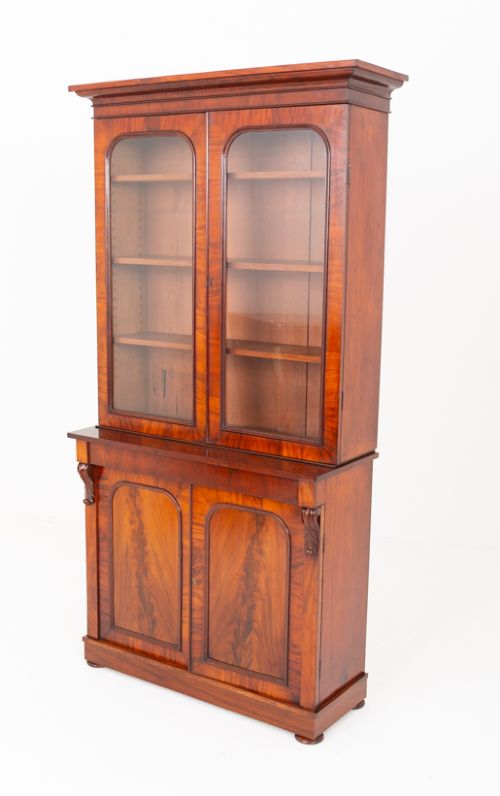
Victorian Mahogany Glass Cabinet
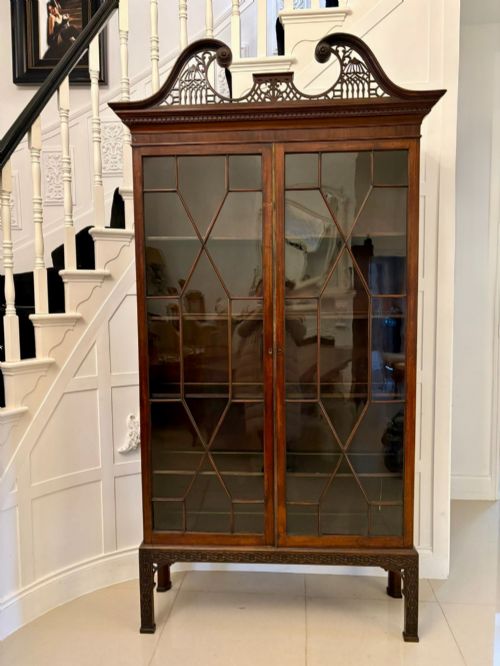
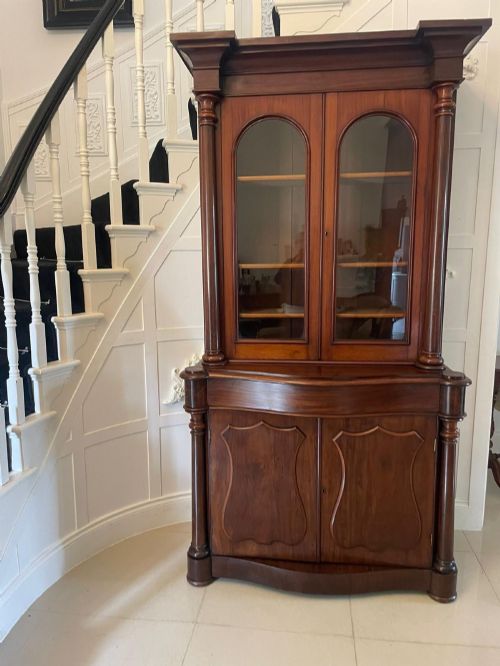
A victorian mahogany glass cabinet combines sturdy timber frames with transparent panes to show off precious books and ornaments.
Victorian Mahogany Glass Cabinet
When you search for a victorian mahogany glass cabinet, you encounter sturdy timber storage units designed to protect and exhibit objects. These pieces span the nineteenth century, including specific dates from the eighteen-fifties through to nineteen hundred, alongside Edwardian examples.
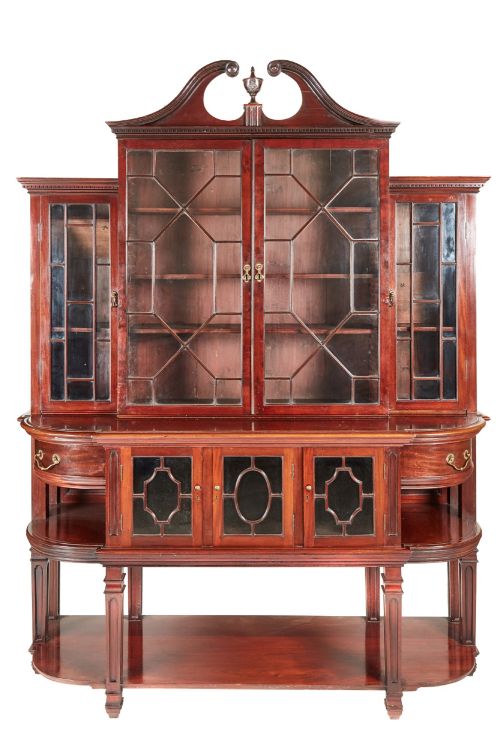
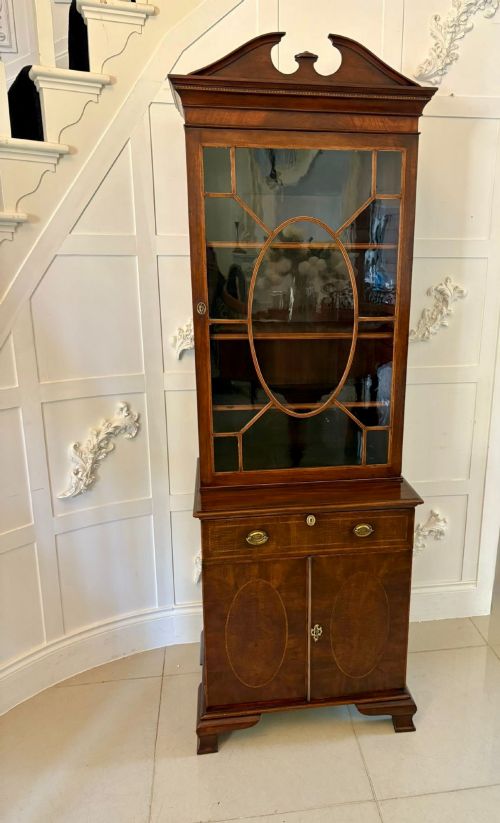
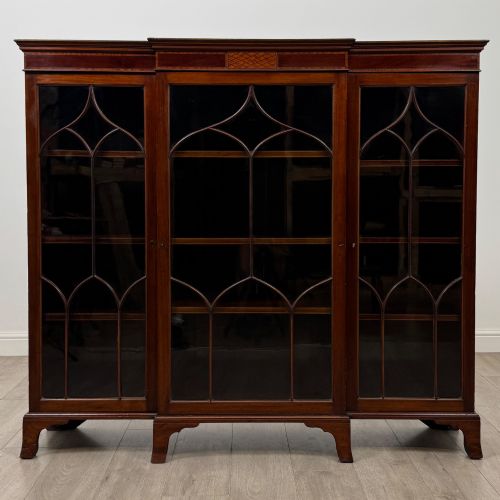
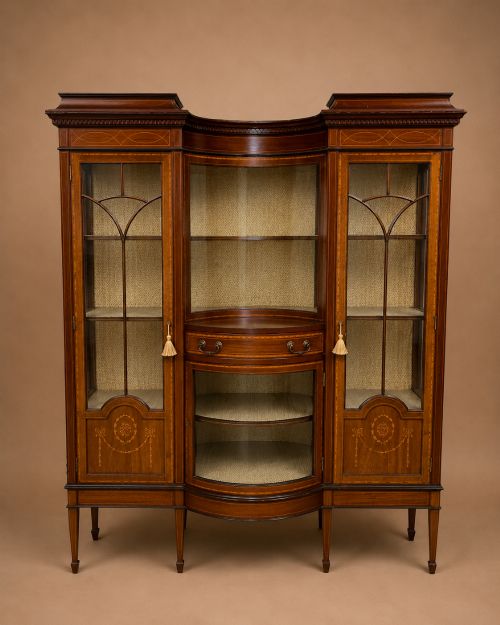
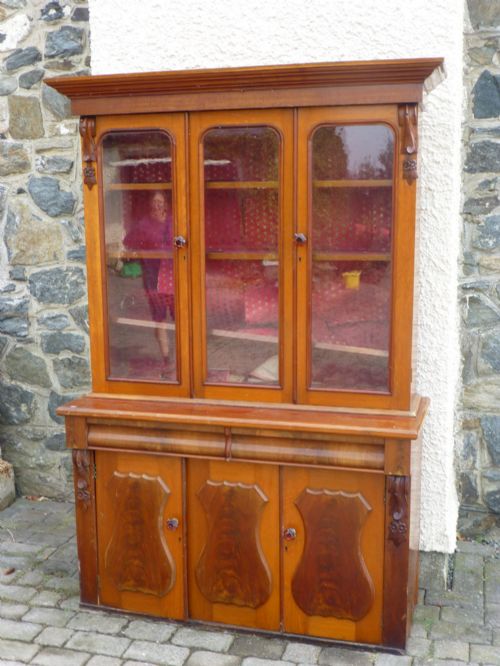
The form appears primarily as bookcases, display cabinets, and library pieces, often featuring glazed upper sections above lower wooden cupboards or drawers. Breakfront configurations, bow-front doors, and slim profiles also emerge frequently across the selection.
Makers and workshops utilised various revival aesthetics, incorporating Sheraton, Chippendale, and Louis styles alongside late Victorian commercial designs and Art Nouveau decorative touches.
Materials and Construction
Makers constructed the primary carcasses from solid and figured mahogany, frequently incorporating secondary timbers like oak and adding delicate satinwood inlay work.
Glazing takes the form of astral or standard glass panels fitted into wooden doors, accompanied by internal glass shelves, mirrored backs, and brass hardware.
Surface ornamentation relies on carved wooden details, painted decoration, marquetry, and parquetry rather than applied synthetic finishes.
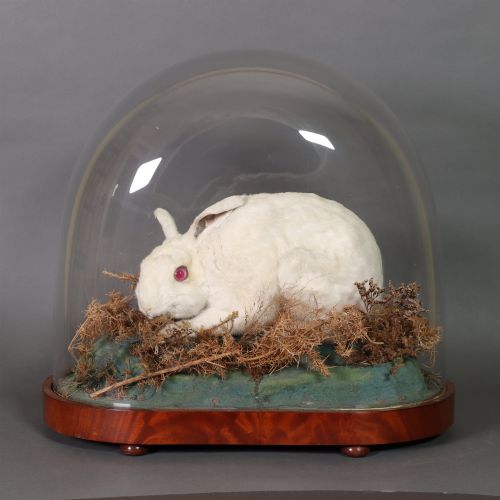
One recorded Victorian display piece houses an albino rabbit prepared by the official taxidermist to the Queen of England.
Craftsmanship and Proportion
Superior examples demonstrate meticulous timber selection, exhibiting highly figured mahogany grain patterns and precise marquetry or inlay work rather than plain surfaces.
Structural refinement distinguishes finer pieces through balanced proportions, such as breakfront facades and well-executed carved mouldings, paired with original glass and hardware.
James Gardner·Jas Shoolbred·Edwards and Roberts·James Winter and Sons
The Victorian Mahogany Glass Cabinet Glossary
- Astragals
- The narrow wooden or metal bars that hold the individual panes of glass within a glazed door or window. They form geometric patterns across the cabinet front.
- Breakfront
- A piece of furniture where the central section projects forward from the flanking outer sections. This architectural feature creates depth and shadow.
- Bijouterie table
- A glass-topped display table specifically designed for showing small valuable objects and jewellery. These pieces often feature hinged lids and velvet linings.
- Tantalus
- A locked wooden stand holding decanters, designed to display the contents while preventing unauthorized access to the liquor. They typically incorporate brass locking mechanisms.
- Inlay
- A technique where pieces of contrasting wood, such as satinwood, are inserted into recessed cavities in the mahogany surface to create decorative patterns.
Victorian Mahogany Glass Cabinet: Frequently Asked Questions
What is a victorian mahogany glass cabinet used for?
These pieces served primarily to store and display valuable books, collections, and decorative objects while protecting them from dust.
Today, they fulfil the same function in domestic settings, offering visible storage for porcelain, glassware, and library collections.
How do I identify the age of these cabinets?
Dating relies on stylistic clues, construction methods, and recorded production periods spanning from the mid-nineteenth century into the Edwardian era.
Details such as inlay styles, hardware types, and specific revival movements help narrow down the decade of manufacture.
Can the shelves be adjusted?
Many examples feature internal shelving systems, and certain commercial or shop display variants specifically incorporate adjustable glass shelves.
Traditional library bookcases often utilise fixed wooden supports or slot-in adjustable brackets.
Are these cabinets purely for books?
While many were built as libraries and bookcases, the category includes specialised display cabinets, bijouterie tables, chiffoniers, and retail showcases.
Makers also adapted the form for commercial settings and taxidermy display.