


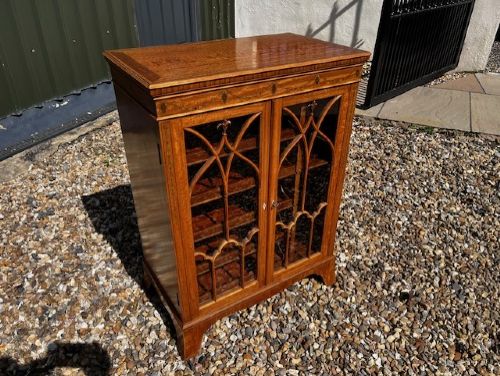


Edwardian Specimen Cabinet
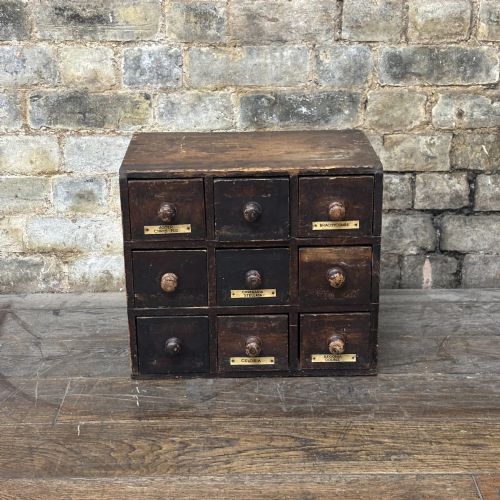
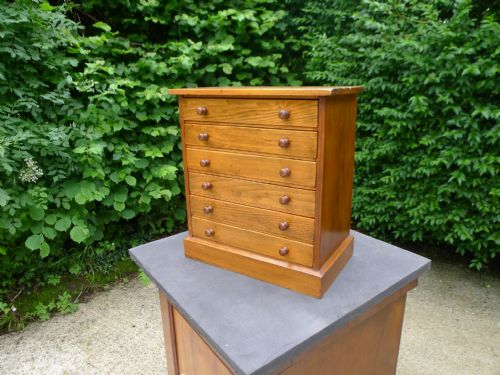
An edwardian specimen cabinet is a dedicated piece built to house natural history items and curiosities, offering structured storage that collectors prize today.
Edwardian Specimen Cabinet
The edwardian specimen cabinet brings order to collections of natural history, from butterflies to botanical finds, utilising multi-drawer chests and glazed enclosures.
Most examples appearing here stem from the turn of the twentieth century, bridging late Victorian massed storage and cleaner early twentieth century lines.
Forms vary from table-top display cases and small tabletop chests to massive multi-drawer oak, mahogany, and walnut architectural units.
Materials and construction
Cabinet makers built these pieces using dense hardwoods like mahogany and walnut alongside native oak, pine, and satinwood, often accentuating the grain with French polish.
Glazed doors utilise clear glass panes to protect delicate contents from dust while allowing inspection, paired with brass handles, hinges, and functioning locks.
Some Edwardian specimen chests secretly doubled as smoking pipe cabinets, hiding tobacco storage behind innocent scientific drawers.
What separates the grades
Superior examples reveal themselves through dense timber selection, such as figured mahogany or burr walnut, joined with tight dovetails across numerous flush-fitting drawers.
Lesser pieces rely on secondary timbers like stained deal or pine, featuring simpler construction and plainer hardware that lacks the finish of workshop-made creations.
Brady of Edmonton·James Gardner of London
The Edwardian Specimen Cabinet Glossary
- Specimen cabinet
- A multi-drawer chest or glazed case specifically designed to store and display natural history collections or scientific items.
- Dovetail
- A traditional interlocking corner joint used by cabinet makers to secure drawer sides with high structural strength.
- Burr walnut
- A decorative wood veneer harvested from the gnarled growth knots of a walnut tree, yielding complex swirling grain patterns.
- Bijouterie case
- A glazed display table or cabinet originally intended for small valuable items, jewellery, or natural curiosities.
- Deal
- A historical term for softwoods like pine or fir used widely in secondary framing and utilitarian cabinet construction.
Edwardian Specimen Cabinet: Frequently Asked Questions
What did people store in a specimen cabinet?
These cabinets housed scientific collections, including lepidoptera, bird eggs, shells, botanical samples, and geological specimens gathered by Victorian and Edwardian naturalists.
Each shallow drawer kept fragile items separated, organised, and safe from handling damage.
How do I distinguish an Edwardian cabinet from a Victorian one?
Edwardian examples tend to show slightly lighter timber tones, cleaner lines, and less heavy carved ornamentation than their mid to late Victorian predecessors.
Construction methods also shift subtly towards simpler Arts and Crafts influences or early utilitarian designs around the turn of the century.
Are the glass panels original?
Many cabinets retain their original mouth-blown or early sheet glass panes, which often display tiny surface bubbles and minor distortion.
Replacement glass appears clearer and lacks these historic manufacturing traits when inspected under angled light.
How should I clean the wood finish?
Maintain the polished timber surfaces using a microfibre cloth and traditional beeswax to nourish the grain without building up heavy chemical layers.
Avoid modern liquid polishes containing silicone, which can penetrate hairline cracks in aged finishes and damage the wood over time.