

Antique Apothecary Drawers
Antique apothecary drawers are multi-compartment storage units originally used by chemists and herbalists, prized by collectors for their exceptional compartmentalisation and industrial utility.
Antique Apothecary Drawers
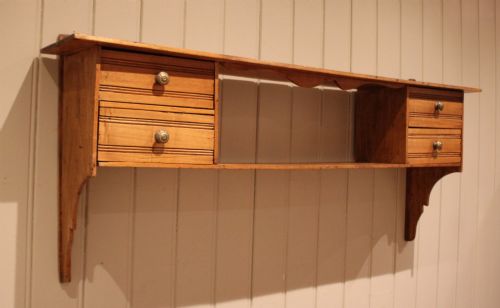
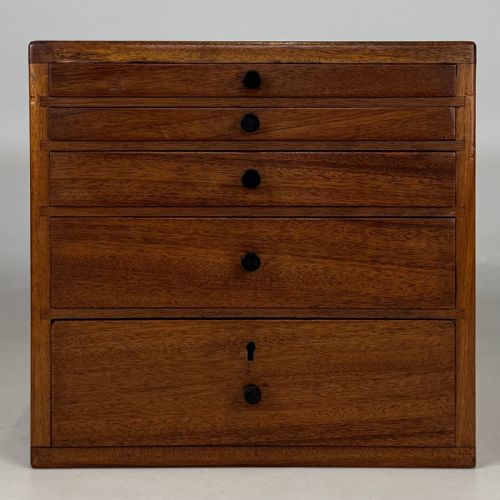
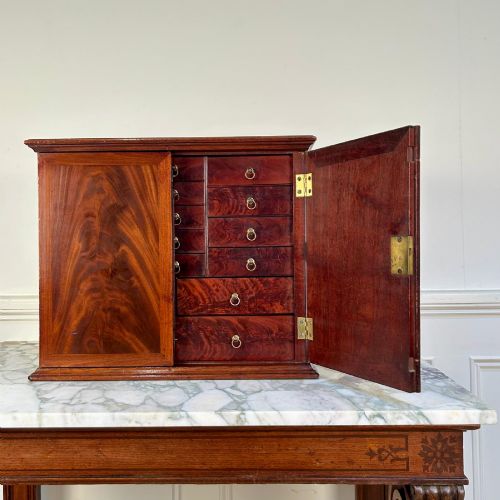
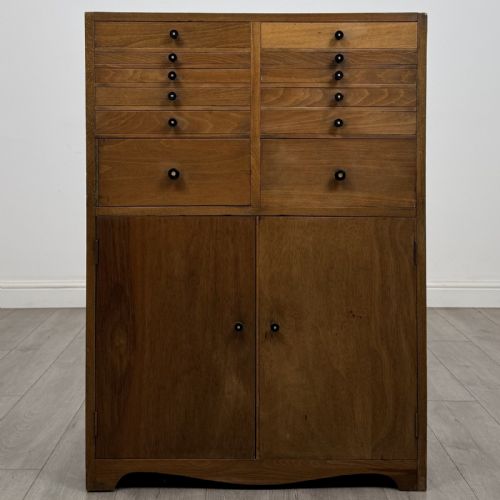
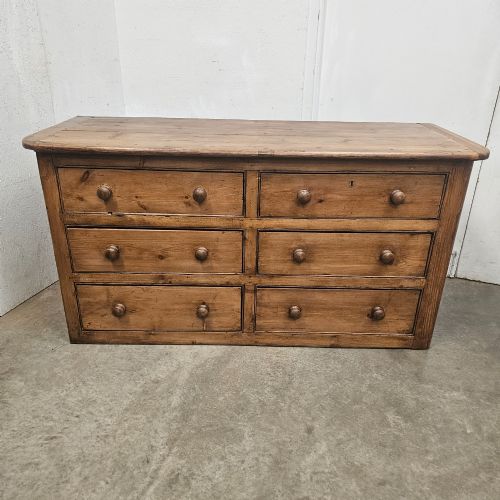
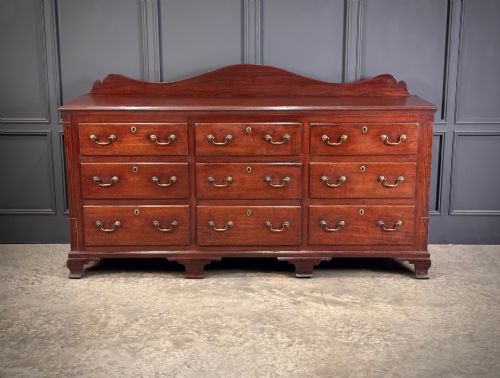
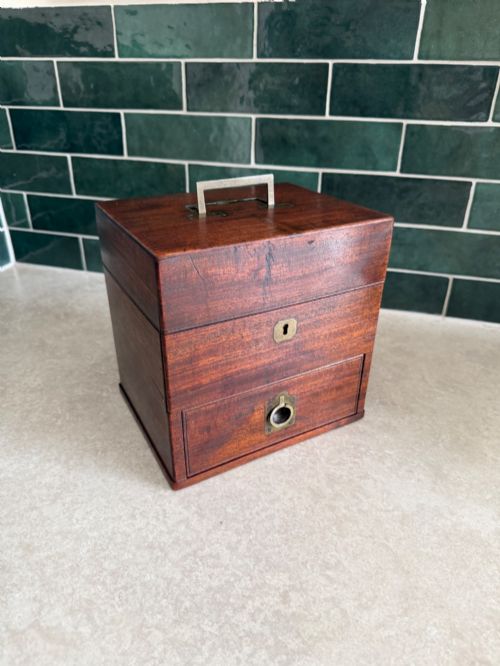
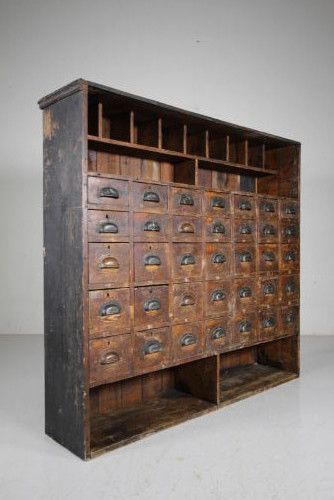
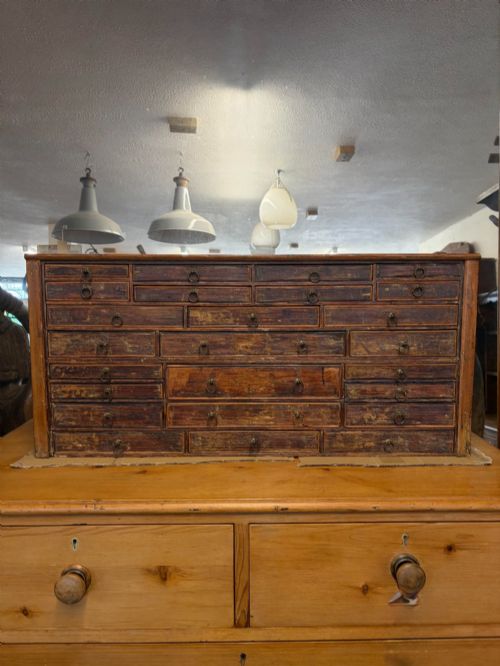
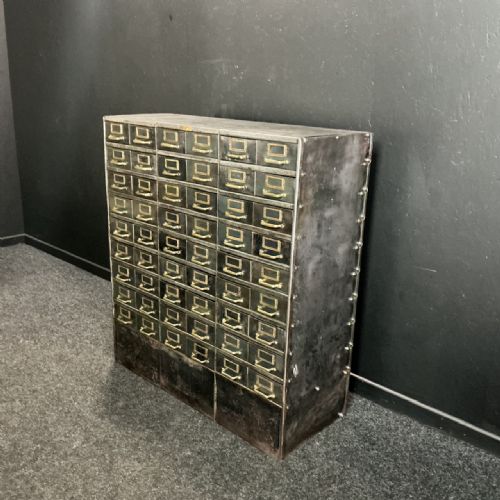
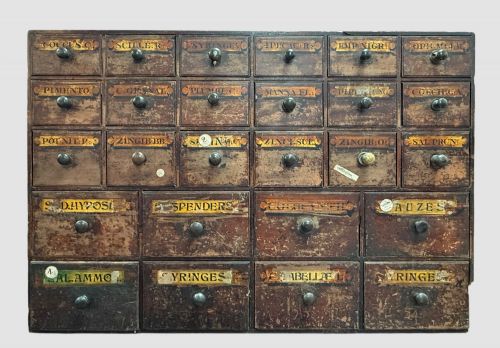
When searching for antique apothecary drawers, buyers encounter substantial banks of small compartments designed to organise medicinal ingredients, botanicals, and powders. These pieces range from modest portable travelling cases containing glass bottles to massive multi-drawer shop fittings originating from chemist establishments.
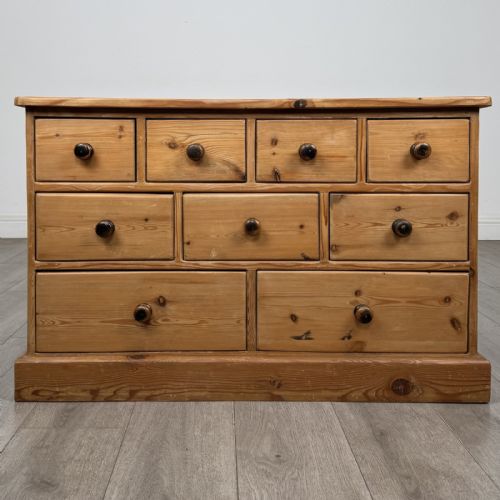
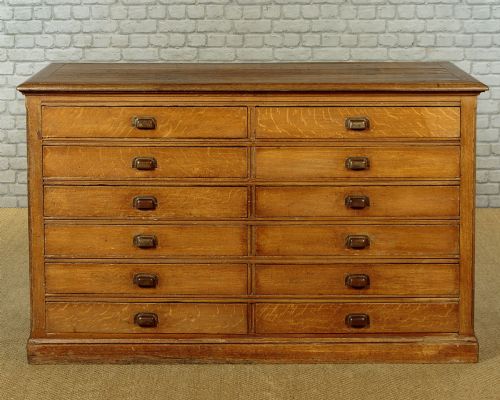
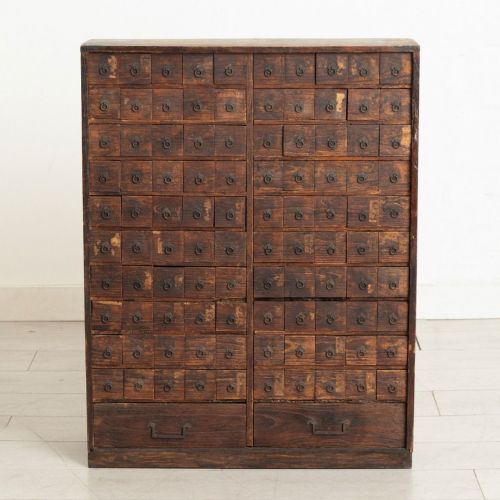
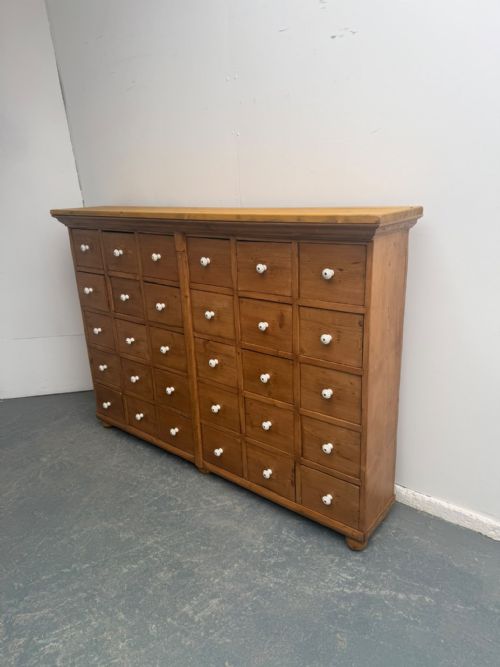
The most common examples on this page are nineteenth-century pine and mahogany banks of drawers, alongside larger Victorian shop counters and oriental medicine cabinets featuring numerous small pigeonholes. Specimens span Georgian, Victorian, and Edwardian eras, incorporating regional variations from English trade workshops to Chinese elm provincial cabinets.
Beyond traditional chemist storage, related forms include seed chests, spice drawers, and filing cabinets sharing the same modular multi-drawer DNA. Collectors select these items for functional household organisation as much as for their historic pharmacy provenance.
Materials and construction methods
Traditional construction relies heavily on dense hardwoods like mahogany and oak for grander Georgian and Victorian pieces, whilst everyday utility shop fittings and spice drawers utilise pine, deal, or fruitwood. Cabinet makers joined carcass frames using robust dovetail joints to withstand the heavy daily push and pull of dozens of small drawers.
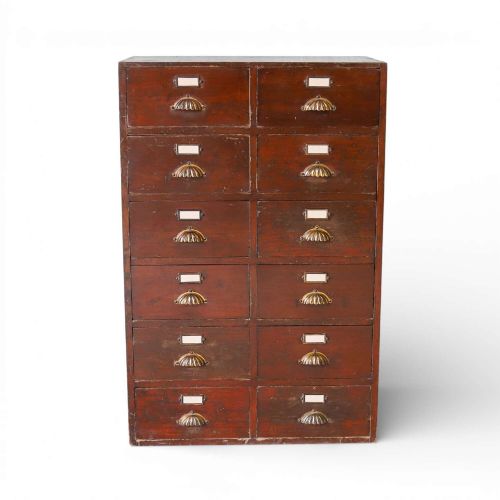
Hardware details define the functional integrity of these pieces, employing cast brass pull handles, iron label holders, and turned wooden knobs to identify contents. Many vernacular pieces retain their original painted surfaces, ranging from cream and white to green hues applied during their working life in apothecary shops.
Antique Apothecary Drawers Retail Price Guide 2026
Typical asking prices for apothecary drawers among the pieces listed under this phrase on Sellingantiques today, from the lower quarter to the upper quarter. They describe what is for sale here now, not the wider market.
Some nineteenth-century apothecary chests still retain tiny aromatic traces of dried roots, pulverized bark, and forgotten herbal powders.
Assessing quality and authenticity
Quality in these multi-drawer units rests upon the integrity of the original hardware, such as surviving brass shell pulls, bone label inserts, and matching numbers on the drawer bases. Pieces that retain their original painted finishes or untouched patinated timber surfaces command greater interest than those stripped down and heavily restored.
Proportion and scale dictate the upper tier of the market, where symmetrical banks of twenty or more drawers maintain smooth sliding action despite seasonal wood movement. The presence of internal maker stamps, original apothecary glass bottles, or documented provincial provenance elevates a standard storage chest into a museum-grade specimen.
Luxmore s of Ilfracombe·D Napier and Sons
The Antique Apothecary Drawers Glossary
- Bank of drawers
- A large, multi-drawer housing unit designed for commercial or institutional storage. These tall configurations typically feature dozens of uniform small compartments.
- Deal
- An older timber trade term for softwoods like fir or pine. It was frequently utilised for regional nineteenth-century shop fittings and utilitarian cabinetry.
- Shell pull
- A pressed metal or brass handle shaped like a semi-circular shell, often incorporating a small frame for paper labels. These fixtures allowed apothecary staff to index drawer contents swiftly.
- Specimen cabinet
- A specialised storage chest built to house natural history collections, minerals, or small artefacts. They share similar shallow drawer depths with apothecary furniture.
- Shop fitting
- Permanent or semi-permanent commercial cabinetry constructed for retail premises. Victorian examples include large multi-drawer apothecary counters and chemist back-framing.
Antique Apothecary Drawers: Frequently Asked Questions
What were antique apothecary drawers used for?
Apothecary drawers served as functional storage systems in chemists, pharmacies, and dispensaries to organise dried herbs, mineral compounds, powders, and pills. Each small compartment held specific ingredients required for compounding medical prescriptions.
Over time, similar multi-drawer formats were adopted by seed merchants, spice traders, and collectors who needed systematic ways to sort small items without mixing them.
How do I date an apothecary cabinet?
Dating relies on examining construction materials, timber types, and hardware fixtures. Georgian examples typically feature fine mahogany or oak with hand-cut dovetails, while Victorian pieces often use pine, stained deal, or heavier brass pull handles.
Later Edwardian and early twentieth-century pieces incorporate standardised iron label holders and machine-cut elements, reflecting the industrial production methods of the period.
Are original painted finishes common?
Original painted surfaces do appear, particularly on nineteenth-century shop fittings and vernacular pine pieces from regional workshops. These surfaces often show layers of historic cream, white, or green paint accumulated during active commercial use.
Finding a piece in its untouched paint layer is valued by collectors who prefer authentic working patination over stripped and polished timber.
How can I style these drawers at home?
Their numerous small compartments make these cabinets practical for organising modern items such as stationery, craft supplies, jewellery, or kitchen spices. Placing a large bank of drawers against a plain wall allows the modular grid pattern to become a focal point in a study or living space.
Smaller spice chests and travelling cases sit well on tabletops, sideboards, or open shelving units without overwhelming room proportions.