


Multi Drawer Storage Chest
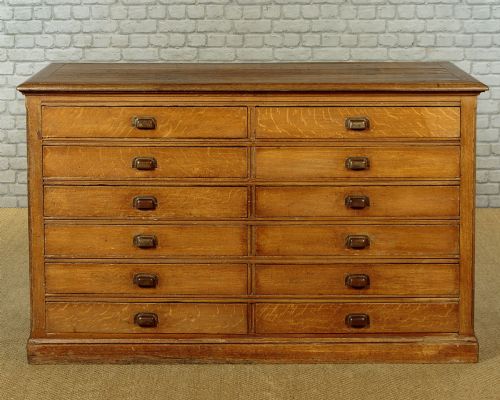
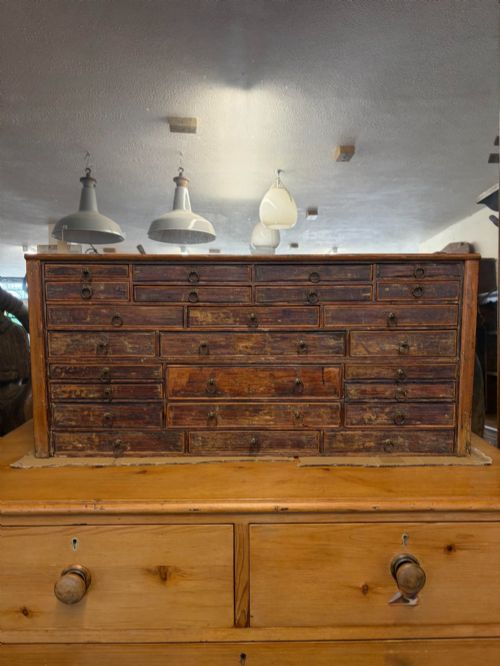
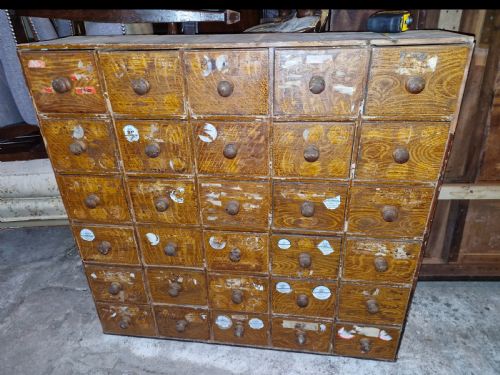
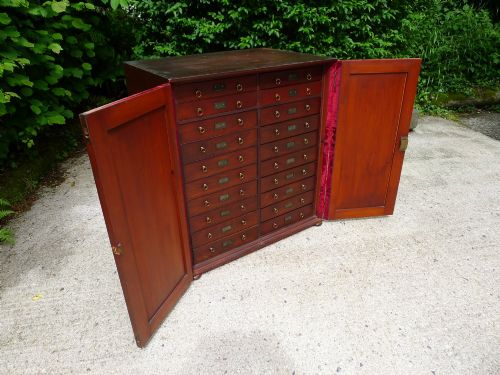
A multi drawer storage chest organises small items neatly, appearing here in pine, oak, and mahogany across the nineteenth and early twentieth centuries.
Multi Drawer Storage Chest
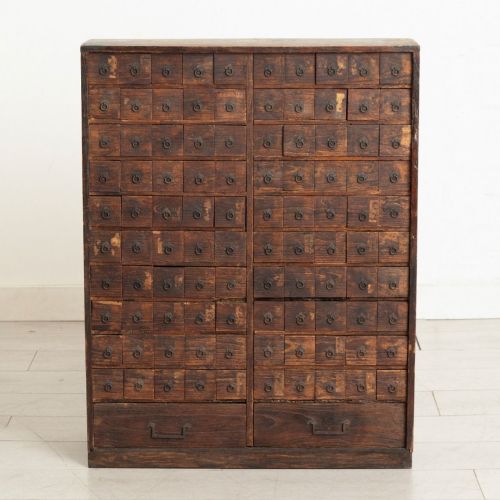
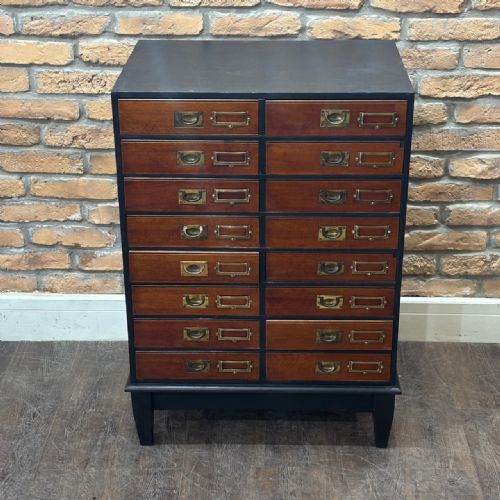
A multi drawer storage chest brings together banks of small compartments designed for practical utility in shops, offices, and surgeries. These pieces take the form of apothecary cabinets, filing cabinets, and tradesman shop fittings with numerous small drawers.
Most examples found here date from the nineteenth and early twentieth centuries, spanning Victorian, Edwardian, and industrial styles. Buyers frequently encounter pine and oak workshop banks alongside mahogany filing cabinets and painted storage chests.
Originating from British, French, Chinese, and Japanese workshops, these chests serve modern interiors as functional storage units for collections, stationery, or kitchen items.
How they were made
Construction relies heavily on sturdy timbers such as pine, oak, mahogany, and deal, selected for daily utility in commercial or domestic settings. Tradesmen built these cabinets to withstand constant use, employing durable dovetail joints for the numerous small drawers.
Hardware consists of brass handles, iron pulls, and metal card holders affixed to individual drawer fronts for organisation. Finishes vary from original painted surfaces and wax polish to stained deal and lacquered wood.
One exceptional office cabinet contains sixty-six individual drawers, offering endless possibilities for tidying away tiny treasures.
What varies in quality
Quality rests on the integrity of the timber framing and the uniform construction of the numerous drawers. Pieces retaining their original brass hardware, maker labels, and painted finishes command greater interest than heavily altered examples.
The scale and complexity of the internal configuration set finer collector cabinets and jewellers chests apart from standard office filing units. Finer items display sophisticated secondary timbers and careful cabinetmaking beneath utilitarian exteriors.
Luxmore's of Ilfracombe
The Multi Drawer Storage Chest Glossary
- Bank of drawers
- A housing unit containing multiple small drawers stacked vertically or horizontally, commonly used in shops and offices for sorting goods.
- Apothecary chest
- A traditional cabinet featuring numerous small compartments originally intended for storing medicinal herbs, powders, and remedies.
- Deal
- A softwood timber derived from pine or fir, frequently utilised in nineteenth-century utilitarian furniture and shop fittings.
- Shop fitting
- Furniture and fixtures built specifically for commercial retail environments, often designed for heavy daily trade use.
Multi Drawer Storage Chest: Frequently Asked Questions
Where were multi drawer storage chests used?
These cabinets served primarily in commercial, medical, and administrative settings where organisation of small items was essential. Apothecaries, dentists, ironmongers, and offices utilised banks of drawers to sort stock, records, and instruments efficiently.
Today, these versatile pieces move easily into domestic interiors, functioning as kitchen larders, craft storage, or hallway organizers.
How do I clean a painted pine chest?
Painted surfaces benefit from gentle dusting with a dry microfibre cloth and occasional cleaning with a damp cloth using mild soap. Avoid harsh chemical cleaners that can strip original nineteenth-century paintwork or aged wax finishes.
Applying a traditional beeswax helps nourish exposed pine timbers while preserving the historic character of the piece.
Are these cabinets suitable for modern homes?
The compact footprint and numerous small compartments make these chests exceptionally practical for contemporary living spaces. They fit well in studies, kitchens, and bedrooms for storing stationery, jewellery, or accessories.
Their robust construction ensures they handle daily use just as effectively as they did in past centuries.
How can I tell a Victorian chest from a later one?
Nineteenth-century examples often feature hand-cut dovetails, solid secondary timbers, and heavier brass or iron hardware suited to trade use. Later pieces from the early twentieth century may incorporate simpler mechanical filing systems or machine-cut components.
Examining the drawer linings and backboards provides clues regarding the period of manufacture and workshop origin.