




Vintage Japanese Furniture
Vintage japanese furniture brings together keyaki wood, tansu chests and intricate lacquerwork for interiors that require genuine character and history.
Vintage Japanese Furniture
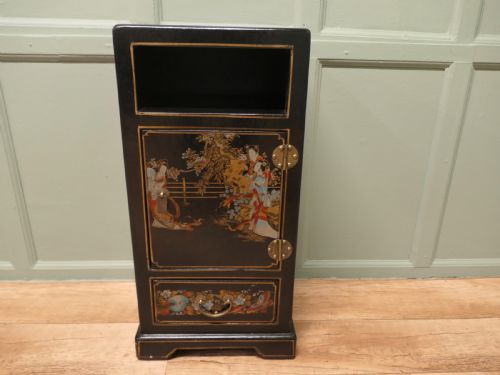
When you search for vintage japanese furniture, you encounter practical storage pieces, low tables and decorative accessories spanning the nineteenth century through to the nineteen-thirties. The selection includes traditional tansu chests built for merchants alongside pieces produced under Victorian and Edwardian aesthetic movements.
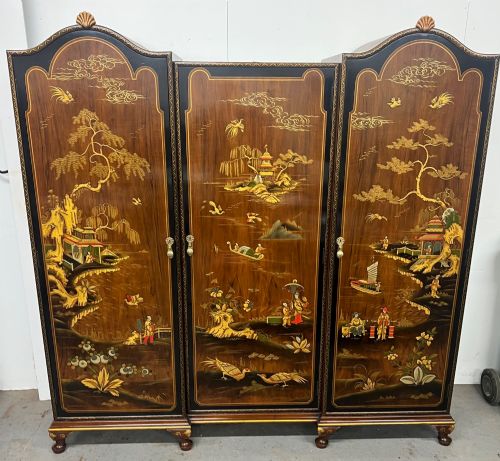
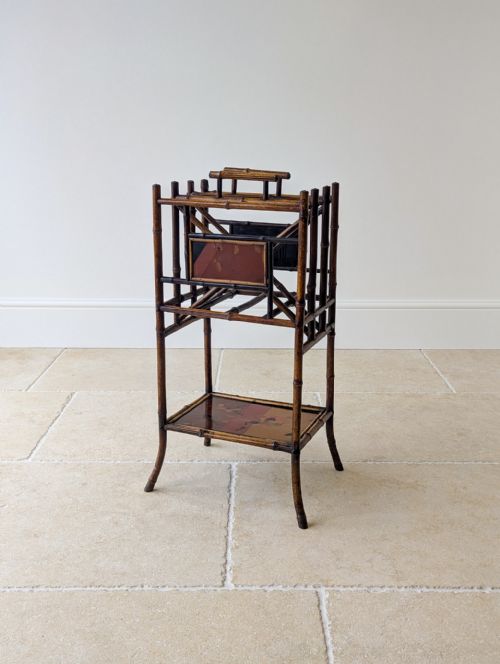
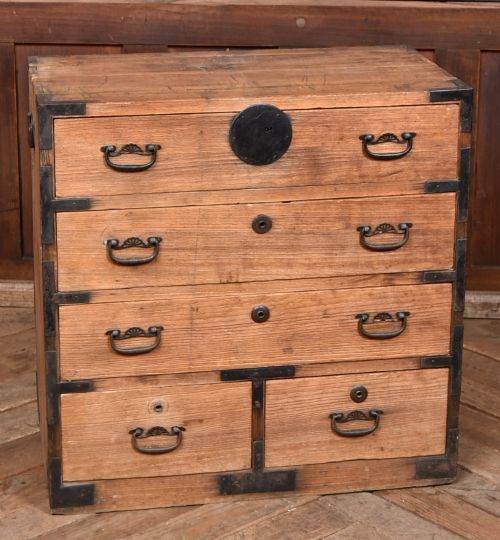
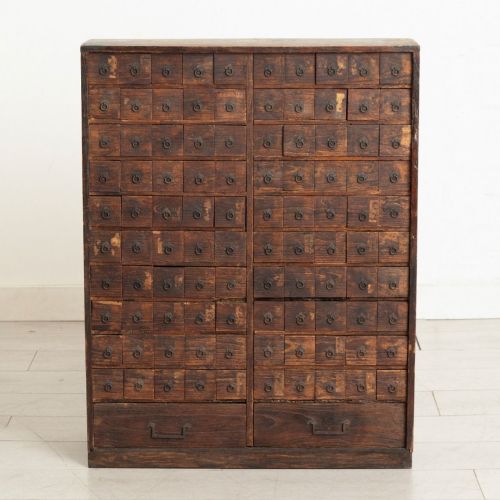
Tansu chests form a significant portion of the available items, often fashioned from elm or keyaki wood with robust iron hardware. Alongside these native pieces, you also find British interpretations of the style, including bamboo canterburys and wardrobes bearing labels from notable retailers.
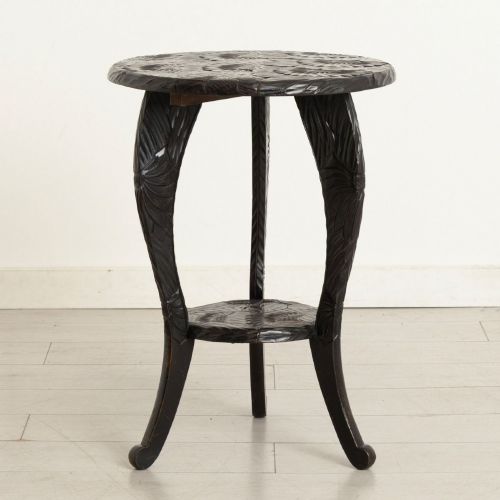
Side tables and apothecary banks of drawers appear regularly, offering compact utility alongside strong visual form. These pieces demonstrate how traditional craftsmanship adapts to domestic spaces through disciplined joinery and functional design.
Materials and construction
Construction relies heavily on timbers such as keyaki, elm, mahogany and bamboo, often paired with hand-wrought iron and brass fittings. Joinery prioritises interlocking wooden joints that accommodate seasonal wood movement without mechanical fasteners.
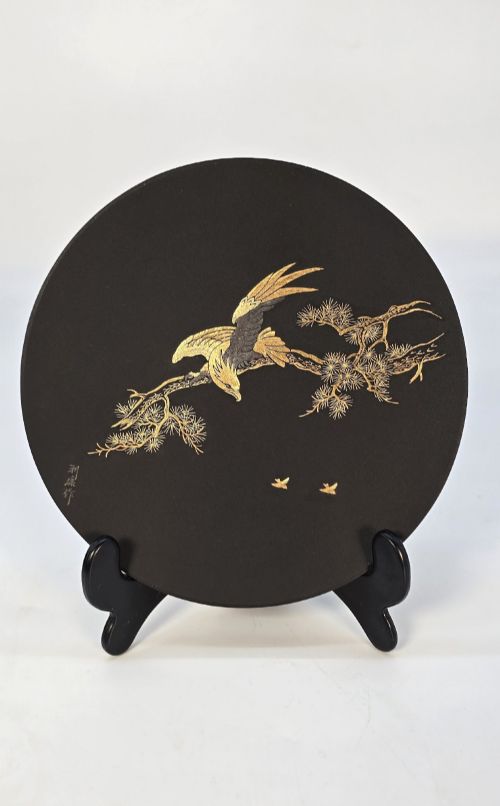
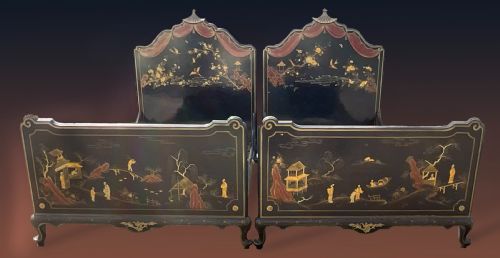
Surface finishes range from deep black and red lacquer to patinated iron inlaid with gold and silver. Cinnabar lacquer and carved wooden elements show meticulous hand-tooling developed across generations of regional workshops.
Listings span the nineteenth century through the nineteen-thirties, featuring woods like keyaki, mahogany and bamboo alongside iron and lacquer.
Assessing quality
Quality rests in the integrity of the timber selection and the precision of the forging on iron plates, handles and locking mechanisms. Finer examples retain original surface patination, unbroken lacquer layers and unreplaced structural hardware.
The sophistication of the carving and the complexity of internal drawer configurations distinguish standard utility items from masterwork pieces. Authenticity of period materials, such as genuine keyaki wood versus secondary timbers, dictates the standing of each piece.
Maples and Co·Liberty of London
The Vintage Japanese Furniture Glossary
- Tansu
- Traditional Japanese mobile storage chests featuring iron mounts and multiple internal drawers. They were originally designed for merchants and domestic organisation.
- Keyaki
- Japanese zelkova hardwood prized for its dense grain and durability in cabinetmaking. It forms the primary structure of many high-status tansu chests.
- Cinnabar
- A carved lacquer technique involving numerous layers of red vermilion applied to a wooden core. Artisans carve intricate pictorial scenes directly into the hardened material.
- Aesthetic Movement
- A late nineteenth-century British artistic current that championed art for art's sake. It drew heavy inspiration from Japanese design principles and export wares.
- Canterbury
- A low wooden stand fitted with vertical partitions for holding sheet music or magazines. Victorian makers frequently adapted this English form using bamboo frames.
Vintage Japanese Furniture: Frequently Asked Questions
What is a tansu chest?
A tansu is a traditional Japanese storage chest built with substantial iron hardware for portability and daily utility.
These pieces served various domestic functions, from merchant bookkeeping to clothing storage, and rely on robust timber construction.
How do I care for lacquer furniture?
Lacquer surfaces require stable indoor humidity levels and protection from direct sunlight to prevent drying and cracking.
Dust gently with a soft dry cloth and avoid chemical polishes or abrasive cleaners that compromise the historic finish.
Are these pieces purely traditional?
The selection includes both authentic imported Japanese pieces and British interpretations influenced by nineteenth-century design movements.
This blend reflects how European makers reinterpreted eastern forms through local materials like bamboo and mahogany.
What woods were commonly used?
Cabinetmakers utilised native Japanese hardwoods like keyaki and elm alongside European staples such as mahogany and bamboo.
Timber choice often reveals whether a piece originated in domestic Japanese workshops or British retail houses.