


Victorian Mahogany Desk Chair
When you search for a victorian mahogany desk chair, you are stepping into a world of heavy timber, swivel mechanisms and buttoned leather made for the nineteenth-century study.
Victorian Mahogany Desk Chair
A victorian mahogany desk chair is typically found in forms designed for the study, library or office, spanning the broader nineteenth century with concentrations around the decades of 1880 and 1890 alongside earlier pieces from the 1850s and 1860s.
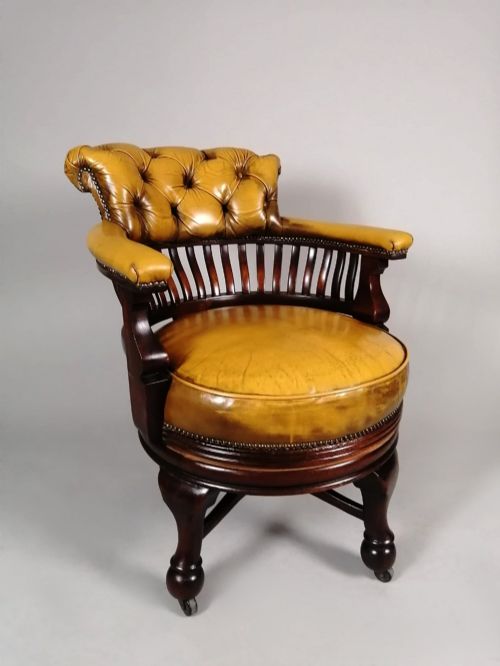
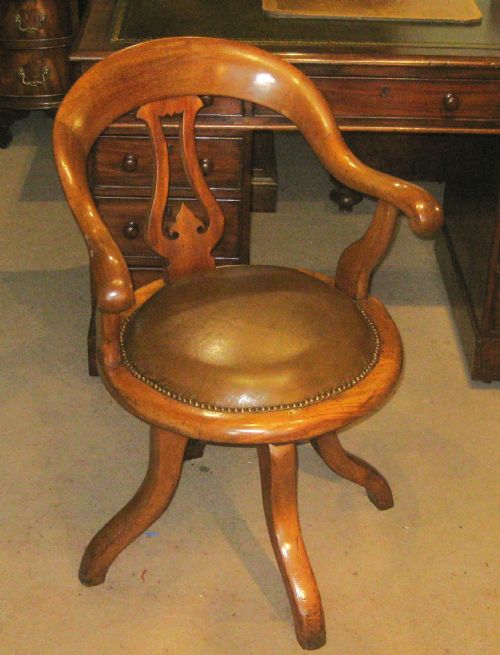
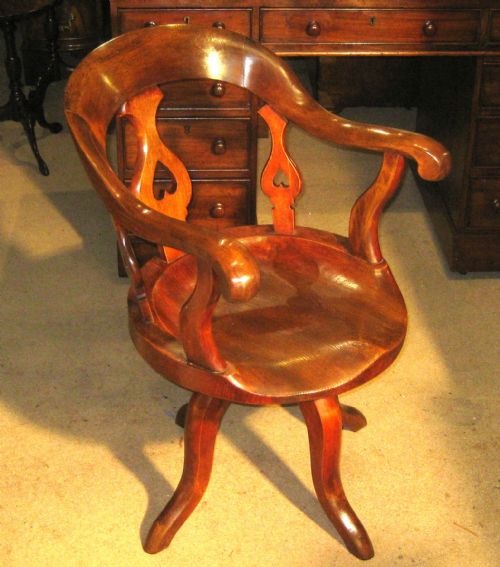
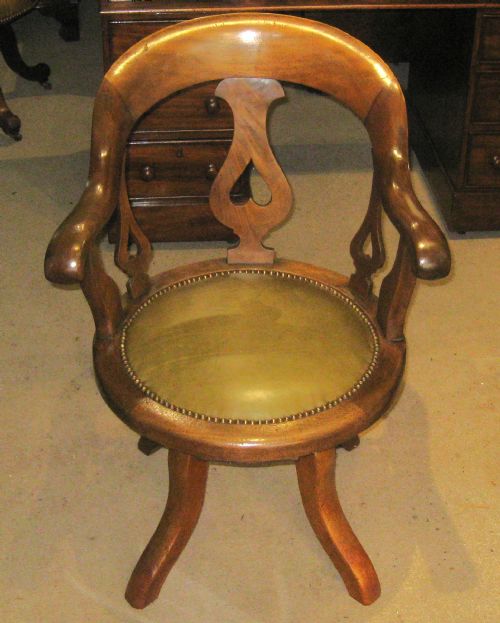
The most common version to meet on this page is the revolving or swivel desk chair featuring a low upholstered back and a seat pad covered in leather, often resting on a four-legged wooden or iron spider base.
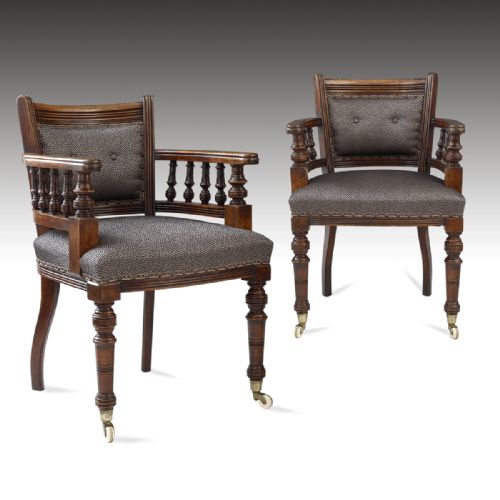
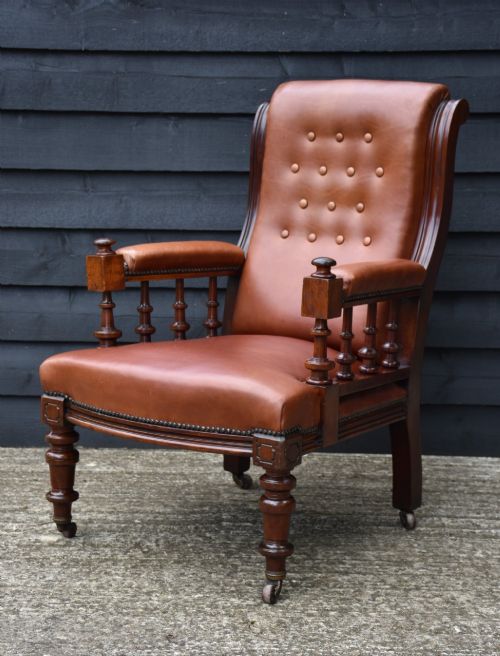
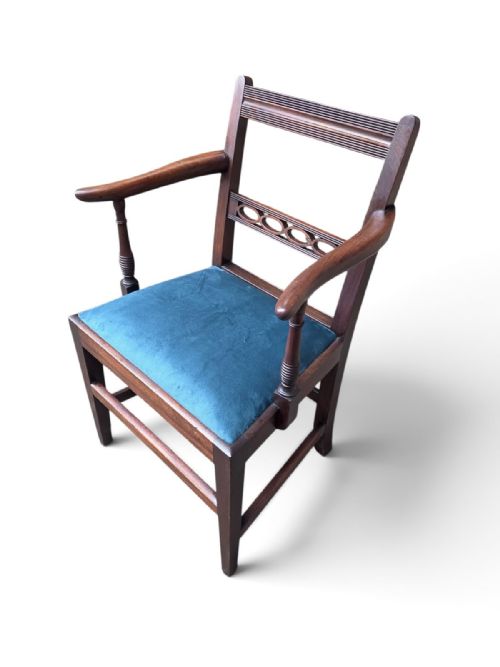
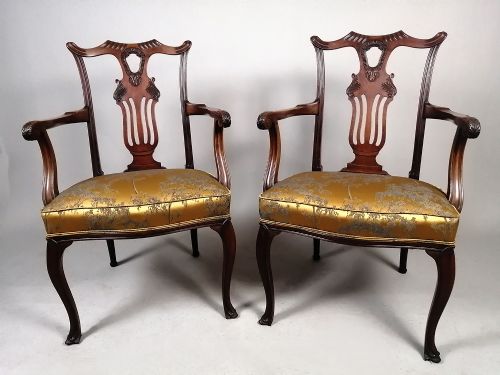
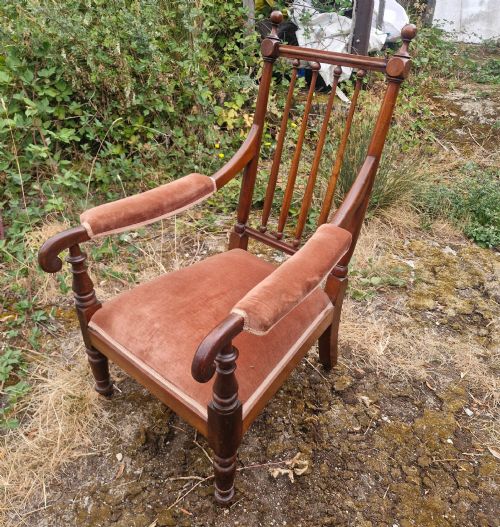
Beyond the standard swivel office forms, listings frequently include library armchairs, carver chairs, and reading chairs that share the same deep reddish-brown timber and substantial framing.
Timber, Leather and Metal Work
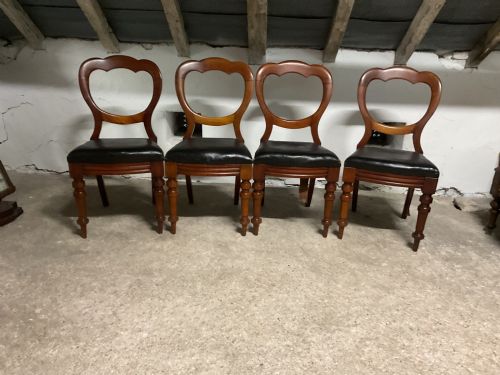
Construction relies heavily on solid mahogany and golden mahogany, shaped into curved rails, scroll arms, and carved spindle or ladder backs.
Upholstery is predominantly leather, fabric or velvet, often secured with brass studding around the seat edges and backrests.
Revolving variants integrate iron and brass swivel mechanisms beneath the seat to allow movement and adjustable height.
Victorian Mahogany Desk Chair Retail Price Guide 2026
Typical asking prices for victorian mahogany desk chair among the pieces listed under this phrase on Sellingantiques today, from the lower quarter to the upper quarter. They describe what is for sale here now, not the wider market.
One exceptional nineteenth-century library chair arrived equipped with its own built-in reading stand for serious scholars.
Gradations in Craft and Design
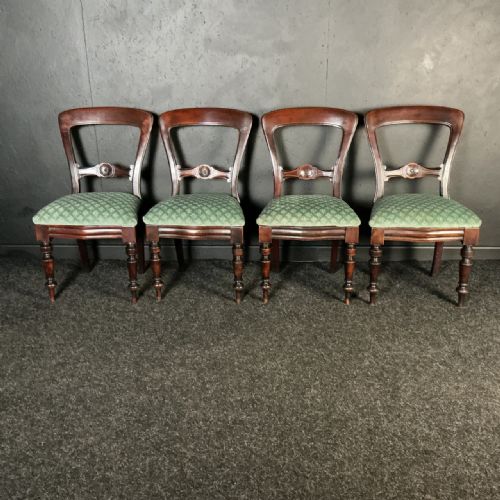
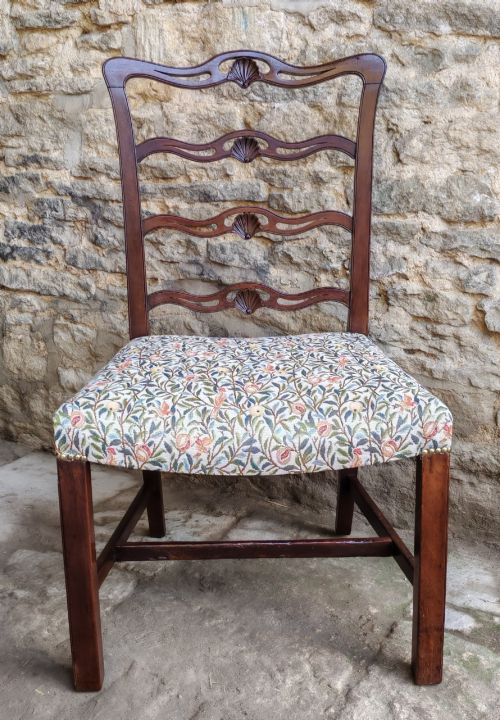
Quality separates the standard utilitarian office seat from pieces boasting carved details like ribbon backs, spider web splats or substantial library proportions.
The timber selection defines the visual appeal, ranging from plain mahogany to richly figured golden mahogany with deep natural patination.
Mechanisms and joinery integrity dictate value, where smooth swivel action and tight, heavy framing outlast loose joints and simple replacement parts.
CV Smith
The Victorian Mahogany Desk Chair Glossary
- Carver
- An armchair, usually designed to match a set of dining or office chairs, featuring more substantial arm supports. They often sit at the head of a table or beside a partner desk.
- Revolving
- A chair equipped with a central spindle or iron screw mechanism allowing the seat to turn through three-hundred-and-sixty degrees. This mechanical innovation became popular for nineteenth-century offices.
- Library Chair
- A large, deeply comfortable armchair built for long hours of reading, frequently upholstered in leather with padded arms. They often incorporate reading stands or wide book rests.
- Chippendale Revival
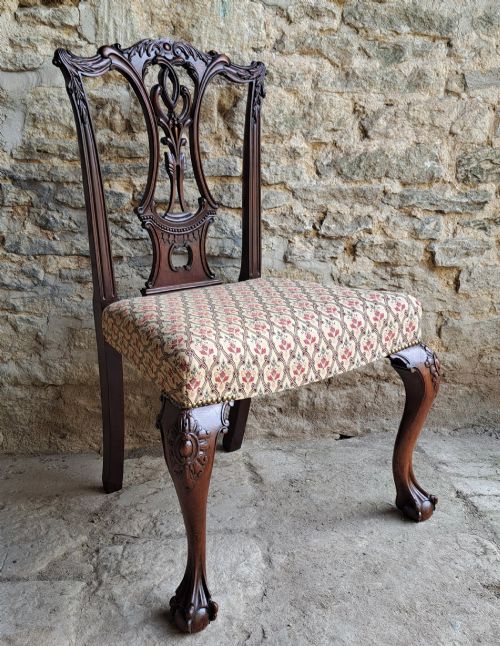
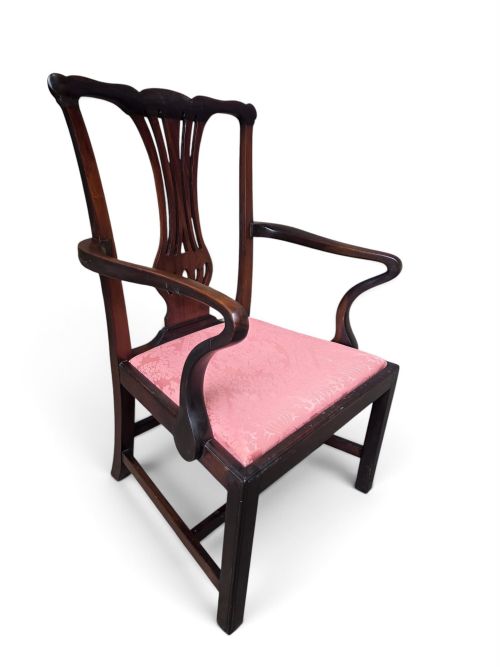
- A nineteenth-century style drawing inspiration from eighteenth-century cabinet maker Thomas Chippendale, characterised by elaborate pierced splats and carved cabriole legs.
- Golden Mahogany
- A lighter, more vibrant hue of mahogany timber favoured in later Victorian furniture production. It highlights the natural grain with a warm, honey-toned finish.
Victorian Mahogany Desk Chair: Frequently Asked Questions
What makes a desk chair Victorian?
A Victorian desk chair is defined by its nineteenth-century manufacturing period, typically displaying the characteristic reddish-brown or golden mahogany timber, hand-carved details, and traditional joinery methods of the era.
These pieces often combine functional office requirements like revolving mechanisms with domestic upholstery styles such as buttoned leather or velvet seats.
Were these chairs used in offices?
Yes, many of these chairs served in nineteenth-century offices, libraries, and studies where working at a partner desk or reading stand required mobility and support.
The inclusion of swivel bases, casters, and robust mahogany frames allowed clerks and scholars to move efficiently between ledger books and filing shelves.
How do I maintain leather upholstery?
Leather upholstery on these chairs benefits from regular dusting and occasional treatment with appropriate leather dressings or balms to prevent drying and cracking.
Keeping the leather conditioned preserves the historical patina and protects the material from friction and environmental moisture.
How do I identify different styles?
Styles are identified by looking at the back splats, arm shapes, and leg designs, which range from plain spindle backs to elaborate Chippendale revival ribbon motifs.
Comparing the decorative carving and structural silhouette against known nineteenth-century design patterns helps distinguish between plain office chairs and grand library armchairs.