
Victorian Magazine Holder
These victorian magazine holder pieces are elegant nineteenth-century furniture items designed to keep periodicals tidy beside a drawing room armchair.
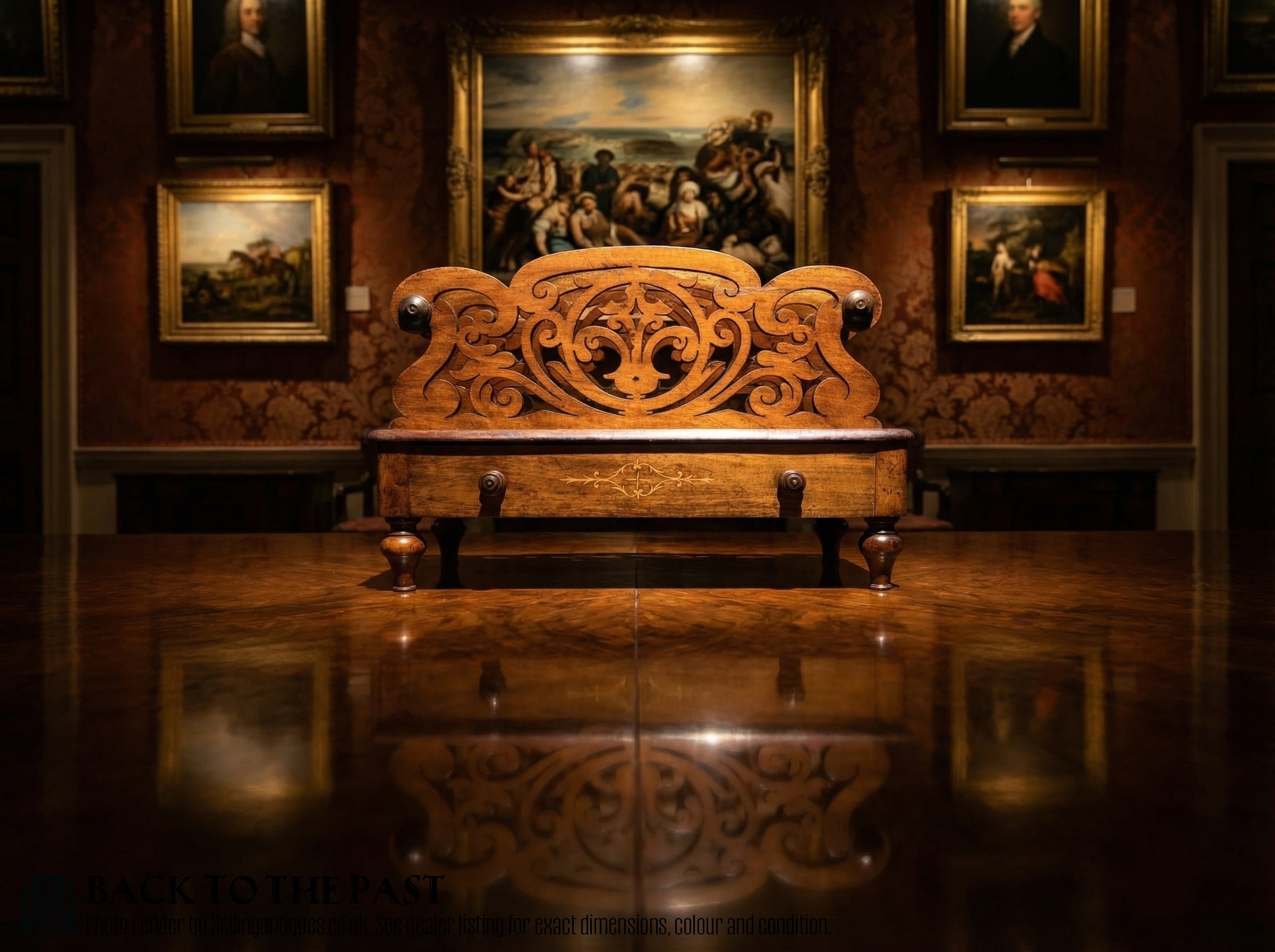
Victorian Magazine Holder
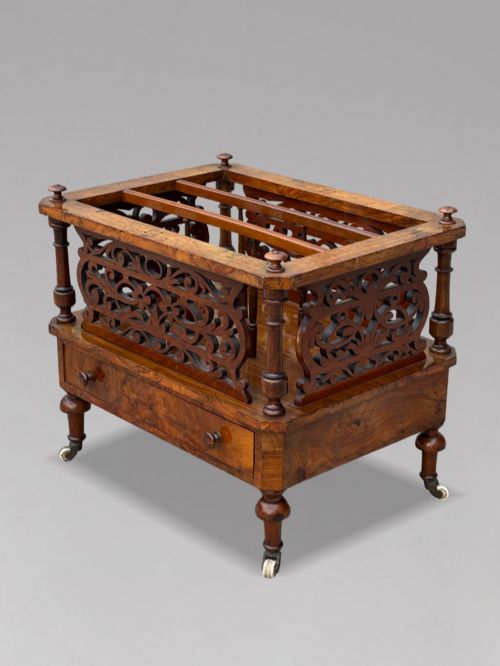
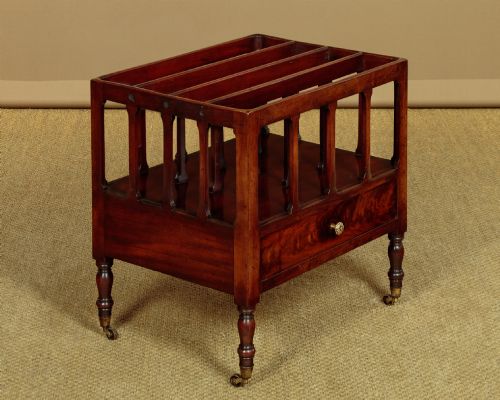
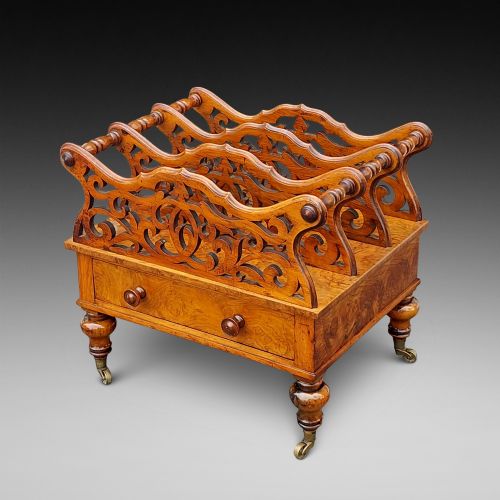
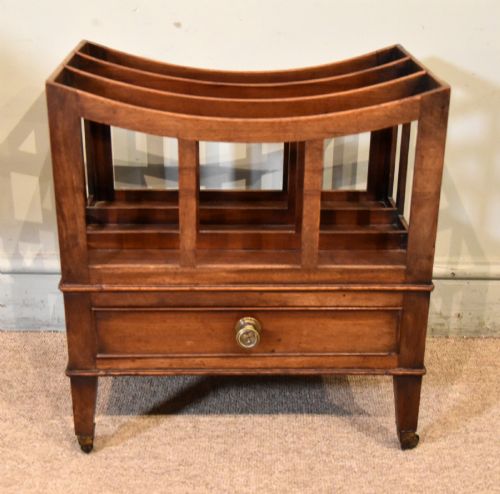
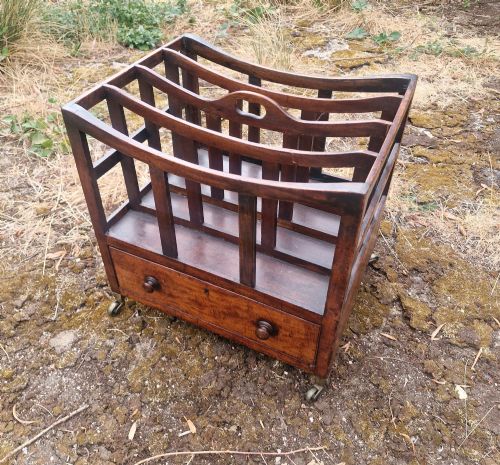
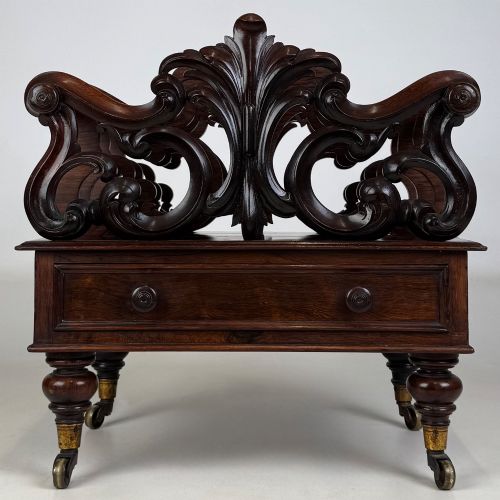
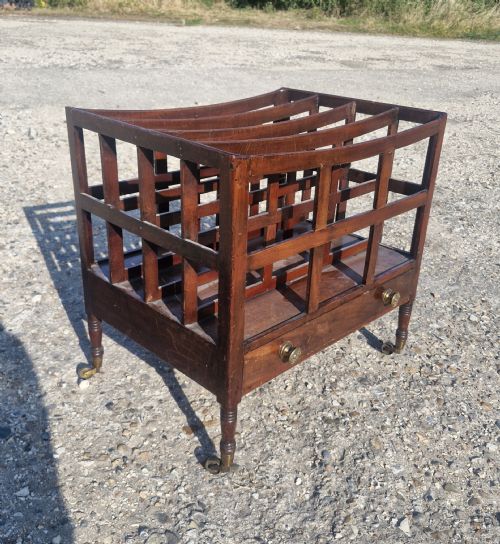
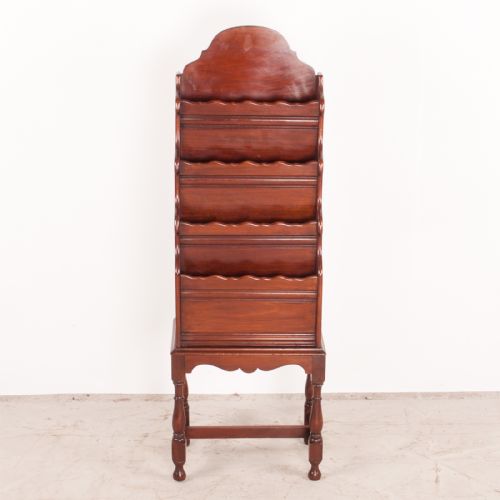
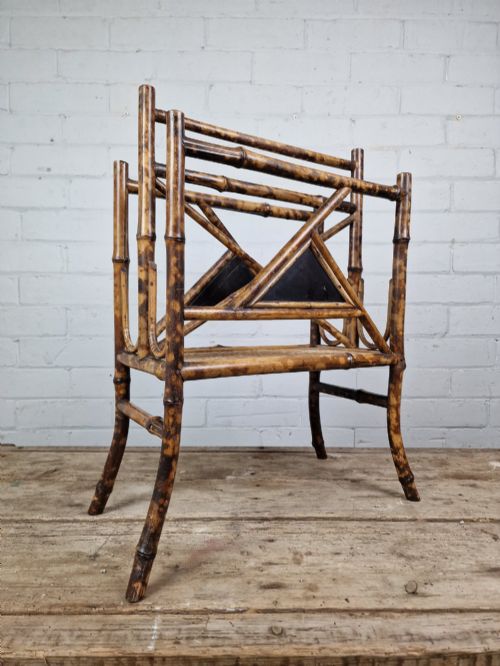
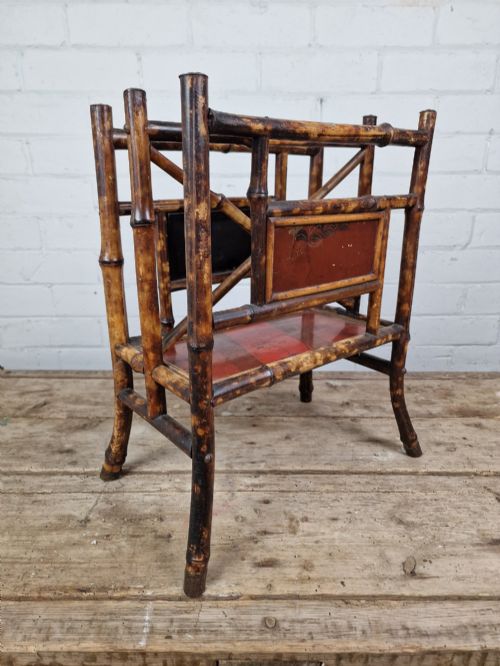
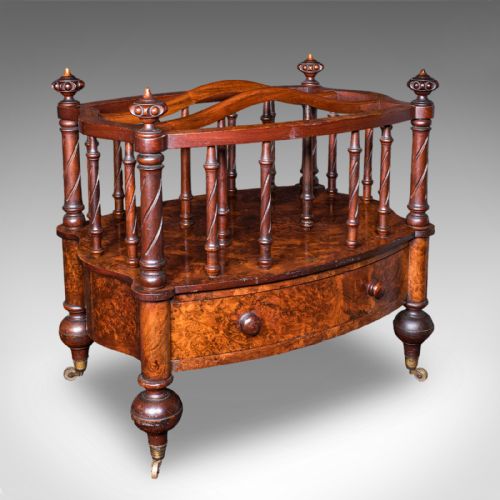
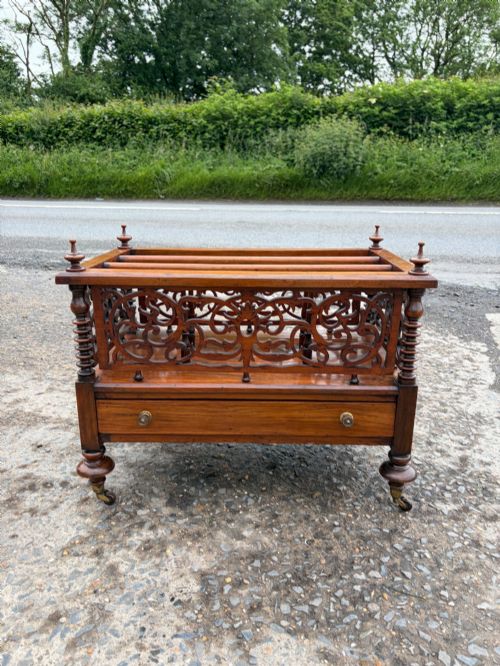
A victorian magazine holder most commonly takes the form of a Canterbury, a traditional partitioned stand originally built for sheet music and later utilised for newspapers and journals. The pieces seen here span the nineteenth century, including Regency, William IV, and Victorian eras, along with later revivals. Alongside traditional wood partitions, the inventory includes revolving stands, music stands, and side tables fitted for storage.
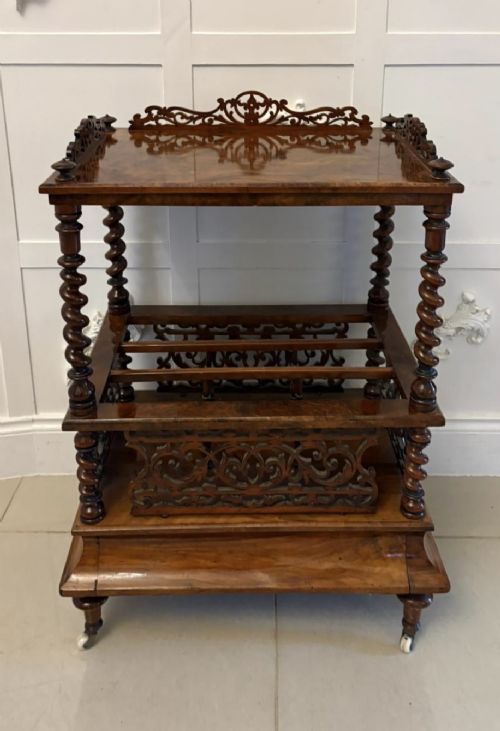
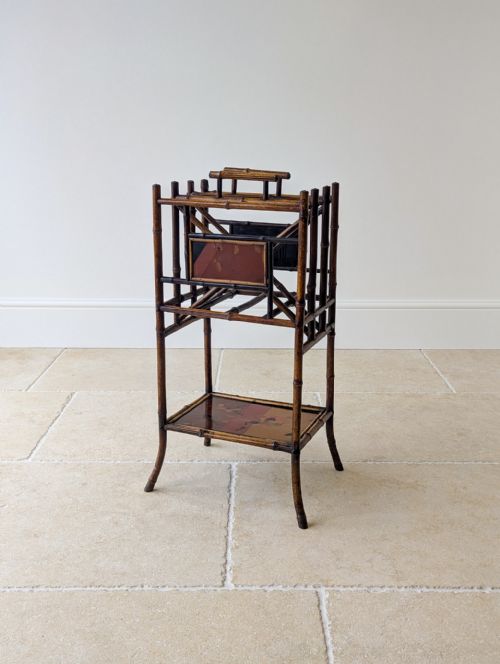
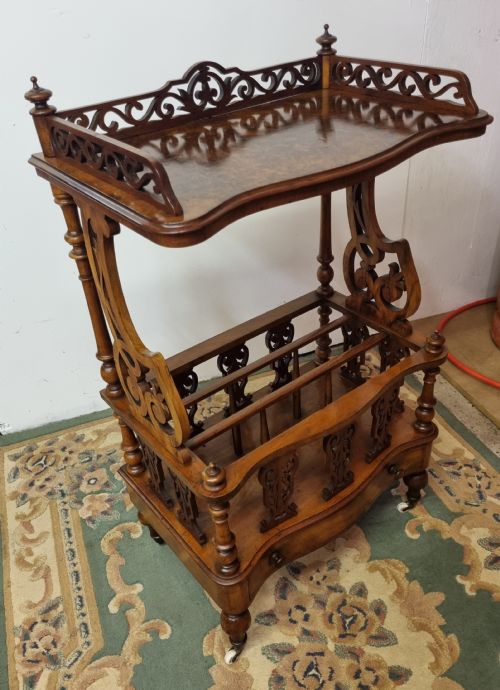
Makers and craftsmen utilised diverse materials ranging from dense timbers like mahogany, walnut, and rosewood to exotic bamboo and polished metals. Forms vary from simple slotted compartments on low legs to ornate multi-tiered designs featuring drawers and work tops. Buyers encounter both classic British cabinetmaking and lighter Aesthetic Movement designs within this selection.
How They Were Made
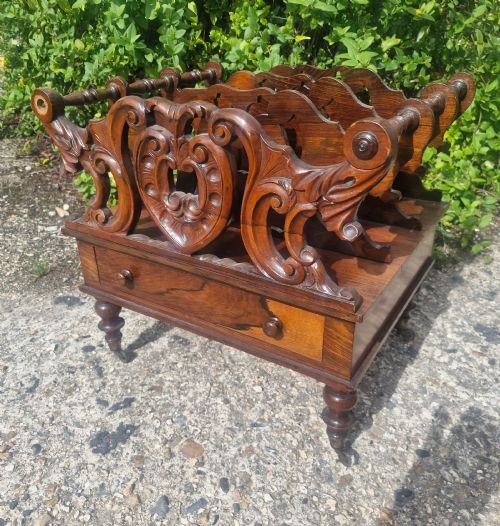
Cabinetmakers constructed these pieces primarily from solid hardwoods and rich veneers, employing figured walnut, burr walnut, mahogany, and rosewood. Sections were frequently shaped, turned, or carved by hand, utilising traditional joinery to support partitioned uprights and low drawers.
Alternative interpretations incorporate materials such as bamboo, tiger bamboo, brass, copper, and ceramic elements. Stand structures often combined turned wooden spindles or metal frames to create lightweight yet sturdy compartments for reading material.
Victorian Magazine Holder Retail Price Guide 2026
Typical asking prices for victorian magazine holder among the pieces listed under this phrase on Sellingantiques today, from the lower quarter to the upper quarter. They describe what is for sale here now, not the wider market.
Listings feature woods including mahogany, walnut, rosewood, burr walnut, and bamboo, alongside brass and copper.
What Varies in Quality
The distinction between standard examples and the finest pieces lies in the choice of timber and the sophistication of the cabinetwork. Highly figured walnut veneers, intricate marquetry inlay, and carved serpentine shapes elevate a piece far above utilitarian designs.
Construction details such as dovetailed drawers, substantial brass castors, and refined turning on the upright supports demonstrate superior workshop origin. Pieces bearing identifiable maker signatures represent the upper tier of the selection.
Edwards and Roberts
The Victorian Magazine Holder Glossary
- Canterbury
- A low stand with partitioned vertical sections used originally for sheet music and later for periodicals. It frequently includes a low drawer at the base.
- Burr walnut
- A highly prized wood veneer taken from the warted growths of walnut trees, noted for its swirling, highly decorative grain patterns.
- Aesthetic Movement
- A late nineteenth-century design style that favoured simplicity, Japanese-influenced bamboo construction, and artistic expression over heavy historicism.
- Serpentine
- A furniture shape characterised by a line of curves that advance and recede, adding fluid movement to the front or edges of a piece.
Victorian Magazine Holder: Frequently Asked Questions
What is a Canterbury?
A Canterbury is a low partitioned stand designed to hold loose papers, sheets of music, and periodicals near seating areas.
Most examples feature slatted wooden divisions and rest upon short legs fitted with castors for easy movement across carpets.
Were these made for magazines?
They were originally designed for sheet music, bound volumes, and newspapers during the Regency and Victorian periods.
As the publication of periodicals expanded later in the nineteenth century, owners naturally adapted these versatile stands into magazine holders.
How do I date a Canterbury?
Dating relies on timber selection, decorative styles, and construction traits associated with periods like Regency or Victorian.
Heavier rosewood and mahogany pieces often point to earlier decades, while bamboo and lighter brass stands indicate the later nineteenth century.
Where should I place one?
These pieces fit naturally beside a sofa, armchair, or desk in a living room or study.
They serve both a decorative function as occasional tables and a practical purpose for keeping current reading material organised.