



Victorian Leather Trunk
A victorian leather trunk is a robust travel container built for nineteenth century journeys and repurposed today for storage.
Victorian Leather Trunk
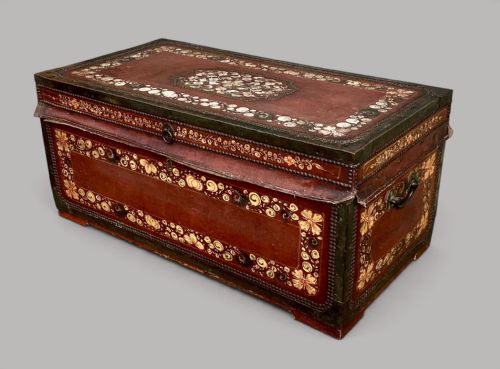
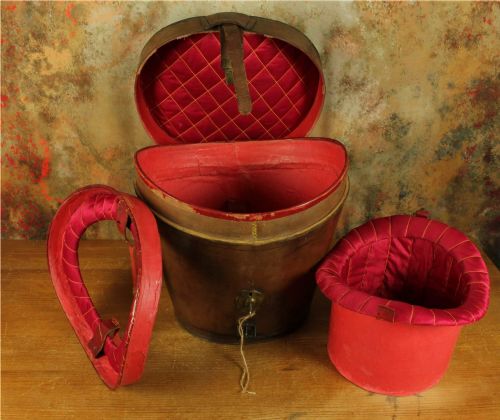
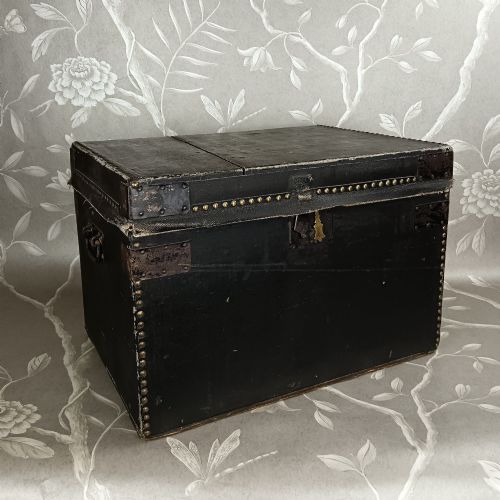
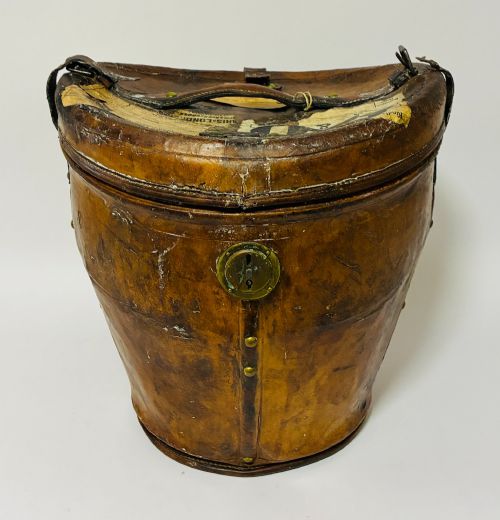
A victorian leather trunk is a sturdy receptacle designed to transport belongings during nineteenth century travel. These pieces range from domed storage boxes to flat top travel chests and specialised hat cases.
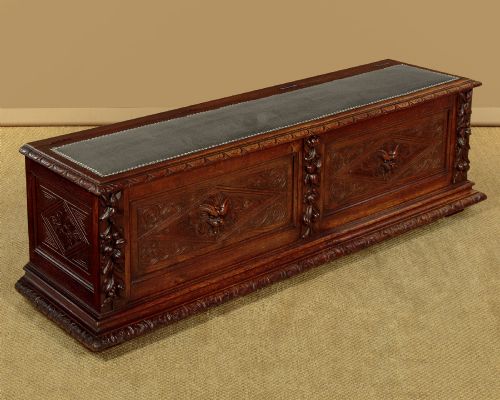
The most common versions on this page are heavy travel trunks, coaching chests, and ottomans covered in leather with timber frames. They appear alongside related forms such as gun cases, vanity boxes, and blanket chests.
Originating primarily from the nineteenth century, these objects bridge the gap between historical travel gear and functional domestic storage.
How they were made
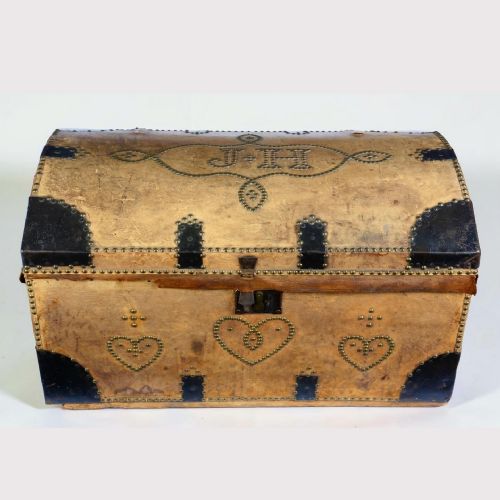
Construction relies on timber foundations such as oak, pine, camphorwood, or mahogany, enclosed in leather and reinforced with canvas, iron, or brass. Makers utilised brass studwork, rivets, and corner brackets to protect high wear areas during transit.
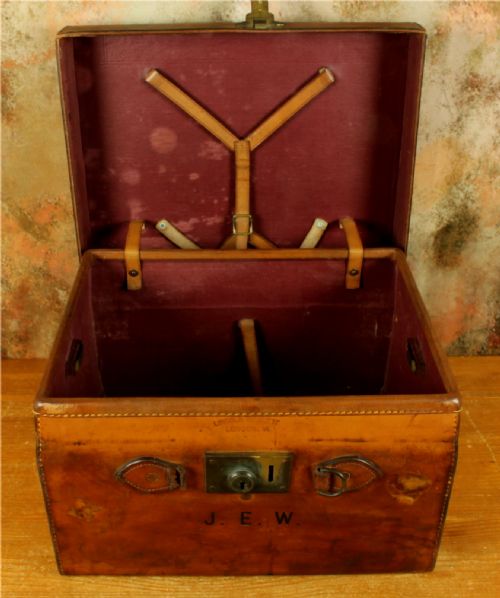
Many interiors retain original linings of paper or fabric, while exterior surfaces often show hand dyed finishes, brass lock plates, and iron carrying handles. Structural integrity depended on solid wood carcases joined to withstand heavy luggage handling.
Victorian Leather Trunk Retail Price Guide 2026
Typical asking prices for victorian leather trunk among the pieces listed under this phrase on Sellingantiques today, from the lower quarter to the upper quarter. They describe what is for sale here now, not the wider market.
Several hat cases still smell faintly of Victorian pomade and wool after more than a century.
What varies in quality
Quality separates ordinary utility luggage from bespoke pieces commissioned for elite travellers. Superior examples display finer timber selection, such as camphorwood or solid oak, paired with substantial brass hardware and maker signatures.
The degree of preservation in the leather, original locks with working keys, and intact interior fittings dictate the standing of an individual trunk within the broader range.
Wm. Insall of Bristol·Arthur Wannop·Lincoln Bennett·James Purdey & Sons·JW Allen·Drew & Sons·C. Antrobus·Finnegans of Bond Street·Reeves & Smith Bristol
The Victorian Leather Trunk Glossary
- Camphorwood
- A fragrant timber often used for nineteenth century campaign chests because its natural oils repelled insects during tropical transit.
- Studwork
- Decorative and reinforcing brass or iron nails driven into the leather surface in geometric patterns along trunk edges.
- Coaching trunk
- A low profile storage box designed to fit on the roof or boot of a horse drawn coach.
- Ottoman
- A piece of upholstered seating adapted from blanket boxes and trunks for use in nineteenth century reception rooms.
- Campaign trunk
- Portable furniture built in sections or durable cases for military officers on active service.
Victorian Leather Trunk: Frequently Asked Questions
How were these trunks used?
Nineteenth century travellers used these trunks to pack clothing, hats, and personal possessions for journeys by coach, train, and steamship. They were built to endure rough handling by baggage handlers and porters.
Today, owners utilise them as coffee tables, blanket boxes, or bedroom storage while retaining their historical character.
How do I clean the leather?
Maintenance requires gentle cleaning with a soft cloth and appropriate leather conditioner to nourish the hide without removing historical patina. Avoid modern harsh detergents that strip natural oils.
Allow the surface to dry naturally away from direct heat sources to preserve the nineteenth century finish.
Can I use one as a coffee table?
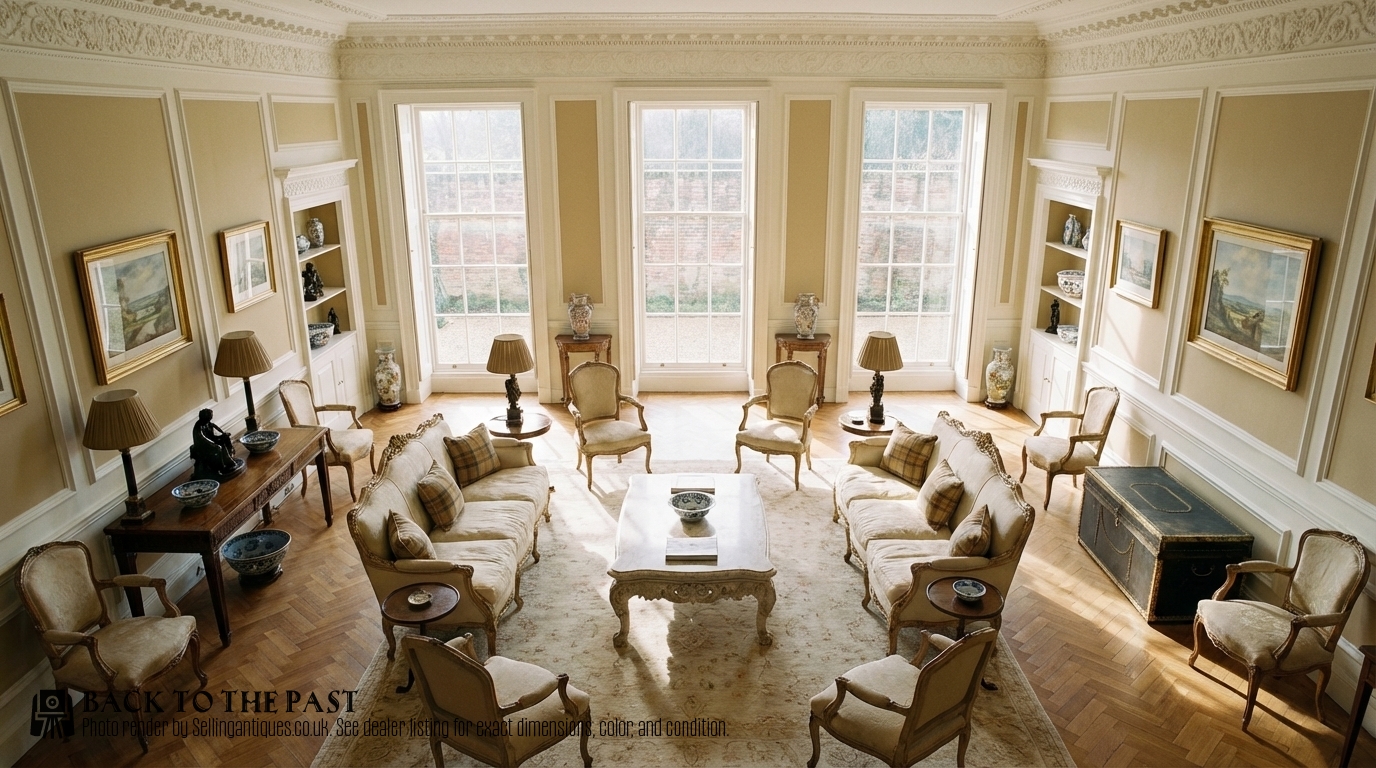
Flat top trunks and ottomans function well as coffee tables in living spaces, providing both a stable surface and hidden storage within. Domed versions serve better positioned against walls or at the foot of a bed.
Ensure the lid structure remains stable and supports weight before placing items on top.
How do I spot a campaign trunk?
Campaign trunks feature robust brass corners, recessed carrying handles, and durable leather or canvas coverings designed for military transport. They often bear the names or initials of their original officer owners.
Internal compartments and heavy duty locking mechanisms further identify pieces made for active field service.