
Victorian Leather Seating
Victorian leather seating encompasses robust armchairs and chesterfield sofas offering enduring comfort alongside traditional craftsmanship.
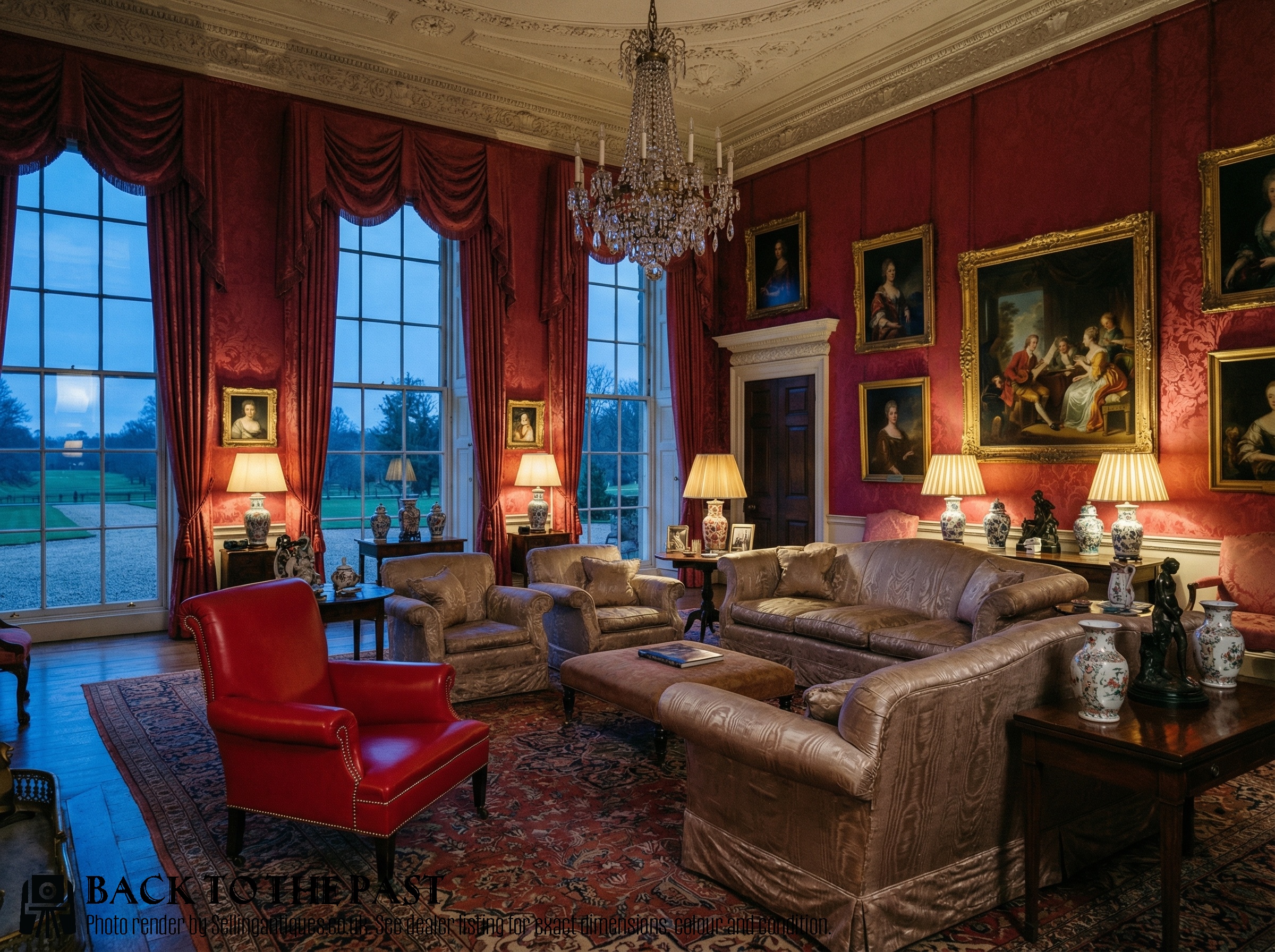
What victorian leather seating is
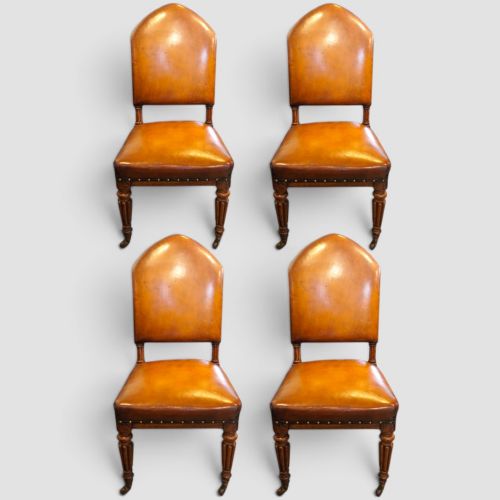
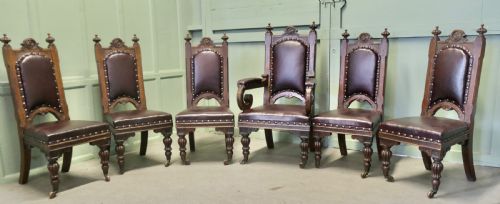
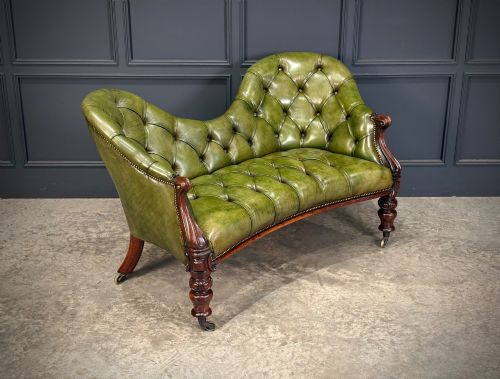
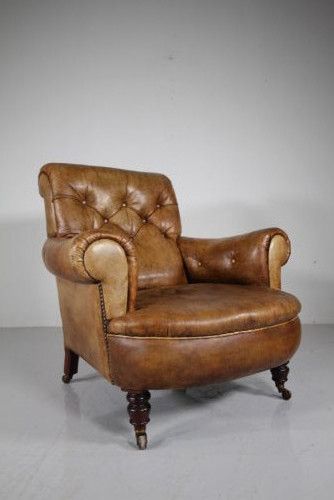
Victorian leather seating consists of armchairs, club chairs, and chesterfield sofas originating from the nineteenth century. These pieces include items dated around 1850, 1880, 1890, and 1900, alongside general nineteenth-century examples. Buyers searching this phrase seek substantial furniture designed for daily utility.
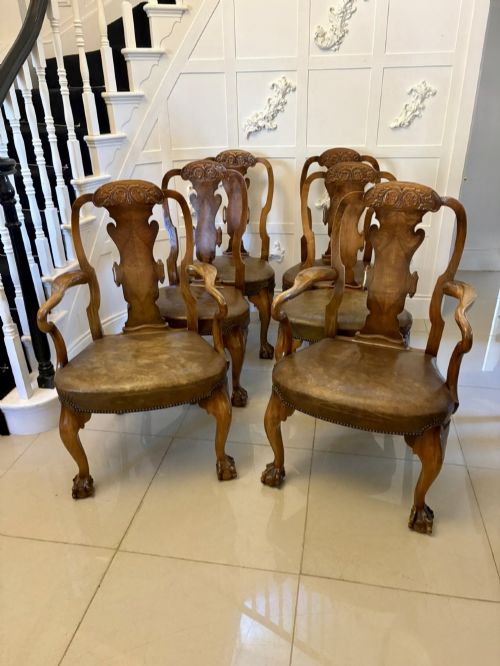
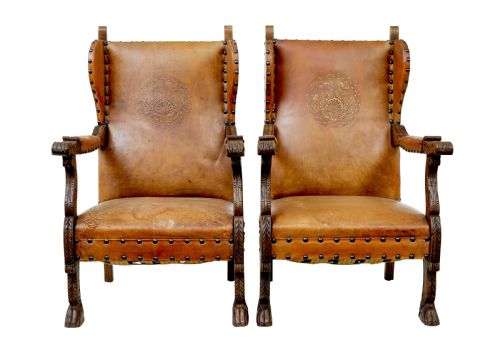
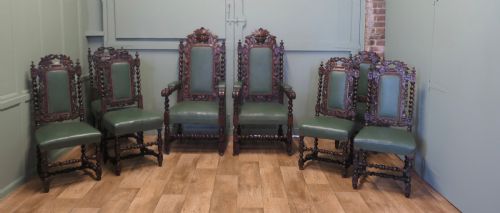
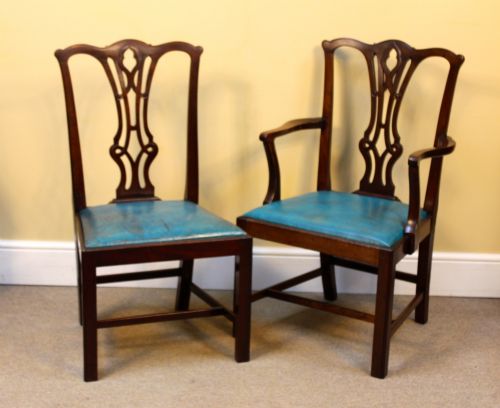
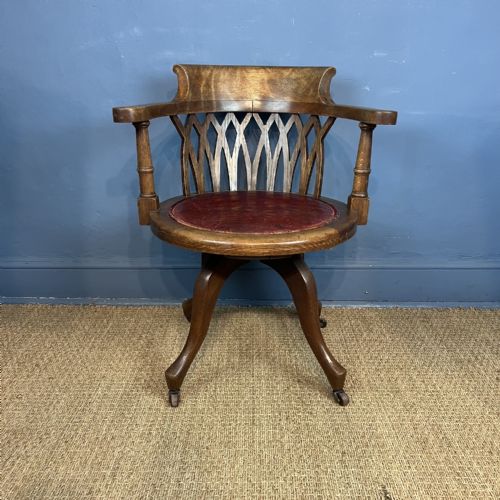
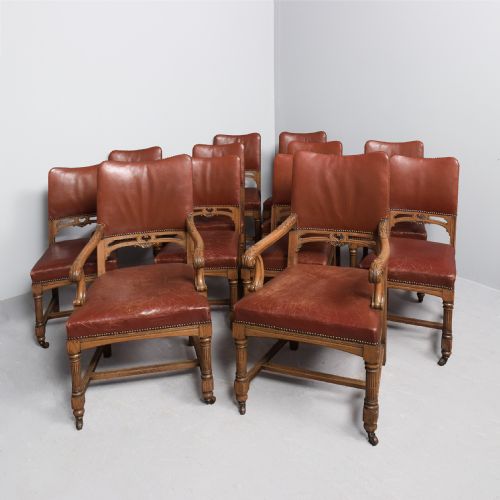
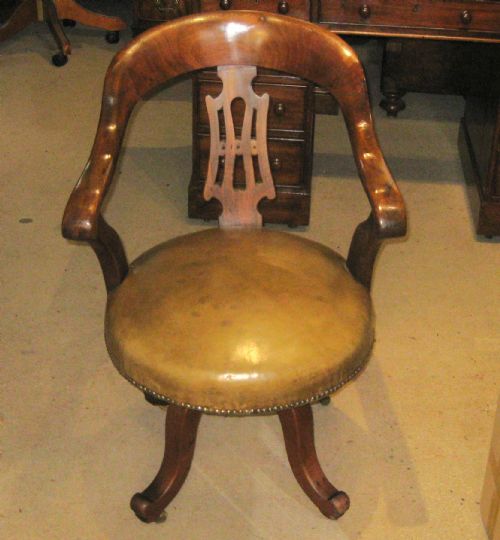
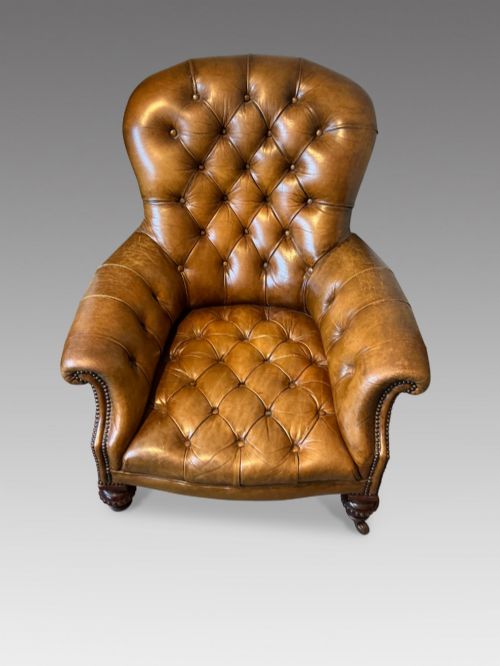
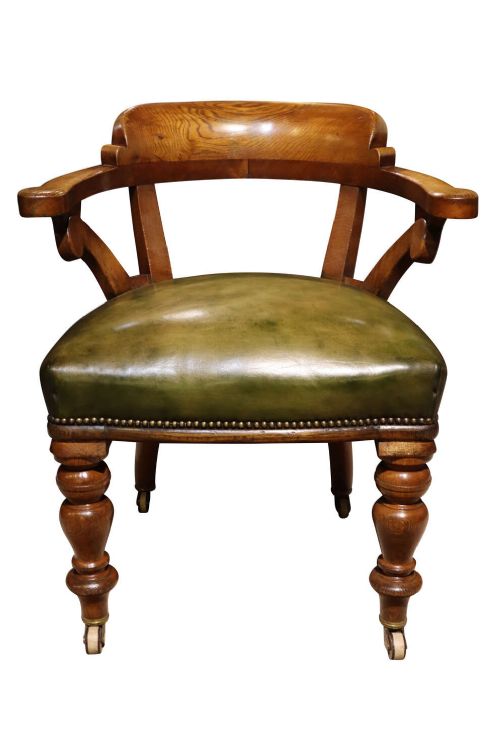
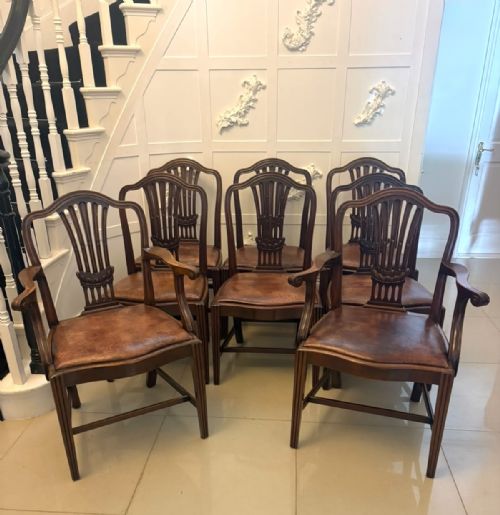
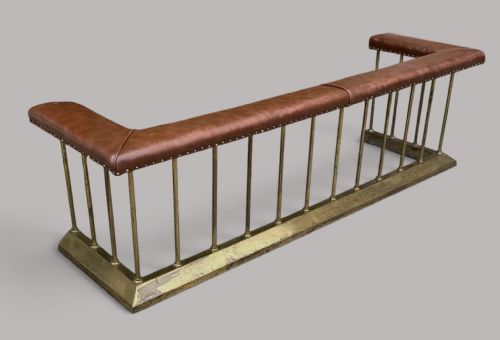
The selections on this page feature specific forms such as standard armchairs, child's armchairs of large proportions, club chairs, and chesterfield sofas. Materials consistently combine leather upholstery with supportive internal frames made from wood, specifically mahogany, as well as metal and brass elements. Fabric also appears alongside leather on certain items.
Originating during the Victorian era, these pieces reflect the aesthetic and structural preferences of the period. Workshops produced both standard domestic seating and larger scaled items to suit various household requirements. The enduring appeal lies in the combination of seasoned timber and patinated hides.
How victorian leather seating was made
Makers constructed the primary frames of these chairs and sofas using sturdy timbers like mahogany and general wood, ensuring structural longevity. Metal and brass components frequently reinforced joints and added functional detailing. Upholsterers then applied leather over padding to create the finished surface.
Skilled artisans shaped the wood elements, incorporating carved details on specific armchair frames as seen in mid-nineteenth-century examples. The combination of dense wooden frameworks and durable leather hides provided the resilience required for heavy domestic use. Brass tacks and fastenings often secured the edges of the leather upholstery.
Retail Price Guide 2026
Typical UK retail prices for victorian leather seating, calculated from the Sellingantiques database of over a million retail prices indexed since 2003. This retail price guide relies exclusively on Sellingantiques data; no external sources or auction records are used, so the figures do not describe the wider market.
Materials recorded across the available inventory include leather, mahogany, wood, brass, metal, and fabric.
What varies in quality
Quality differences emerge in the selection of primary timbers, distinguishing finely carved mahogany frames from simpler wooden structures. The refinement of the woodwork directly influences the overall elegance of an armchair or sofa. Pieces exhibiting deliberate carving display a higher tier of cabinet-making skill.
The condition and texture of the leather upholstery also dictate the standing of a piece within the range. Supple, well-preserved hides with natural patination represent superior examples compared to heavily altered surfaces. Additionally, the scale and proportion, such as large proportions in specialised child's chairs, affect desirability among collectors.
The Victorian Leather Seating Glossary
- Chesterfield sofa
- A characteristic upholstered sofa featuring rolled arms and deep buttoning. This form provides a traditional silhouette associated with nineteenth-century interiors.
- Club chair
- A deep, comfortable armchair designed for relaxation. These chairs typically feature low backs and upholstered armrests.
- Mahogany
- A durable tropical hardwood utilised for furniture framing. Cabinet makers favoured this material for its strength and rich grain.
- Patination
- The surface alteration acquired by leather and wood through age and use. This gradual change creates a distinct sheen and depth of colour.
Frequently Asked Questions
What defines a Victorian leather armchair?
A Victorian leather armchair is a nineteenth-century seat built with a wooden frame, often mahogany, and upholstered in leather. These pieces range from standard reading chairs to large club chairs.
Craftsmen during this era focused on creating durable furniture that combined structural timber with resilient leather surfaces for everyday utility.
How do I care for antique leather upholstery?
Maintaining antique leather involves keeping the material away from direct heat sources and sunlight to prevent drying. Gentle dusting helps preserve the natural surface.
Applying specialised leather dressings periodically maintains flexibility in older hides without altering their historical character.
Where were these chairs used historically?
These seating pieces primarily furnished libraries, drawing rooms, and studies in nineteenth-century homes. Their robust construction suited communal domestic spaces.
Chesterfield sofas and club chairs offered comfortable seating for prolonged reading or social gatherings.
How can I tell the age of a leather sofa?
Dating relies on examining the underlying construction materials, frame styles, and the specific type of leather used. Nineteenth-century examples often feature solid mahogany frames and hand-stitched details.
Comparing the joinery and overall form against documented pieces from periods like 1850 or 1900 helps establish an accurate timeline.