


Tufted Leather Club Chair
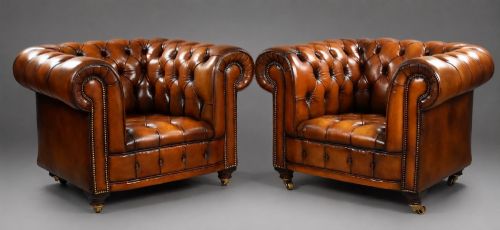
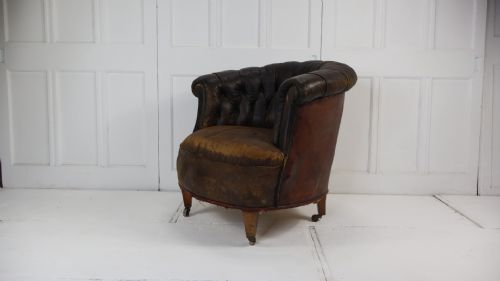
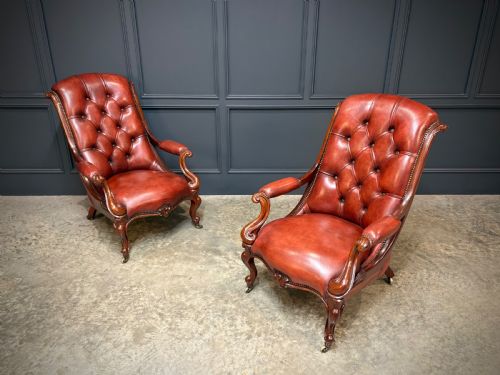
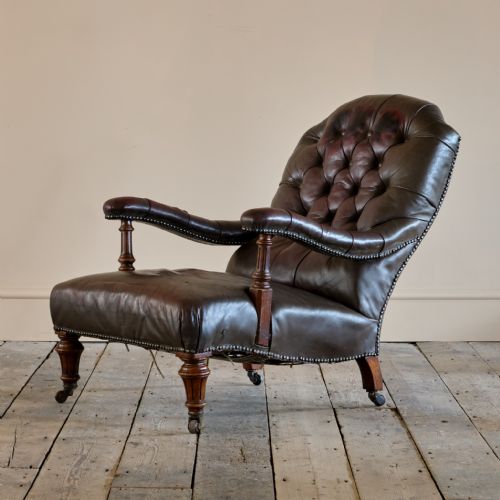
A tufted leather club chair is a deep, low seating piece built for comfort, and you will find nineteenth-century Victorian and Edwardian examples here.
Tufted Leather Club Chair
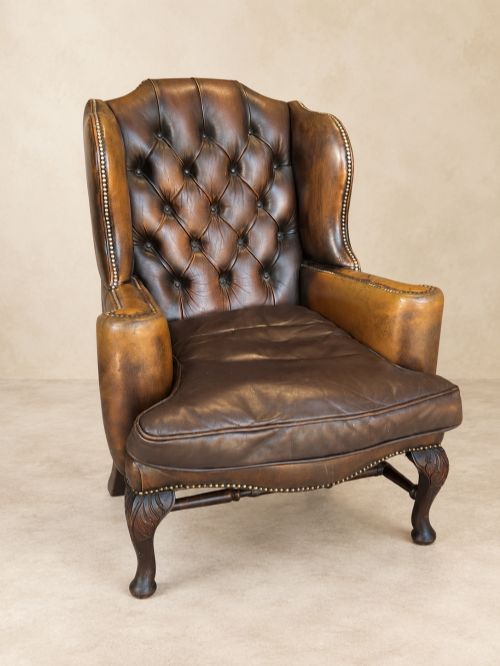
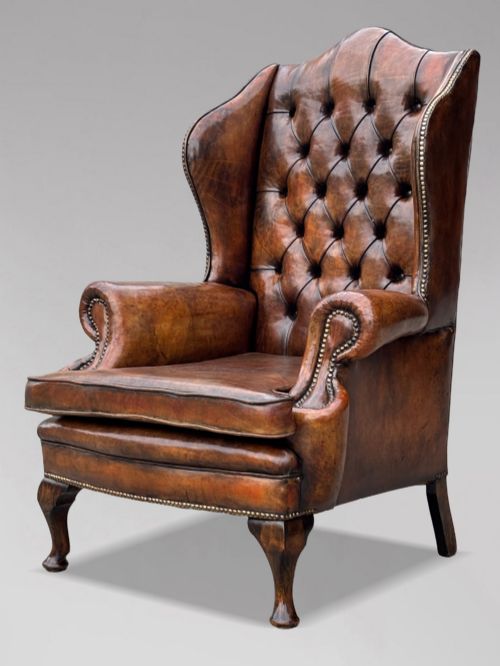
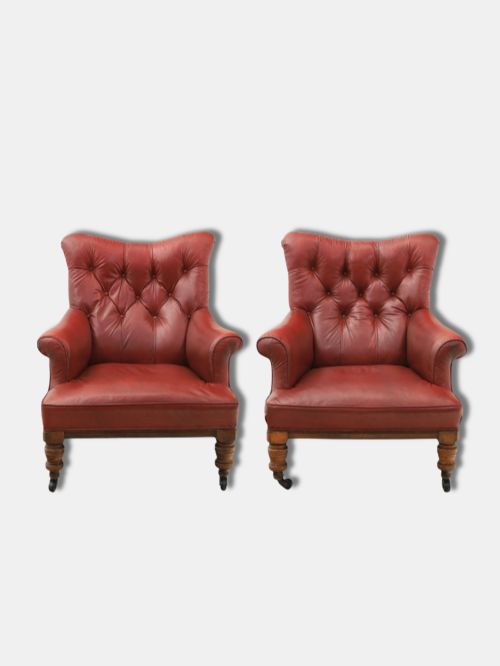
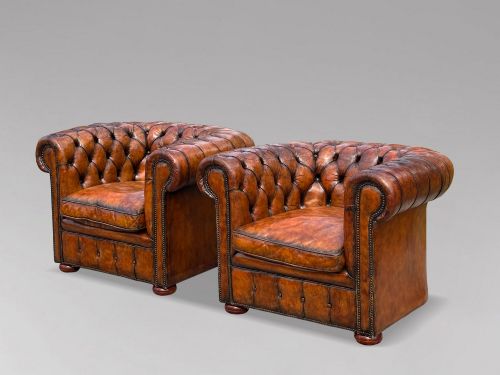
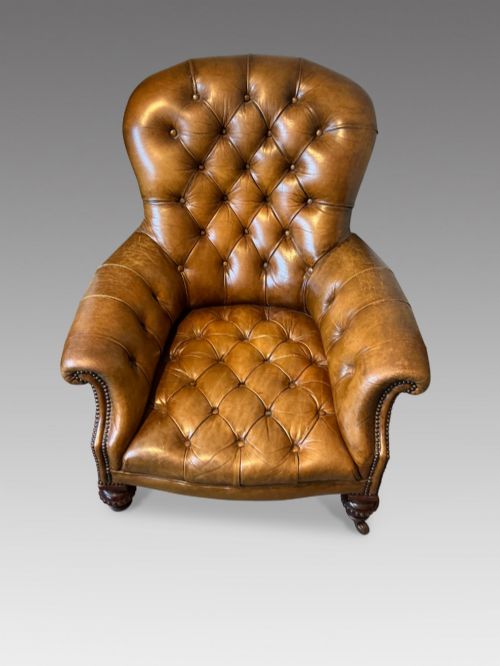
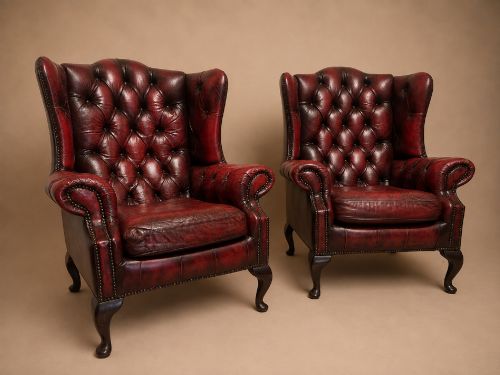
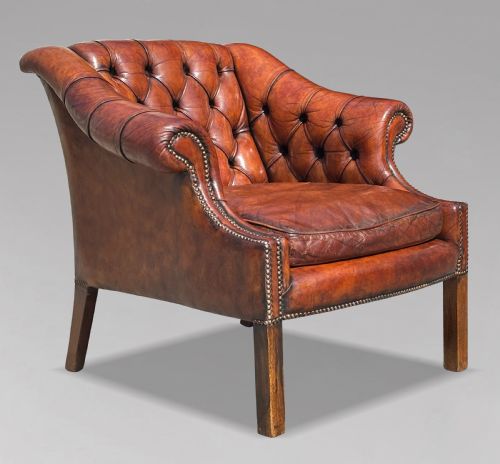
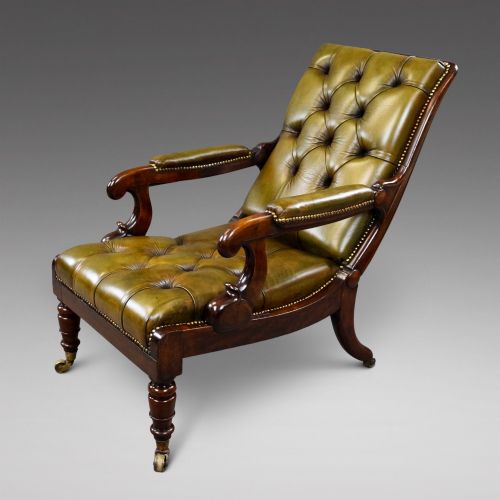
A tufted leather club chair is built for deep seating, combining padded arms and a low profile with buttoned upholstery. When searching this phrase, a buyer encounters forms ranging from nineteenth-century Victorian library chairs to early twentieth-century Chesterfield wing chairs.
The materials recorded in these listings rely on sturdy frames of oak, mahogany, walnut, or rosewood, upholstered in leather and secured with brass details. Pieces emerge from nineteenth-century workshops as well as Edwardian and Regency periods.
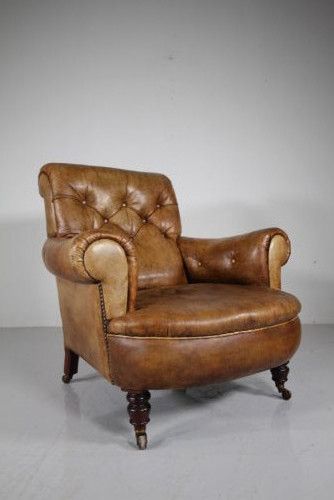
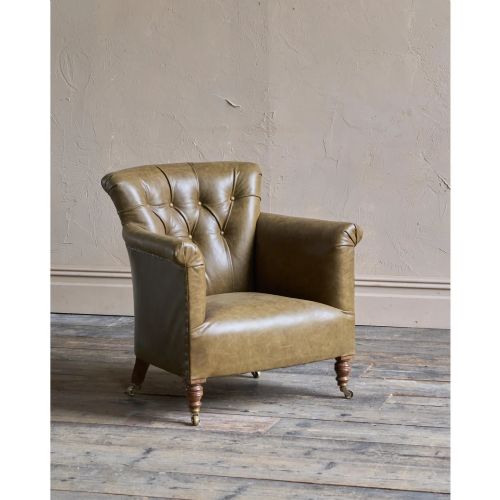
Most items on this page take the form of heavy armchairs, club elbow chairs, and library armchairs designed with buttoned leather backs. Pairs and individual seats dominate the selection, spanning styles from Georgian revivals to Victorian designs.
Construction and materials
Cabinetmakers constructed the foundational frames using hardwoods such as oak, mahogany, walnut, and rosewood to ensure structural longevity. These timber frames support deep cushioning upholstered in durable leather.
Upholsterers secured the leather surfaces using individual brass tacks and formed the characteristic tufting through deep buttoning techniques. Metal components also appear in structural or decorative elements on specific library and club chairs.
Tufted Leather Club Chair Retail Price Guide 2026
Typical asking prices for tufted leather club chair among the pieces listed under this phrase on Sellingantiques today, from the lower quarter to the upper quarter. They describe what is for sale here now, not the wider market.
Some nineteenth-century library chairs retain mysterious makers numbers tucked beneath the upholstery, whispering secrets from the Victorian workshop floor.
Judging quality in older seating
Quality rests in the integrity of the hardwood frame and the depth of the buttoning work across the leather. Finer pieces demonstrate careful joinery in woods like mahogany and walnut alongside supple, well-preserved leather hides.
The proportion and scale of the armchair dictate its presence in a room, with larger nineteenth-century library chairs offering substantial architectural weight. Subtleties in carved mahogany or rosewood details separate standard production from superior maker output.
Howard and Sons
The Tufted Leather Club Chair Glossary
- Tufted
- Upholstery pulled tight and secured with deep buttons in a geometric pattern. This technique creates indented cushions that hold their shape over decades of use.
- Chesterfield
- A traditional style characterised by rolled arms and a back of the same height. This form utilises deep buttoning across the leather surface.
- Wingback
- An armchair featuring protective side panels attached to the arm rests. These wings historically blocked drafts in large rooms.
- Library chair
- A heavy, upholstered armchair designed for reading rooms and studies. These pieces prioritise deep padding and sturdy hardwood frames.
- Button back
- Upholstery featuring evenly spaced buttons driven through the padding to secure the leather. This method prevents the internal filling from shifting.
Tufted Leather Club Chair: Frequently Asked Questions
What is a tufted leather club chair?
A tufted leather club chair is a heavily padded, low-slung seat featuring buttoned leather upholstery and sturdy wooden frames. These pieces were designed for studies and libraries to provide deep comfort during long periods of sitting.
Most examples seen on this page date from the nineteenth century through the early twentieth century. They combine traditional cabinetmaking timbers with durable leather hides.
How do I identify a Victorian club chair?
Victorian club chairs show distinct nineteenth-century framing using woods like oak, mahogany, or walnut. They typically feature deep buttoned leather and heavier proportions than later Edwardian pieces.
Look for traditional joinery methods and patinated leather surfaces that indicate age. Many incorporate library chair designs with low arms and supportive backs.
Where were club chairs originally used?
Club chairs originated in private men's clubs and gentleman's libraries where heavy reading chairs were required for daily use. Their deep seats and enclosed arms provided warmth and relaxation in large rooms.
Over time, the form moved into domestic drawing rooms and studies. Today, they serve as focal seating in traditional and contemporary interiors alike.
How do I care for antique leather?
Antique leather requires regular dusting with a soft cloth and occasional treatment with appropriate leather balms to prevent drying. Avoid placing these chairs near direct heat sources or strong sunlight that can fade the hide.
Maintaining a stable room environment preserves the suppleness of the original leather. Gentle handling protects the vintage buttoning and structural frames.