

Dark Brown Leather Chair
These dark brown leather chair selections bring rich tones and tactile warmth to a room, offering both history and everyday comfort.
What these pieces are
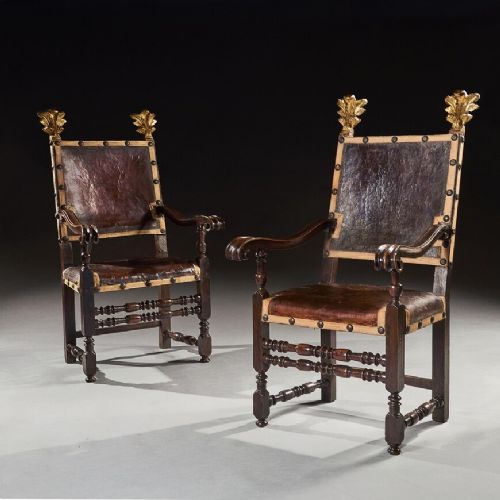
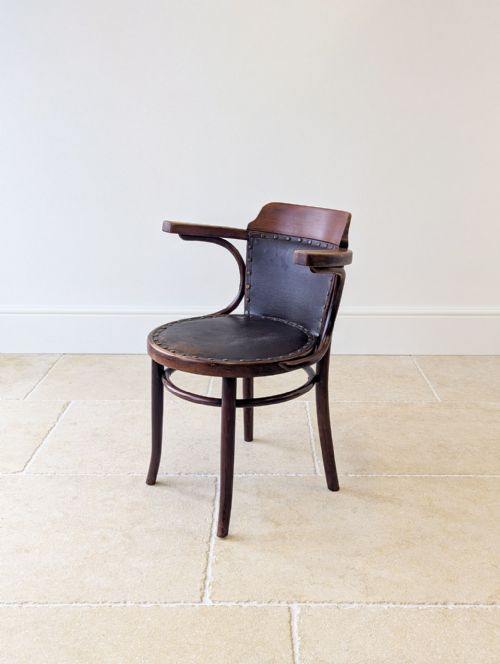
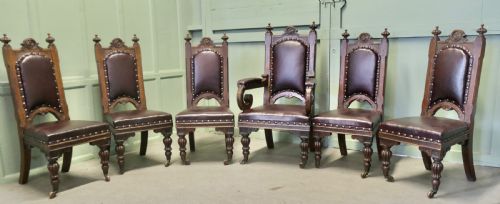
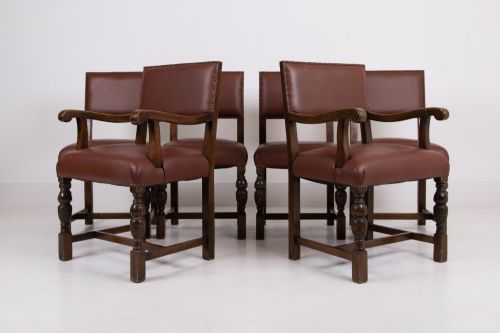
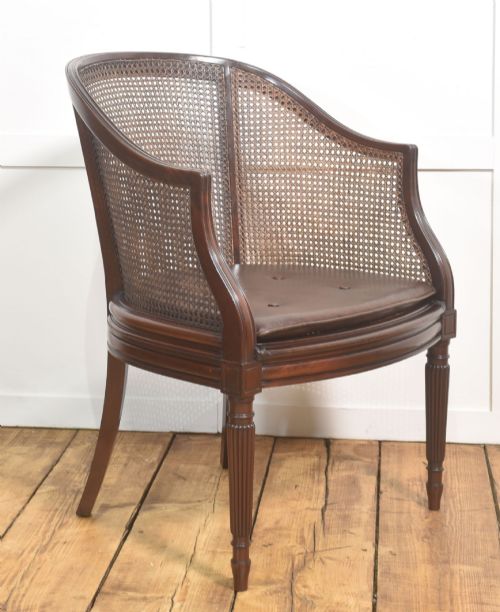
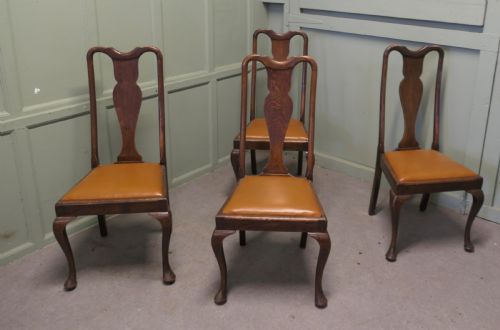
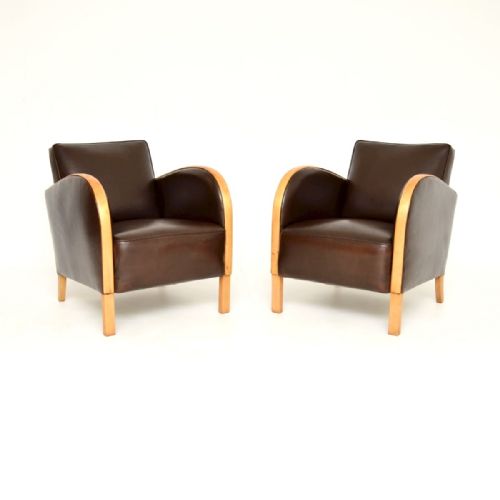
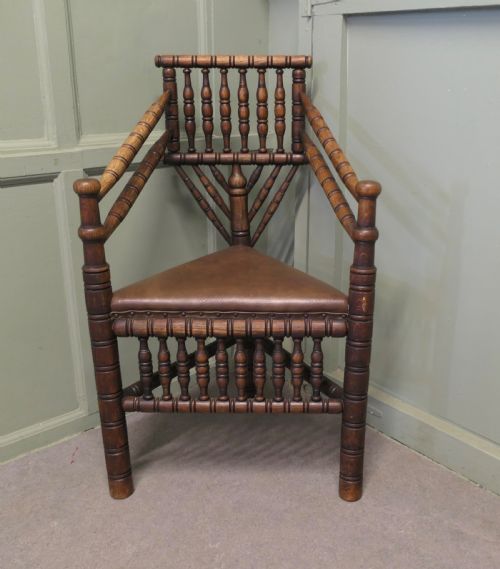
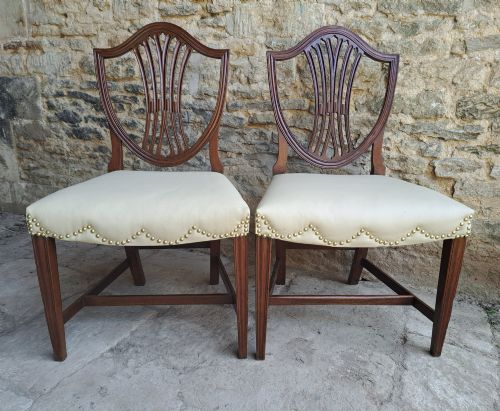
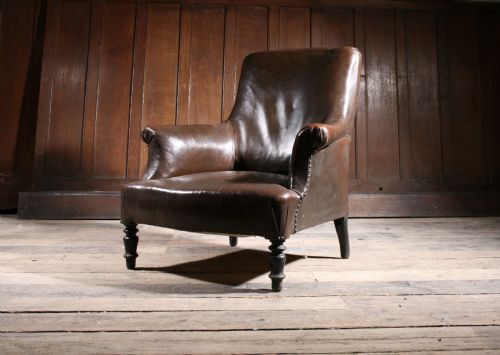
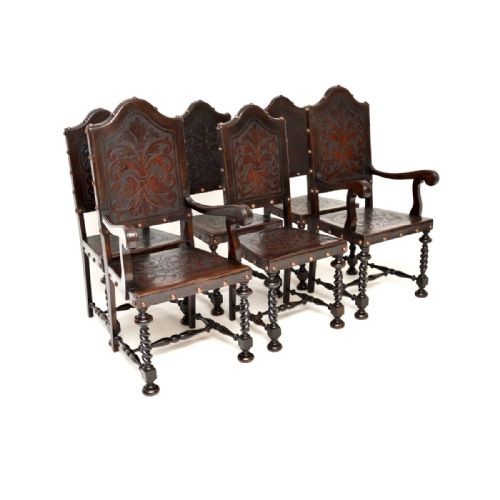
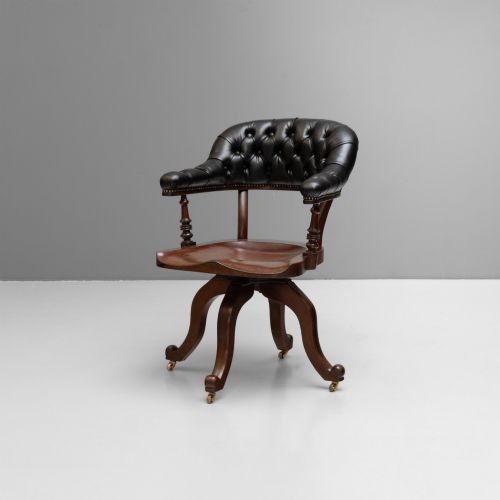
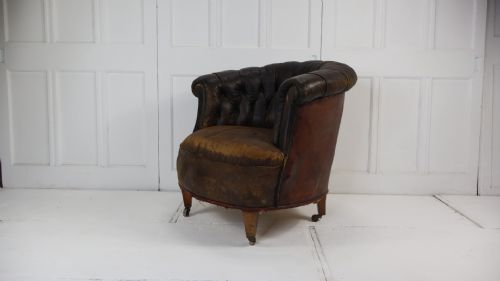
A dark brown leather chair combines sturdy timber frames with deep-toned hides, spanning armchair forms from the Regency era through to Swedish Modern design. Buyers searching for a dark brown leather chair encounter nineteenth-century French models, Victorian button-backed reading seats, and low-slung club chairs.
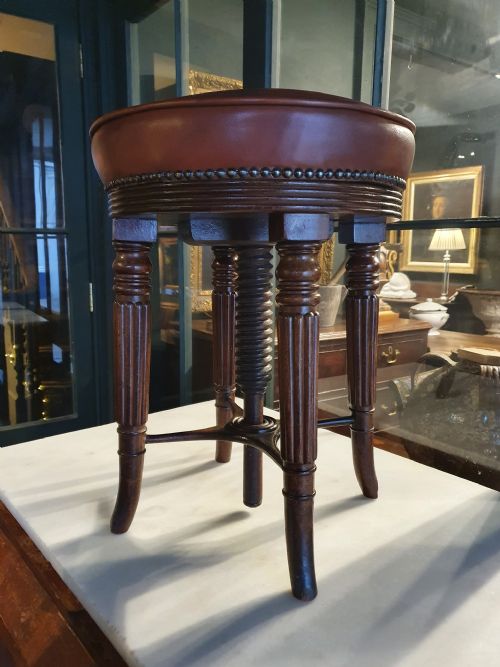
Makers and workshops across Britain, France, and Sweden produced these seating options utilising robust woods like mahogany, birch, oak, and rosewood. The resulting forms range from formal parlour chairs to relaxed club seating.
What varies in quality
The calibre of a dark brown leather chair rests on the depth of the hide's patina and the crispness of any hand-carved woodwork on the frame. Subtle variations in the tanning process and the suppleness of the surviving leather distinguish standard production from finer workshop pieces.
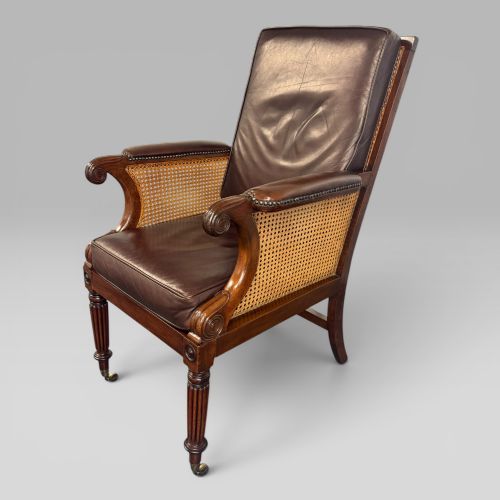
Structural integrity depends on the original joinery within the mahogany, oak, or rosewood framework, alongside the preservation of original brass studding and cane work. Pieces maintaining their early hand-dyed finishes demonstrate superior material retention over later replacements.
Retail Price Guide 2026
Typical UK retail prices for dark brown leather chair, calculated from the Sellingantiques database of over a million retail prices indexed since 2003. This retail price guide relies exclusively on Sellingantiques data; no external sources or auction records are used, so the figures do not describe the wider market.
Listings feature woods including oak, mahogany, rosewood, and birch paired with leather and brass.
The Dark Brown Leather Chair Glossary
- Bergère
- An enclosed upholstered armchair with wooden framing exposed around the sides and back. These frames are frequently carved from oak or beech.
- Cabriole leg
- A furniture leg that curves outward and then tapers inward, finishing in a pad or foot. This form appears frequently on Victorian rosewood armchairs.
- Hand dyed leather
- Hide treated with aniline or similar dyes applied by hand to achieve tonal variation and depth. This finish develops a rich patina over decades of use.
- Howard style
- A nineteenth-century seating design characterised by deep, comfortable proportions and low rolled arms. It prioritises relaxed domestic lounging over stiff formality.
- Regency
- A British architectural and decorative period spanning the early nineteenth century. Furniture from this time draws inspiration from classical Greek and Roman forms.
Frequently Asked Questions
How do I care for antique leather?
Keep the hide clean using a dry cloth and apply specialist leather balms sparingly to prevent drying.
Position the seat away from direct sunlight and heat sources to maintain the natural integrity of the material.
Are these chairs suitable for daily use?
Most nineteenth-century and later club armchairs were built for sustained domestic seating with robust hardwood frames.
Checking the underlying webbing and springs ensures the seat handles regular sitting without undue strain.
How do I identify a French club chair?
French models usually feature deep, enveloping seats upholstered in hand-dyed dark leather with minimal exposed woodwork.
They often lack the rigid internal springing of contemporary seats, offering a softer, more relaxed sit.
What distinguishes Victorian styles from Regency pieces?
Regency designs lean towards classical restraint with clean lines and dark mahogany or birch frames.
Victorian iterations, such as button-back armchairs, favour ornate carving, rosewood timbers, and plush, padded upholstery.