
Traditional Leather Club Chair
A traditional leather club chair offers deep seating and heavy hide upholstery, built to anchor a room with substance and comfort.
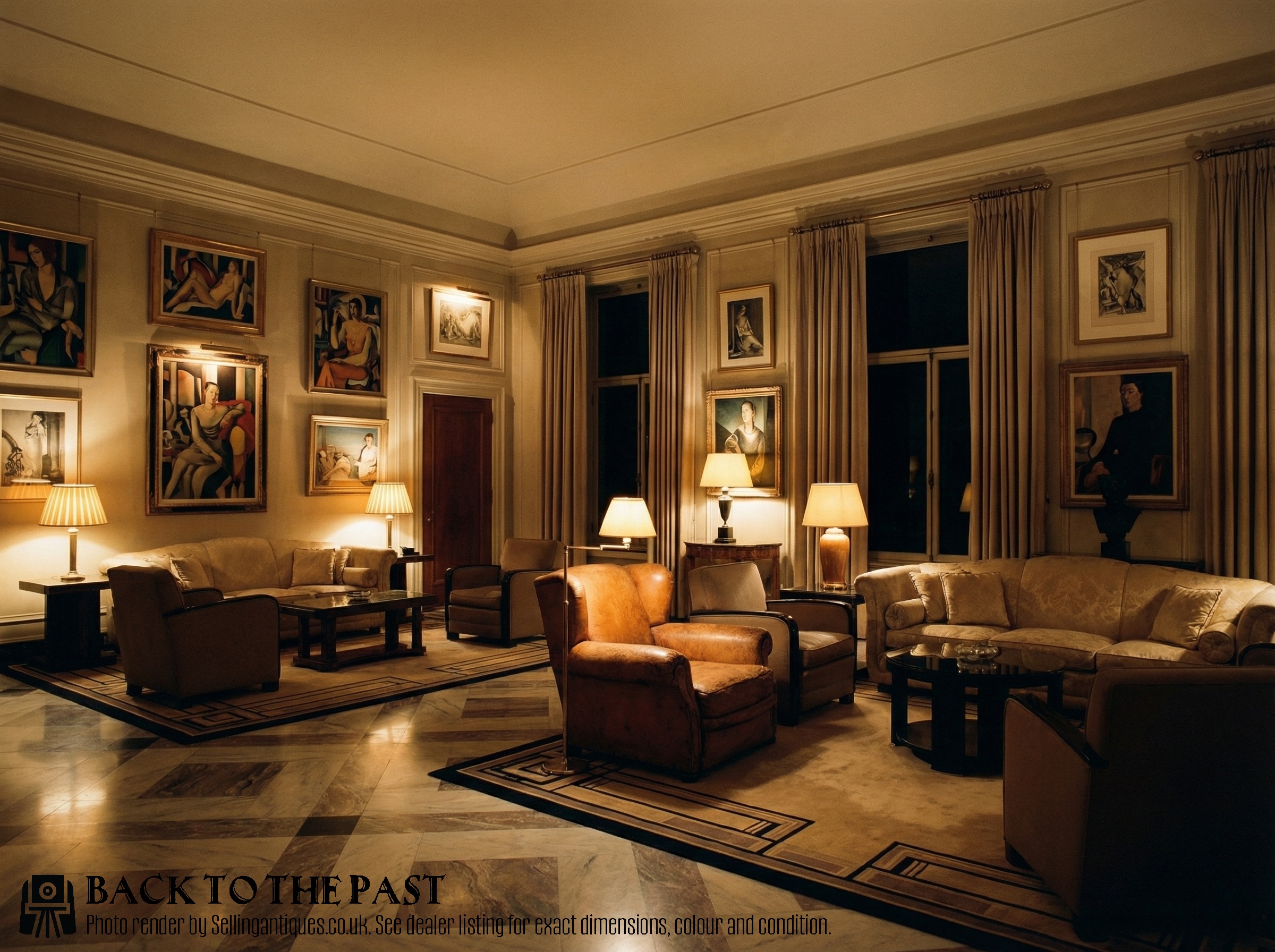
Traditional Leather Club Chair
A traditional leather club chair brings together substantial proportions and deep cushioning to create an inviting seat. Buyers searching this phrase encounter heavy armchairs designed for long hours of reading or fireside sitting.
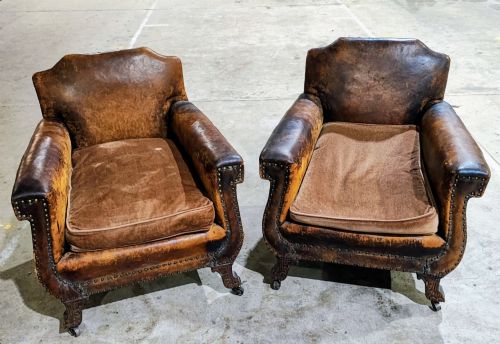
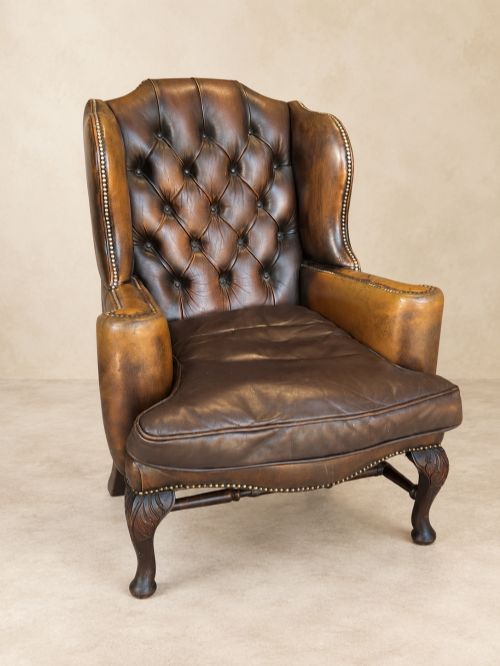
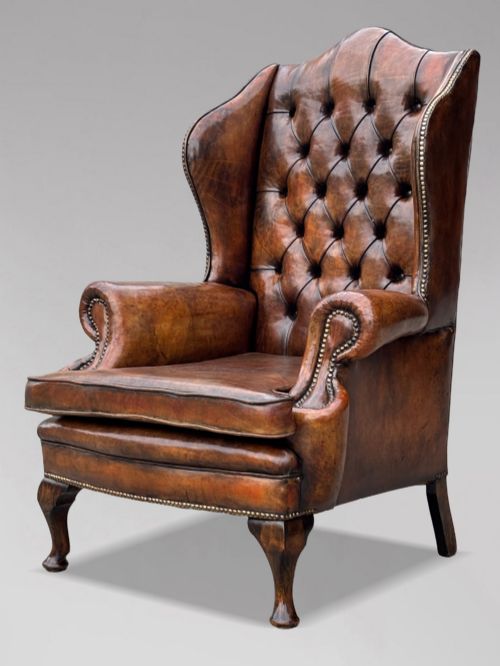
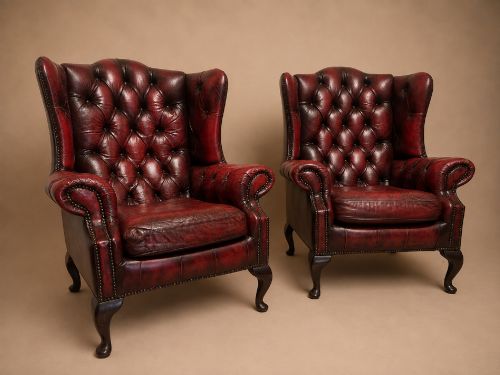
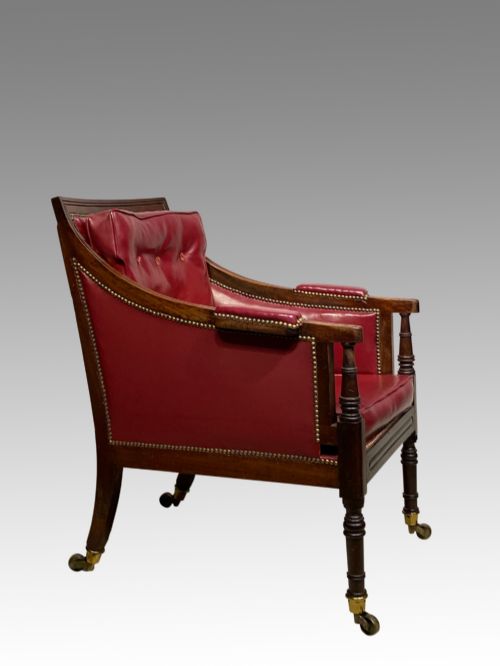
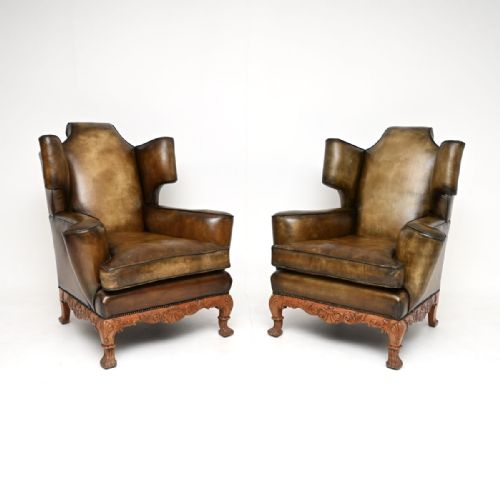
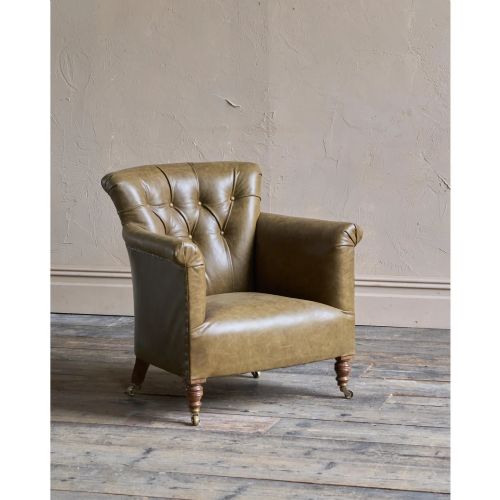
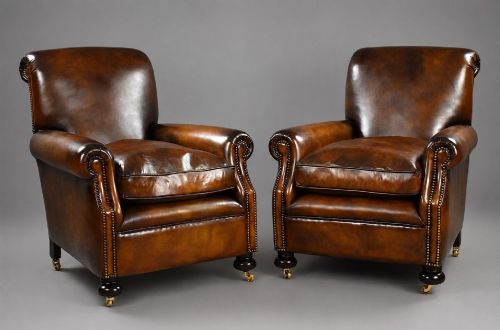
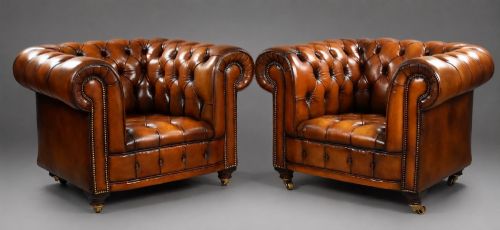
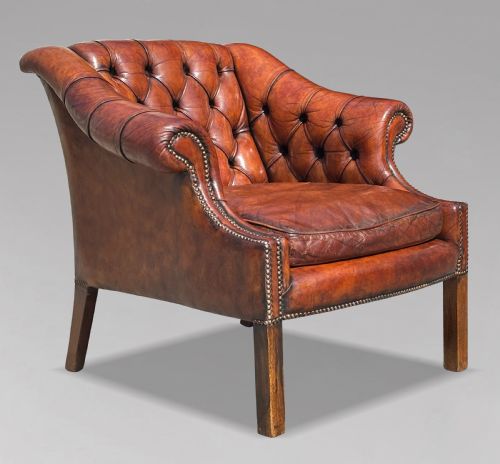
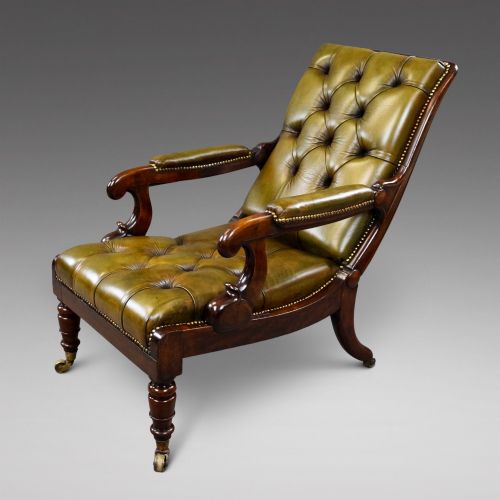
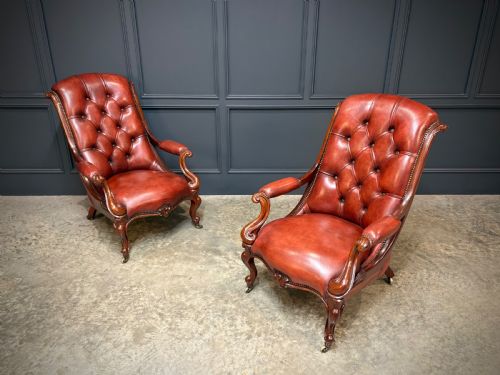
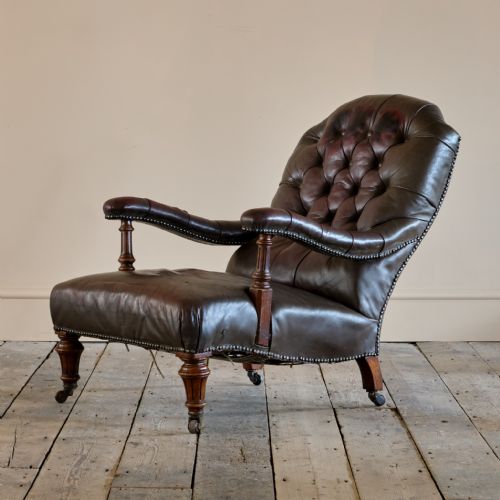
The selections span distinct historical eras, with Victorian, Edwardian, and Art Deco pieces appearing frequently. Many examples feature wingbacks or buttoned backs, showing the heavy influence of traditional library and club room seating.
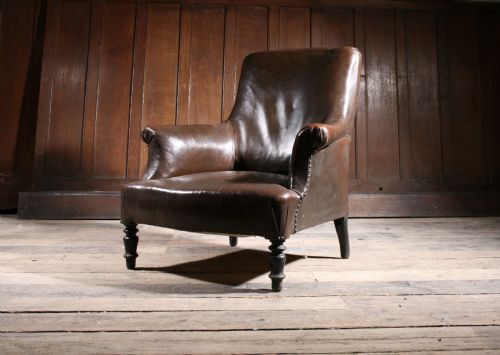
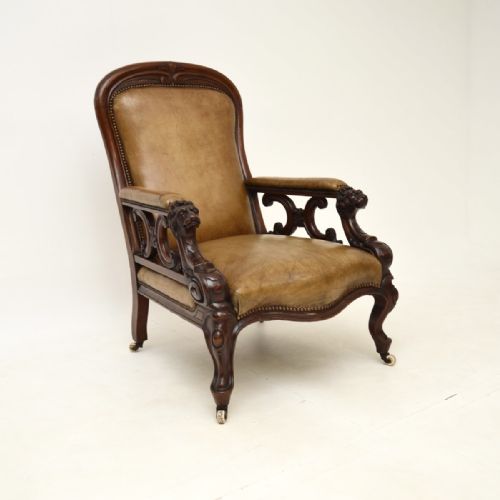
Origins vary across English, French, and Swedish workshops, bringing different nuances to the heavy timber frames and patinated hides. Buyers will find armchairs ranging from straightforward oak and mahogany frames to elaborate carved mahogany supports.
How they were made
Makers built the foundational frames using sturdy hardwoods such as oak, mahogany, walnut, and rosewood. These dense timbers supported the heavy weight of the sprung seats and thick upholstery.
Upholsterers stretched durable leather and sheep's hide over stuffing, securing the edges with brass nails and deep buttoning. The timber legs often incorporated brass castors or carved details like claw and ball feet.
Traditional Leather Club Chair Retail Price Guide 2026
Typical asking prices for traditional leather club chair among the pieces listed under this phrase on Sellingantiques today, from the lower quarter to the upper quarter. They describe what is for sale here now, not the wider market.
The listings show oak, mahogany, walnut, and rosewood frames paired with traditional leather and sheep's hide upholstery across Victorian, Edwardian, and Art Deco periods.
What varies in quality
The depth of the hide's natural grain and the richness of its patina set finer examples apart from simpler iterations. Supple leather that shows character from age commands greater attention than uniform modern surfaces.
Frame construction and carving complexity dictate the tier of craftsmanship in each piece. Simple oak elbows sit at a different level of workshop output compared to heavily carved mahogany frames with detailed joinery.
Howard and Sons·Heals of London
The Traditional Leather Club Chair Glossary
- Buttoned
- Upholstering technique where depressions are formed in the padding by pulling twine tightly through to the frame, creating a diamond pattern secured with buttons.
- Wingback
- An armchair featuring protective side panels attached to the arms and back to shield the sitter from draughts.
- Library chair
- A heavy upholstered armchair designed for reading rooms, often featuring mahogany or oak frames and leather covering.
- Club chair
- A deep, low-slung armchair upholstered in heavy leather, originally associated with gentlemen's clubs.
- Patina
- The surface sheen and softening of colour developed by leather and wood through age and handling.
Traditional Leather Club Chair: Frequently Asked Questions
What defines a traditional leather club chair?
These armchairs combine deep, low seats with heavy leather upholstery designed for sustained comfort. They emerged from traditional club and library settings where durability and support mattered most.
Makers built them using sturdy hardwood frames and thick hides that develop a rich patina over decades of use.
How do I care for antique leather?
Historic hides require gentle cleaning and periodic conditioning to prevent the leather from drying and cracking. Keeping them away from direct heat sources preserves the natural oils in the material.
Allowing the leather to breathe maintains the soft texture and deep colour built up over generations.
Where were these armchairs used originally?
They populated private libraries, smoking rooms, and gentleman's clubs across Britain and Europe. Their robust construction suited spaces dedicated to long periods of reading and conversation.
Country houses and urban townhouses alike utilised these heavy seats to anchor large reception rooms.
How do I distinguish Victorian from Art Deco examples?
Victorian iterations tend to feature heavy carved mahogany frames, deep buttoning, and traditional wingback silhouettes. They lean on classic revival styles with elaborate woodwork.
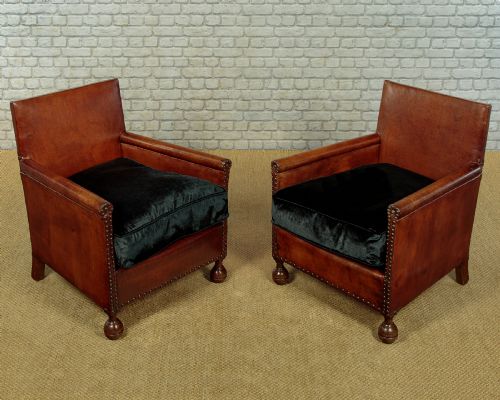
Art Deco pieces introduce smoother lines, caramel tan hides, and sheep's hide upholstery with simpler, more streamlined profiles.