



Vintage Chesterfield Armchair
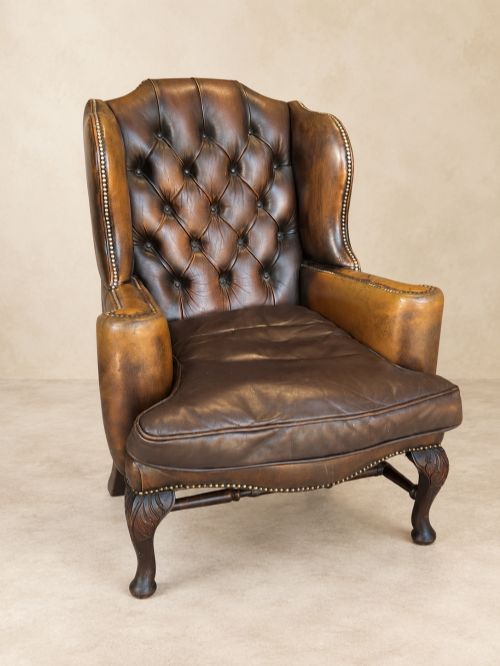
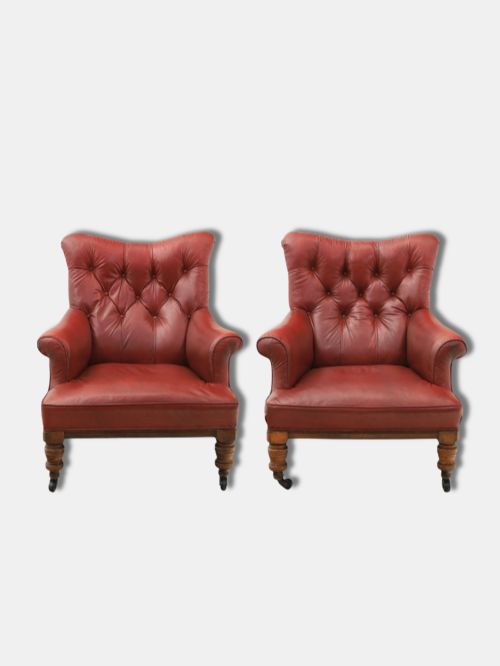
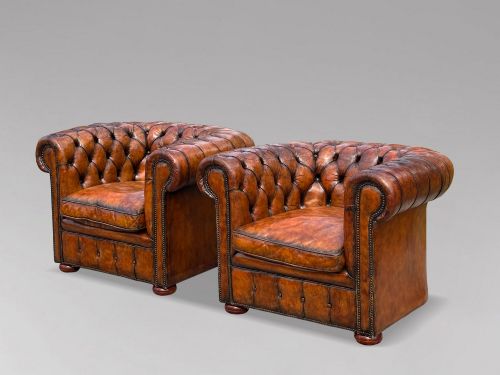
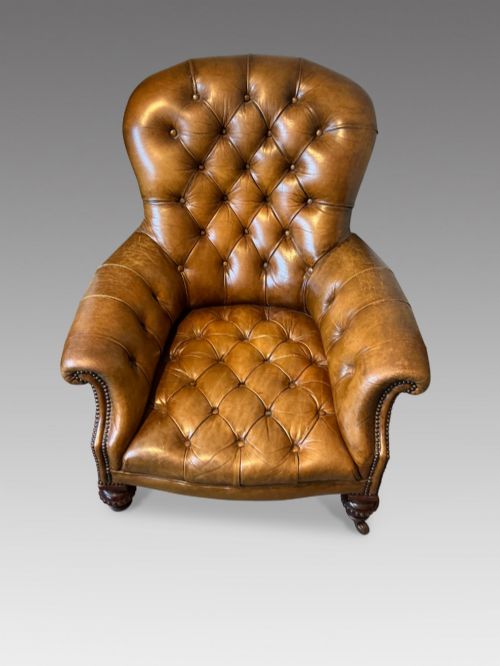
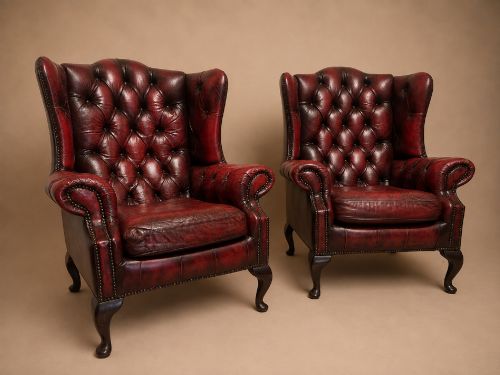
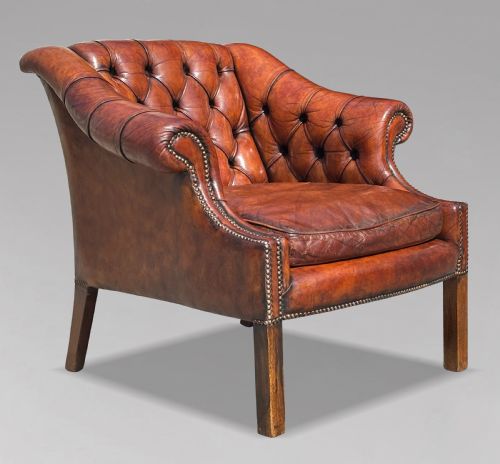
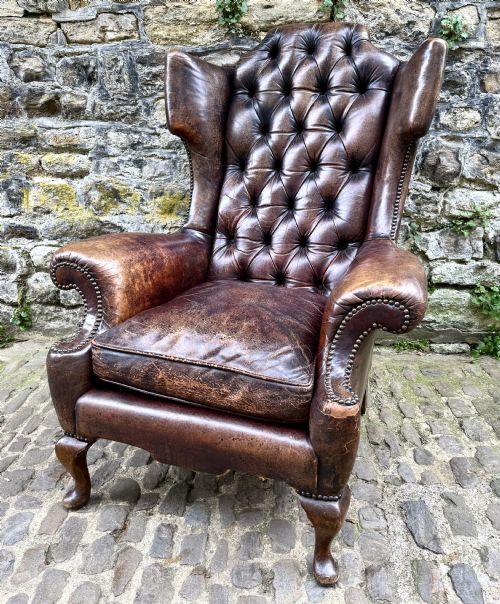
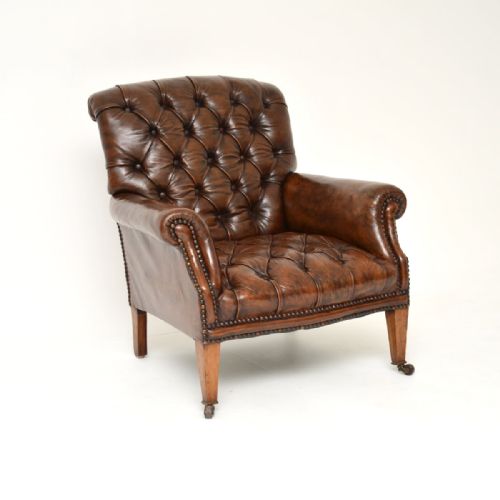
These vintage chesterfield armchair examples combine deep buttoning, rolled arms, and rich leather to anchor a room with enduring character.
Vintage Chesterfield Armchair
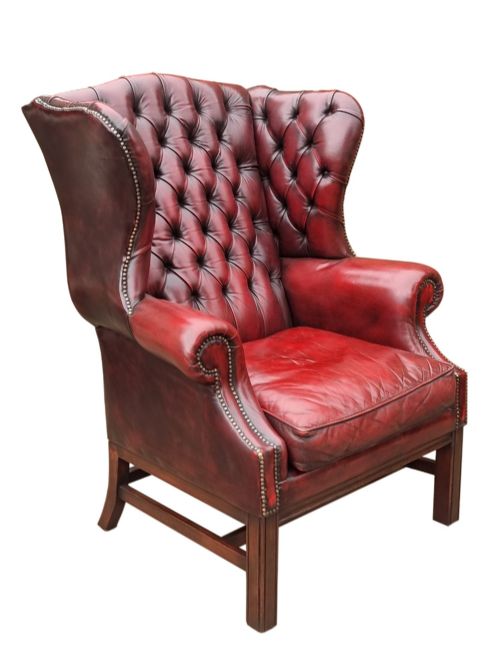
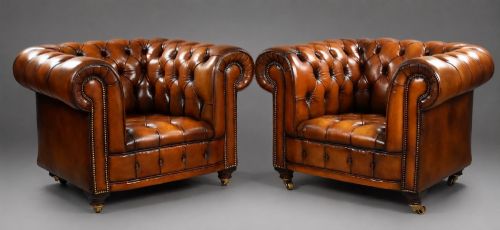
A vintage chesterfield armchair brings traditional English seating to a room, defined by its signature buttoned upholstery and scrolled armrests. You will frequently encounter club chairs, wingbacks, and library seating spanning the Victorian, Edwardian, and early twentieth-century periods.
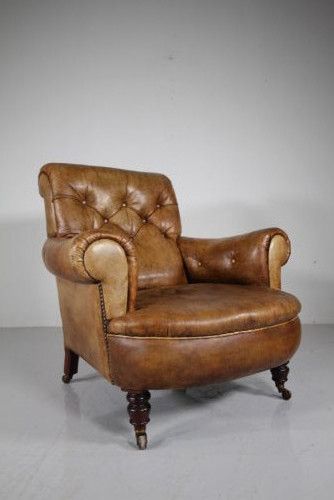
The forms range from compact desk chairs to substantial porter's chairs and pairs upholstered in brown, tan, or oxblood leather. These seats were built for studies, libraries, and formal reception rooms where comfort and presence mattered equally.
Makers utilised robust timber frames, including mahogany, oak, and general hardwood, to support heavy sprung interiors. The surviving examples demonstrate how classic seating adapts from formal Georgian proportions to relaxed twentieth-century lounging.
How they were made
Frames rely on sturdy timbers such as mahogany, oak, and assorted hardwoods to provide a rigid skeletal foundation for heavy daily use. Traditional joinery ensures the structural integrity of the arms and backrest remains sound over generations.
Upholstery centres on natural leather, sometimes finished in red oxblood or hand-dyed brown tones, alongside alternative coverings like Rexine on specific period pieces. Deep tufting and individual brass studs secure the leather tightly to the internal padding and frame.
The listings here span from the 18th century through to the 1940s, featuring timber frames of mahogany and oak alongside brass and leather.
What varies in quality
The depth and uniformity of the hand-tufting dictate the visual discipline of the piece, separating standard production from superior craftsmanship. Finer examples display meticulous pleating around the scroll arms and wingbacks.
The substance of the leather and the integrity of the timber frame define the lifespan of the armchair. Heavier hardwood frames and supple, hand-dyed hides age gracefully, whereas lesser builds compromise on internal support and hide thickness.
ROBERT MOUSEMAN THOMPSON·HOWARD & SON'S
The Vintage Chesterfield Armchair Glossary
- Chesterfield
- A traditional style of upholstered seating characterised by arms and backs of the same height, traditionally featuring deep button tufting. This form has anchored British interiors for centuries.
- Wingback
- An armchair featuring protective side panels attached to the backrest designed to shield the sitter from draughts. These chairs are common in period libraries and studies.
- Oxblood
- A deep, dark reddish-brown leather colour frequently utilised on traditional club chairs and library seating. It develops a rich patina with handling.
- Rexine
- A brand of artificial leather fabric used as an upholstery material on certain mid-period and twentieth-century chairs. It offers a durable alternative to natural hide.
- Tufting
- A method of pulling upholstery thread or twine deeply through the padding and securing it with buttons to create a diamond pattern. This technique keeps internal stuffing evenly distributed.
Vintage Chesterfield Armchair: Frequently Asked Questions
What defines a chesterfield armchair?
A chesterfield armchair is recognised by its signature scrolled arms that match the height of the backrest, accompanied by deep button tufting. This silhouette has remained a staple of British interior design for generations.
These chairs rely on heavy leather upholstery and sturdy timber frames to deliver a distinctive combination of formal presence and deep seating comfort.
How do I date a leather armchair?
Dating involves examining the timber species in the frame, the style of the legs, and the method of leather attachment. Victorian and Edwardian examples often display specific turning on wooden feet or characteristic wing proportions.
Comparing the upholstery techniques, such as the placement of brass studs and the cut of the hide, helps pinpoint whether a chair originates from the nineteenth or early twentieth century.
Where were these armchairs used?
These armchairs traditionally furnished private libraries, gentlemen's clubs, studies, and drawing rooms across Britain. Their robust construction was intended for long hours of reading or writing.
In contemporary spaces, they function equally well as statement reading chairs in living rooms or as commanding desk seating in home offices.
How should I care for vintage leather?
Maintaining vintage leather requires regular dusting with a soft cloth and occasional treatment with appropriate leather balms to prevent drying. Keeping the hide away from direct heat sources preserves its natural suppleness.
Avoiding harsh chemical cleaners ensures the original hand-dyed finish and developed patina remain undisturbed over years of use.