


Vintage Leather Fireside Chair
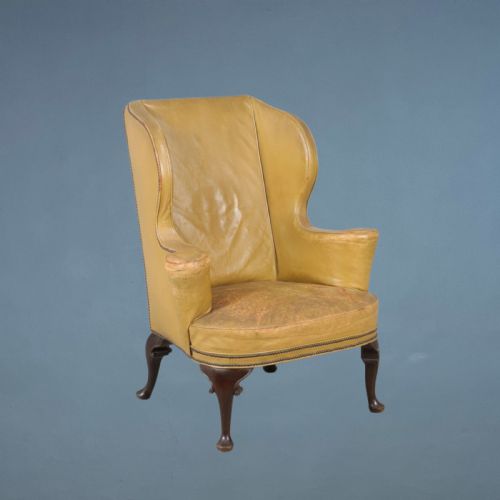
A vintage leather fireside chair brings warmth and weight to a room, offering deep seats shaped by decades of quiet use.
Vintage Leather Fireside Chair
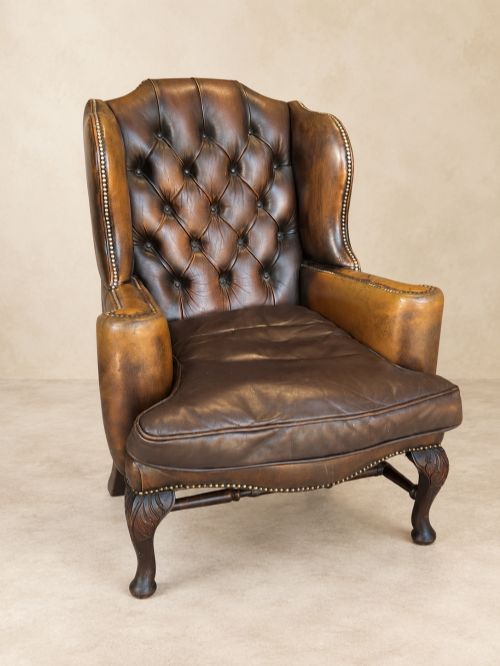
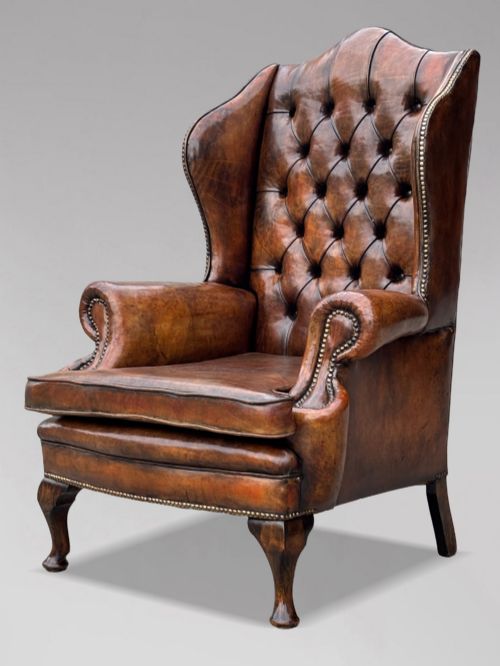
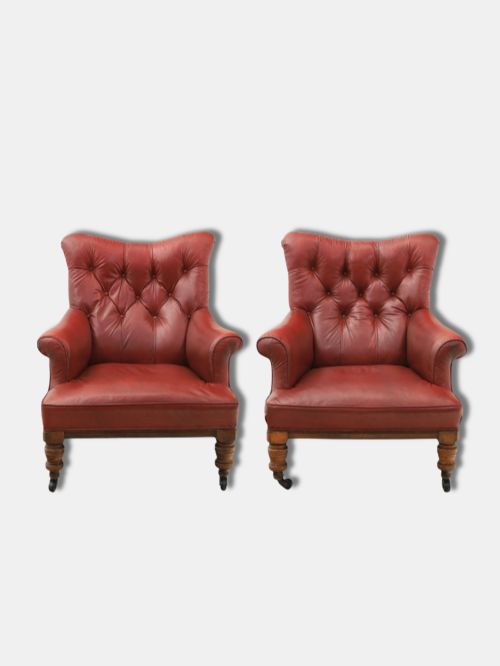
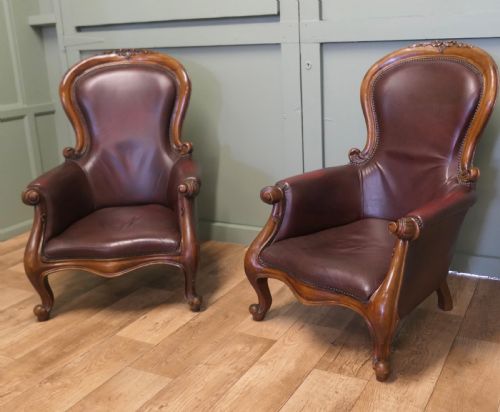
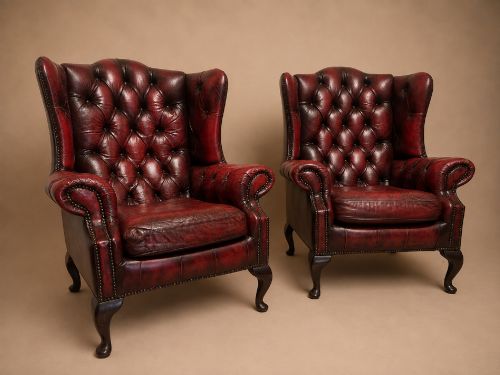
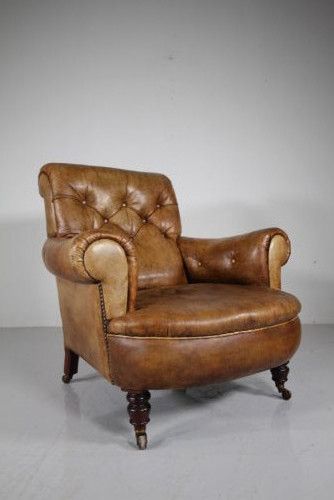
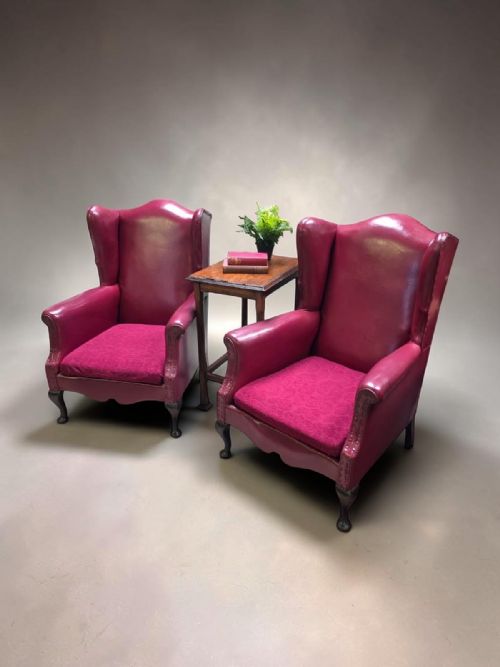
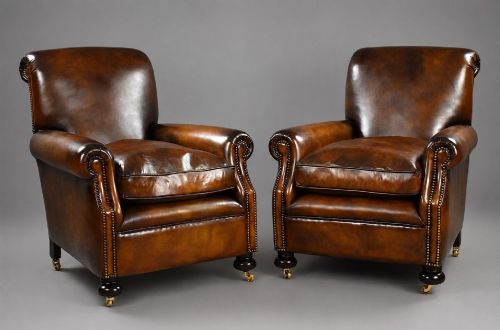
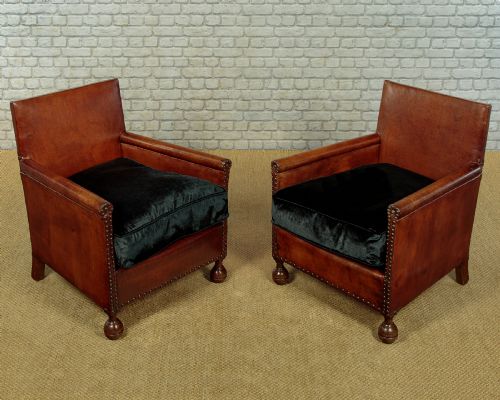
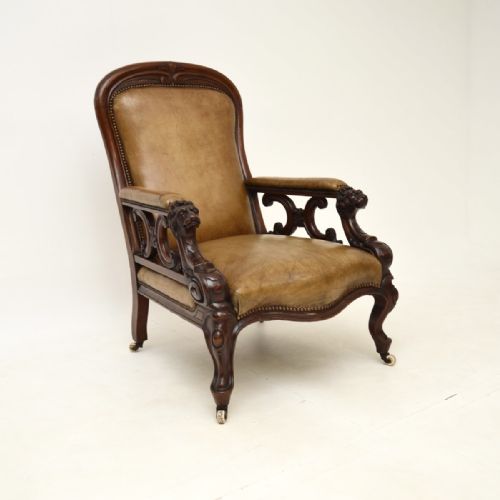
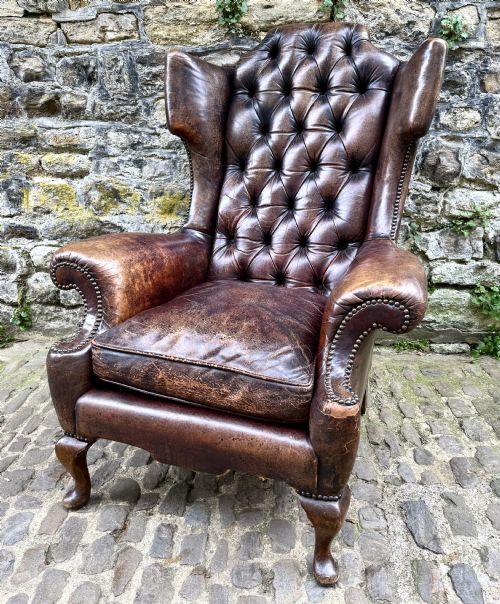
When searching for a vintage leather fireside chair, expect to encounter substantial seating built for comfort, frequently taking the form of wing armchairs, club chairs, and low lounge designs. These pieces span periods from the Victorian era through the early twentieth century, reflecting traditional domestic spaces.
The most common examples on this page date from the late nineteenth century and the 1920s, often presenting broad proportions and deep seats designed for sitting near a hearth. Many show classic silhouettes influenced by Georgian or Edwardian tastes, paired with generous padding.
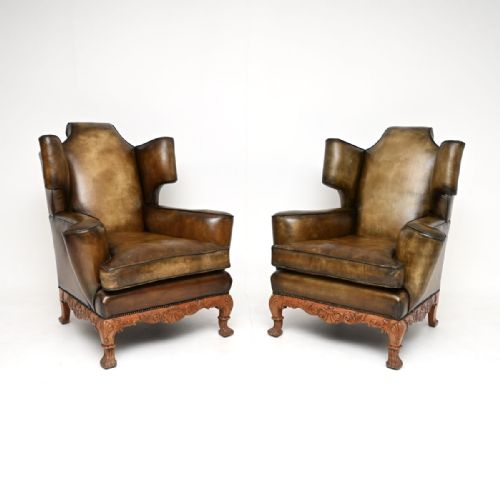
Makers and workshops from Britain and beyond produced these forms in oak, mahogany, walnut, and rosewood frames, upholstered entirely in leather or accented with brass hardware. The resulting furniture balances functional durability with domestic presence.
Construction and materials
Frames rely on dense timbers like oak, mahogany, walnut, and timber to provide structural integrity, often featuring carved wooden elements or exposed legs. Joinery methods from the nineteenth and early twentieth centuries ensure these heavy frameworks remain stable under daily weight.
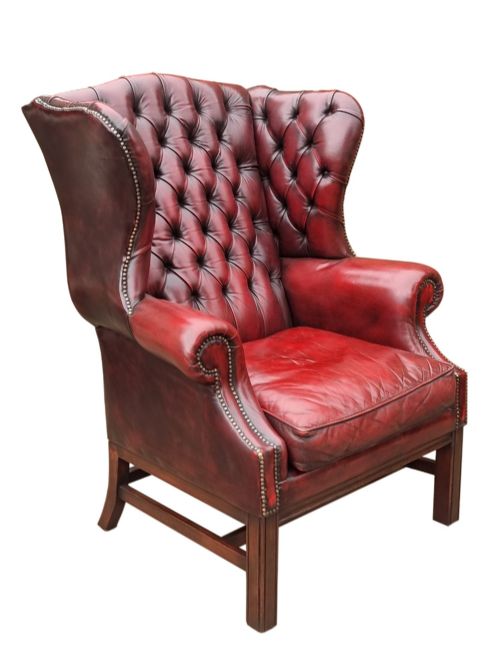
Upholstery centres on durable leather stretched over internal padding, sometimes finished with hand-applied brass tacking along the seams or button tufting across the backrest. Certain examples utilise alternative materials such as rexine or fabric alongside traditional hides.
Vintage Leather Fireside Chair Retail Price Guide 2026
Typical asking prices for vintage leather fireside chair among the pieces listed under this phrase on Sellingantiques today, from the lower quarter to the upper quarter. They describe what is for sale here now, not the wider market.
A Scottish school chair from 1920 sits quietly alongside nineteenth-century library seats, ready for a fresh chapter by the hearth.
Assessing quality and character
Quality rests in the harmony between the wooden frame's timber selection and the suppleness of the surrounding leather. Pieces with dense hardwood underpinnings and well-preserved hides demonstrate superior construction from the outset.
The depth of the patina and the integrity of the buttoning or stitching tell the story of a chair's longevity. Finer examples maintain structural balance while showing an even, authentic surface wear earned through years of domestic service.
Robert Mouseman Thompson
The Vintage Leather Fireside Chair Glossary
- Wingback
- A chair design featuring protective side panels attached to the arms or back, originally intended to shield the sitter from draughts near an open fire.
- Button back
- An upholstery style where buttons are pulled deep into the padding to create a quilted, secure surface that holds its shape over time.
- Club chair
- A low, deep-seated armchair designed for relaxation, typically wrapped in thick leather and built with generous proportions.
- Library chair
- A sturdy seat designed for reading rooms and studies, often combining functional wooden armrests with comfortable leather upholstery.
- Patina
- The surface sheen and softening of tone developed on leather and wood through age, handling, and exposure to light.
Vintage Leather Fireside Chair: Frequently Asked Questions
What defines a fireside chair?
These seats are built low and deep to sit comfortably beside a hearth, often incorporating high backs or wings to deflect draughts.
Their proportions encourage extended sitting, making them a traditional choice for living spaces and studies.
How do I care for vintage leather?
Keep the hide nourished with appropriate conditioners to prevent dryness and cracking over the years. Position the chair away from direct heat sources to preserve the natural suppleness of the material.
Gentle dusting with a soft cloth maintains the surface without disturbing the established patina.
How do I distinguish Victorian from Edwardian pieces?
Victorian examples tend to feature heavier carved wooden frames, darker woods like mahogany, and formal button tufting. They often display robust proportions and elaborate structural details.
Edwardian and later 1920s designs frequently move towards simpler lines, lighter timbers such as oak or walnut, and streamlined club chair shapes.
Where were these chairs originally used?
They served primarily in domestic parlours, libraries, and country house drawing rooms where warmth and comfortable seating were essential. Their sturdy construction suited daily family life.
Today, they transition easily into modern living rooms as statement reading chairs.