

Carved Wood Arm Chair
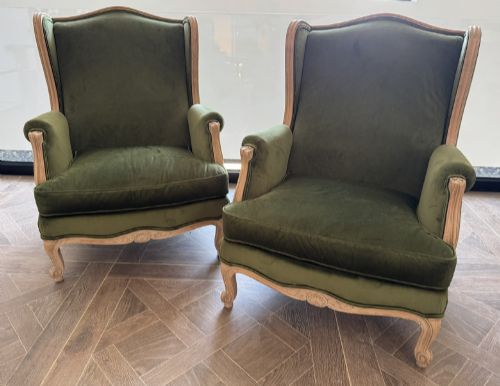
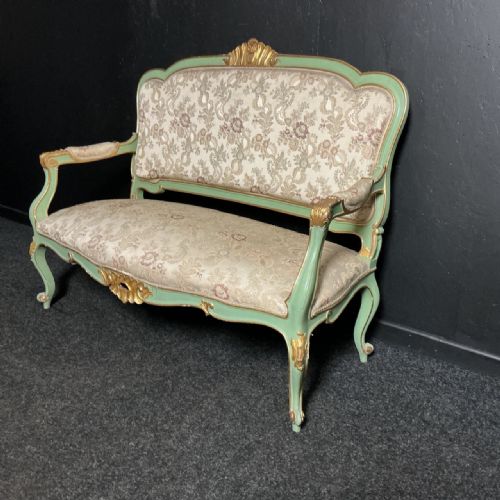
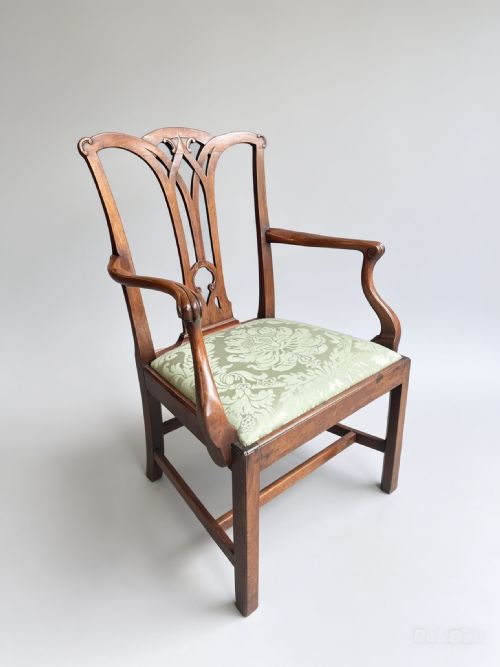
A carved wood arm chair brings architectural presence and tactile comfort to a room, drawing the eye with its sculptural frames and traditional craftsmanship.
Understanding carved wood arm chairs
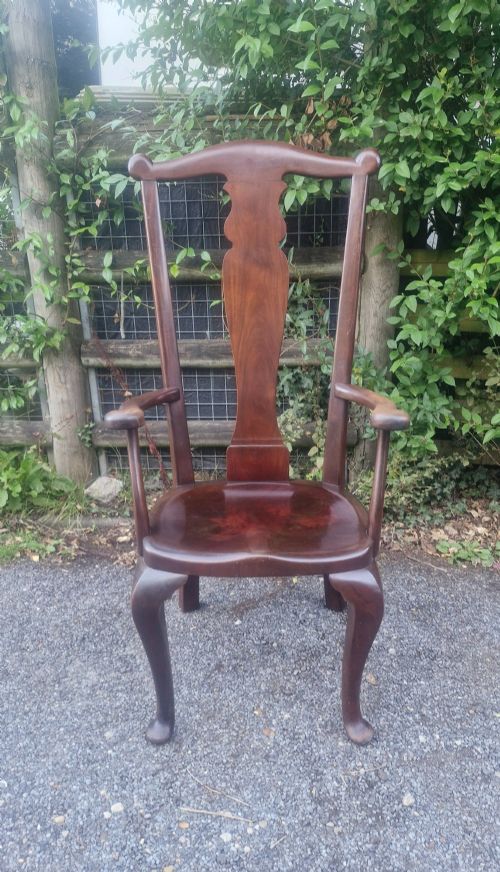
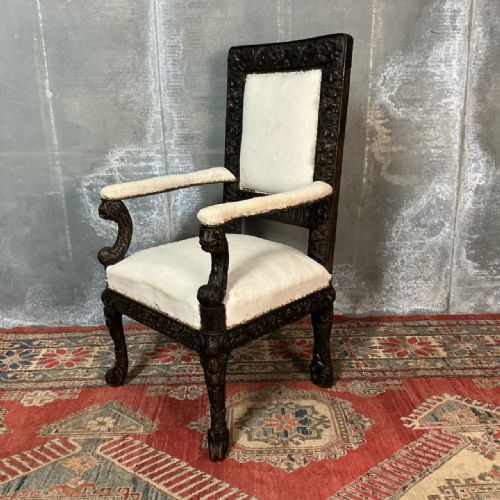
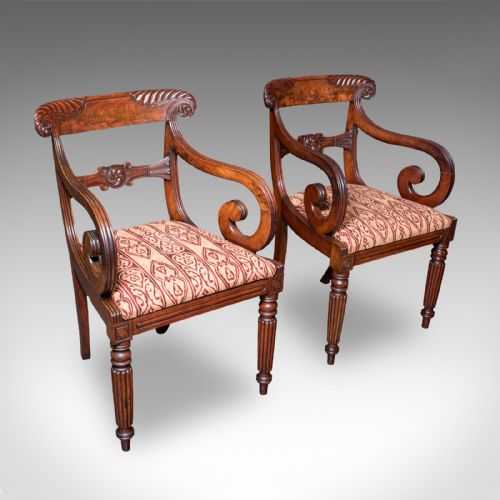
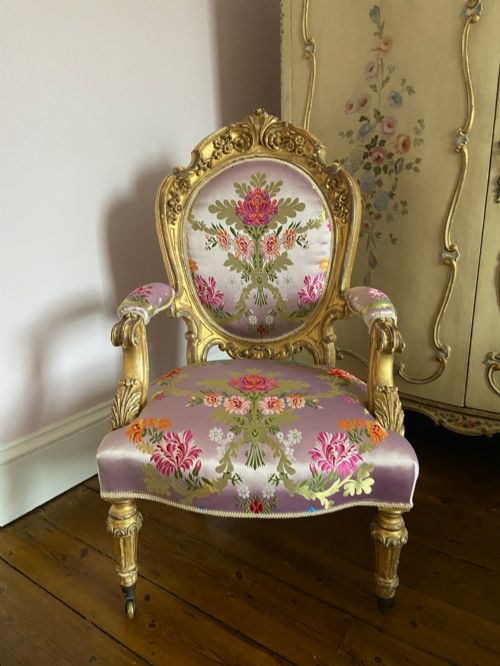
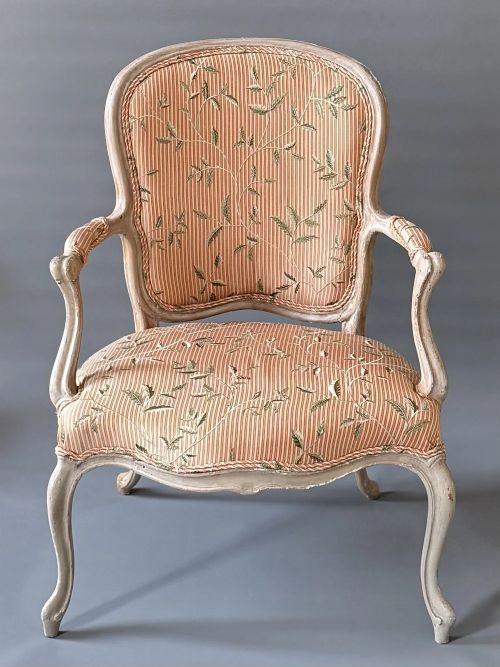
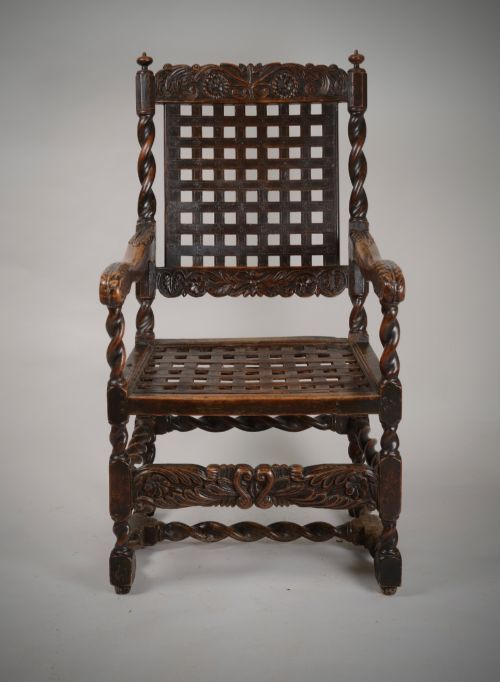
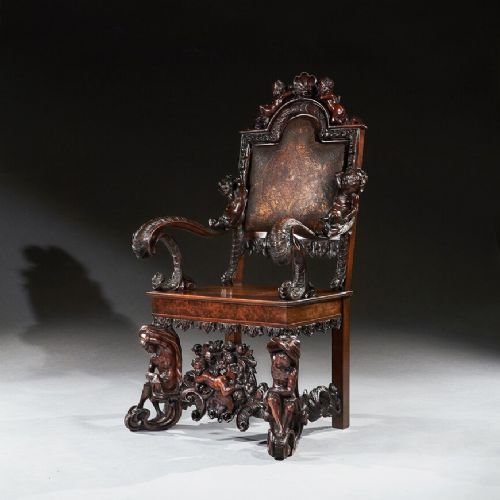
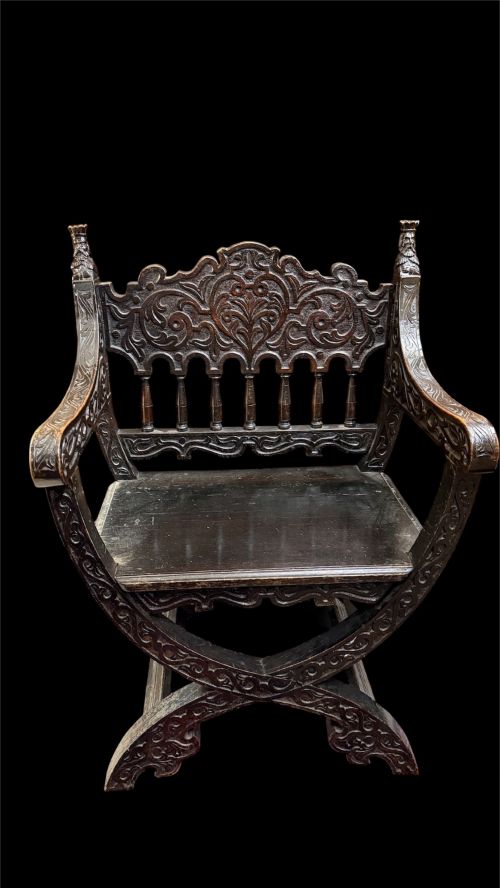
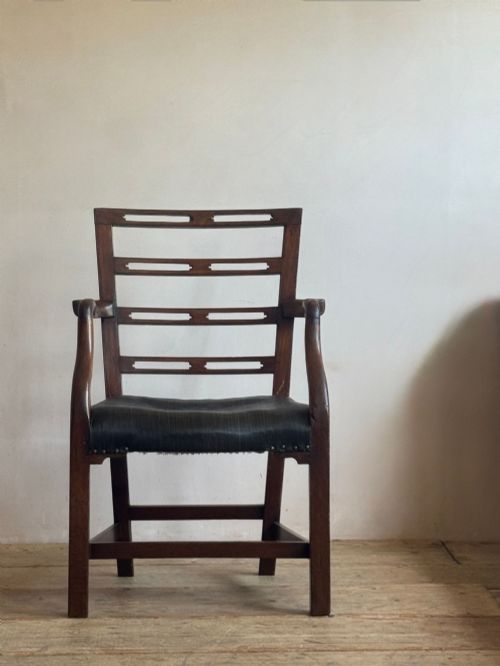
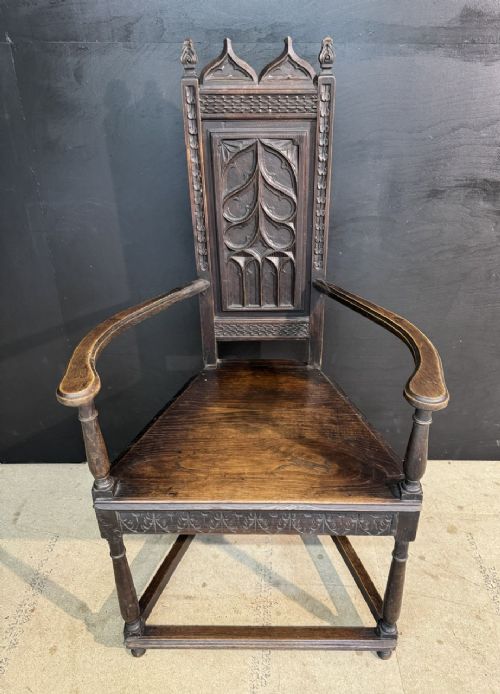
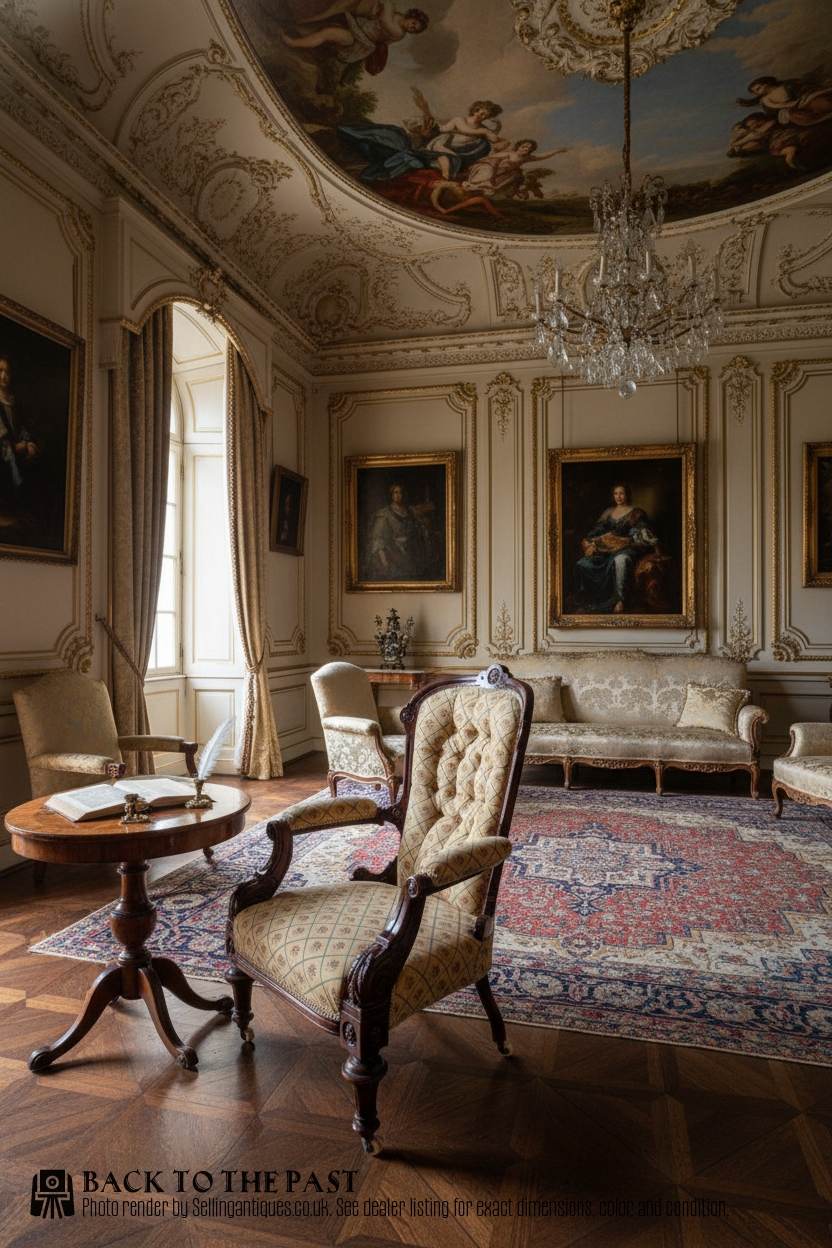
A carved wood arm chair is a seating form defined by its structural timber frame and decorative hand-carved detailing along the arms, back and legs. The pieces found here span the nineteenth century, including distinct Victorian, Georgian, Rococo Revival and Jacobean Revival aesthetics.
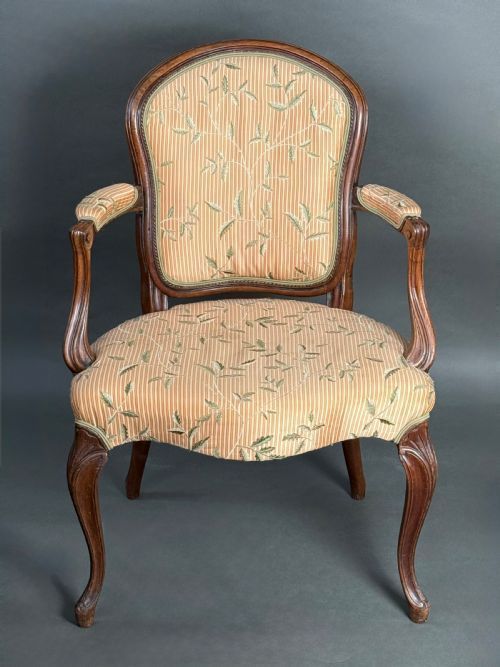
The versions most commonly met on this page include nineteenth-century English and French examples executed in walnut, mahogany, rosewood and giltwood. Makers utilised various woods to achieve either sombre, dark tones or bright, gilded surfaces tailored to formal reception rooms and private libraries.
Beyond standard open armchairs, the selection incorporates specialised forms such as wing armchairs, library armchairs, desk chairs and salon seating. These variations reflect the changing domestic requirements of nineteenth-century interiors, where specific seating was demanded for writing, reading or parlour socializing.
Distinctions in craftsmanship and design
The upper tier of these chairs is distinguished by the crispness and depth of the woodcarving, where motifs display sharp undercut details rather than shallow, mechanical shaping. Superior examples feature well-balanced proportions that marry decorative flamboyance with ergonomic comfort in the rake of the back and curve of the arm.
Material selection also dictates overall grade, with richly figured timbers, heavy gilt layers and high-grade original upholstery foundations marking out the finer productions. Lower tiers often show simpler turned elements, softer or more generic timber grains, and heavier secondary woods concealed beneath paint or dark varnish.
Retail Price Guide 2026
Typical UK retail prices for carved wood arm chair, calculated from the Sellingantiques database of over a million retail prices indexed since 2003. This retail price guide relies exclusively on Sellingantiques data; no external sources or auction records are used, so the figures do not describe the wider market.
Some nineteenth-century makers hid intricate floral carvings beneath the armrests where only the polishing cloth ever reached.
The Carved Wood Arm Chair Glossary
- Giltwood
- Timber that has been coated with gold leaf applied over a fine gesso base. This technique was widely utilised on formal salon chairs to create a brilliant, reflective surface.
- Show wood
- Polished or carved timber left deliberately exposed on an upholstered chair frame. It highlights the quality of the material and the skill of the woodcarver.
- Fauteuil
- An open-framed upholstered armchair originating in France, typically featuring exposed wooden arms and legs. The style emphasises lightness and decorative carving.
- Rococo revival
- A nineteenth-century design movement inspired by eighteenth-century French rococo aesthetics. It is characterised by asymmetrical scrollwork, floral motifs and curving lines.
- Hongmu
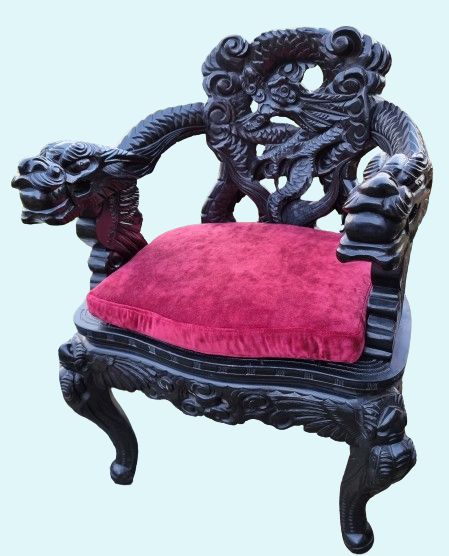
- A traditional Chinese term for dense, heavy hardwoods used in high-status furniture. These dark timbers allow for extremely crisp and intricate relief carving.
Frequently Asked Questions
How do I identify the period of an armchair?
Dating relies on examining the timber species, joinery methods, and stylistic vocabulary used in the carved ornament. Cabinetmakers in different decades favoured specific revival styles, such as heavy Jacobean oak or ornate French giltwood.
Secondary woods and upholstery webbing also offer clues to the exact era of manufacture. Comparing the framing techniques against dated historical examples helps confirm the timeline.
Were these chairs used at desks or in parlours?
These seats served multiple functions depending on their specific form and upholstery depth. Library and desk variants were built for sustained reading and writing, while salon and drawing-room chairs prioritized social gatherings.
Some heavy timber versions functioned as throne chairs or conversation seats in formal reception spaces. Their placement in nineteenth-century homes depended entirely on the room's social hierarchy.
What is the difference between open armchairs and wing chairs?
Open armchairs feature exposed wooden sides with padded or unpadded armrests, allowing for a lighter visual profile in a room. Wing chairs incorporate upholstered side panels designed to trap heat from a fireplace and shield the sitter from draughts.
Both types utilise carved wooden frames, but the wing chair prioritizes enclosed comfort and upholstery. Open armchairs focus more heavily on the display of the carved timber structure.
How should I care for antique carved timber?
Preserving the wood requires maintaining stable room humidity and avoiding direct exposure to strong sunlight or heat sources. Gentle dusting with a dry, soft cloth prevents particulate buildup without harming the finish.
Harsh chemical polishes should be avoided in favor of traditional beeswax applied sparingly. This protects the original patina and keeps the carved details clear.