



Victorian Leaded Panel
A victorian leaded panel brings rich colour and historic architectural glasswork into a room.
Victorian Leaded Panel
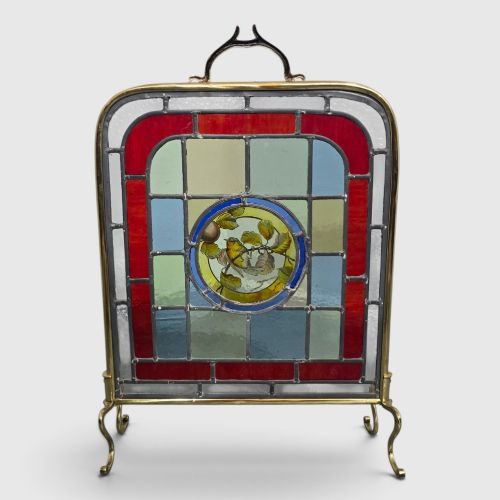
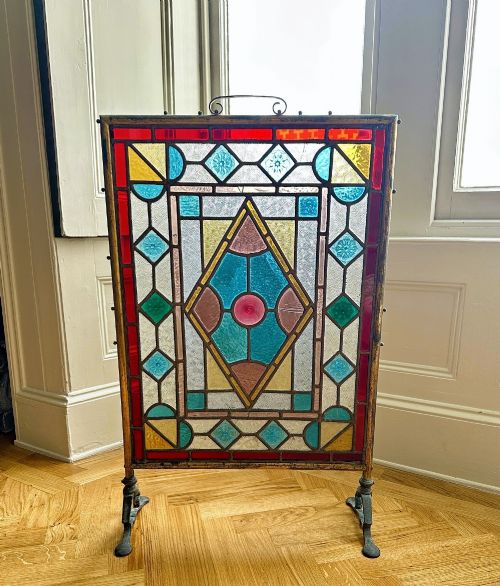
A victorian leaded panel comprises coloured, clear, or painted glass held together within a network of lead cames, frequently appearing as standalone architectural salvage or incorporated into windows, doors, and firescreens.
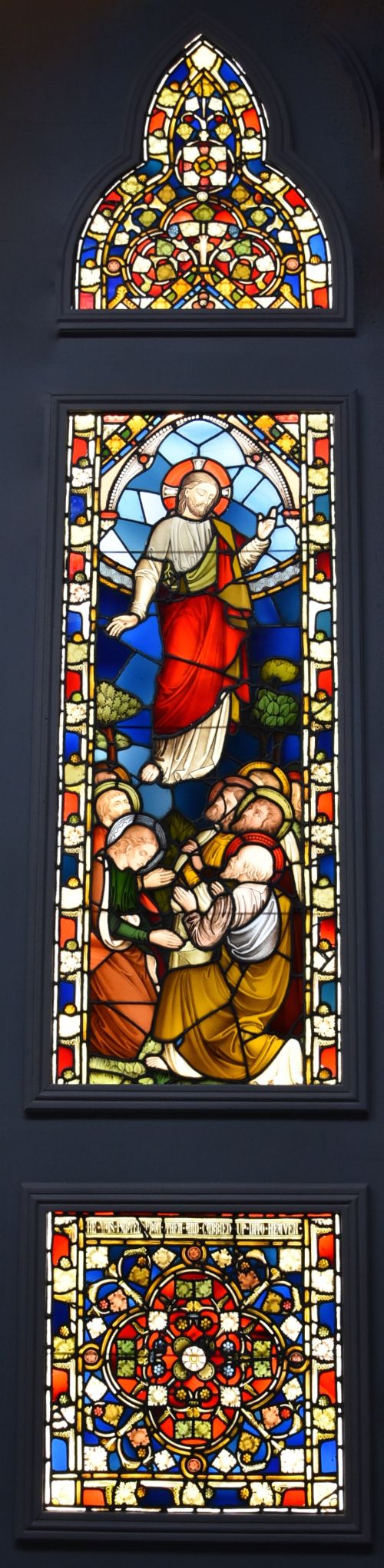
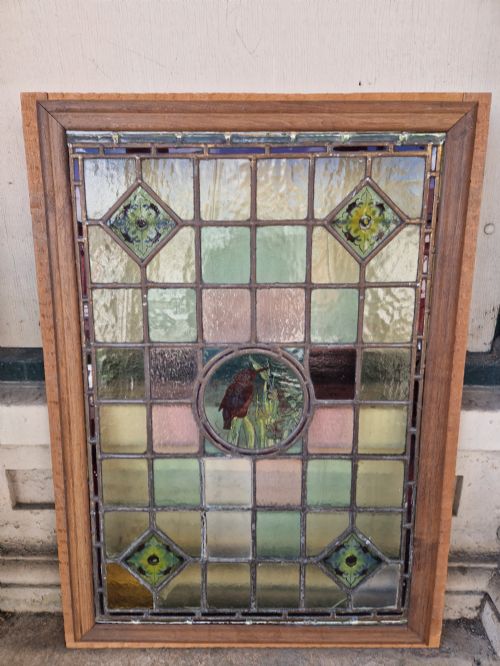
The selection here encompasses church windows with arch tops, domestic decorative panels, and architectural inserts spanning the nineteenth century into the Edwardian era.
Makers and workshops utilised these glazed sections within larger household fixtures, such as bookcases, display cabinets, and brass or iron firescreens.
Materials and construction
Glaziers shaped and soldered pliable lead strips around individual pieces of glass, which included cut, painted, and stained varieties depicting figures, landscapes, and floral motifs.
Frames and structural supports relied upon timber such as oak, alongside metal elements in brass and iron used for firescreens and architectural stands.
Hand-painted scenes preserve tiny details of winter landscapes, sailing boats, and knights in full armour frozen in lead.
Factors of quality
Quality rests in the intricacy of the hand painting on the glass, seen in detailed scenes of knights, birds, landscapes, and religious subjects rather than plain leaded grids.
The integration of the panel into its housing, whether an oak cabinet or a church window arch top, defines the preservation and execution of the piece.
Swaine Bourne·Sir Edward Burne Jones
The Victorian Leaded Panel Glossary
- Came
- A slender grooved strip of lead used to hold pieces of glass together in a window or panel. These strips form the geometric or pictorial grid of the design.
- Bullseye
- A circular imperfection or centre portion of blown glass showing a concentric ripple. They appear in leaded panels to let in light while distorting direct vision.
- Stained glass
- Glass that has been coloured during its manufacture by the addition of metallic oxides. Painters then applied enamel details before firing the sheets in a kiln.
- Architectural salvage
- Building parts rescued from structures slated for demolition or alteration. These components include windows, panels, and timber elements.
- Gothic Revival
- An architectural and decorative style drawing inspiration from medieval design. It manifests in pointed arches, religious themes, and ecclesiastical window forms.
Victorian Leaded Panel: Frequently Asked Questions
How were these panels originally used?
Victorian leaded panels served primarily as windows and interior dividers within homes, churches, and public buildings, diffusing light through coloured and painted designs.
They also found secondary life incorporated into furniture such as bookcases or mounted into metal stands to function as firescreens.
How do I hang a leaded panel?
Hanging these panels requires secure bracket supports attached to the window frame or wall, ensuring the weight distributes evenly across the lead and timber structure.
Because lead is a soft metal, large panels benefit from a rigid outer frame to prevent sagging over time.
How do I tell Victorian from Edwardian pieces?
Victorian examples frequently display Gothic Revival influences, deep religious themes, or heavy carved oak surrounds, reflecting nineteenth-century ecclesiastical and domestic tastes.
Edwardian pieces often lean toward lighter pictorial subjects, such as countryside scenes or tobacco shop window displays, created around the turn of the century.
Can these panels go near a fireplace?
Panels fitted into brass or iron frames were designed specifically to stand near hearths as firescreens, protecting occupants from radiant heat.
Standalone glass panels used near heat sources need secure mounting and protection from soot accumulation.