
Victorian Horse Painting
These pieces capture the enduring appeal of a victorian horse painting, bringing the rich history of equine art and craftsmanship directly into your collection.
Victorian Horse Painting
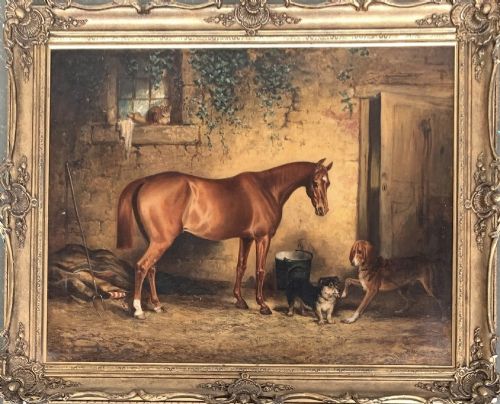
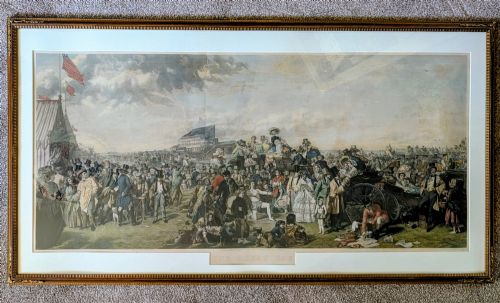
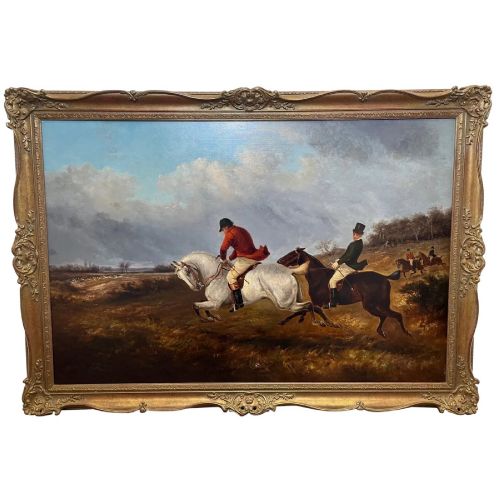
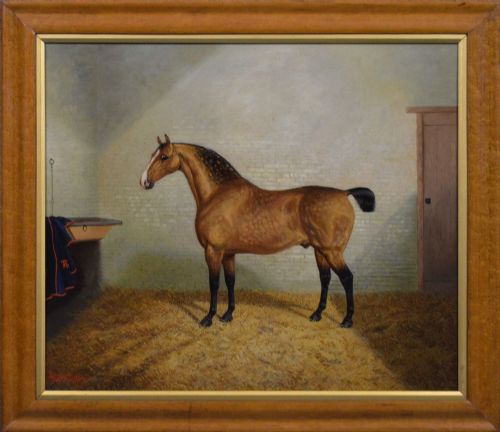
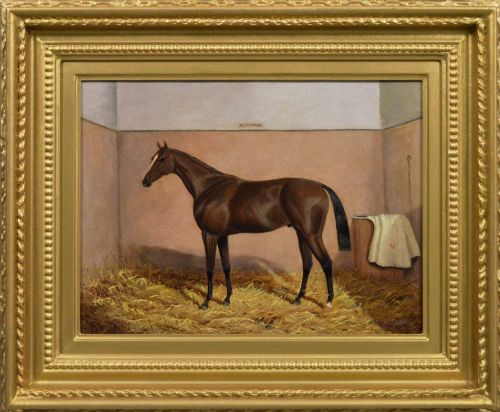
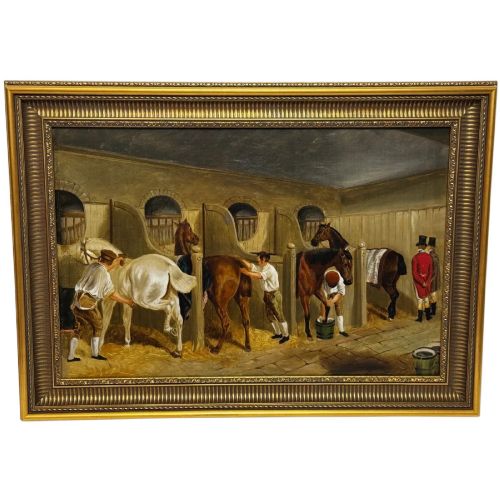
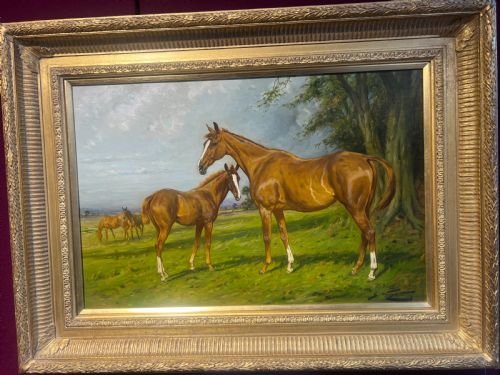
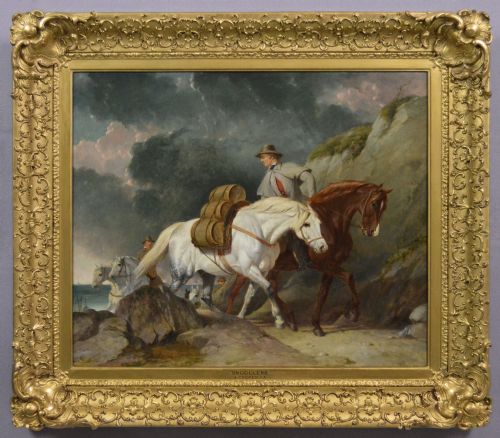
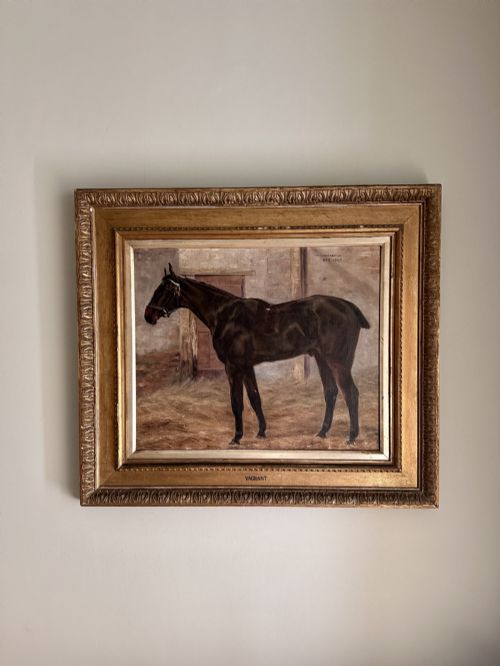
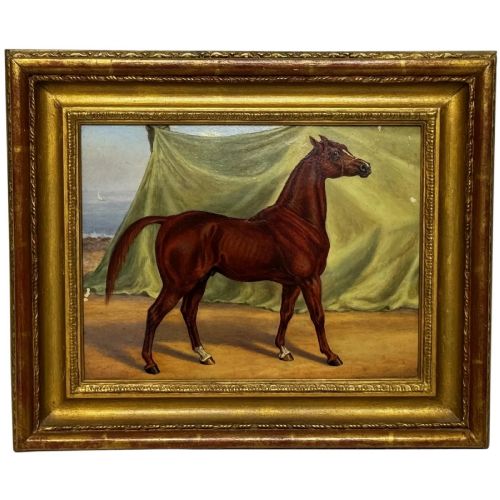
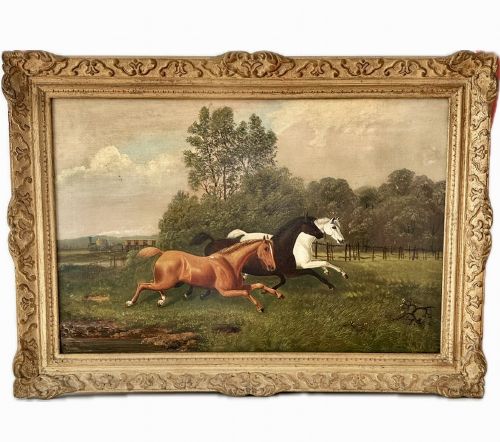
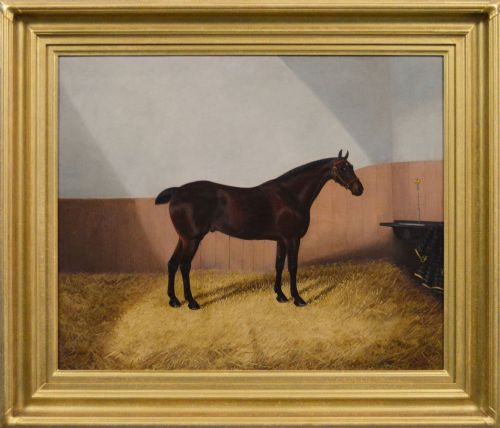
A victorian horse painting encompasses detailed oil on canvas works, watercolours, and framed art originating primarily from the nineteenth century and the Edwardian era. These works frequently depict notable racehorses, hunters in stables, coaching scenes, and farmyard animals.
Buyers will encounter specific genres ranging from sporting art and equestrian portraits to romanticism and folk art. The selection often includes depictions of thoroughbreds, working shire horses, and hunting hounds alongside their equine subjects.
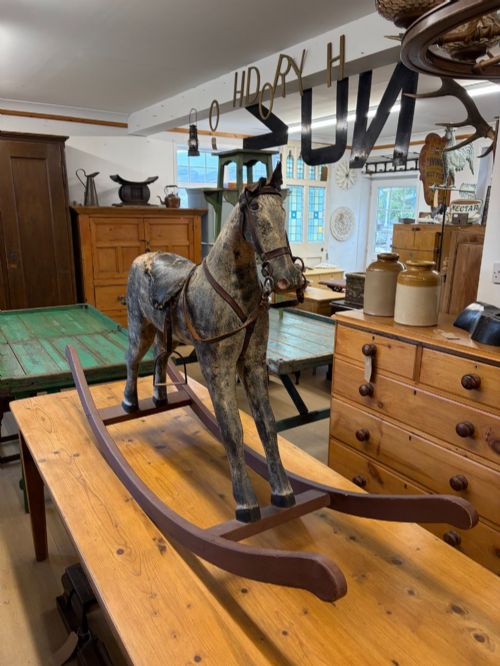
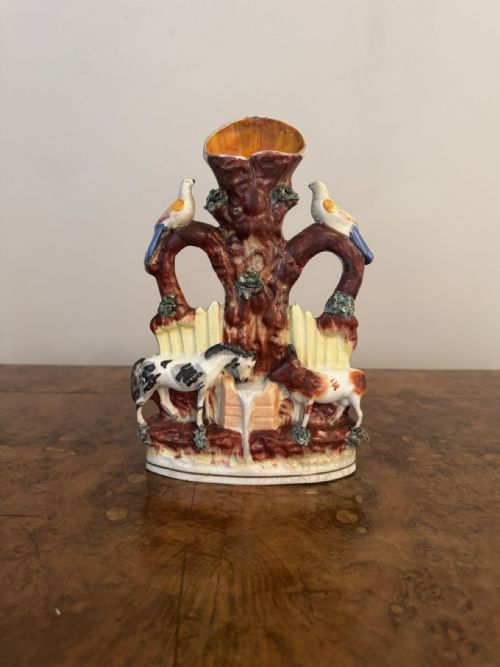
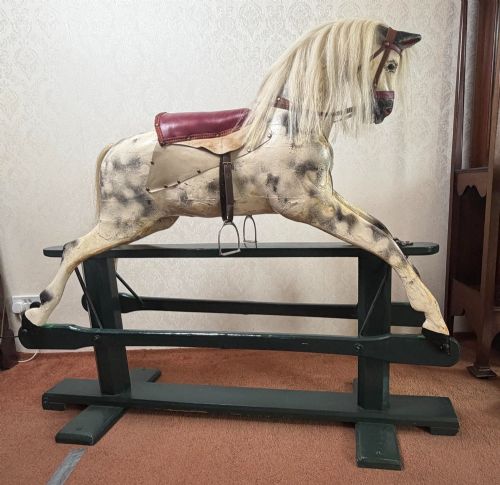
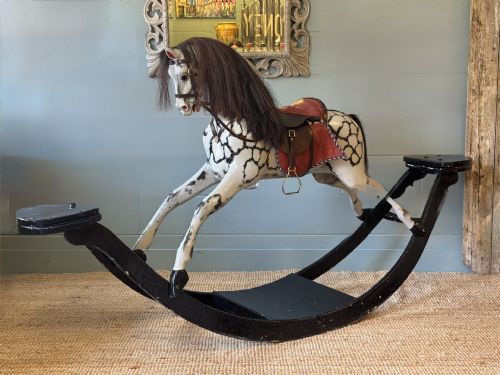
Alongside flat art, the category embraces carved wooden rocking horses and decorative pieces associated with the period. These items reflect both the sporting passions of the era and the everyday utility of horses in transport and agriculture.
Materials and construction
Painters utilised oil paint and watercolour applied to stretched canvas, prepared paper, and wood panels to build up depth and texture in equine portraits. Giltwood frames frequently enclose these works, providing robust and decorative borders.
Carved wooden rocking horses and sculptural figures rely on traditional carpentry techniques using solid timber. Leather tack, original rockers, and hand-painted finishes complete the construction of these three-dimensional pieces.
Victorian Horse Painting Retail Price Guide 2026
Typical asking prices for victorian horse painting among the pieces listed under this phrase on Sellingantiques today, from the lower quarter to the upper quarter. They describe what is for sale here now, not the wider market.
Listings feature oil on canvas, watercolour, and carved wood from the nineteenth and early twentieth centuries.
Factors of distinction
The precision of anatomical rendering and the lifelike capture of movement separate skilled equine artists from lesser hands. Superior works demonstrate a deep understanding of horse conformation, muscle structure, and light upon the coat.
The survival of original surfaces, authentic period frames, and documented provenance significantly elevate an item's standing. Integration of the subject within a detailed landscape or stable interior further distinguishes the finest examples.
Thomas Smythe·Albert Clark·G & J Lines·Abraham Cooper·Fred Fitzpatrick·Edward Priestley·C R Breytle·John Alfred Wheeler·Thomas Walker Bretland·John Frederick Herring Snr·Albert Ludovici Jnr·Herman S Melville·John Frederick Herring Jnr·Basil Nightingale·Edward Lloyd·George E Sharpe·Leonardo Cattermole·Henry Charles Woollett·Francis Cecil Boult
The Victorian Horse Painting Glossary
- Provenance
- The documented history of ownership of an artwork or object. This record helps establish authenticity and trace the journey of a piece from its creation to the present day.
- Equestrian art
- Artistic representations that focus specifically on horses. This genre includes portraits of individual animals, hunting scenes, and depictions of horses in working environments.
- Giltwood
- Wood that has been coated with gold leaf or a gold-coloured metallic finish. It is commonly found on traditional frames from the nineteenth century.
- Sporting art
- A category of fine art dedicated to depicting field sports, racing, and animals associated with rural pastimes. It gained immense popularity during the Victorian era.
- Primitive
- A term describing art created by self-taught makers working outside the formal academic traditions. These pieces often feature charming perspective and simplified forms.
Victorian Horse Painting: Frequently Asked Questions
What subjects do victorian horse painting works show?
These artworks primarily depict named racehorses, hunters in stables, coaching scenes, and farmyard animals. Many capture specific horses of note alongside landscapes or rural settings.
Sporting commissions and rural genre scenes form a large portion of the available subjects, reflecting the central role of horses in nineteenth-century life.
How do I care for antique canvas paintings?
Display oil paintings away from direct sunlight and sudden temperature changes to protect the canvas and paint layers. Keep the environment stable to prevent warping or cracking of the support.
Dust surfaces gently with a soft, dry brush and avoid using liquid cleaners on the paint or historical frames.
Were rocking horses made differently then?
Nineteenth-century rocking horses were constructed from carved wood, often mounted on bow rockers or safety stands. Makers utilised traditional joinery and hand-applied paint.
Leather tack and horsehair manes were typically incorporated by hand, resulting in durable pieces built for daily use.
How can I date a horse painting?
Dating relies on stylistic clues, artist signatures, framing materials, and inscriptions on the reverse of the canvas or panel. Costume in accompanying figures also provides a temporal anchor.
Examine the stretcher bars and canvas weave for manufacturing traits typical of the nineteenth century.