

Antique Animal Art
Antique animal art brings together centuries of painted, carved and sculpted creatures, offering a direct window into historical relationships with pets, livestock and wildlife.
Antique Animal Art
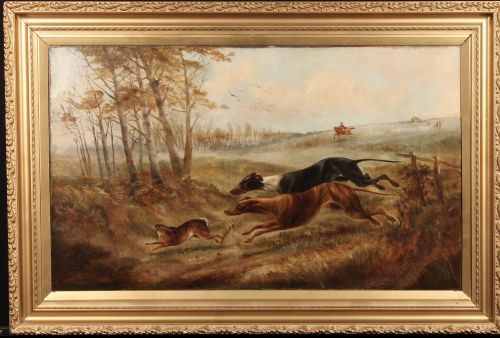
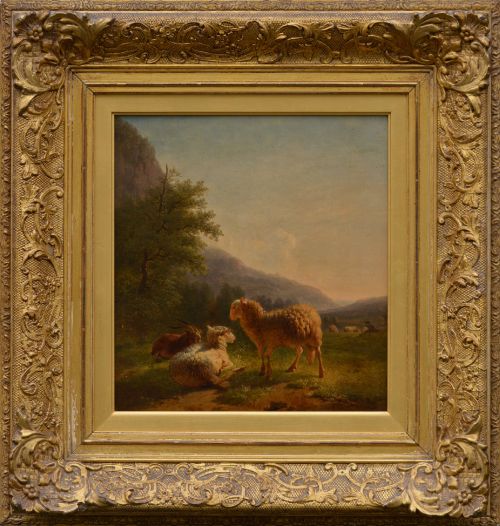
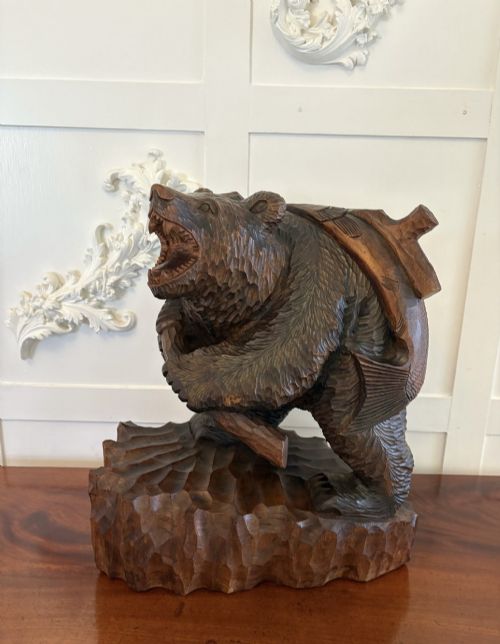
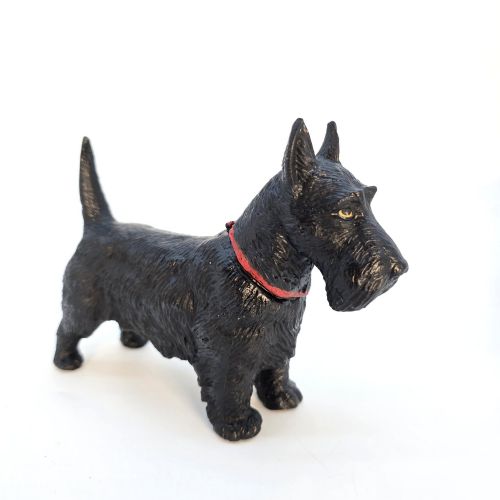
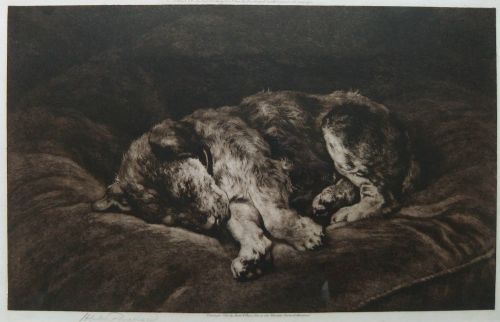
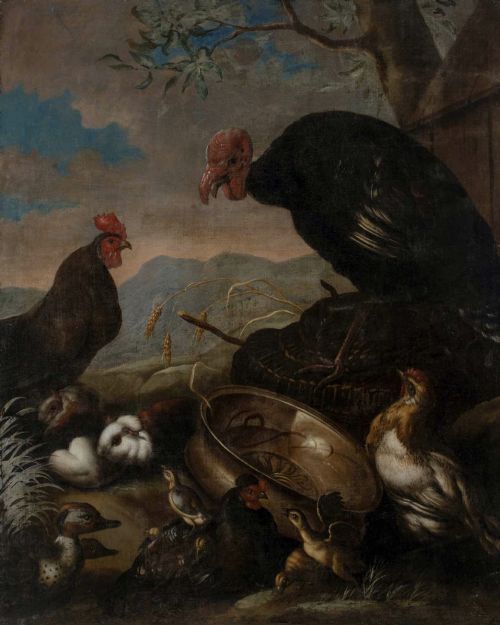
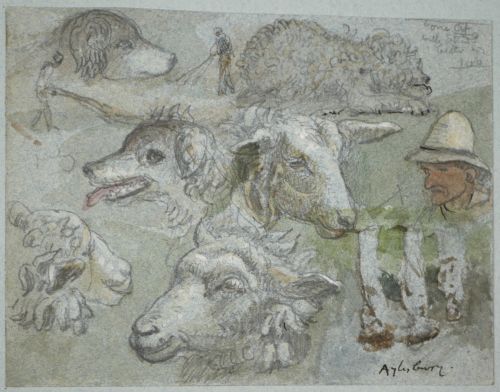
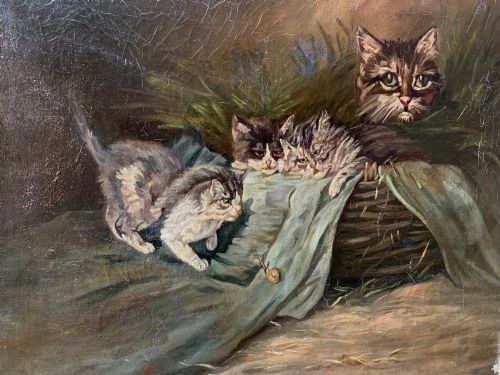
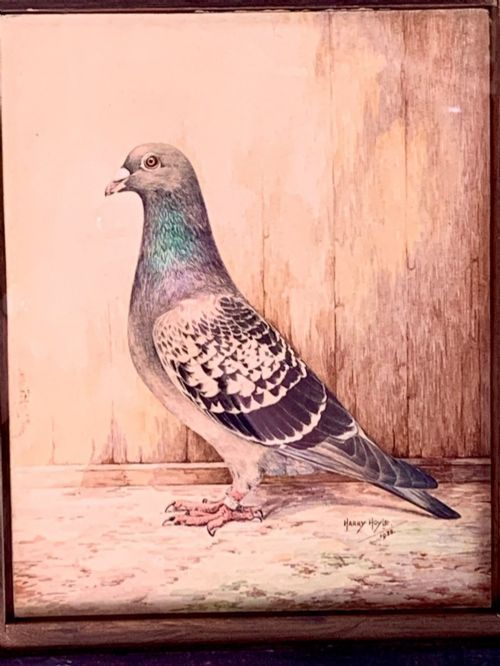
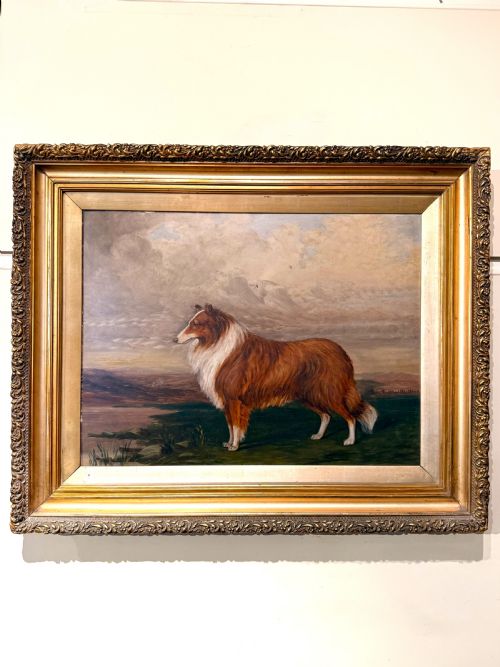
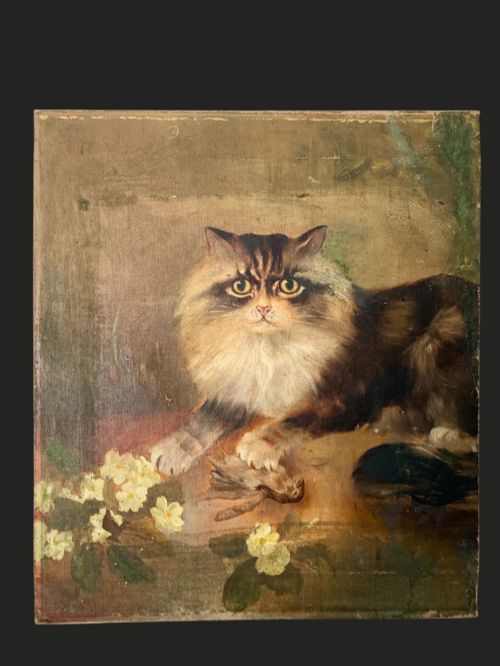
When you search for antique animal art, you encounter a diverse array of creative expressions spanning from the seventeenth century through to the mid-twentieth century. The selection encompasses oil paintings, watercolours, etchings, drawings, carved wooden sculptures, cast metal objects and novelty items.
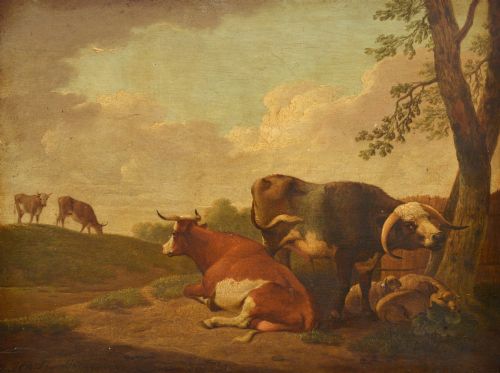
You are most likely to meet nineteenth-century oil paintings of dogs, cattle and sheep, alongside early twentieth-century etchings, Art Deco bronze sculptures and carved wooden figures. These works range from naive portrayals to highly detailed academic studies of domestic and wild creatures.
Materials and techniques
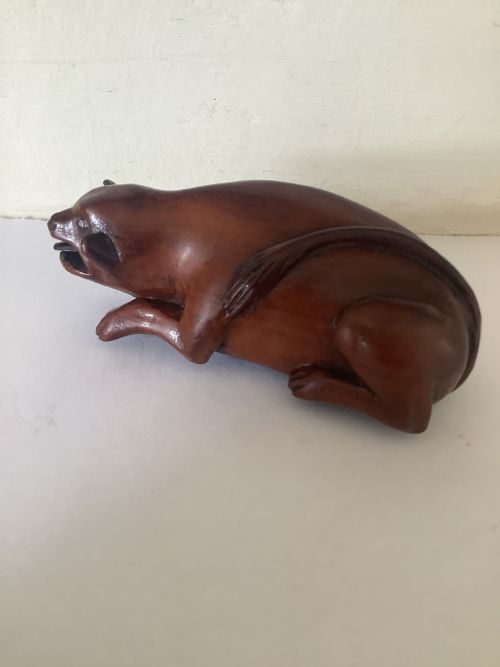
The physical objects rely primarily on oil paint applied to canvas or board, traditional printmaking methods such as etching and drypoint on paper, and hand-carved wood including linden. Bronze and other cast metals frequently appear in sculptural forms, often mounted on marble or stone bases.
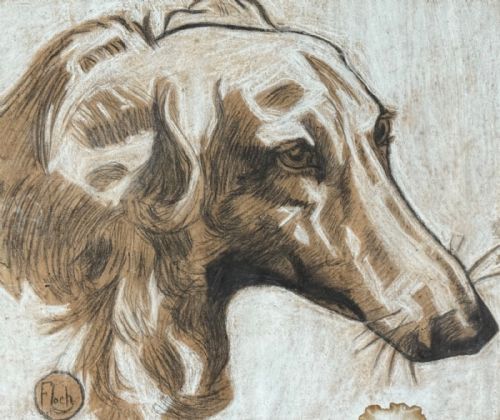
Artists and makers utilised fine brushwork, detailed gouache and pencil drawing, wool work embroidery, and careful hand-painting on cast metal and wood. These traditional techniques define the tactile character and enduring physical presence of each piece.
Listings span multiple centuries, uniting seventeenth-century pastoral scenes with Victorian sporting art and twentieth-century Art Deco sculptures.
Judging quality in animal pieces
The distinction between standard examples and superior pieces rests upon the precision of anatomical rendering, the expressiveness of the subject, and the adeptness of the hand behind the brush, chisel or etching needle. Master painters and sculptors capture the distinct posture, musculature and character of a species with convincing realism.
Material quality also dictates standing, visible in the depth of an oil painting's palette, the crispness of a drypoint impression, or the refined detail and patination of a carved wood sculpture or bronze casting.
Eugène Verboeckhoven·Herbert Dicksee·Angelo Maria Crivelli·James Smetham·Kurt Meyer-Eberhardt·Albert Clark·Martin Theodore Ward·George Augustus Holmes·Edgar Hunt·Alexandre Ouline
The Antique Animal Art Glossary
- Etching
- A printmaking technique where lines are bitten into a metal plate with acid before ink is applied. This process allows for delicate, highly detailed lines found in works depicting wildlife and domestic dogs.
- Drypoint
- A printmaking method where an artist scratches a design directly onto a metal plate using a sharp needle. This creates a rich, velvety burr that gives early proofs a soft and distinct tonal quality.
- Gouache
- An opaque water-based paint that provides solid, matte colour coverage. It frequently appears alongside pencil on buff paper in preparatory drawings and finished studies.
- Naive art
- Artwork created by self-taught or untrained makers focusing on direct observation rather than academic rules of perspective and proportion. These pieces often charm through their unpretentious simplicity.
- Netsuke
- A small carved toggle traditionally used in Japanese costume to secure a pouch or container. These miniature sculptures frequently depict animals carved from wood with meticulous attention to form.
Antique Animal Art: Frequently Asked Questions
How do I identify the period of animal art?
Dating relies on examining the support materials, framing methods, signature styles, and the specific attire or setting depicted in the work.
Stylistic shifts from seventeenth-century landscapes to Victorian realism and Art Deco abstraction provide clear chronological markers.
What subjects are most common?
Domestic dogs, horses, cattle, sheep and birds dominate the historical record, reflecting their central role in rural life, sporting pursuits and domestic companionship.
Wild animals such as lions, leopards and bears also appear, particularly in sculptural forms and exotic depictions.
How were these pieces used historically?
Paintings and framed prints served as decorative wall art in country houses and town residences, displaying prized livestock, hunting dogs or beloved pets.
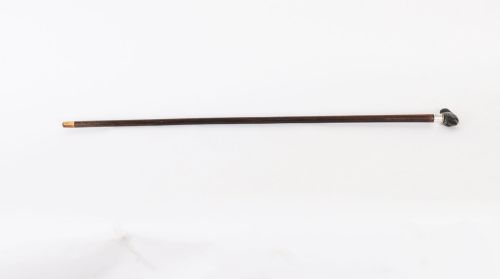
Smaller objects functioned as functional items, including table lighters, walking cane handles, snuff boxes and lamps.
How should I care for oil paintings and paper works?
Keep painted canvases and works on paper away from direct sunlight and excessive humidity to prevent fading, warping or pigment degradation.
Ensure framed watercolours and etchings remain behind protective glass with acid-free mounts.