
Stable Horse Oil Painting
When you search for a stable horse oil painting, you are looking at nineteenth-century and early twentieth-century equine portraits rendered in oil on canvas, wood, and copper.
Stable Horse Oil Painting
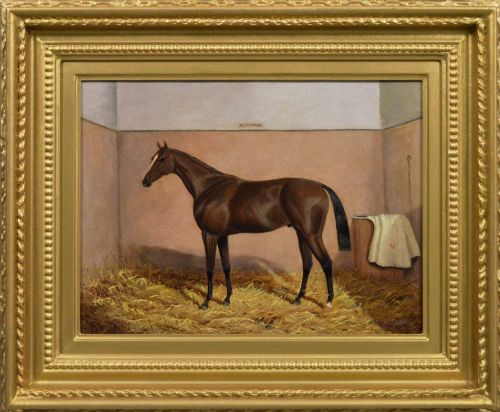
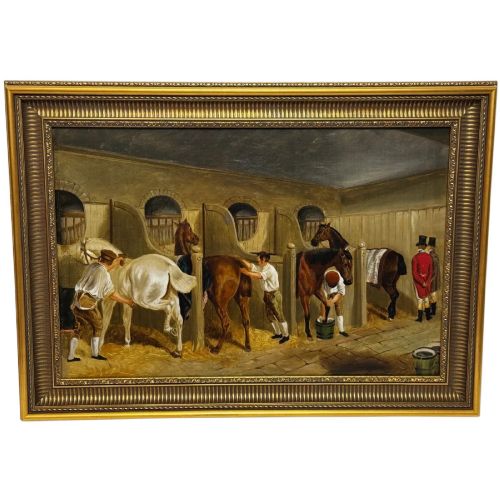
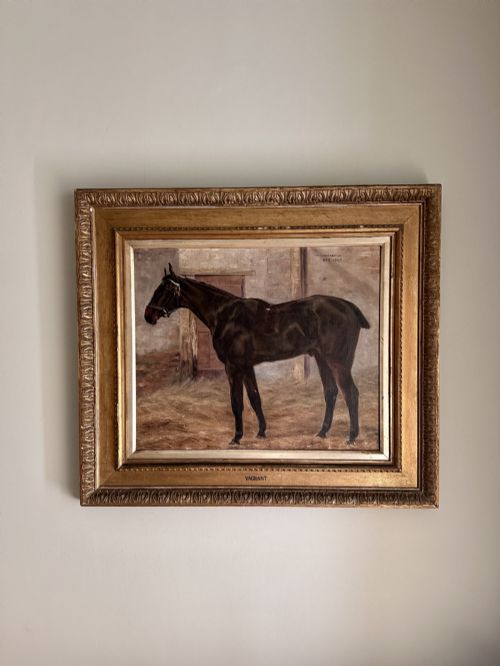
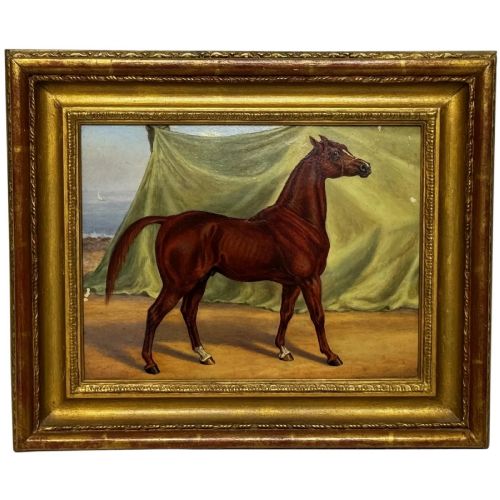
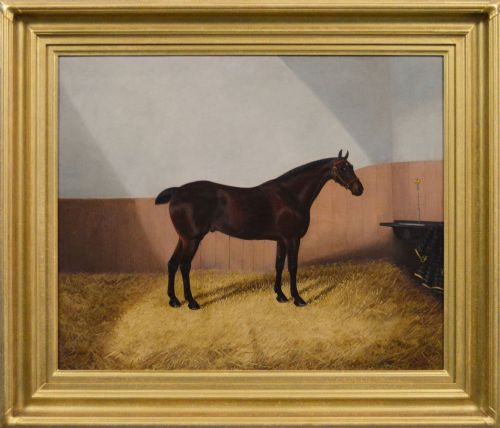
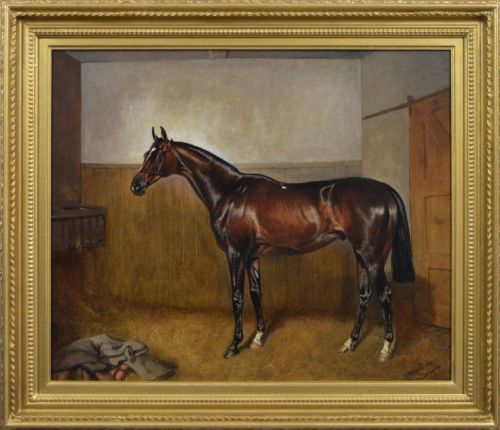
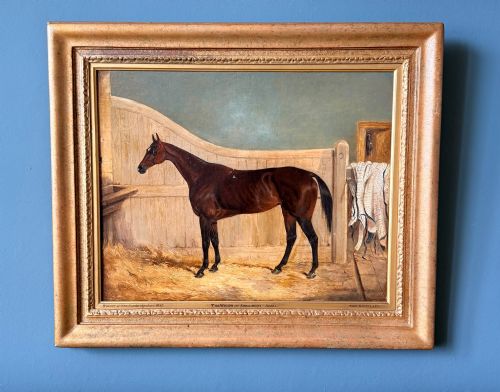
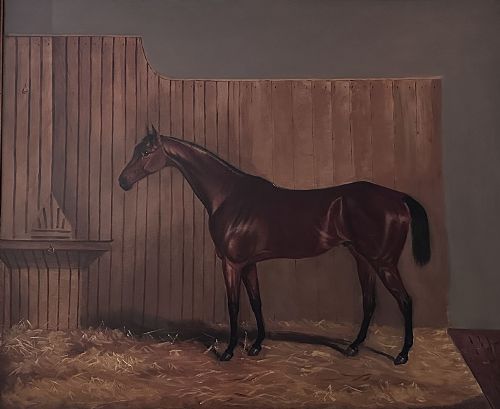
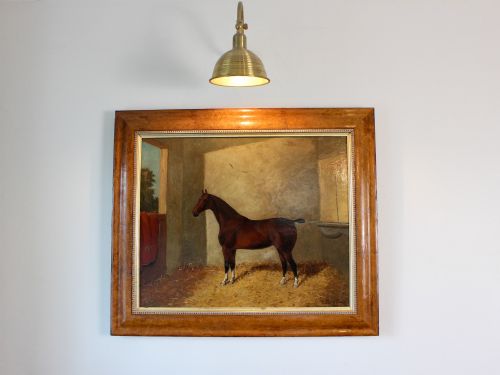
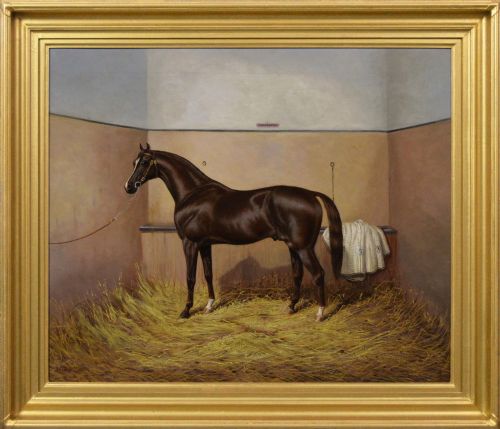
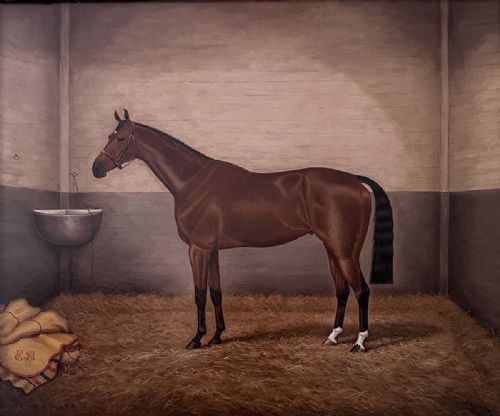
A stable horse oil painting depicts equine subjects within domestic and agricultural settings, frequently capturing named hunters, racehorses, and prize studs. These works emerge predominantly from the nineteenth century, spanning the Victorian and Edwardian eras, with particular focus on specific animals and their handlers.
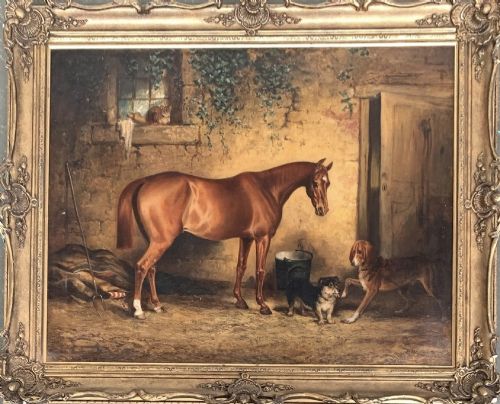
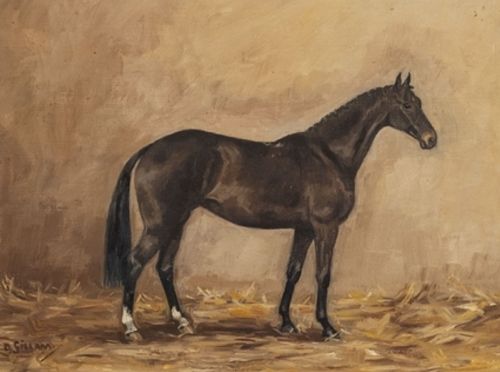
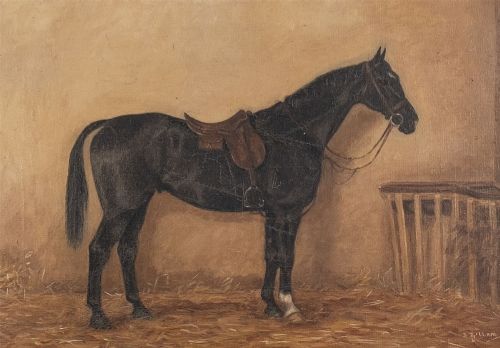
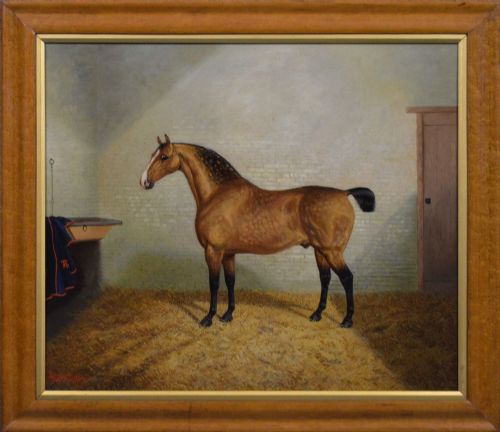
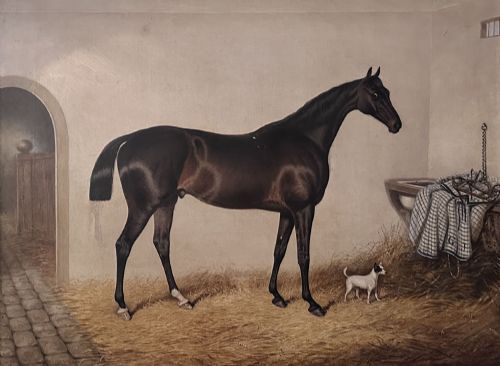
The compositions on this page centre on individual animal portraits, showing bays, chestnuts, and roans either alone in a stall or accompanied by grooms, owners, and terriers. Such works reflect the Victorian preoccupation with sporting art and equestrian culture, documenting prized bloodlines and esteemed stables across Britain and Ireland.
How They Were Made
These works are painted using oil pigments applied to traditional supports such as canvas, wood panels, and occasionally copper. The resulting surface carries the distinct texture of oil paint, which artists built up in layers to capture the sheen of a horse coat and the dim interior light of a stable.
Framing often involves giltwood and gold leaf applied to carved wooden mouldings, framing the canvas to enhance the depth of the interior scene. The physical construction relies on period joinery for the stretchers and panels, preserving the structural integrity of the artwork across centuries.
Several stable scenes ensure the horse shares the spotlight with an observant terrier keeping watch by the straw.
What Varies in Quality
The distinction between works rests upon the anatomical precision of the horse, the rendering of light within the confined stable interior, and the specific documentation of the subject. Master painters achieve convincing musculature and individual character in the animal, whereas lesser hands produce generic equine forms with rigid postures.
Provenance and attribution elevate certain pieces, particularly those tied to recorded artists or specific historical estates and hunts. Works associated with known regional painters or documented racehorse winners carry a greater weight of historical record than anonymous studio pieces.
Henry Barraud·Albert Clark·Fred Fitzpatrick·John Alfred Wheeler·Thomas Walker Bretland·Edward Lloyd of Ellesmere·George E Sharpe·Samuel Spode·Benjamin Cam Norton·Edwin Frederic Holt·Alfred Moginie Bryant·Alfred Grenfell Haigh·Charles Bilger Spalding·John Nost Sartorius·John Ferneley Jnr·William Shayer Snr·R F Henderson·John Herring Senior·Stanley Berkeley·Albert Clark Snr·J Harris·Evelyn Harke·Edwin Loder·John Herring
The Stable Horse Oil Painting Glossary
- Canvas
- A heavy woven fabric stretched across a wooden frame to serve as the primary support for oil paint. It provides the flexible foundation for the majority of nineteenth-century equine portraits.
- Giltwood
- Wood carved and subsequently coated with a thin layer of gold leaf or metallic paint. It forms the decorative frames typical of Victorian fine art.
- Equine
- Pertaining to horses. This term classifies the subject matter central to sporting and animal art.
- Panel
- A flat piece of wood or copper used as a rigid alternative to canvas. Early nineteenth-century works occasionally utilise wooden boards for stability.
- Provenance
- The documented history of ownership surrounding an artwork. It traces a piece from its creation through past collections and sales.
Stable Horse Oil Painting: Frequently Asked Questions
What is a stable horse oil painting?
These works are nineteenth-century and early twentieth-century artworks depicting horses housed inside architectural stalls or stable yards. They record specific animals, from noted racehorses to personal hunters, often accompanied by grooms or dogs.
Created during the Victorian and Edwardian periods, the genre blends portraiture with sporting art. Painters documented the physical attributes and lineage of valued animals for owners and breeders.
How were these paintings displayed originally?
Owners typically hung these equine portraits in country houses, estate offices, and hunting lodges alongside sporting trophies and memorabilia. The heavy gilt frames matched the formal interior decoration of Victorian reception rooms.
Many works celebrated specific racing victories or hunting seasons, serving as permanent records of an estate's bloodstock. They functioned as both family heirlooms and markers of social standing within the equestrian community.
How do I care for an oil painting on canvas?
Keep the artwork away from direct sunlight, high humidity, and rapid temperature fluctuations to prevent the canvas from sagging and the paint from cracking. Dust the surface gently with a soft, dry brush without applying pressure.
Avoid using water, chemical cleaners, or modern cleaning solutions on the painted surface or the gilt frame. Consult a professional conservator if the canvas requires cleaning or structural repair.
How can I tell the period of the painting?
Examine the construction of the canvas support, the style of the wooden stretcher, and the composition of the gilt frame. Nineteenth-century works often use hand-woven canvas and traditional joinery that differs from later reproductions.
Look for handwritten inscriptions on the reverse of the canvas or stretcher bars, which frequently name the horse, the owner, the artist, or the stable location. Costume details on any human figures present also provide chronological markers.