

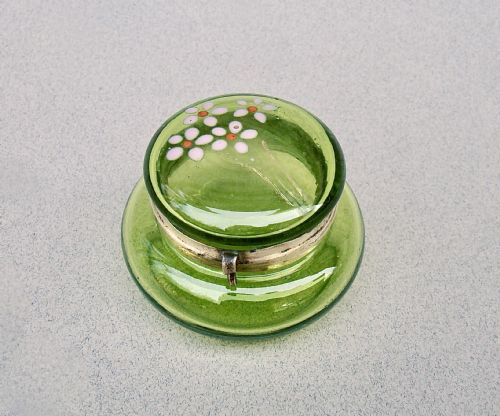
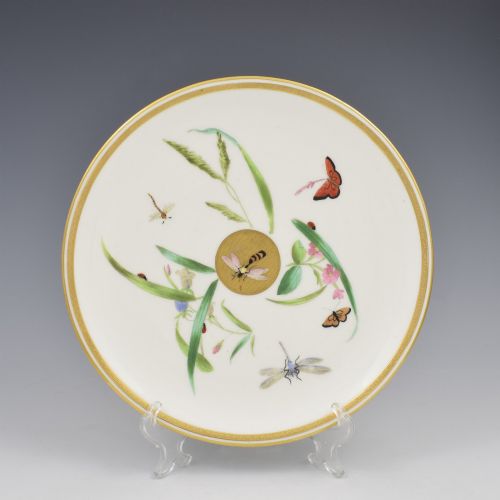
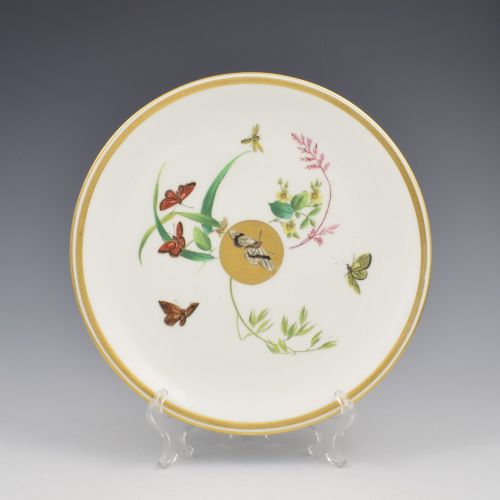
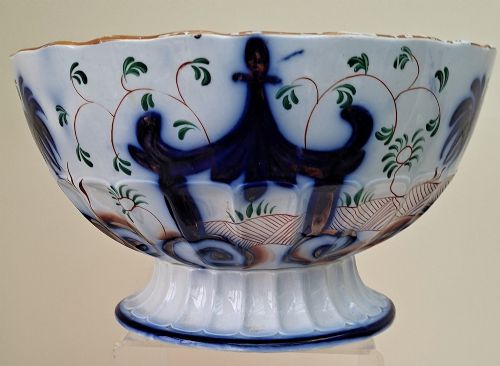

Victorian Hand Painted Dish
These delicate pieces of functional art offer a glimpse into nineteenth-century dining and display.
Victorian Hand Painted Dish
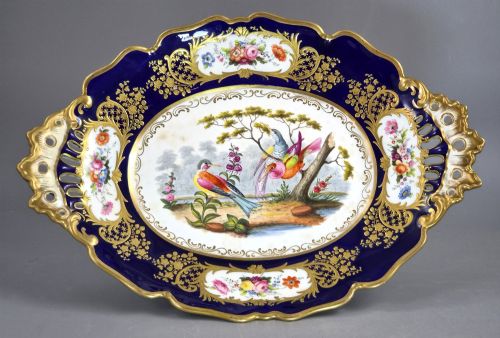
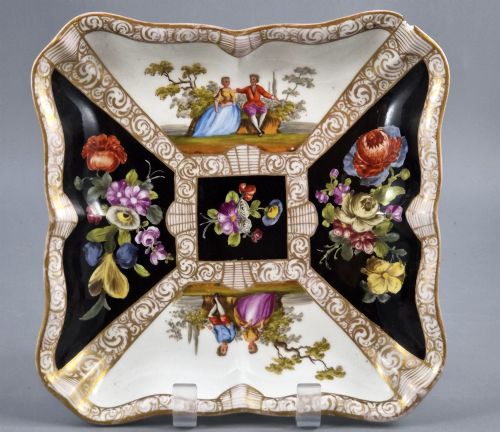
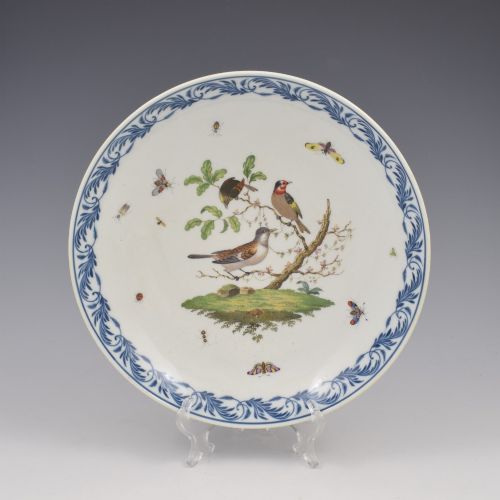
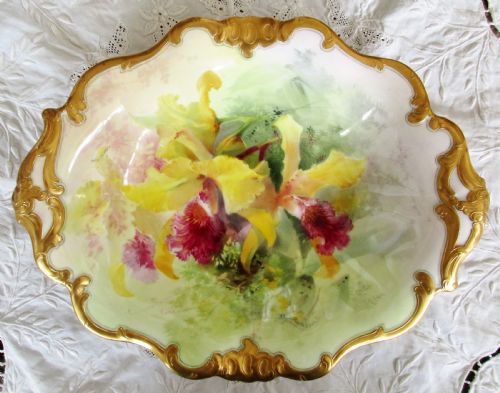
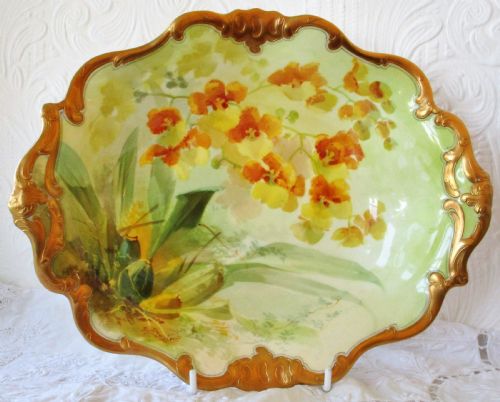
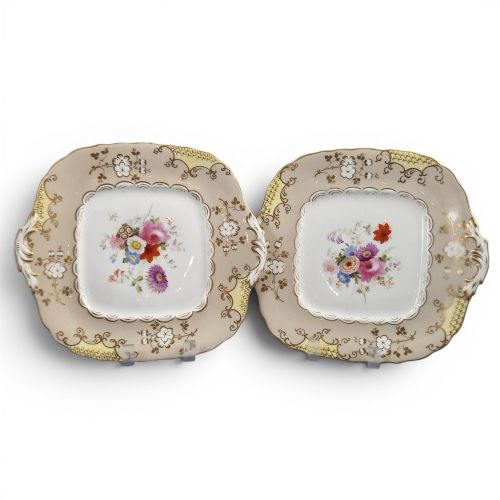
A victorian hand painted dish encompasses a variety of ceramic and porcelain forms created for display or service during the nineteenth century. These objects include cabinet plates, dessert dishes, serving platters, and decorative bowls intended to showcase artistic skill rather than everyday utility.
The pieces on this page span the Victorian era alongside related nineteenth-century periods, featuring floral motifs, ornithological studies, and landscape scenes. Buyers often encounter bone china and hard-paste porcelain plates decorated with hand-applied pigments and gilt accents.
Makers ranged from major English potteries to continental factories, producing items that functioned as decorative centerpieces or parts of larger dessert services. Each piece reflects the decorative tastes of its decade, shifting from early floral realism to later aesthetic and revivalist styles.
How they were made
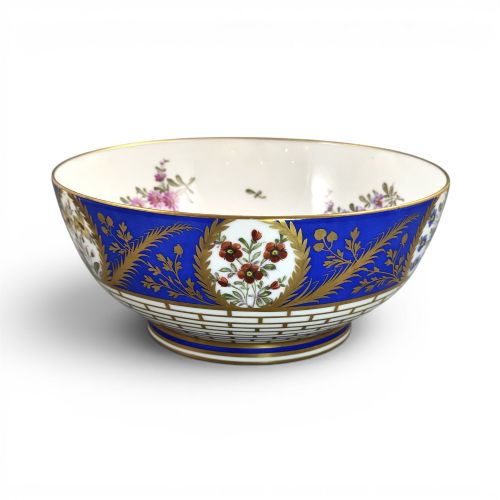
Potters shaped these items from soft-paste porcelain, bone china, or earthenware, often utilising specialised moulds for shaped edges and relief basketweave patterns. Once formed, the base body underwent initial firing to create biscuitware ready for glazing.
Artists applied enamels and mineral-based pigments by hand before a secondary kiln firing fused the colours into the glossy surface. Gilding with gold leaf or liquid gold provided the final metallic borders and highlights commonly seen on these wares.
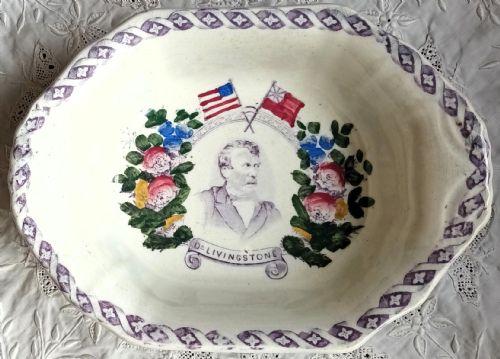
Dr. Livingstone makes an unexpected appearance among the pottery.
What varies in quality
Quality rests primarily on the skill of the hand-painted brushwork and the precision of the enamel application. Master painters achieved fine shading in floral petals and distinct detail in avian plumage, whereas simpler pieces rely on hurried brushstrokes or stencilled outlines beneath minimal colour.
The purity of the porcelain body and the crispness of any moulded relief work also separate standard production from finer cabinet pieces. Intricate gilt detailing and well-preserved surface finishes indicate higher workshop standards during manufacture.
Coalport·Meissen·Minton·Royal Doulton·Copeland and Garrett·John Ridgway·Royal Crown Derby·Royal Worcester
The Victorian Hand Painted Dish Glossary
- Cabinet plate
- A decorative ceramic plate intended for display in a cabinet rather than for table service. These pieces usually feature elaborate hand-painted scenes.
- Gilt
- A thin layer of gold applied to the surface of porcelain or metal for ornamentation. It often rims the edges of nineteenth-century dishes.
- Hard-paste porcelain
- A durable ceramic material composed of kaolin and petuntse fired at high temperatures. It forms a dense, vitrified body common in fine European tableware.
- Enamel
- Opaque or translucent glassy material fused to ceramic or metal surfaces through firing. It provides the vibrant colours found in hand-painted motifs.
- Reticulated
- Having a network of openwork or pierced decoration forming a lattice pattern. This technique appears on the borders of select cabinet plates.
Victorian Hand Painted Dish: Frequently Asked Questions
What is a cabinet plate?
A cabinet plate is a decorative ceramic piece created specifically for display behind glass rather than for dining use. These items highlight artistic painting rather than practical service.
They often feature intricate portraits, landscapes, or botanical studies framed by elaborate gilt borders.
How are these dishes cleaned?
These antique ceramics require gentle cleaning with a soft, dry cloth or lukewarm water without harsh detergents. Submerging them or using abrasive sponges risks damaging the hand-applied enamels and gold leaf.
Careful maintenance preserves the fragile nineteenth-century pigments on the porcelain surface.
Were they used for dining?
Many nineteenth-century dishes formed parts of large dessert services intended for formal dining tables. Others served specialised roles such as holding fruit, biscuits, or sweetmeats during gatherings.
Over time, many surviving examples transitioned from functional tableware into purely decorative objects.
How do I spot hand painting?
Hand-painted items reveal slight brushstroke variations and subtle pigment pooling under magnification. Printed or transferred designs display uniform dot patterns or flat, identical lines.
Examining the surface closely helps distinguish individual artistic application from mechanical transfer methods.