
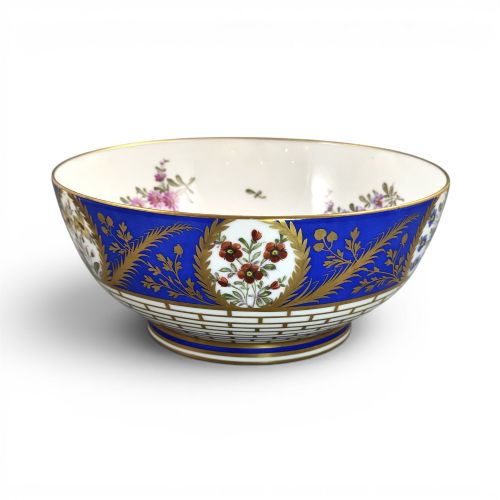


Victorian Floral Bowl
A victorian floral bowl brings nineteenth-century botanical ornamentation into domestic spaces through painted ceramic, glass and silver forms.
Victorian Floral Bowl
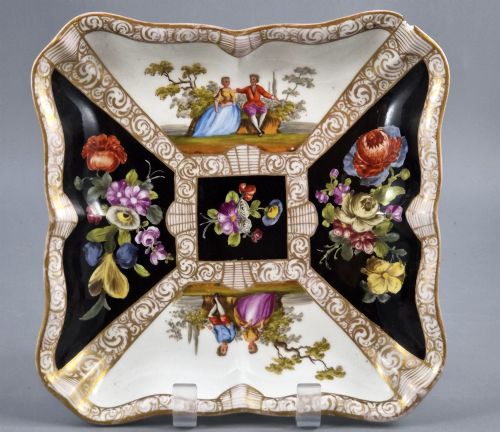
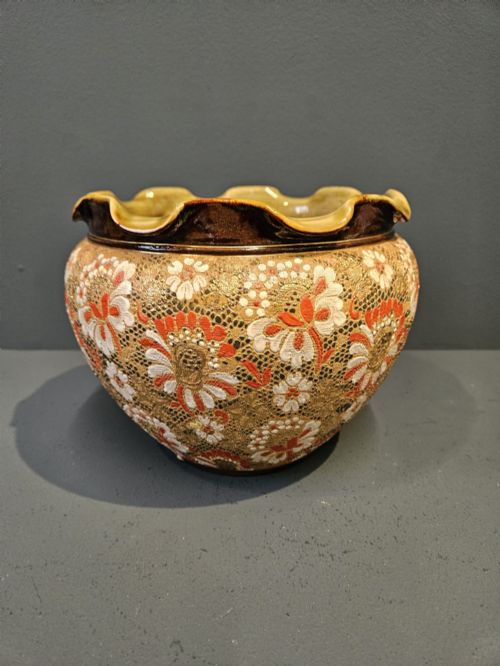
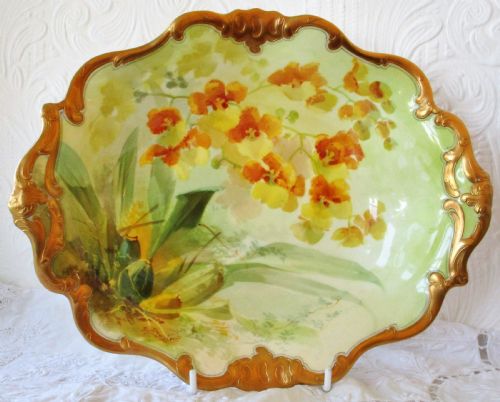
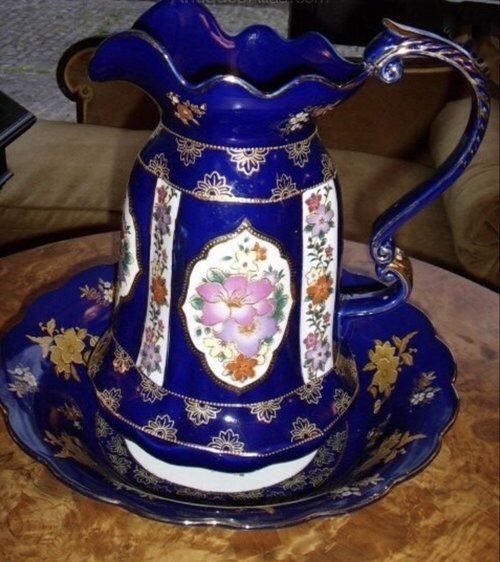
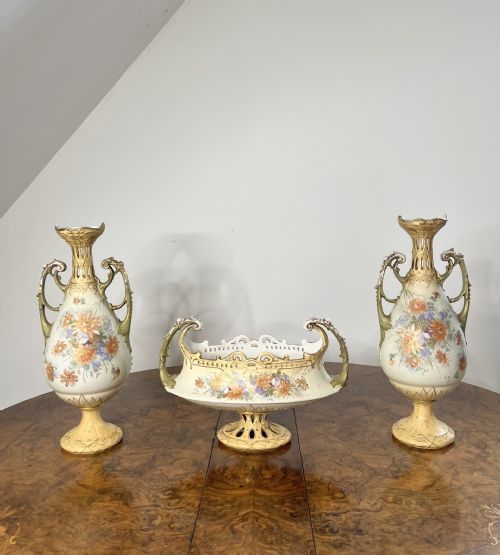
A victorian floral bowl encompasses various nineteenth-century receptacles, from decorative porcelain cabinet dishes and earthenware basins to centrepieces and washstand sets adorned with botanical motifs. The listings demonstrate that these pieces originate from diverse European kilns and metalwork studios spanning the Victorian era and adjacent decades.
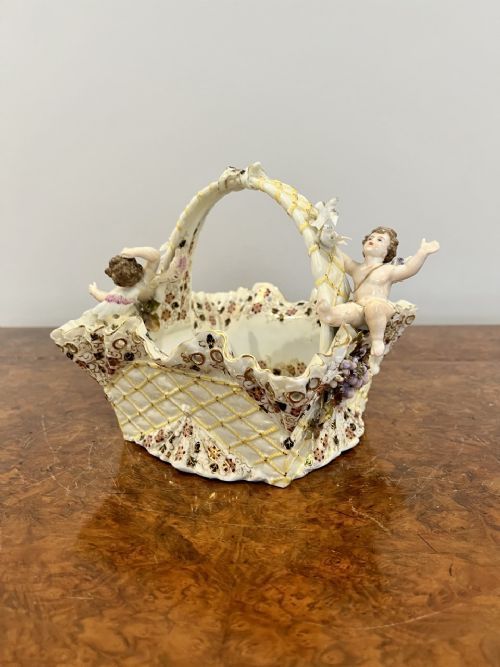
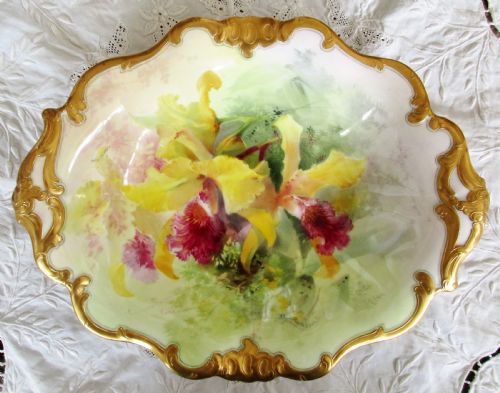
Buyers seeking a victorian floral bowl frequently encounter porcelain and ceramic vessels featuring hand-painted or transferred flower sprays, alongside glass and silver pieces with engraved or chased foliage. Forms range from small footed bowls and shell dishes to large jardinieres and complete toilet sets.
Materials and Techniques
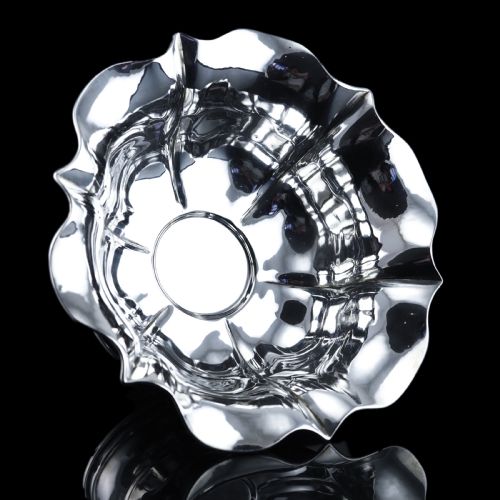
Makers utilised porcelain, earthenware, ceramic and glass as primary substrates, often applying cobalt blue glaze, enamel, gold leaf or gilt edge highlights to accentuate the botanical designs. Metal pieces incorporate solid silver, silver plate on copper and ormolu combined with champleve enamel.
Decoration relied upon hand-painting, transfer printing, etching, cutting and chasing to render floral sprays, orchids and pattern motifs across the surface of each bowl or dish.
Musical putti figures occasionally join the floral displays, proving that nineteenth-century ceramic decorators believed flowers simply needed a tiny orchestra.
Craftsmanship and Execution
Quality separates through the crispness of the floral engraving, the precision of hand-painted botanical details and the depth of the glaze or gilding. Superior examples display careful modelling of the ceramic body or metal mount alongside balanced composition in the floral artwork.
The distinction between standard production wares and exceptional pieces rests upon the finesse of the studio execution, whether in the delicate application of blush ivory finishes or the elaborate chasing of silver handles.
Meissen Porcelain·Doulton Lambeth·Royal Doulton·Royal Vienna·Samson Paris·Mann Co·Walker Hall·Royal Worcester·Plaue Schierholz·C G Schierholz Sohn·Doulton Burslem·Stuart for Liberty·Henry Wilkinson Co
The Victorian Floral Bowl Glossary
- Jardiniere
- A large ornamental pot or bowl designed to hold plants or flowers. These vessels often sit on floors or large tables within nineteenth-century interiors.
- Cabinet dish
- A decorative ceramic plate or bowl produced for display in a cabinet rather than for practical table use. They frequently showcase detailed artistic painting.
- Champleve
- An enamelling technique where troughs are carved into a metal surface and filled with vitreous enamel before firing. This method creates rich coloured patterns alongside metal lines.
- Spongeware
- Pottery decorated by dabbing pigment onto the biscuit or glazed surface with a sponge. This technique produces characteristic mottled patterns found on nineteenth-century domestic wares.
- Gilt
- A thin layer of gold applied to the surface of porcelain, metal or wood. It provides decorative borders and highlights on nineteenth-century tableware.
Victorian Floral Bowl: Frequently Asked Questions
What is a victorian floral bowl used for?
These vessels served various functional and decorative roles in nineteenth-century homes, from holding cut flowers and floating blooms to functioning as centrepieces on dining tables. Larger examples formed parts of washstand sets used for personal ablutions.
Today, collectors utilise them as decorative focal points in rooms or as display pieces on cabinets and sideboards, continuing their original decorative purpose.
How do I identify a victorian floral bowl?
Identification relies on examining the material, decorative style and any maker marks stamped or painted on the base. Nineteenth-century pieces typically feature characteristic floral transfer prints or hand-painted botanical sprays combined with period glaze types.
Stylistic cues such as Rococo Revival moulding, Art Nouveau curves or specific Victorian colour palettes help narrow down the date of manufacture alongside standard pottery marks.
Are these bowls made of porcelain or silver?
The evidence shows that these items comprise a wide range of materials including porcelain, earthenware, ceramic, glass, solid silver and silver plate. Makers matched specific materials to the intended function of the vessel.
Ceramic and porcelain versions predominate for painted floral tableware, while silver and glass appear in bonbon dishes, sugar baskets and decorative centrepieces.
How should I clean a victorian floral bowl?
Care depends entirely on the material composition of the specific piece, whether fragile enamel on glass, delicate gilt porcelain or tarnished silver plate. Gentle dusting with a soft cloth suits most dry display items.
Water immersion should be avoided for pieces with cold-painted decoration or vulnerable gilding, and silver requires specialised non-abrasive cleaners applied sparingly.