

Edwardian Floral Dish
An edwardian floral dish brings delicate painted blooms and ornate silver or porcelain craftsmanship directly into modern interiors.
Edwardian Floral Dish
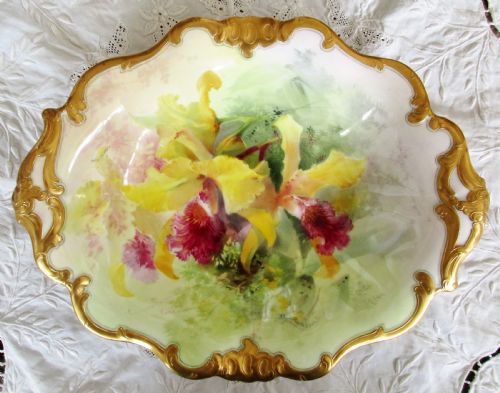
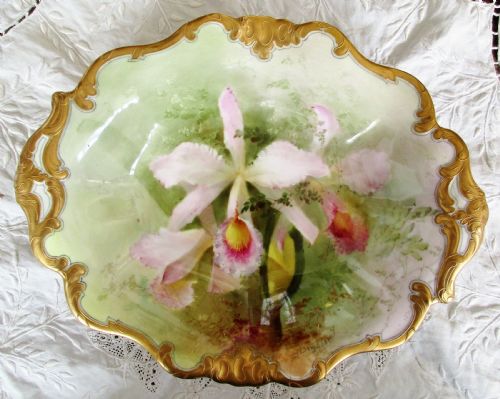
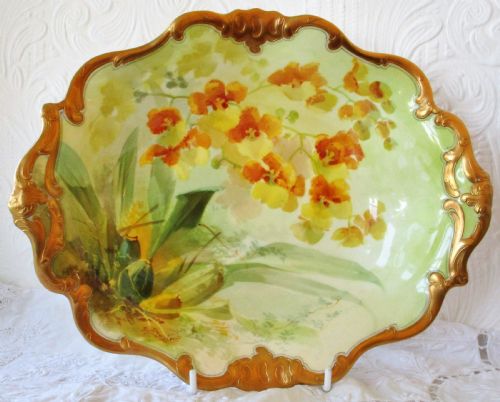
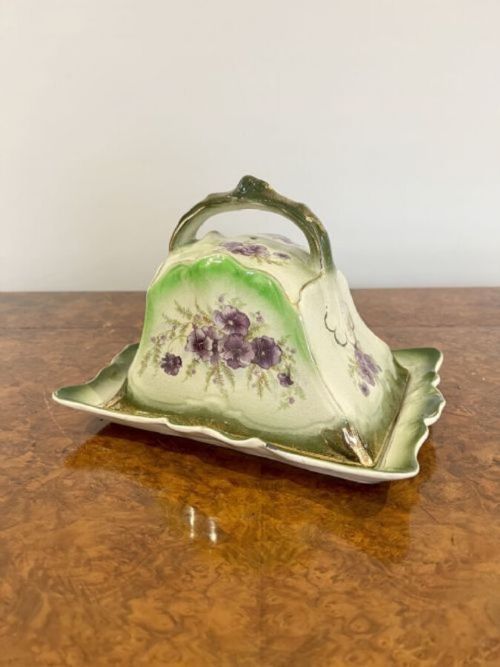
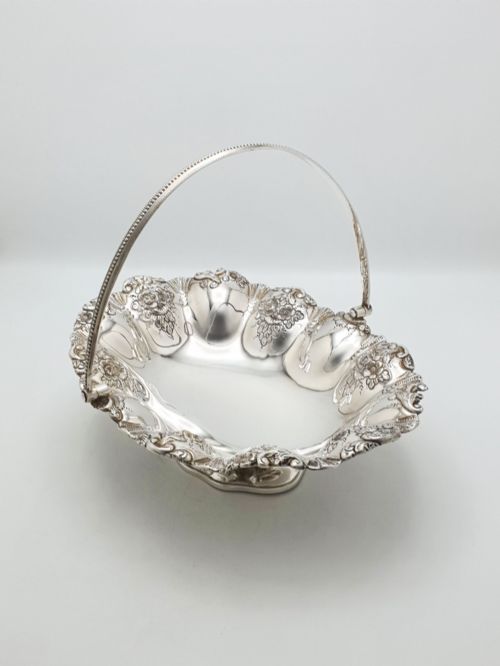
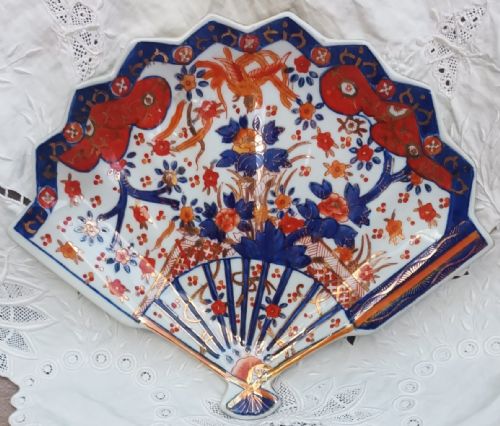
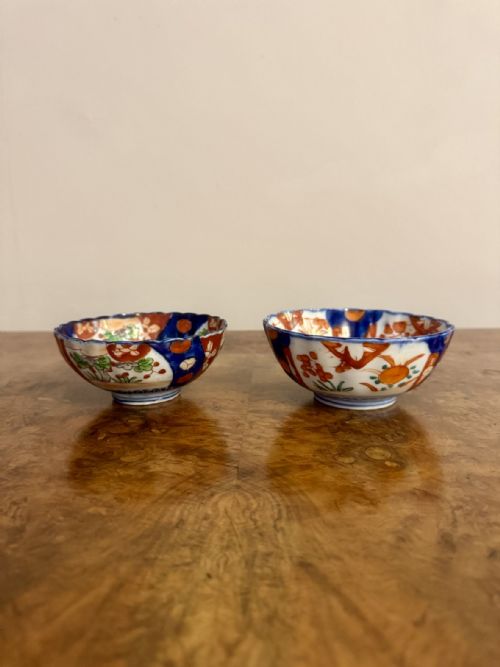
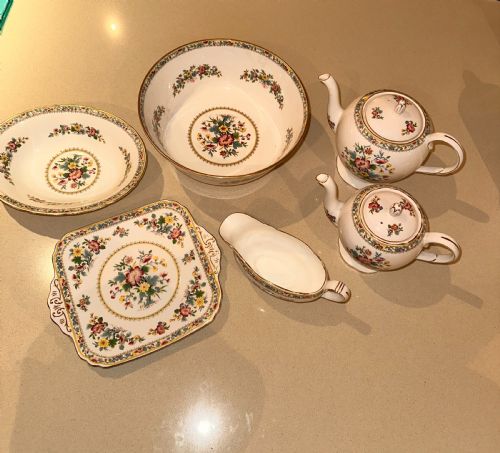
An edwardian floral dish encompasses decorative porcelain plates, cabinet dishes, silver baskets, and centrepieces produced during the early twentieth century. Buyers encounter pieces adorned with hand-painted botanical motifs, floral sprays, and raised repoussé work. The selection spans traditional English bone china, sterling silver, and imported Japanese Imari wares from the period.
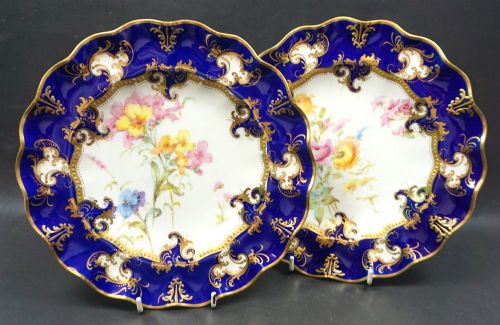
Most examples originate from prominent English potteries and silversmiths active around nineteen hundred and ten. Makers such as Royal Worcester, Royal Doulton, and Wedgwood dominate the ceramic offerings, frequently featuring named botanical studies like orchids. Silver items from the same era lean towards rococo revival forms with floral borders and repoussé rims.
How They Were Made
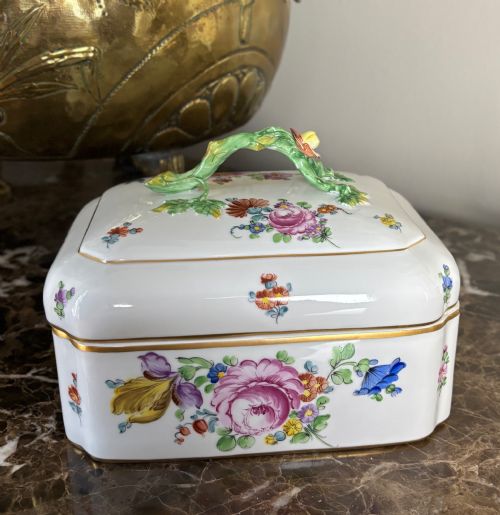
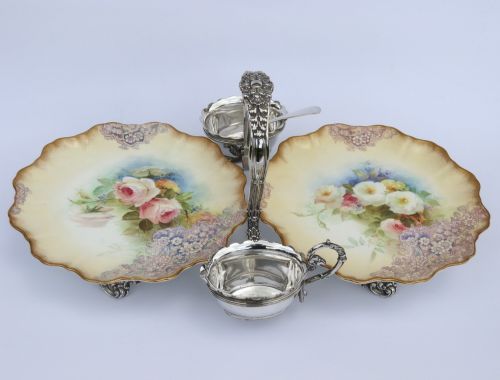
Ceramic pieces utilise porcelain or bone china bodies shaped into shell dishes, cabinet plates, and boat-shaped bowls. Artisans applied hand-painted enamels, cobalt highlights, and tooled gilt edges before firing the wares to set the colours. Porcelain examples often feature intricate applied roses and hand-painted floral panels signed by factory artists.
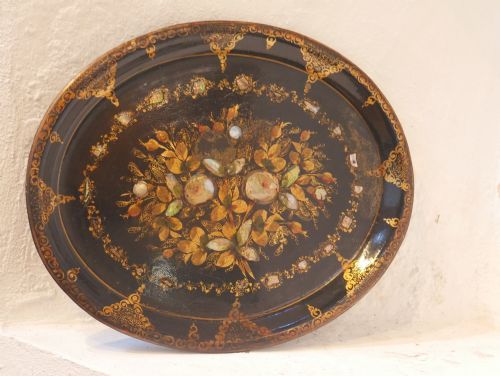
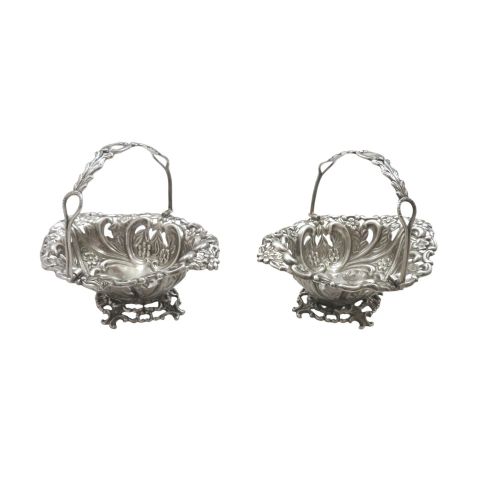
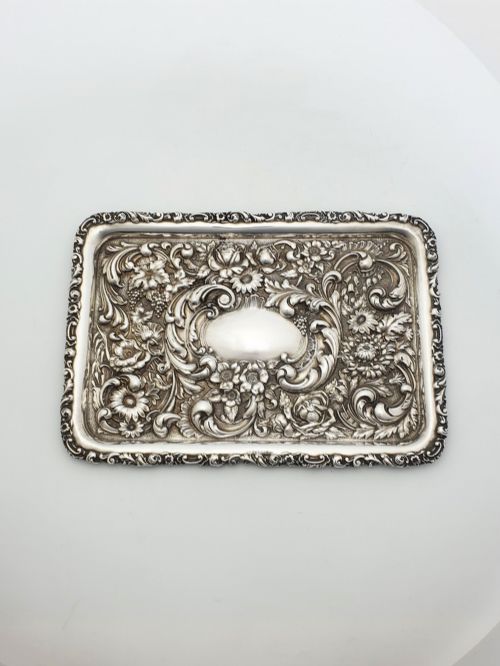
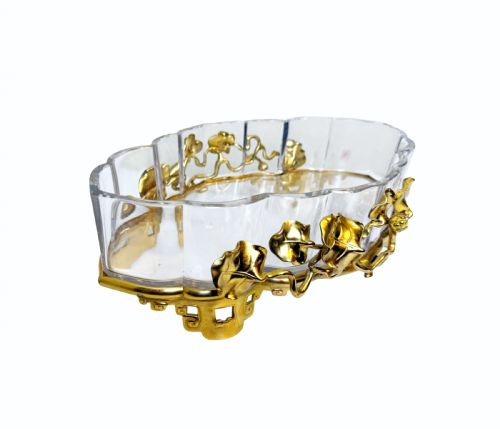
Metal items combine sterling silver or silver plating with detailed repoussé work, creating raised floral patterns around the rims of trays and baskets. Other decorative forms integrate glass, crystal, or onyx with gilt bronze and ormolu frames. Artisans utilised copper relief work for trays, combining metalworking techniques with floral motifs characteristic of the era.
Several porcelain bowls feature delicate ceramic putti and applied roses climbing across the rims as if guarding the painted flowers.
What Varies in Quality
The standard of painting distinguishes standard factory production from exceptional studio output. Hand-painted botanical studies executed by named artists carry greater artistic weight than standard transfer-printed patterns. The precision of the brushwork and the delicacy of the floral detail determine the visual success of each piece.
Material composition and weight establish the baseline for silver and porcelain items alike. Substantial gauge sterling silver with deep repoussé relief demonstrates superior manufacturing effort compared to light silver plating. Similarly, crisp porcelain moulding, rich gilding, and well-preserved enamel colours mark out the finer examples.
Royal Doulton·Royal Worcester·Royal Crown Derby·Wedgwood·Walker and Hall
The Edwardian Floral Dish Glossary
- Repoussé
- Metalworking technique where the design is hammered into relief from the reverse side. This method creates tactile floral borders on silver baskets and trays.
- Cabinet plate
- Decorative ceramic dish intended for display in a cabinet rather than dining use. These pieces often feature detailed hand-painted scenes or botanical studies.
- Bone china
- Porcelain type incorporating bone ash for added strength and translucency. English potteries utilised this material for delicate dishes and tea wares.
- Gilt bronze
- Bronze object treated with a gold coating or gold leaf application. It provides a bright metallic finish for frames supporting glass and porcelain bowls.
- Imari
- Japanese export porcelain style featuring cobalt blue, iron red, and gold ornamentation. Edwardian collectors prized these traditional patterns for display.
Edwardian Floral Dish: Frequently Asked Questions
What were edwardian floral dishes used for?
These pieces served primarily as decorative items for display in cabinets, sideboards, and drawing rooms. Cabinet dishes and plates highlighted fine porcelain painting, while silver baskets held fruit, sweets, or calling cards.
Larger centrepieces anchored dining tables or entrance halls during formal gatherings. Their ornamental designs prioritised visual appeal over heavy practical use.
How do I care for antique porcelain and silver?
Porcelain pieces require gentle hand washing in lukewarm water with mild soap to protect hand-painted enamels and delicate gilding. Dishwashers and abrasive sponges will permanently damage the surface decoration.
Silver baskets and trays need occasional polishing with a dedicated silver cloth to maintain their lustre without harming the repoussé relief. Store items away from direct sunlight to prevent fading on painted floral motifs.
How can I tell an edwardian piece from a Victorian one?
Edwardian items generally exhibit lighter, more restrained decorative styles compared to heavier Victorian counterparts. Floral motifs during the Edwardian era often embraced the flowing lines of Art Nouveau alongside refined rococo revival elements.
Maker marks and date letters stamped into silver or glazed onto the base of ceramics provide the most reliable chronological markers. Comparing factory culls and registry marks helps pinpoint the exact decade of manufacture.
Are signed pieces more desirable?
Dishes bearing the signature of a known factory artist carry distinct provenance and artistic merit. Hand-painted botanical studies by painters such as David Dewsberry or J. Southall represent the pinnacle of ceramic production from the period.
Signed works demonstrate individual craftsmanship rather than mass production. Collectors often seek out these named examples for their superior painting quality and historical interest.