


Victorian Glazed Planter
These robust vessels bring structure and living colour to a room, offering a durable home for ferns and flowering plants.
Victorian Glazed Planter
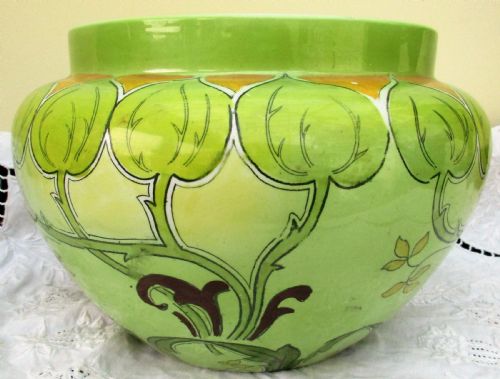
A victorian glazed planter combines functional utility with ornamental design, appearing frequently as a jardiniere, pedestal-mounted basin, or garden urn. The pieces on this page span the nineteenth century into the early twentieth century, showing influences from naturalism, rustic faux bois, and the art nouveau movement.
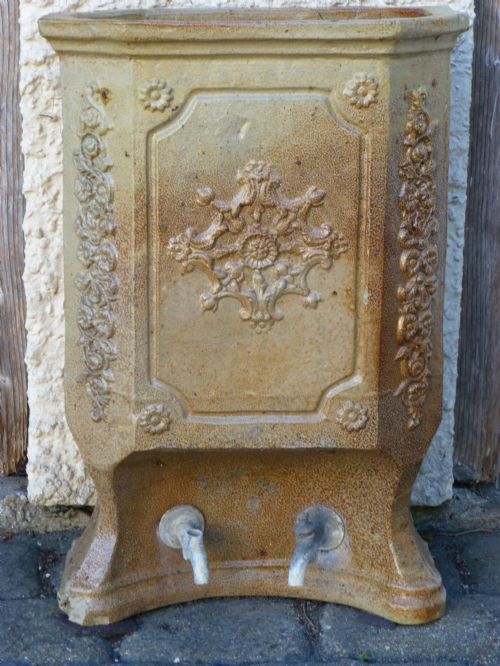
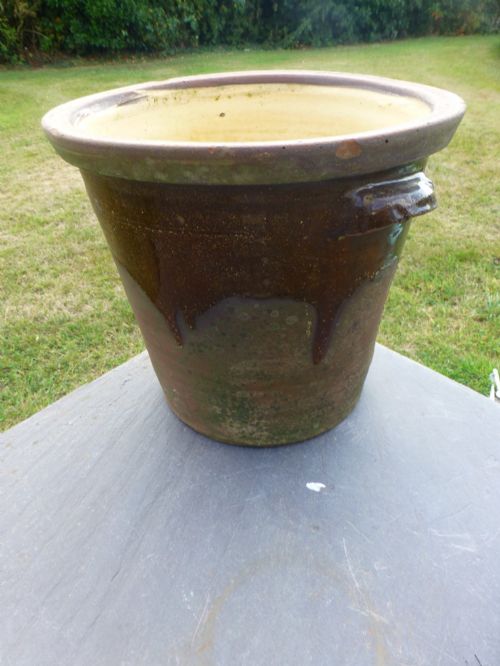
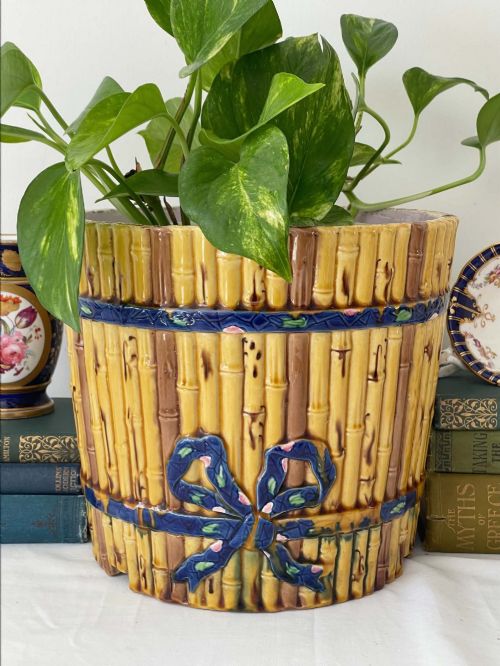
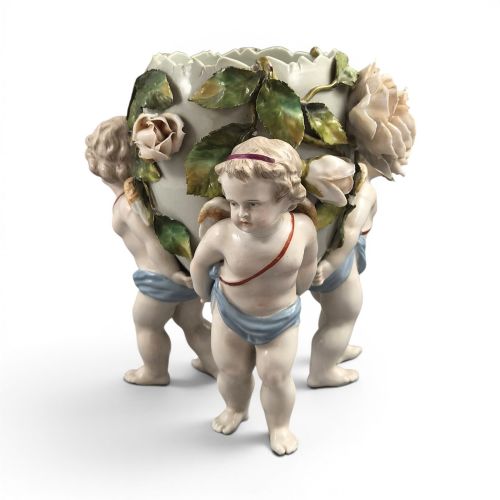
Makers ranged from large English potteries like Doulton and Minton to continental workshops, producing vessels designed to sit within domestic interiors or sheltered outdoor spaces. Forms vary from simple salt-glazed crocks and dairy salting vessels adapted for planting to elaborate majolica pieces decorated with bamboo, rockwork, and cherubs.
Buyers encounter a variety of object types that share this functional category, including wall pockets, jardiniere stands, and log bins. The terminology shifts between utilitarian stoneware and highly decorative art pottery, yet all share a reliance on fired clay and vitreous surface coatings.
Materials and construction
Potters utilised earthenware, stoneware, and terracotta as the primary bodies for these planters, shaping them on the wheel or pressing them into moulds. Salt glazing and majolica lead-glazes provided impermeable surfaces that protected the porous clay bodies from moisture.
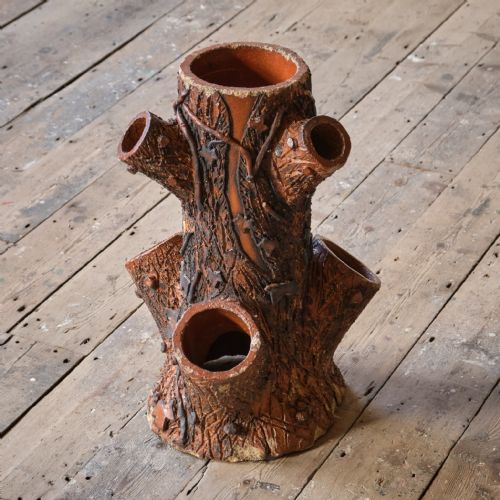
Surface decoration involved hand-painting, slip trailing, and applied relief work, such as the naturalistic bark patterns seen on faux bois examples. Lustre glazes and intricate mouldings required precise firing temperatures in kiln environments to achieve the rich colours recorded in the evidence.
Cats peer from ceramic wall pockets, proving that Victorian plant holders enjoyed an occasional feline companion.
Distinctions in craftsmanship
Quality rests in the crispness of the moulded relief and the depth of the glaze application, where artist-signed pieces or works from notable factories demonstrate superior control over pigments. Heavier bodies and well-balanced pedestals indicate a higher grade of manufacture intended for prominent display.
The sophistication of the design dictates desirability, moving from utilitarian salt-glazed storage vessels and salting crocks to complex majolica compositions featuring modelled foliage, animals, or figurative elements.
W.A. Adderley·Doulton Lambeth·Royal Doulton·Burmantofts Majolica·Clement Massier·Royal Worcester·Julius Dressler·George Jones·Lipscombe And Co·Linthorpe Pottery
The Victorian Glazed Planter Glossary
- Jardiniere
- An ornamental pot or stand for holding houseplants or cut flowers, usually designed to sit on a tabletop or floor pedestal. These vessels form the majority of the ceramic planters found in nineteenth-century collections.
- Majolica
- A type of earthenware coated with an opaque tin-glaze and painted with metallic oxide colours, celebrated for its vibrant hues and relief-moulded botanical themes. It became immensely popular during the Victorian period for interior display.
- Salt glaze
- A vitreous coating formed by throwing common salt into the kiln during the high-temperature firing of stoneware, producing a textured, orange-peel surface. This finish provides exceptional durability against moisture.
- Faux bois
- A stylistic technique mimicking the natural appearance of wood grain and tree bark in ceramic, terracotta, or concrete. Victorian artisans applied this rustic aesthetic widely to garden planters and urns.
- Slaterware
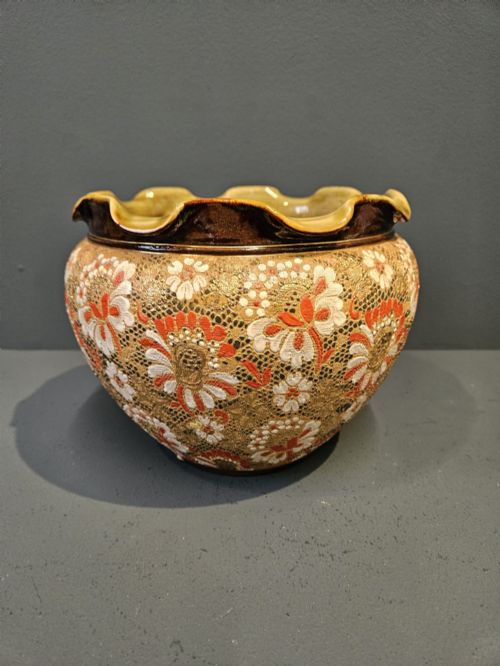
- A ceramic technique developed by Doulton featuring textured body surfaces stamped with lace or plant materials and highlighted with metallic bronzing or enamels. It reflects the experimental spirit of late Victorian studio pottery.
Victorian Glazed Planter: Frequently Asked Questions
Can these planters be used outdoors?
Many salt-glazed stoneware and terracotta vessels were manufactured to withstand outdoor conditions in gardens and conservatories. Earthenware and delicate majolica pieces benefit from protection against frost to prevent cracking.
Checking the material helps determine whether a piece suits an exposed terrace or an interior room. Stoneware and heavy salt glaze handle damp environments reliably.
What is a jardiniere stand?
A jardiniere stand is a matching pedestal designed to elevate a planter off the floor. These paired sets create a commanding focal point in a hallway or drawing room.
Finding a complete set with both the planter and its original base remains desirable for collectors. Many pieces appear independently because stands suffered accidental breakage over time.
What is faux bois?
Faux bois is an artistic style that mimics real wood, complete with simulated bark, knots, and branch junctions. Victorian makers adopted this rustic aesthetic for garden seats and planters.
These pieces brought a woodland aesthetic into domestic parlours and Victorian gardens. The tactile surface requires gentle cleaning with a soft brush to preserve the recessed details.