


Antique English Majolica
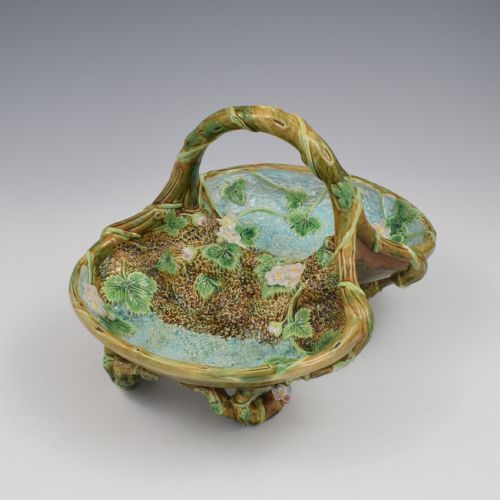
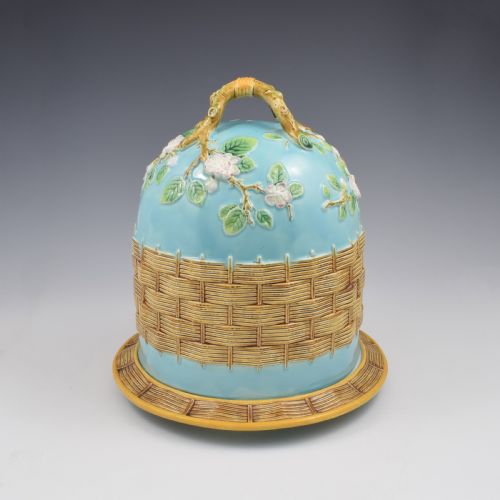
These pieces of antique English majolica are colourful glazed earthenware vessels and display pieces that bring rich Victorian naturalism into a room.
Antique English Majolica
When you search for antique English majolica, you encounter a vibrant group of glazed ceramic items spanning the Victorian era, the nineteenth century, and the eighteenth century. The selection ranges from large cheese domes and compotes to jardinieres, decorative jugs, and botanical plates.
You are most likely to meet Victorian pieces on this page, particularly naturalistic forms modelled after fruit, leaves, and animals. Makers such as George Jones and Minton dominate the nineteenth-century material, alongside earlier tin-glazed delftware and later Edwardian variations.
The objects serve primarily as decorative accents or centrepieces, utilising lead glazes and tin glazes to achieve deep, lustrous colouration. From begonia leaf comports to fern rockwork jardinieres, the forms celebrate botanical and zoological subjects with sculptural ambition.
Materials and technique
The foundation of these works is earthenware or porcelain, shaped into complex botanical and figural forms through skilful moulding. Potters applied heavy lead glazes and tin glazes directly to the clay body to create the characteristic glossy surface.
Coloured metal oxide pigments were painted onto the raw glaze or body before firing, producing the vivid greens, pinks, and yellows seen across the pieces. This polychrome glazing technique allowed makers to achieve realistic shading on naturalistic subjects like fruit, flowers, and foliage.
Victorian makers modelled everything from pink foxes and dancing figures to oyster shells and begonia leaves.
Judging quality
Quality rests upon the crispness of the moulding and the depth of the coloured glazes. Superior examples display sharply defined botanical details, such as individual veins on leaves or intricate textures on animal models, without blurring in the glaze.
The skill of the glazing process dictates visual success, with better pieces showing controlled application of multiple pigment colours that enhance the sculptural form rather than pooling heavily in the recesses.
George Jones·Minton·Royal Worcester
The Antique English Majolica Glossary
- Majolica
- A type of pottery decorated with colourful opaque glazes over an earthenware body. It gained immense popularity in Victorian England for its bright palette and naturalistic designs.
- Comport
- A raised dish or bowl used for serving fruit or sweets at the table. These decorative stands often feature botanical motifs like leaves or cherub supports.
- Jardiniere
- An ornamental pot or stand designed to hold large indoor plants or flowers. Victorian versions frequently incorporate rockwork, fern, or classical themes.
- Lead glaze
- A transparent or coloured glassy coating containing lead oxide applied to pottery. It produces a high-gloss finish that enhances the brilliance of the underlying pigments.
- Tin glaze
- An opaque white glaze made by adding tin oxide to lead glaze. It provides a smooth white background for painting, common in earlier delftware pieces.
Antique English Majolica: Frequently Asked Questions
What is antique English majolica?
Antique English majolica comprises brightly coloured glazed earthenware and ceramic items produced mainly during the Victorian period. The pieces are renowned for their heavy lead glazes and vibrant naturalistic forms.
Common objects include cheese bells, jardinieres, comports, and decorative plates modelled after leaves, fruit, and animals.
How were these pieces used?
Many items served practical dining functions, such as cheese domes, fruit compotes, and oyster plates. They brought colour and sculptural interest to the nineteenth-century table.
Other pieces, like jardinieres, garden seats, and decorative jugs, were designed purely for interior or conservatory ornamentation.
How do I date a piece?
Dating relies on stylistic markers, materials, and documented maker output, spanning from eighteenth-century delftware to nineteenth-century Victorian naturalism and early twentieth-century examples.
Victorian pieces often display Registration marks or factory ciphers that help pinpoint the exact decade of manufacture.
How do I care for majolica?
Keep glazed ceramics away from abrasive cleaners and extreme temperature changes to protect the fragile lead or tin glaze surface. Gentle dusting and hand washing when necessary will preserve the colourful finish.
Display the pieces in stable environments where they are safe from accidental knocks.