
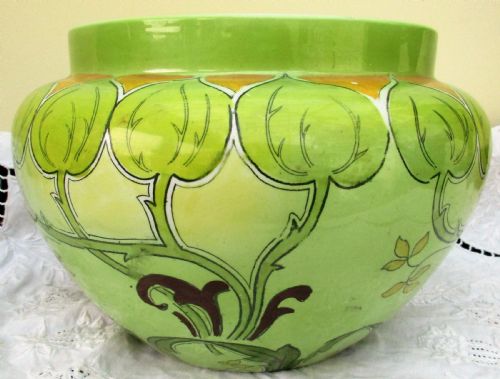


Antique Glazed Cachepot
An antique glazed cachepot houses indoor plants inside a decorative vessel, bringing texture and period character to any room.
Antique Glazed Cachepot
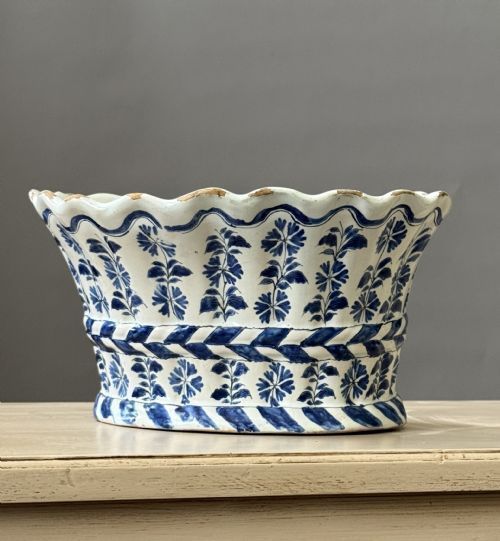
When searching for an antique glazed cachepot, you are looking at ornamental plant vessels designed to sit indoors without draining onto furniture. These pieces appear under various historical terms such as jardinieres, planters, bough pots, and pot a oranges.
The selections available here span from the eighteenth century through the Victorian era and into the early twentieth century. Common forms include single-vessel planters, three-handled pots, and fern rockwork vessels produced across English, French, and German potteries.
Materials and construction
Potters built these vessels using earthenware, stoneware, and ceramic bodies shaped by hand or in moulds. Artisans then applied tin-glaze, salt glaze, or coloured lead-based glazes to seal the porous clay and create decorative surfaces.
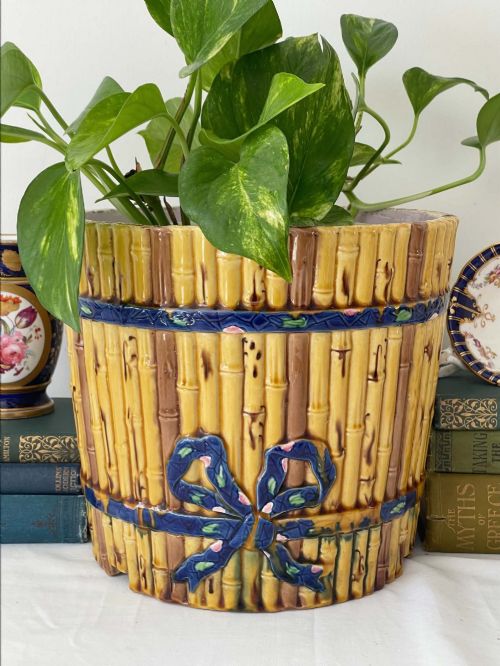
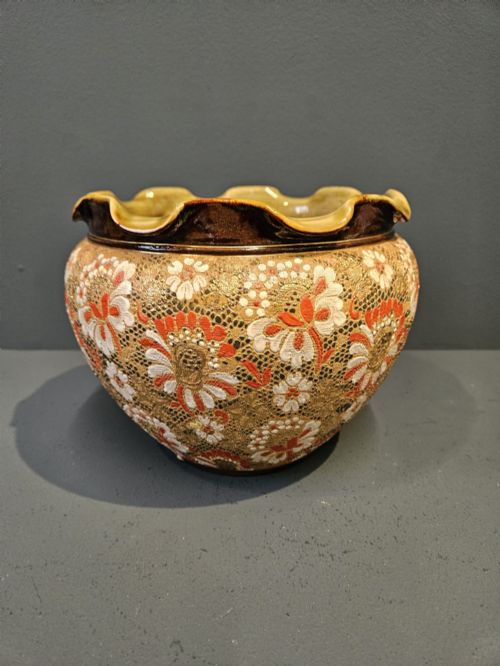
Many items incorporate additional ornamentation such as gold leaf accents, applied bamboo motifs, or raised slip decoration. Factories like Doulton, Minton, and Royal Worcester combined these techniques to produce durable domestic planters.
Some Victorian gardeners used specialised swan-shaped planters to bring literal waterfowl charm directly onto the drawing room table.
Distinctions in quality
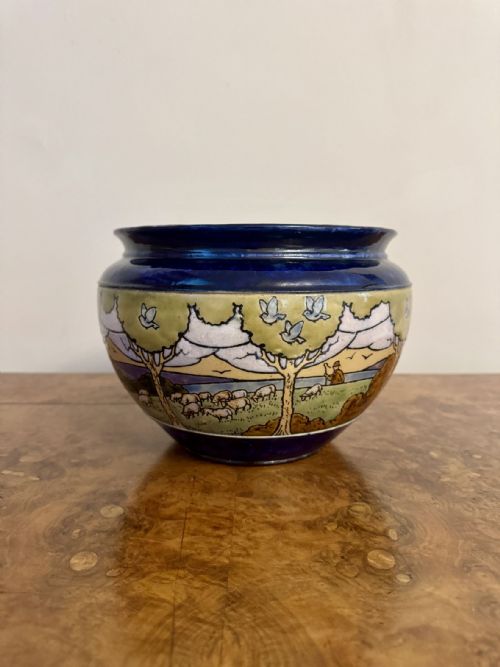
Quality rests upon the crispness of the moulding, the depth and evenness of the glaze, and the artistic control shown in hand-painted or slip-trailed details. Superior examples display clear definition in relief work and harmonious colour palettes.
Artistic attribution also shapes standing, with pieces carrying documented studio designer marks or factory cyphens holding distinct interest. The integration of handles, feet, and structural form further separates standard utility pieces from exhibition-grade studio ceramics.
W.A. Adderley·Royal Doulton·Royal Worcester·Linthorpe Pottery·Macintyre and Co.
The Antique Glazed Cachepot Glossary
- Cachepot
- An ornamental flowerpot holder designed to conceal a plain inner pot. The French term translates literally as hide-pot.
- Jardiniere
- A large decorative ornamental container for plants or flowers. These items often stand on tables or directly on the floor in nineteenth-century interiors.
- Majolica
- A type of earthenware coated with an opaque tin glaze and painted with metallic oxide colours. Victorian potteries produced robust versions featuring naturalistic plant and animal themes.
- Slaterware
- A ceramic surface texture pioneered by Royal Doulton that mimics woven lace or rough fabrics. Makers pressed actual fabrics into the damp clay before firing and glazing.
- Bough pot
- An early vessel designed specifically for holding cut tree boughs or floral arrangements. Eighteenth-century examples frequently feature pierced lids for stem support.
Antique Glazed Cachepot: Frequently Asked Questions
Can these pots hold soil directly?
Most antique glazed pots lack drainage holes in the base because they were originally made for indoor display on fine furniture. Putting moist soil directly inside risks trapping water against the unglazed base and causing structural breakdown.
Using a liner preserves the interior glaze and prevents mineral salts from staining the ceramic body over time.
How do I date an antique jardiniere?
Examine the base for impressed factory marks, registration numbers, or hand-painted artist cyphens. Different potteries changed their stamps across decades, allowing precise chronological placement.
Stylistic cues such as Victorian naturalism, Arts and Crafts simplicity, or Art Nouveau whiplash lines also indicate the manufacturing era.
Where should I display a planter?
Position these vessels on sturdy side tables, mantelpieces, or plant stands where their decorative glazes catch the light. Keep them away from heavy foot traffic to prevent accidental knocks against fragile handles or rims.
Pairing them with ferns or trailing green foliage highlights their nineteenth-century botanical function.