


Brown Glazed Planter
A brown glazed planter brings rich earthy tones and tactile depth to planting schemes.
Brown Glazed Planter
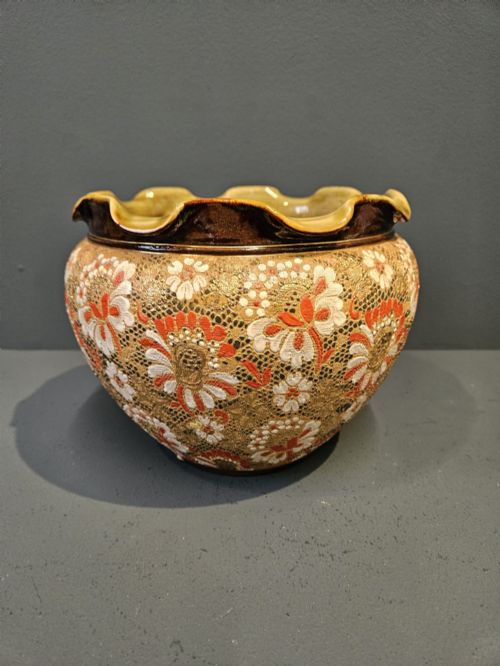
A brown glazed planter encompasses a diverse group of nineteenth-century vessels designed for holding greenery, ranging from rustic garden troughs to formal majolica jardinieres. When searching for a brown glazed planter, buyers encounter objects shaped from ceramic, stoneware, earthenware, and terracotta, often spanning the Victorian era and the turn of the twentieth century. These vessels serve practical horticultural needs while providing strong decorative character through rich, lustrous surface finishes.
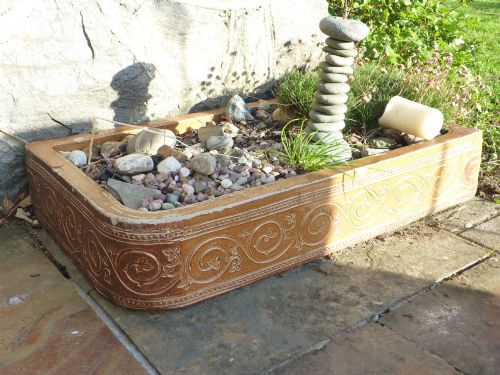
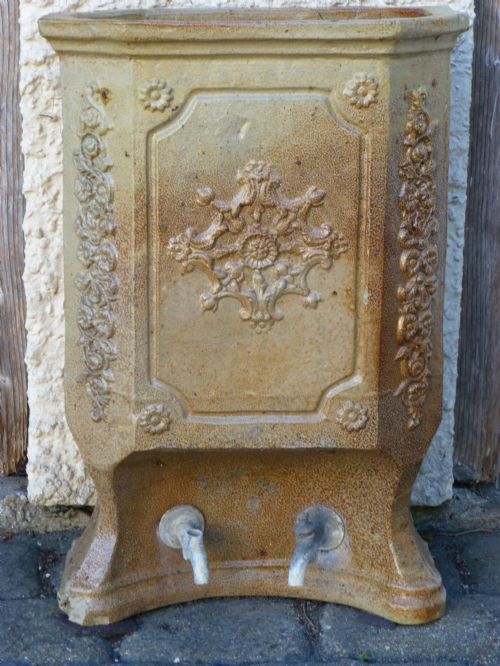
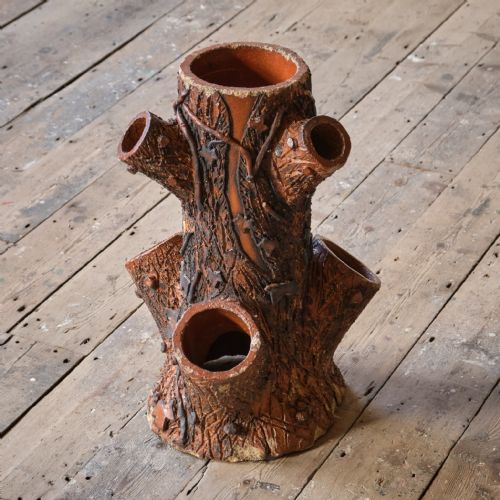
The selections available here frequently manifest as jardinieres, garden planters, troughs, and specialised forms such as strawberry planters and water filtration fountains repurposed for horticulture. Pieces originate from British, French, and Scottish makers, demonstrating a wide geographical reach in nineteenth-century utilitarian and artistic pottery production. Victorian examples lean heavily into naturalistic, rustic, and faux bois styles that mimic living wood or stone.
Most items on this page date from the nineteenth century, with specific representations from the 1870s, 1880s, 1890s, and 1900, alongside early twentieth-century production around 1920. Buyers meet forms finished in salt glaze, majolica taste, and rich brown glazes that highlight the underlying ceramic body. Each vessel demonstrates how utilitarian pots and decorative jardinieres share common ground through durable ceramic construction.
How they were made
Makers utilised durable ceramic bodies such as stoneware, earthenware, and terracotta to form the foundational structure of each brown glazed planter. These materials provided the necessary strength to withstand both indoor display and outdoor garden use, ensuring longevity for heavy planting soil.
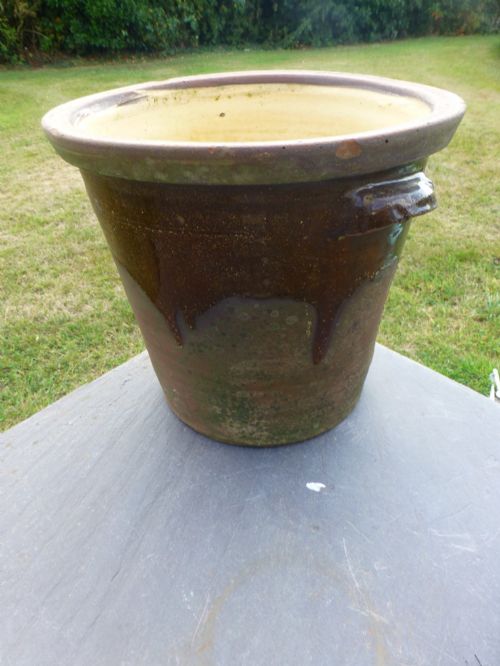
Surface finishes rely heavily on specialised techniques including salt glazing and vibrant majolica glazes that create deep brown tonalities. Salt glazing involves introducing salt into the kiln during high-temperature firing, producing a characteristic textured pebble finish on stoneware, while fluid coloured glazes define the artistic pottery and majolica pieces.
Listings feature nineteen-thirties and nineteenth-century eras, incorporating stoneware, terracotta, earthenware, and salt-glazed ceramics in various jardinieres and planters.
What varies in quality
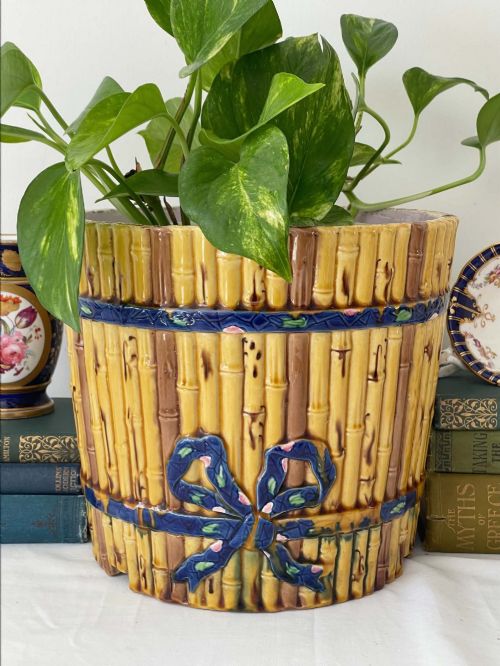
The distinction between standard utility wares and exceptional pieces rests in the ambition of the modelling and the sophistication of the glaze application. Elaborate sculptural forms like faux bois textures or naturalistic bamboo motifs require high levels of artisan skill compared to plain functional pots.
Attribution to notable potteries or named artists elevates a piece beyond anonymous production. Marked works and documented designs carry greater weight among collectors, showing distinct artistic intent in their form, colour variation, and surface detail.
Guichard Carriès·Minton·Doulton Lambeth·Doulton Burslem·Royal Doulton·Julius Dressler·Linthorpe Pottery
The Brown Glazed Planter Glossary
- Jardiniere
- An ornamental ceramic pot or stand designed to hold a living plant or floral arrangement. These vessels often feature decorative glazes or moulded reliefs suited for prominent interior placement.
- Faux Bois
- A decorative style mimicking the natural appearance of wood grain and tree bark. This technique was popular during the Victorian period for garden ornaments and rustic planters.
- Majolica
- A type of earthenware covered with an opaque tin glaze and painted with brightly coloured metal oxide pigments. It gained immense popularity in the nineteenth century for vibrant, glossy decorative wares.
- Salt-Glazed Stoneware
- Pottery created by throwing salt into the kiln at the peak of high-temperature firing, causing the sodium to react with the silica in the clay body. This process forms a durable, slightly textured glaze resembling orange peel.
- Strawberry Planter
- A specialised multi-pocketed vessel designed to allow strawberry plants to fruit through side openings while containing the root system. These functional garden forms often feature distinctive terracotta or stoneware construction.
Brown Glazed Planter: Frequently Asked Questions
What plants suit these?
These vessels accommodate a wide variety of indoor foliage plants, ferns, and seasonal flowering specimens. Their deep proportions and sturdy walls provide stable environments for potted greenery.
Larger outdoor troughs and faux bois designs suit patio displays, small shrubs, or trailing plants that cascade over the rim.
Can I use them outside?
Many stoneware and terracotta examples withstand outdoor conditions if protected from severe frost. Unglazed earthenware and delicate majolica pieces are better suited to sheltered positions or interior display.
Checking the specific ceramic body type helps determine whether a vessel can safely remain in the garden through winter.
How do I clean them?
Gentle washing with warm water and a soft brush removes soil and mineral deposits without harming the historic glaze. Harsh chemicals and abrasive scouring pads should be avoided to preserve the original surface.
Allowing the ceramic to dry thoroughly maintains the integrity of the glaze and any underlying earthenware body.
How are periods identified?
Stylistic clues such as Victorian naturalism, faux bois moulding, and Art Nouveau curves point toward specific decades of production. Glaze types and manufacturing techniques also align with nineteenth-century methods.
Maker marks, impressed registry numbers, and date stamps provide definitive evidence for dating marked ceramic pieces.