
Victorian Glazed Pine Dresser
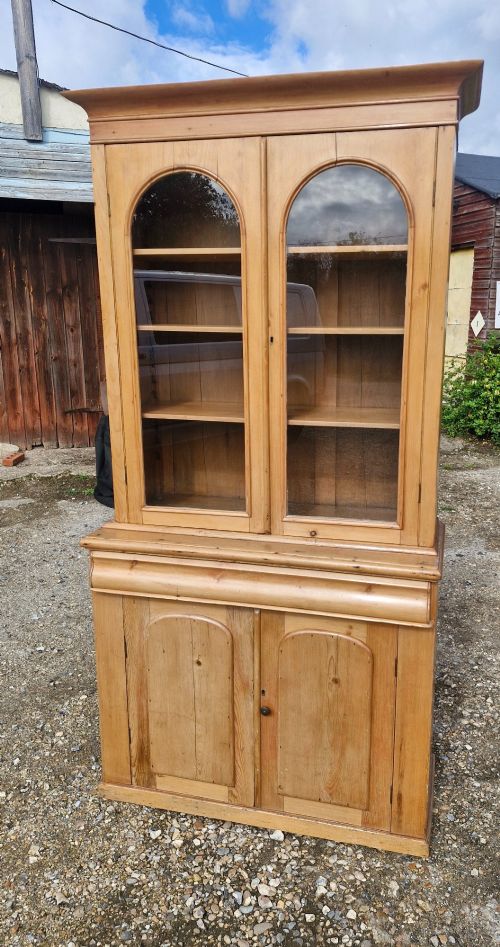
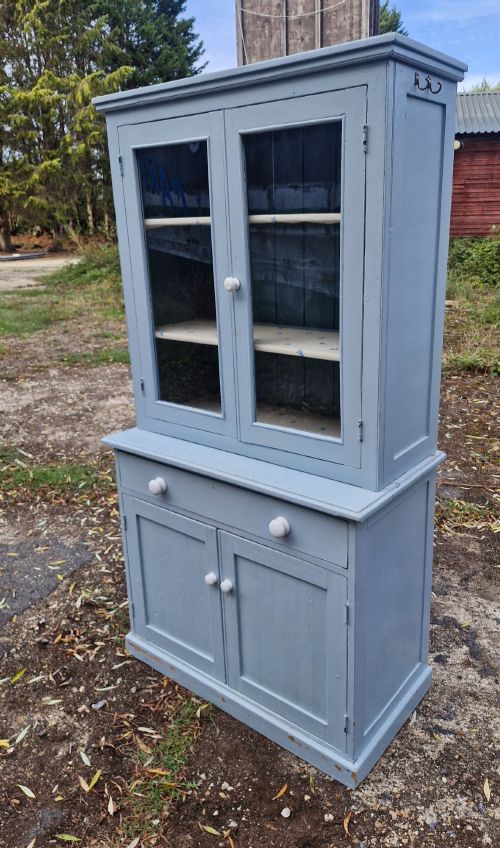
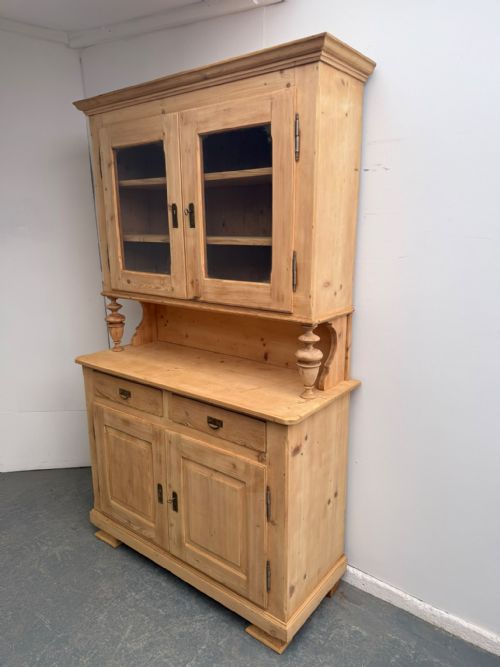
A victorian glazed pine dresser combines domestic utility with glazed display space, offering sturdy timber construction suited to storing kitchenware or books.
Victorian Glazed Pine Dresser
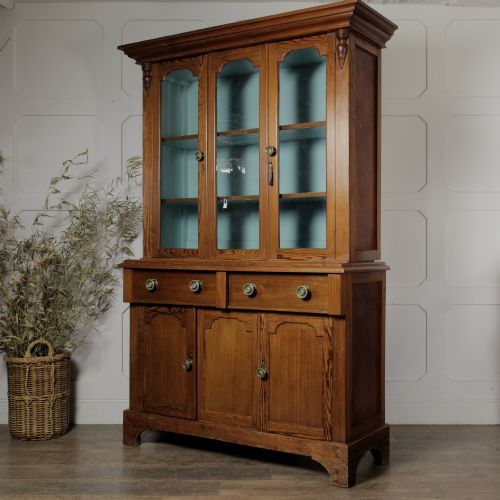
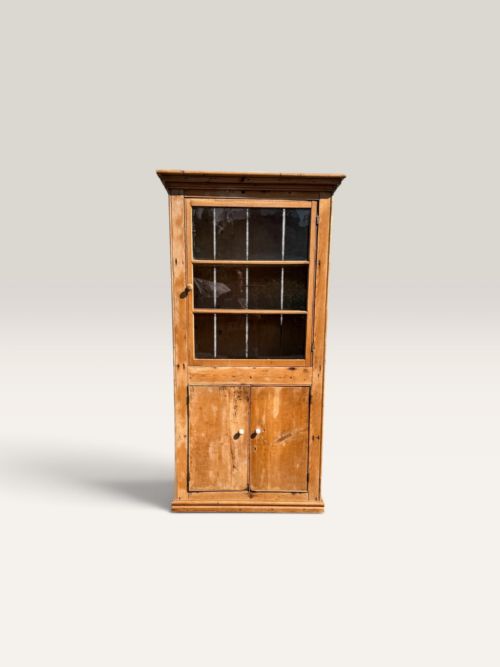
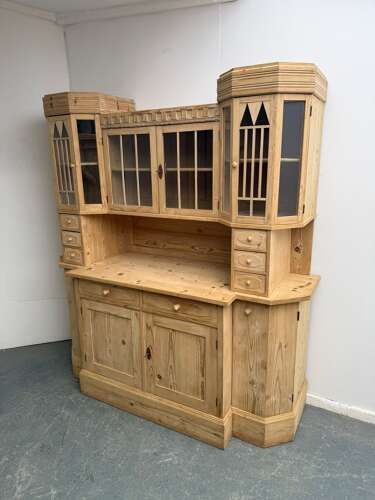
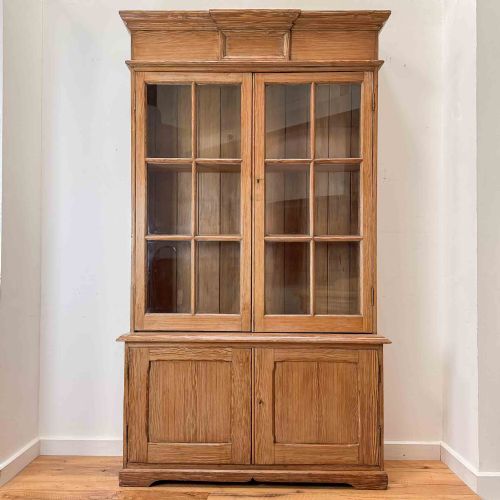
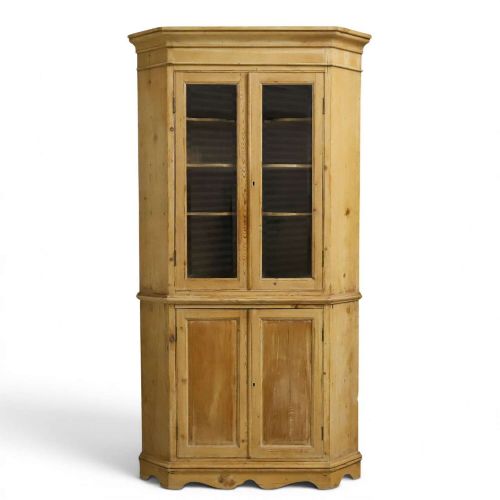
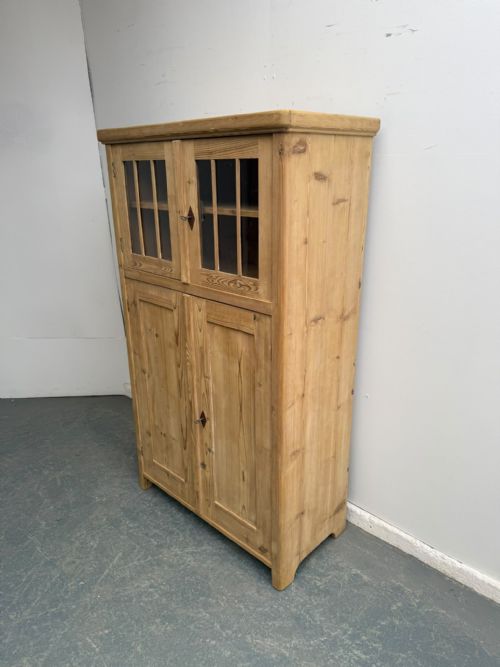
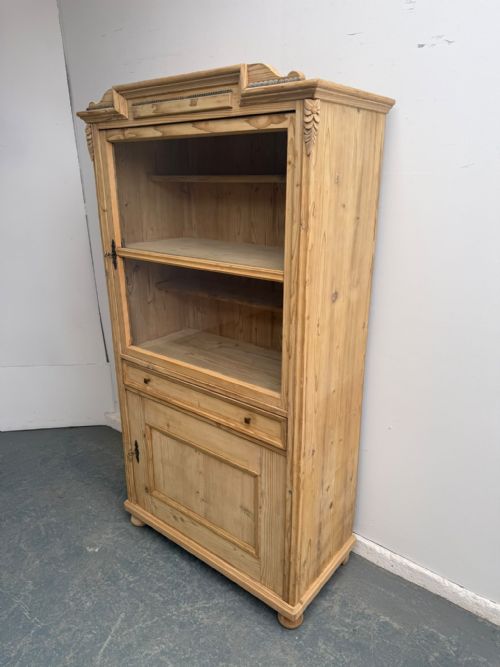
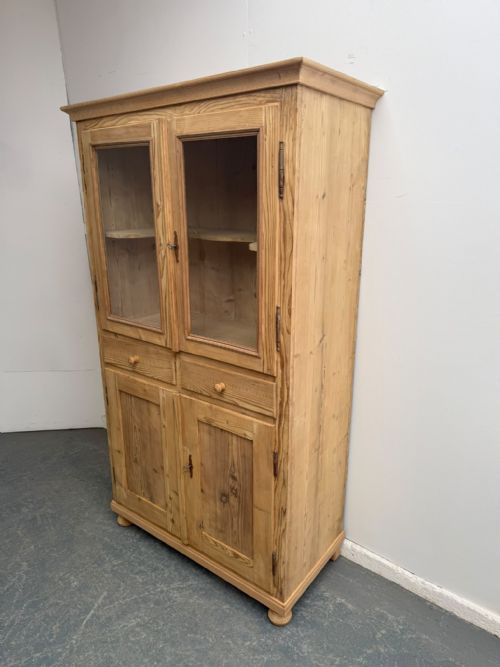
A victorian glazed pine dresser takes many forms across the nineteenth century, appearing as two-part kitchen dressers, tall display cabinets, corner cupboards, and library bookcases. These pieces served practical domestic storage needs in kitchens, larders, and dining rooms across English, Scottish, Irish, and West Country regions.
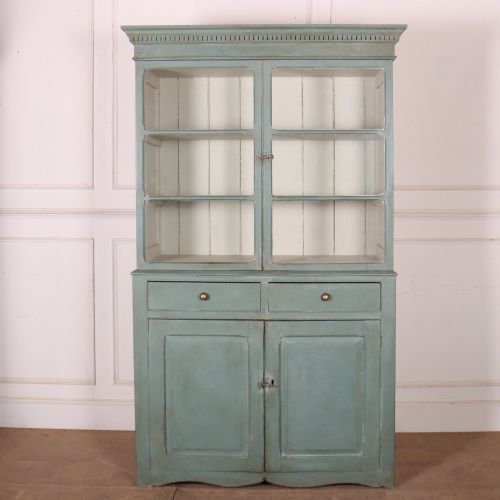
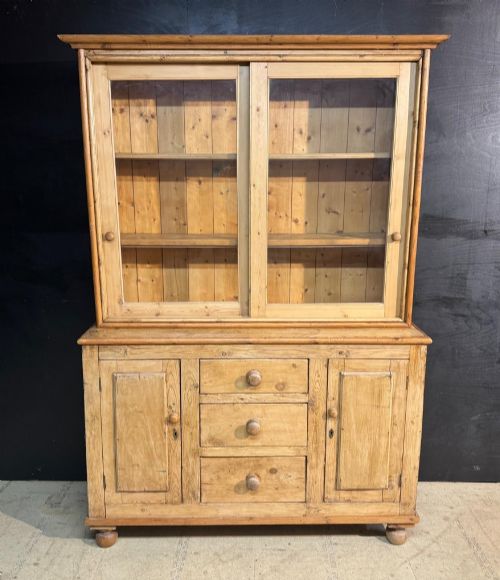
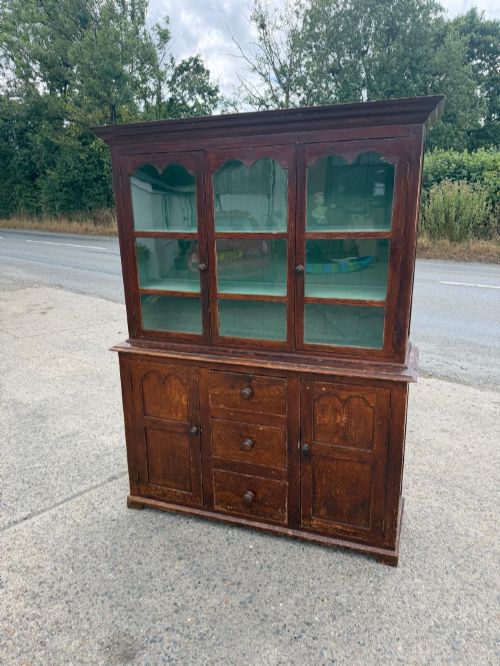
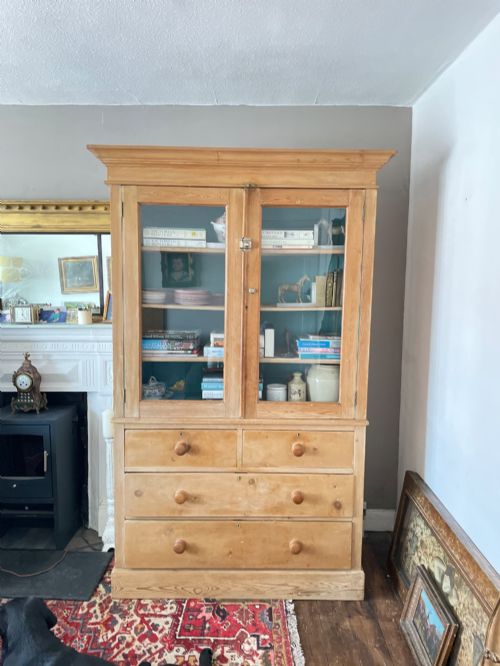
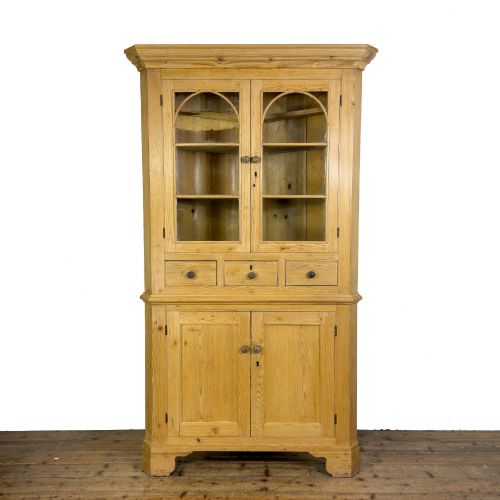
The version most commonly met on this page is the two-stage cupboard, pairing a lower section of drawers and solid doors with an upper glazed cabinet. Regional variations include Cornish dressers, West Country examples, and pieces finished in original painted surfaces or scraped finishes.
How They Were Made
Carpenters constructed these pieces primarily using solid pine and pitch pine, incorporating glass panes into doors alongside brass and iron hardware. Timber surfaces received various finishes, ranging from clear wax and stripped pine to scumbled, grained, or painted coats in cream, teal, and blue.
Joinery techniques followed traditional workshop practices, producing robust frames for multi-door storage cabinets, sliding glazed doors, and two-part forms designed to split for transport.
What Varies in Quality
The calibre of a piece rests upon its original proportions, timber selection, and the integrity of its surface treatment. Well-preserved original painted finishes or honest scumble work distinguish finer regional examples from later stripped or heavily altered pieces.
Construction scale and glazing complexity also set items apart, separating simple single-door corner cupboards from grand four-door display cabinets and large multi-drawer kitchen dressers.
The Victorian Glazed Pine Dresser Glossary
- Pitch pine
- A dense, resinous variety of pine timber often utilised for nineteenth-century cabinetry and kitchen dressers. It yields a distinctive grain pattern.
- Scumble
- A decorative painting technique involving a translucent top layer dragged or combed over a base coat to imitate finer wood grains. It appears frequently on nineteenth-century vernacular furniture.
- Two-part form
- A piece of furniture constructed in separate upper and lower sections that stack together. This configuration facilitated transport and positioning in domestic spaces.
- Cornish dresser
- A specific regional vernacular furniture style associated with Cornwall. These pieces often feature distinct proportions and local timber selection.
- West Country dresser
- A regional cabinet type originating from the west of England, frequently recorded with original painted or grained surfaces and specific internal layouts.
Victorian Glazed Pine Dresser: Frequently Asked Questions
Where were these dressers used?
These pieces found a place primarily in kitchens, larders, and dining spaces for everyday household storage.
Households stored crockery, foodstuffs, and utility items behind the glazed upper doors and lower wooden cupboards.
Are these dressers heavy?
Solid pine and pitch pine construction makes these substantial items of furniture, particularly when built in large formats.
Many examples feature a two-part form, allowing the upper glazed section to separate from the lower base for easier movement.
How do I clean a waxed pine surface?
Maintenance involves dusting with a soft cloth and applying a traditional beeswax polish when the timber appears dry.
Avoid using water or modern chemical sprays, which can damage the historic wax or bare pine finish.