
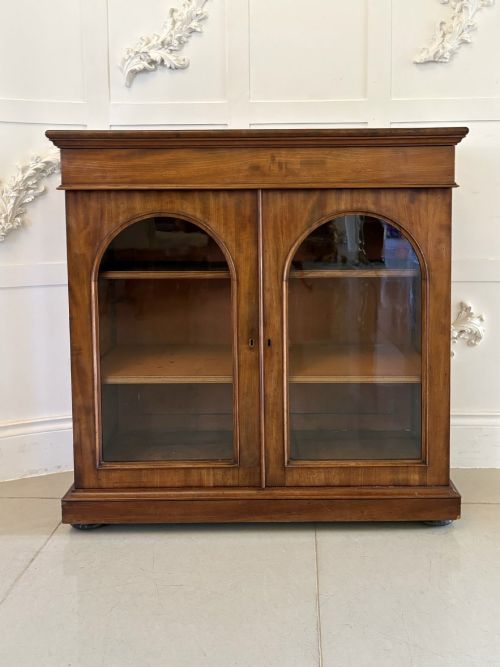
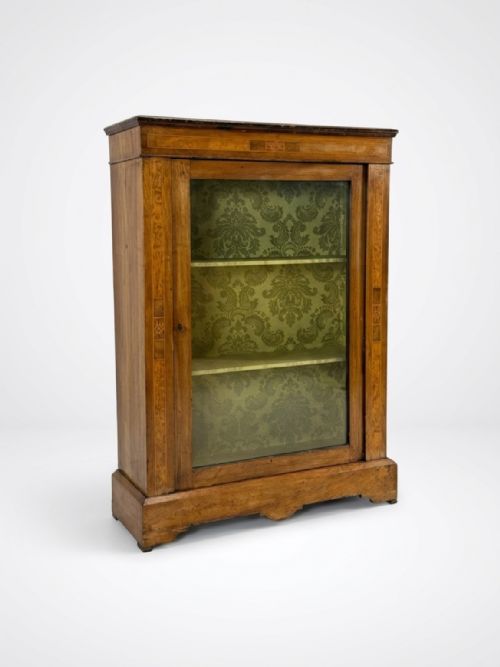
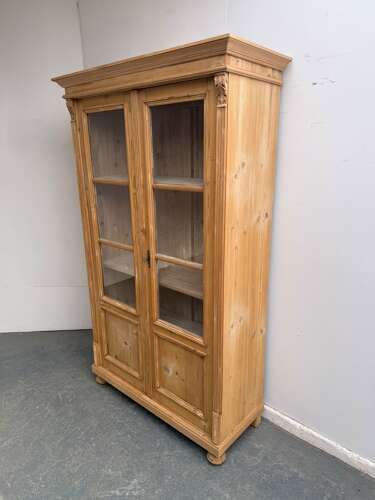
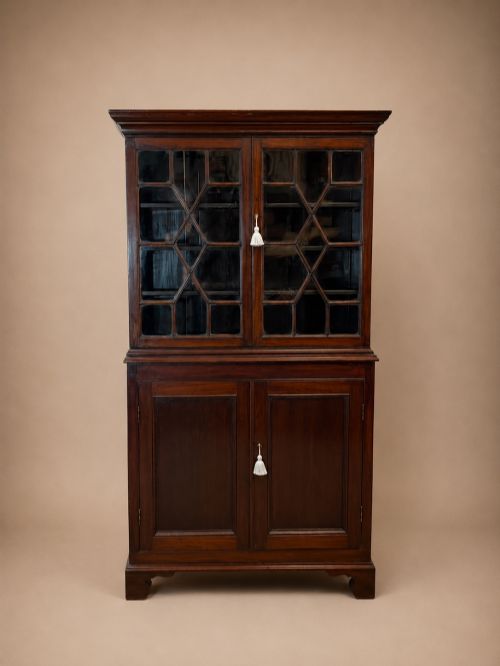
Victorian Glass Door Cupboard
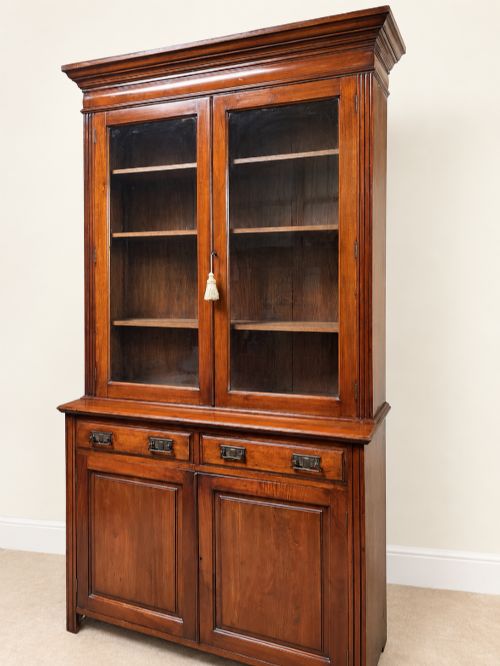
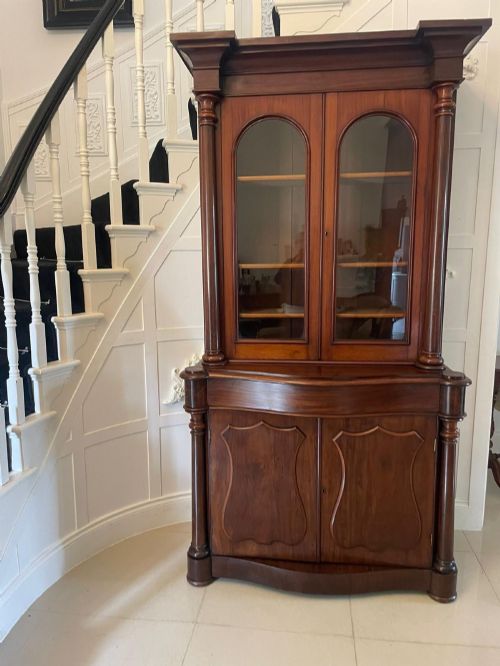
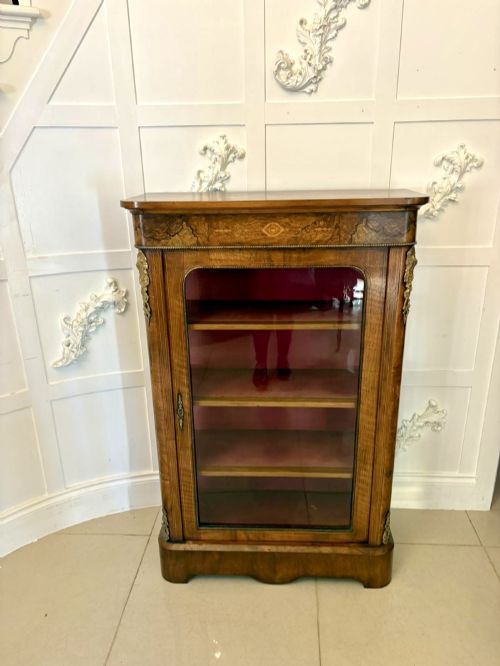
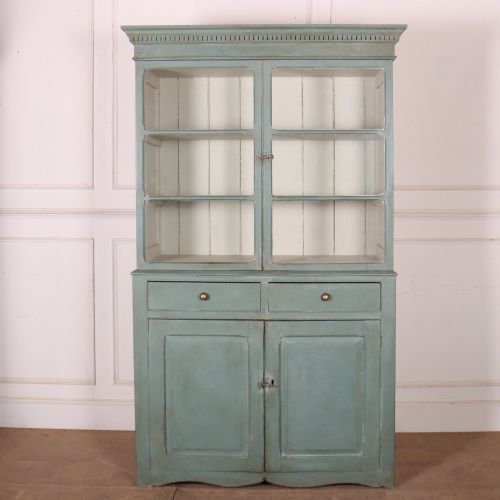
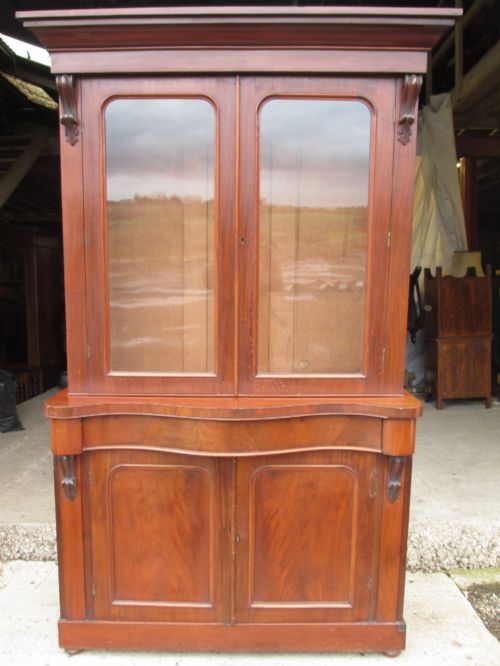
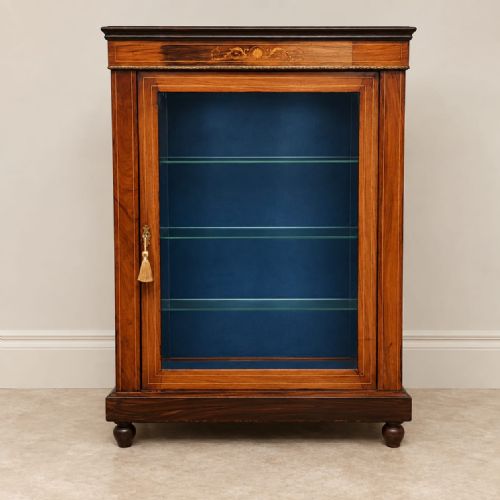
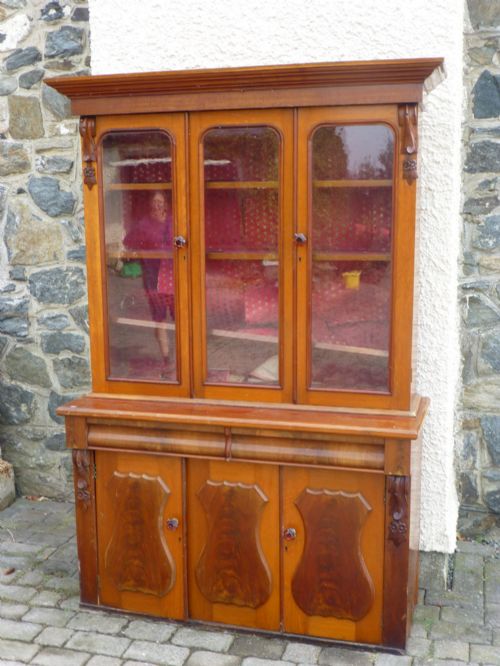
These victorian glass door cupboard designs range from compact pier cabinets to substantial bookcases, housing books and objects behind paned glass.
Victorian Glass Door Cupboard
A victorian glass door cupboard typically presents as a glazed bookcase, pier cabinet, or kitchen dresser intended for display and storage. Buyers searching this phrase encounter nineteenth-century pieces spanning the Victorian and Edwardian periods, produced across various regional workshops.
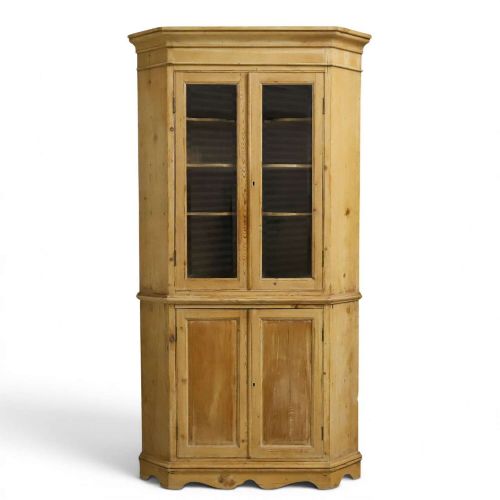
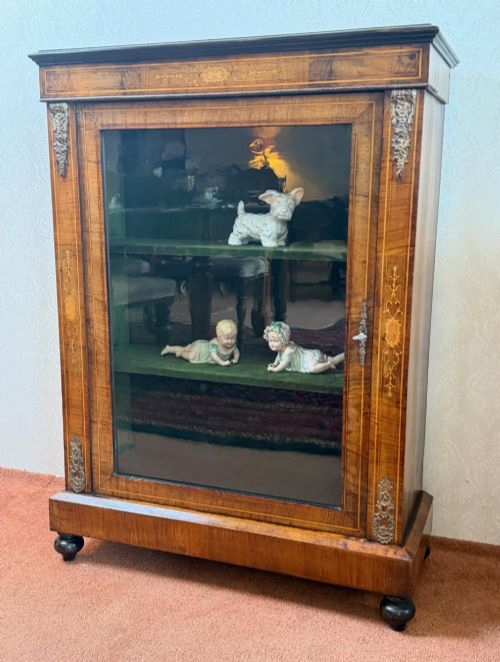
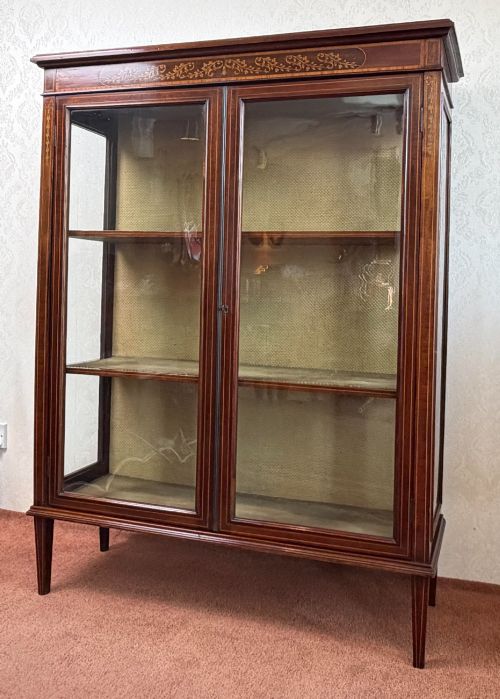
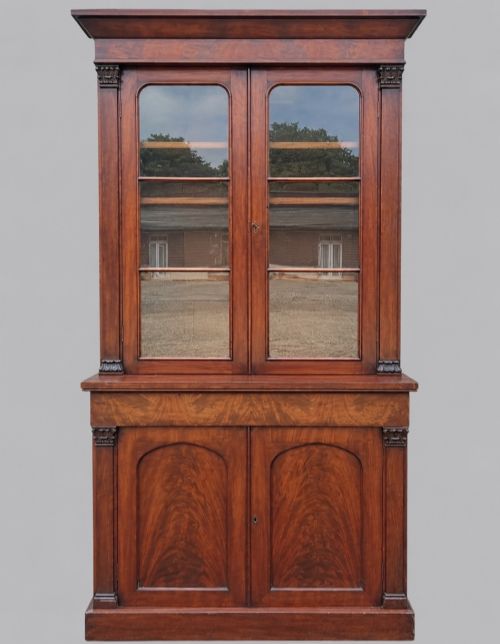
The most common formats on this page are mahogany, walnut, and pine bookcases or display cabinets featuring glazed upper sections. Forms vary from slim single-door pier cabinets to large multi-door library bookcases and Welsh dressers.
Origins stretch from English and Scottish country workshops to metropolitan cabinet makers, utilising local timbers appropriate to each region. The unifying characteristic across these pieces is the combination of functional wooden storage with transparent glass doors for viewing contents.
Materials and construction methods
Cabinet makers utilised dense hardwoods such as mahogany, walnut, and rosewood, alongside softer timbers like pine and oak. Timber selection dictated whether the piece received a polished veneer finish or remained painted and waxed in country styles.
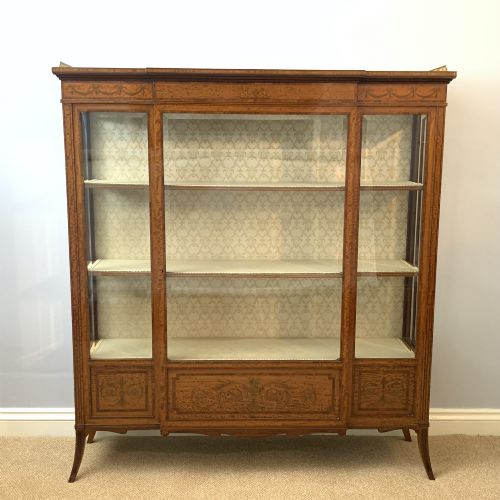
Glazing techniques employed individual glass panes secured within wooden framing bars, complemented by brass hardware and occasional ormolu mounts. Finer pieces incorporated burr walnut veneers and delicate marquetry inlay within the cabinet body.
Listings feature woods including mahogany, walnut, rosewood, and pine alongside glass, brass, and ormolu.
Distinguishing quality across the range
Quality separates primitive country pine furniture from sophisticated metropolitan cabinet work through timber selection and joinery precision. Figured veneers, intricate inlay work, and well-proportioned architectural cornices distinguish high-status examples from simpler utility pieces.
The refinement of the glazing bars and the clarity of the original glass panes influence the overall character of a cabinet. Superior pieces demonstrate careful matching of timber grain across doors and drawers, alongside robust internal shelving arrangements.
Edwards and Roberts
The Victorian Glass Door Cupboard Glossary
- Pier cabinet
- A low freestanding cabinet designed to fit the wall space between windows. These glazed pieces often feature inlaid decoration and ormolu mounts.
- Credenza
- A low sideboard or cabinet, frequently associated with Victorian rosewood or walnut drawing room furniture. They typically incorporate glazed central doors flanked by side cupboards.
- Glazed
- Fitted with glass panels allowing the contents of the cabinet to be viewed. This technique protects books and display objects from dust.
- Burr walnut
- Timber taken from the warted growth of a walnut tree, yielding highly figured swirling grain patterns. Cabinet makers prized this material for veneering principal display surfaces.
- Ormolu
- Gilded bronze ornamentation applied to furniture. This decorative technique appears on finer Victorian and Regency-influenced pieces.
Victorian Glass Door Cupboard: Frequently Asked Questions
What is a victorian glass door cupboard?
These pieces comprise nineteenth-century storage furniture fitted with glass panel doors, functioning primarily as bookcases, display cabinets, or kitchen dressers.
They combine wooden shelving with transparent fronts to store books and display decorative objects while keeping them free from dust.
Where were these cupboards placed?
Earlier examples served in libraries, parlours, and formal dining rooms to house leather-bound volumes and porcelain collections. Smaller pier cabinets occupied narrow wall spaces between windows in Victorian drawing rooms.
Kitchen and pantry variants functioned as practical storage for utility items in domestic settings.
How do I identify a Victorian piece?
Dating relies on timber choices, construction methods, and stylistic details characteristic of the nineteenth century. Common indicators include mahogany, walnut, or rosewood construction, alongside period brass hardware and hand-blown glass.
Regional country pieces often utilise pine or oak with simpler waxed or painted finishes.
How do I care for antique glass?
Original glass panes require gentle cleaning with standard glass cleaner applied to a cloth rather than sprayed directly onto the surface. This prevents moisture from seeping into the historic wooden glazing bars.
Timber frames benefit from occasional application of appropriate wax polish to maintain the finish.