
Victorian Glass Table Lamp
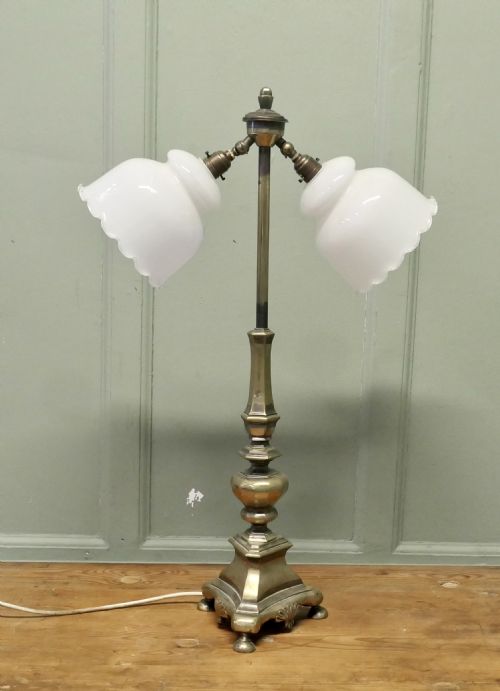
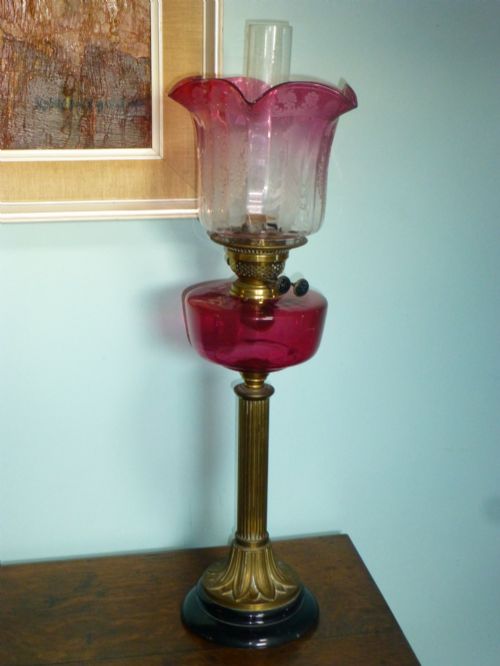
A victorian glass table lamp brings heavy cast brass and rich hand-blown fonts together to anchor a room in nineteenth-century warmth.
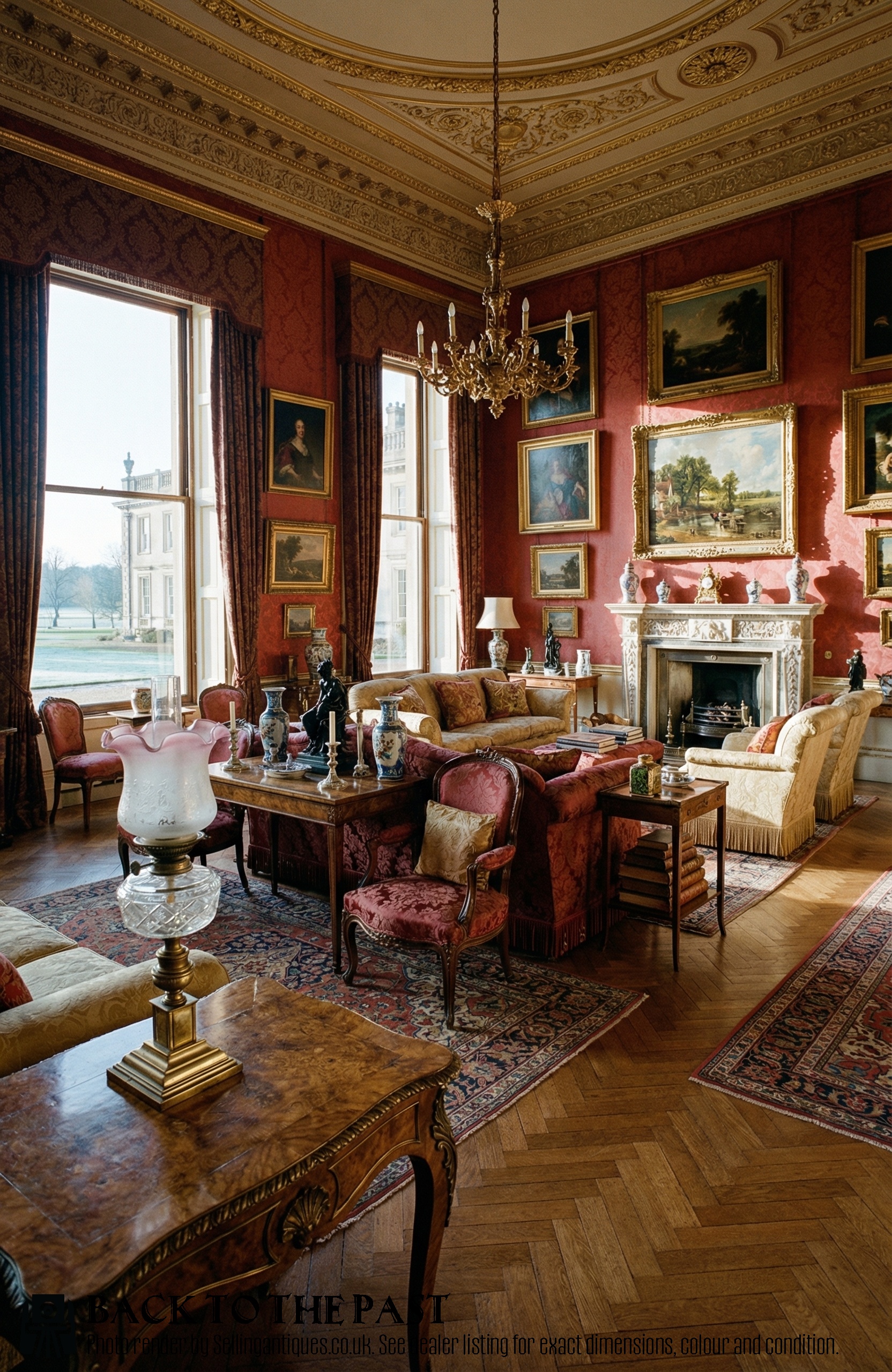
Victorian Glass Table Lamp
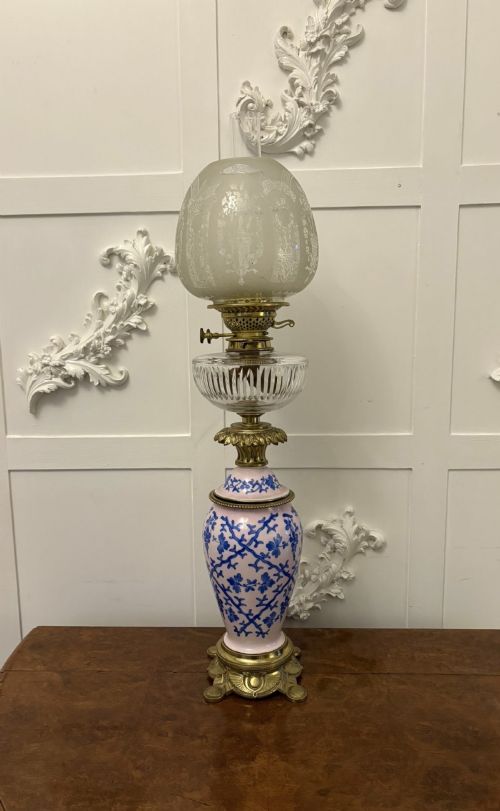
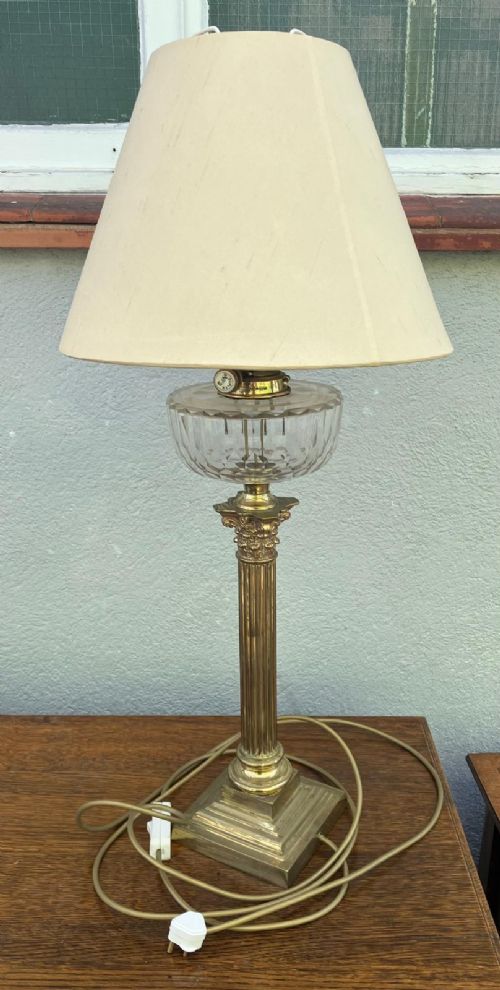
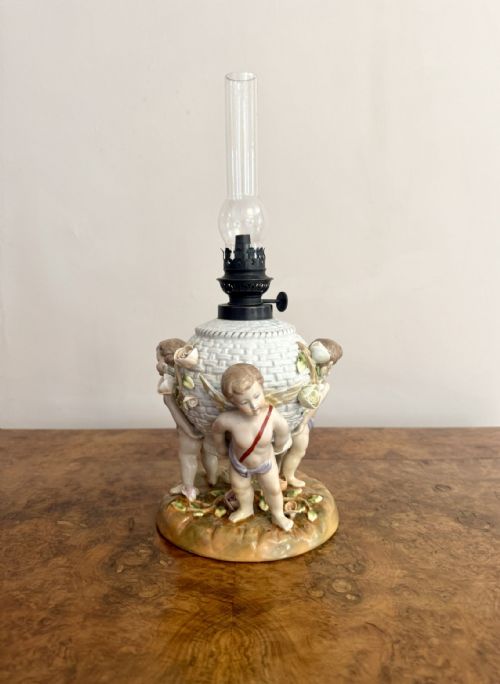
A victorian glass table lamp combines a metal base with a glass font or shade, originating primarily in the nineteenth century and extending into the early twentieth century. You will encounter column forms, figural ceramic bodies, and structural oil burners that were later converted for domestic electricity.
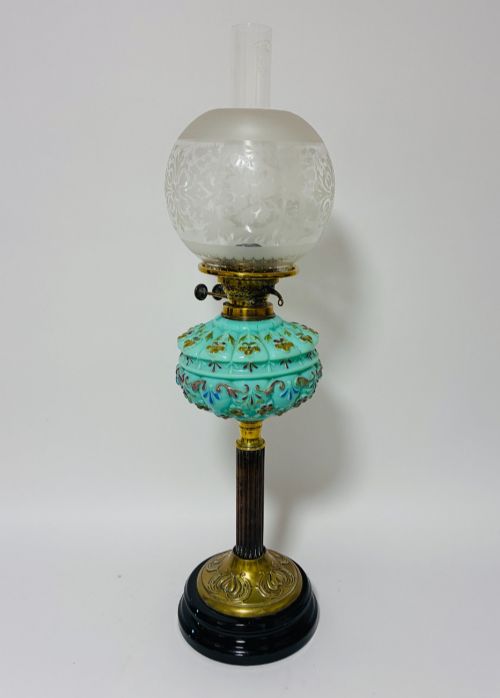
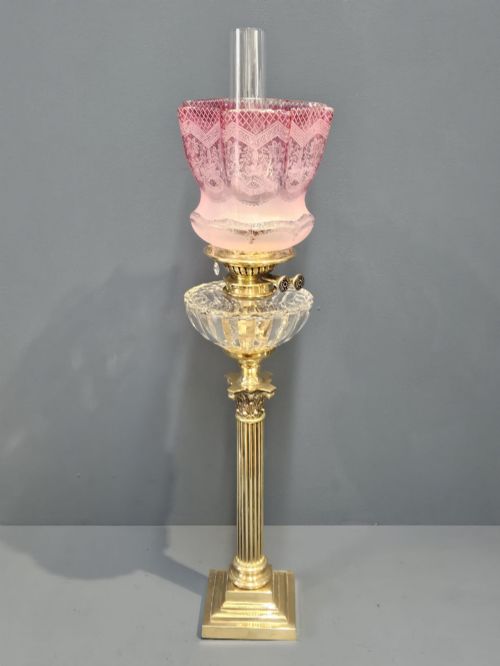
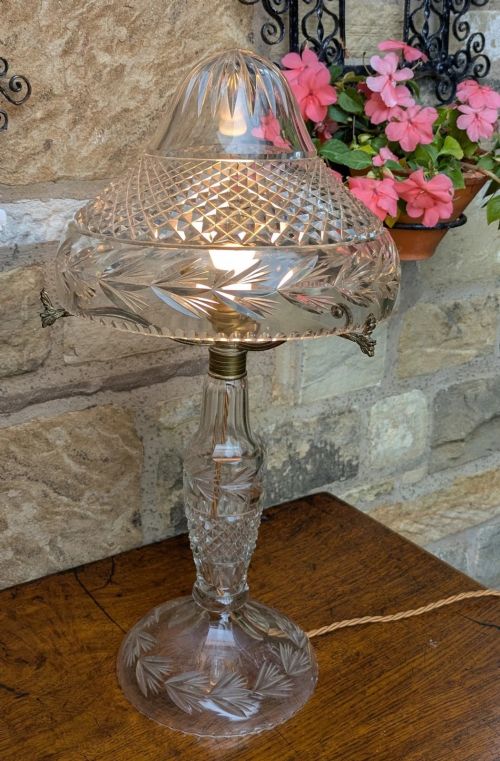
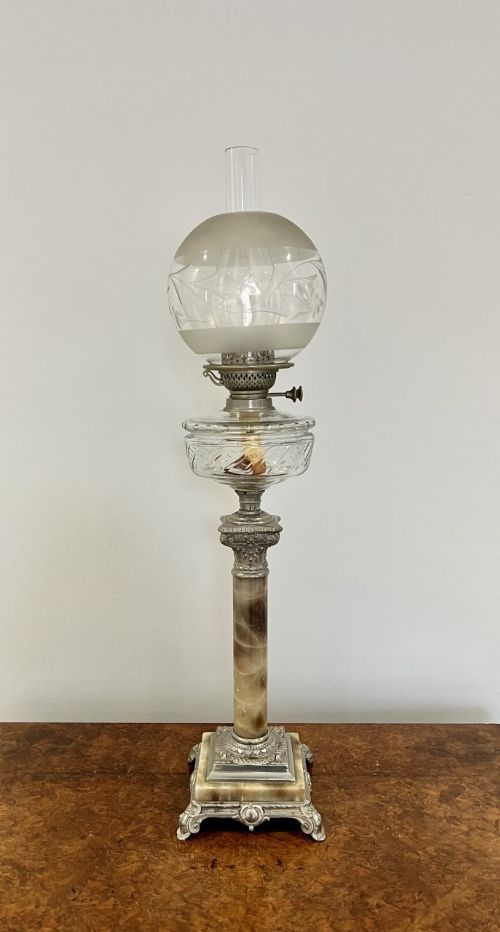
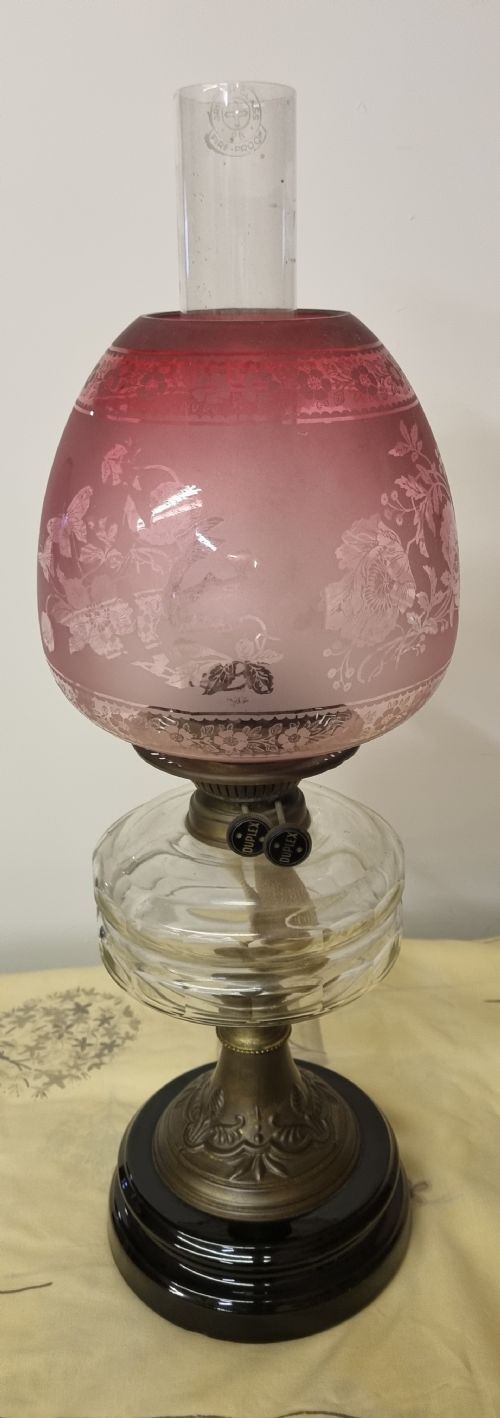
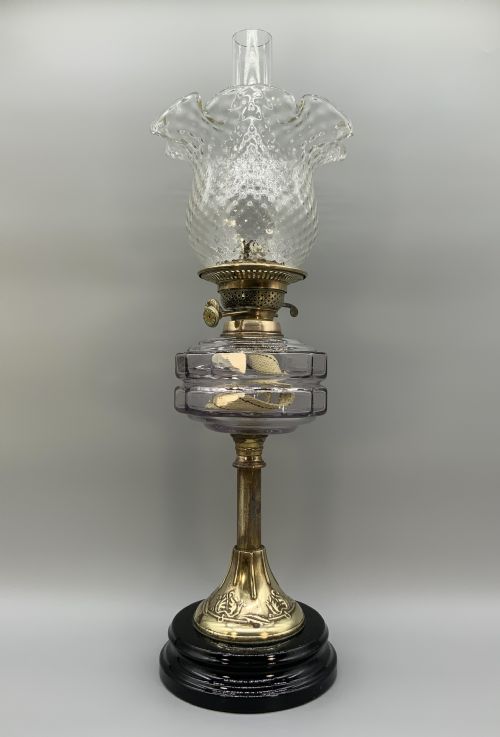
Most examples rely on structural bases of brass or ceramic paired with cranberry, opaline, or cut glass components. The selections span from simple glass-stemmed desk pieces to large columnar table lamps fitted with etched tulip shades.
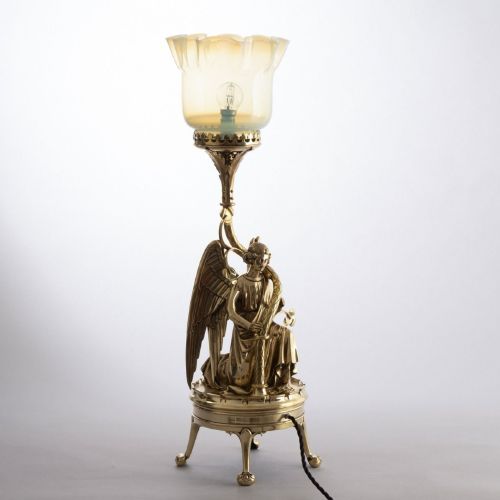
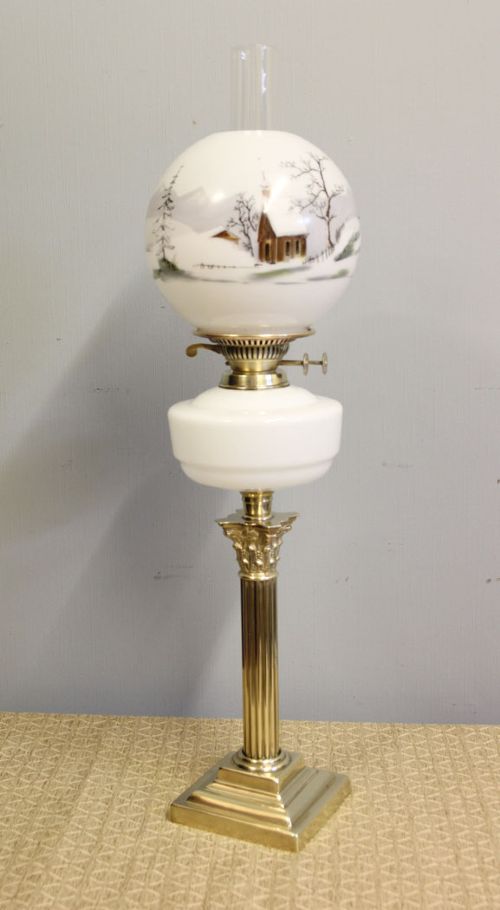
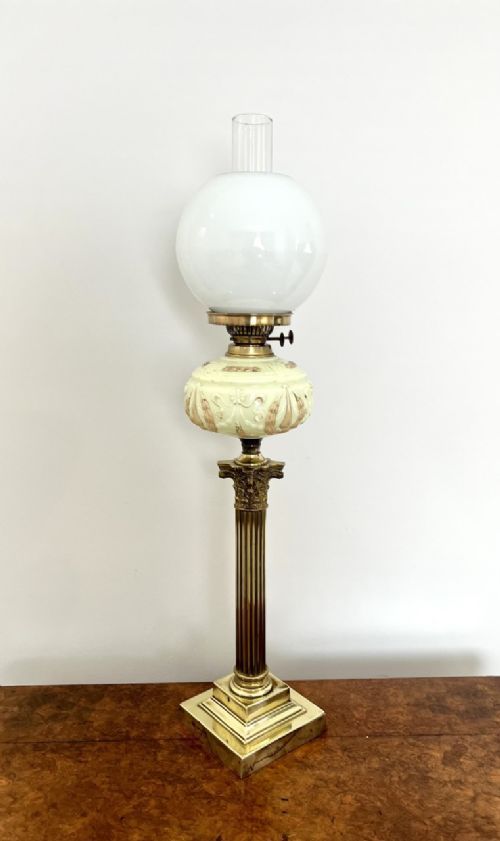
Makers and designers adapted classical motifs, creating Corinthian columns and ionic standards alongside Gothic Revival and Art Nouveau variations. These domestic items served both as practical lighting devices and decorative centrepieces for reception rooms.
How they were made
Makers cast heavy brass into classical columns or rococo scrollwork, providing a stable foundation for delicate glass reservoirs. Artisans then blew and cut crystal, cranberry glass, and opaline components by hand, incorporating flash overlays and enamel painting directly onto the surface.
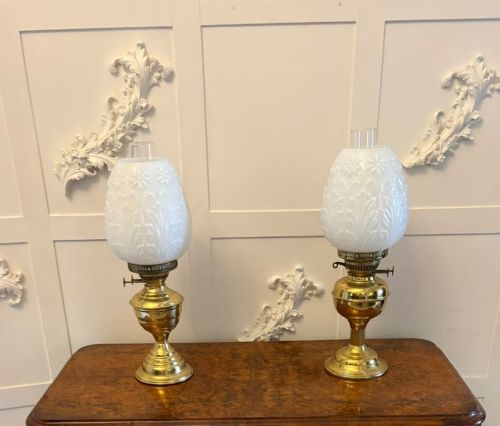
Metal burners such as duplex systems were fitted directly to glass fonts using threaded collars and plaster cores. Decorative shades were hand-etched or moulded into tulip and globe silhouettes, designed to diffuse the bright flame of an oil wick.
Victorian Glass Table Lamp Retail Price Guide 2026
Typical asking prices for victorian glass table lamp among the pieces listed under this phrase on Sellingantiques today, from the lower quarter to the upper quarter. They describe what is for sale here now, not the wider market.
Styles recorded in the listings range from Victorian Gothic Revival and Neoclassical to Art Nouveau.
What varies in quality
The distinction between standard production and top-tier pieces rests on the weight of the cast brass and the depth of hand-cut detail in the glass. Heavier columns with crisp fluting and substantial opaline or cranberry fonts indicate superior workshop standards.
Named mechanisms such as patent duplex burners and marked ceramic bodies elevate certain examples above unbranded utilitarian lighting. Superior painting on porcelain figures and deeply etched glass shades demonstrate greater artistic ambition from the maker.
Hinks·Taylor Tunnicliff·Sitzendorf·Mc Gary
The Victorian Glass Table Lamp Glossary
- Duplex burner
- A dual-wick mechanism designed to produce a brighter flame than standard single-wick lamps. These fittings often bear maker stamps on the brass thumb-turn knobs.
- Font
- The oil reservoir situated above the metal base and beneath the shade or chimney. They are frequently moulded from coloured or cased glass.
- Opaline glass
- An opaque, milky-white glass developed during the nineteenth century to mimic porcelain. It takes gilding and hand-painted decoration exceptionally well.
- Corinthian column
- A classical architectural pillar style adapted for lamp stems, featuring ornate acanthus leaf capitals. Brass examples remain common in Victorian domestic interiors.
- Cranberry glass
- A rich red glass produced by adding gold chloride to the molten batch. It is widely used for Victorian lamp fonts and matching shades.
Victorian Glass Table Lamp: Frequently Asked Questions
Were these lamps originally electric?
Almost all pieces listed under this search phrase began life as oil-burning or candle-lit domestic items during the nineteenth and early twentieth centuries.
They have subsequently been adapted for modern electrical wiring to function safely as standard table lamps in contemporary homes.
How do I identify a Victorian period lamp?
Look for heavy cast brass construction, threaded burner mechanisms with patent marks, and hand-blown glass fonts in cranberry or opaline finishes.
Stylistic cues such as Corinthian columns, Gothic Revival detailing, and etched tulip shades also point directly to nineteenth-century production.
What is an oil lamp conversion?
A conversion refers to the process of adapting an antique burning lamp to house modern electrical flex and bulb holders.
This is usually achieved without damaging the original brass burner or glass font, preserving the exterior appearance while making the piece practical.
Where should I place a large column lamp?
Their height and heavy brass bases make them well-suited for sideboards, large reading tables, or sturdy console furniture in high-ceilinged rooms.
They require a stable surface that can support both their physical weight and the visual presence of an extended glass shade.