
Victorian Glass Fronted Cabinet
A victorian glass fronted cabinet brings warmth and polished display space into a room, uniting timber and clear panes to hold treasured possessions.

Victorian Glass Fronted Cabinet
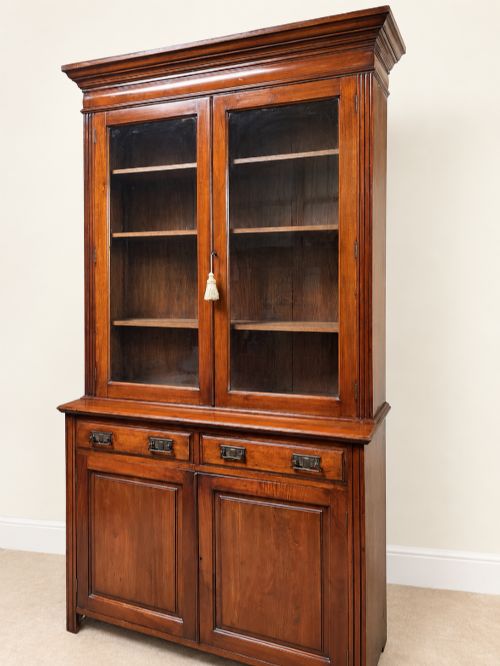
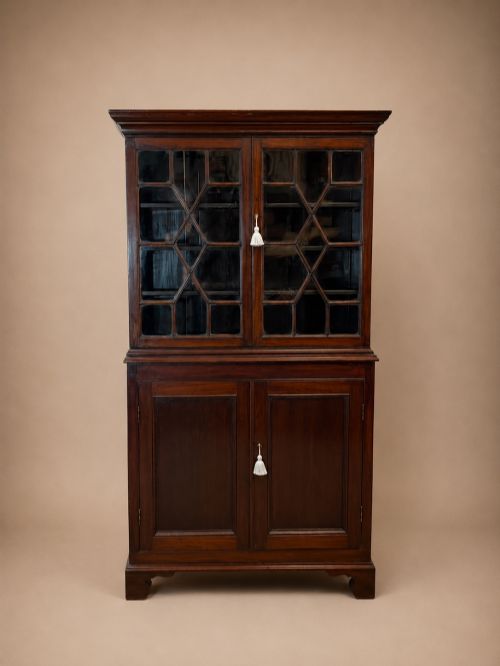
A victorian glass fronted cabinet encompasses a range of refined storage forms intended for the display or housing of books, ornaments, and collected objects. These pieces originate across the nineteenth century, spanning decades from the middle years through the late Victorian era.
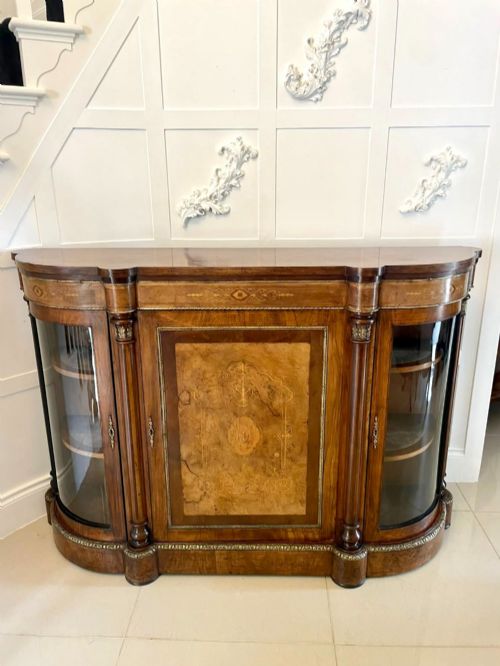
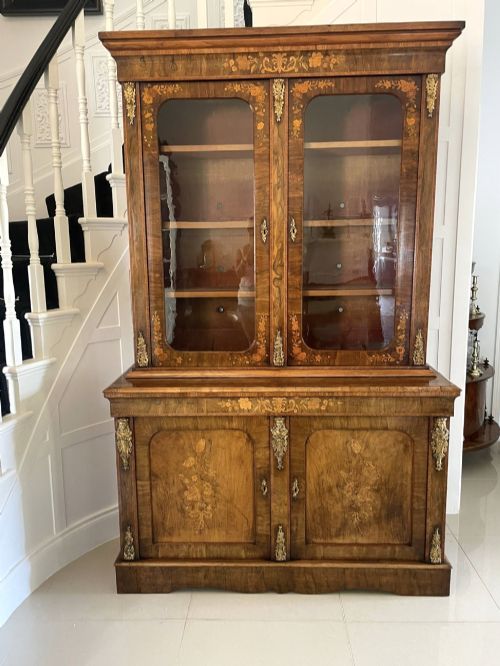
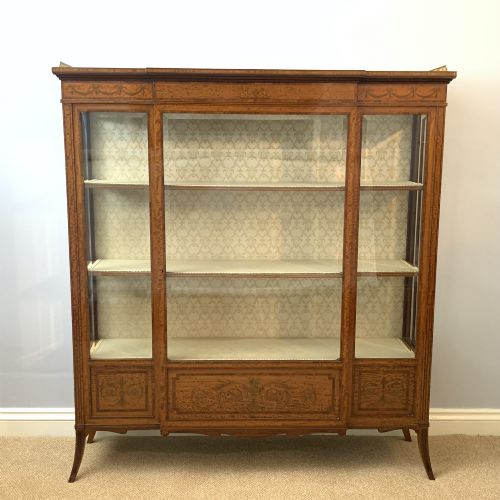
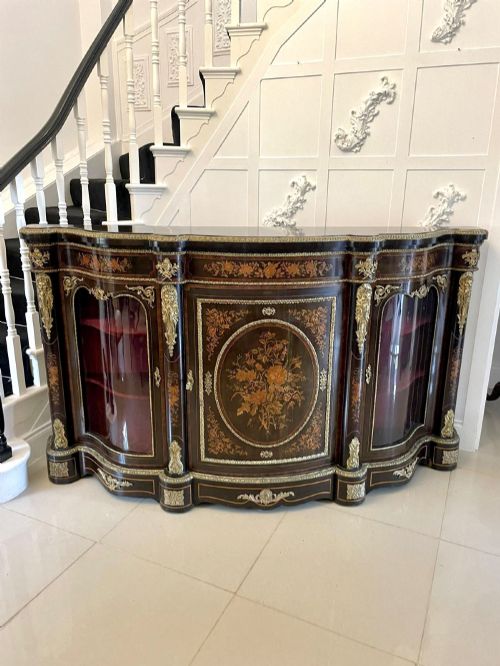
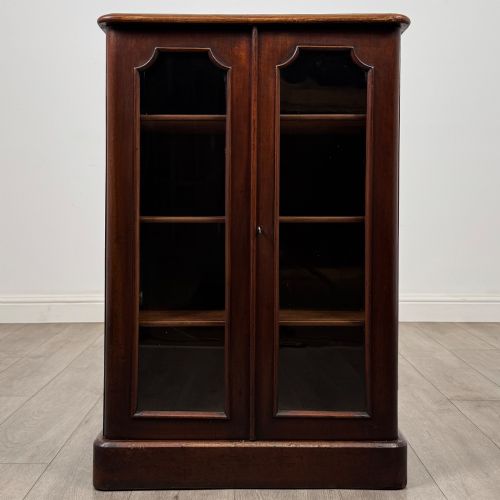
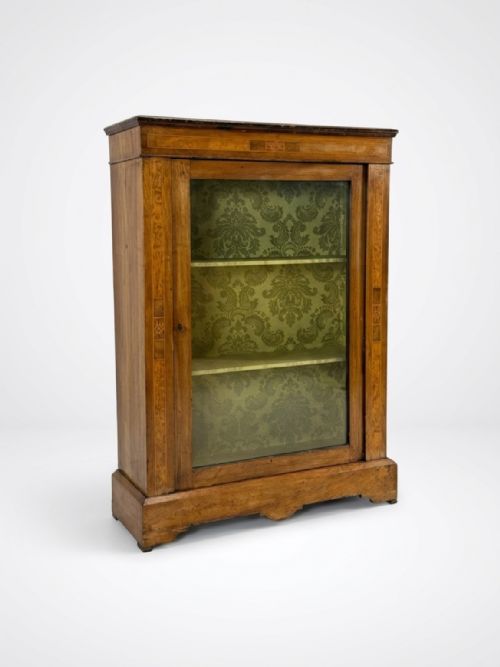
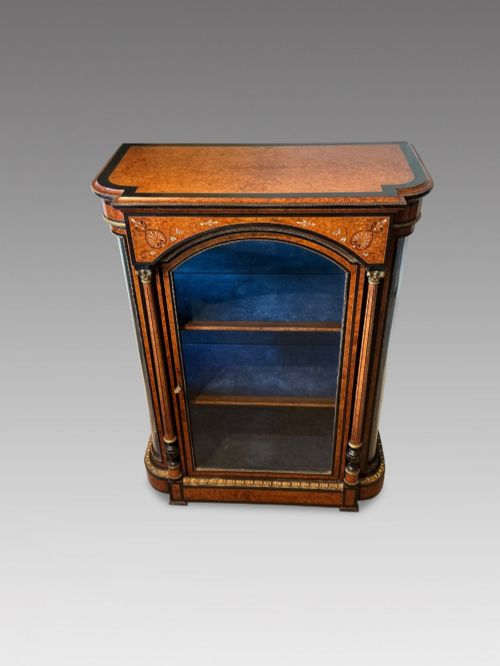
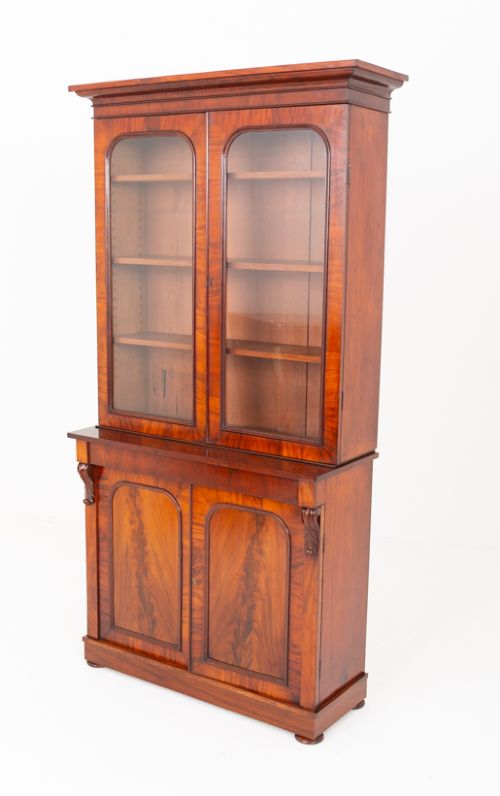
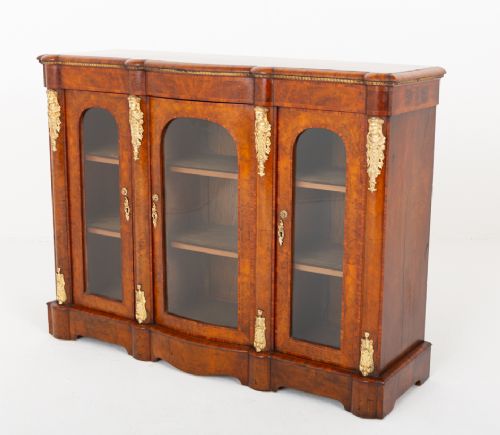
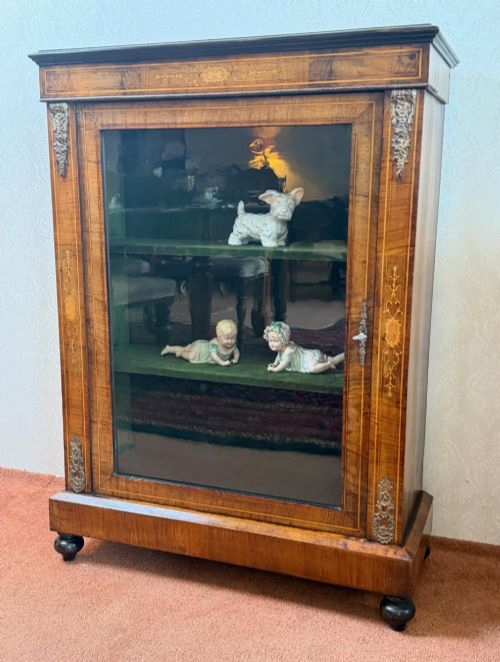
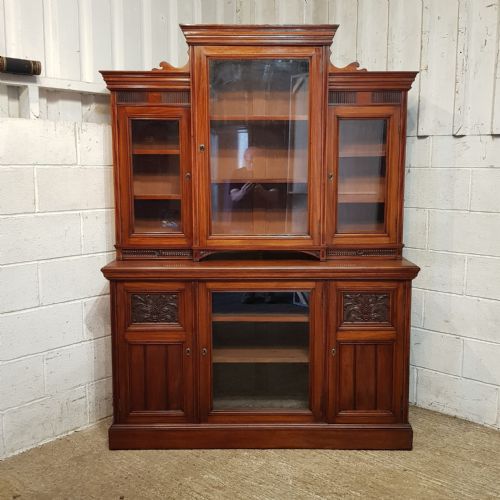
The most frequent variations encountered on this page include walnut pier cabinets, mahogany bookcases, and elaborate credenzas or sideboards. Many examples incorporate glazed doors or fronts, alongside smaller table cabinets and standing display pieces.
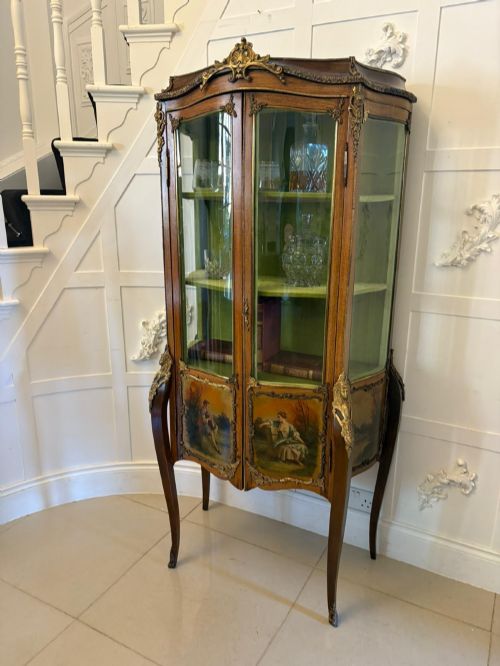
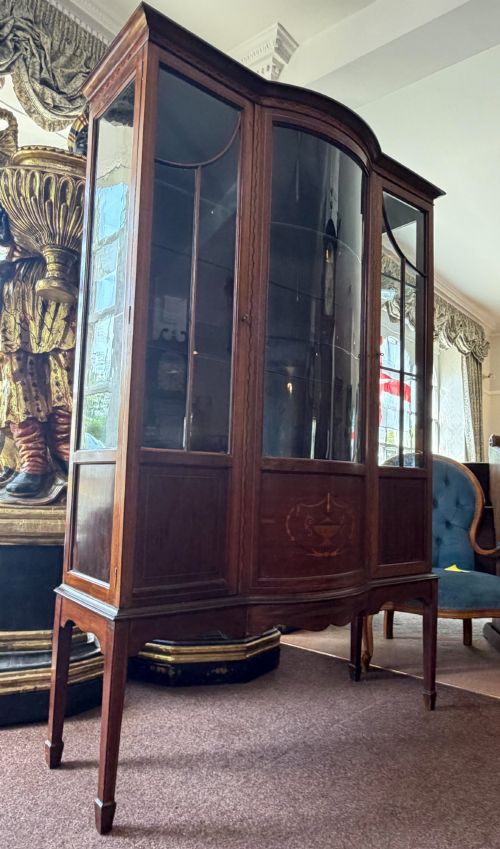
Stylistic influences vary from classical revival designs such as Sheraton and French Louis XV to Aesthetic Movement and Chinoiserie interpretations. Makers utilised specific regional preferences and decorative revivals to shape these domestic storage pieces.
Materials and Construction
Makers constructed these cabinets using sturdy foundational timbers like mahogany and walnut, frequently selecting burr walnut veneers for rich surface grain. Satinwood, rosewood, and pine also appear across the selection, providing diverse colour and texture.
Decorative embellishments rely on brass or ormolu mounts, intricate marquetry inlay, and delicate crossbanding. Glass panes are set into timber frames to protect the interior while allowing clear visibility of the contents.
Listings feature mahogany, burr walnut, and satinwood alongside brass, ormolu, and velvet materials.
Craftsmanship and Proportion
The distinction between standard commercial pieces and exceptional work rests on the precision of the marquetry and the choice of timber figurations. Superior cabinets display seamless veneer matching, finely cast ormolu mounts, and balanced proportions.
Structural integrity, including the fit of glazed doors and the crispness of inlaid details, separates workshop pieces from ordinary production. Maker attribution further elevates certain cabinets through documented quality and refined detailing.
Edwards & Roberts·Rowland Ward Ltd·Maison Gagneau·Mackenzie's
The Victorian Glass Fronted Cabinet Glossary
- Pier cabinet
- A low freestanding cabinet designed to fit against the narrow wall space between windows. These pieces often feature glass doors and brass mounts.
- Credenza
- A sideboard or display unit, frequently serpentine in shape, used for serving or showing decorative objects. Nineteenth-century examples often incorporate elaborate marquetry.
- Marquetry
- Decorative veneer patterns formed by fitted pieces of various coloured woods and other materials. It creates pictorial or geometric designs on the cabinet surfaces.
- Ormolu
- Gilded bronze mounts applied to furniture for decorative effect. This technique adds metallic contrast to timber surfaces.
- Crossbanding
- A strip of veneer run perpendicular to the surrounding grain along the edges of a panel. This frames the primary timber and adds visual definition.
Victorian Glass Fronted Cabinet: Frequently Asked Questions
What is a pier cabinet?
A pier cabinet is a narrow standing unit designed specifically to occupy the wall space between windows in a Victorian drawing room. They usually feature a single glass door to display porcelain or small ornaments.
These pieces typically have a flat back and compact proportions to suit the architectural gaps of nineteenth-century reception rooms.
How do I style a glass fronted cabinet?
Living with these cabinets involves balancing the density of books or ceramics behind the glass panes. Grouping objects by material allows the timber and inlay of the cabinet to remain the primary focus.
Interior lighting or thoughtful placement near a natural light source helps illuminate the displayed items through the original glass.
How do I date a Victorian cabinet?
Dating relies on observing stylistic markers, timber choices, and construction methods recorded across the nineteenth century. Pieces from the mid-century often utilise burr walnut and heavy ormolu, while late Victorian examples introduce satinwood or lighter inlay.
Cabinet hardware, hinge types, and maker stamps provide additional clues for narrowing the period of production.
Were these cabinets used for books?
Many larger examples served as library bookcases or secretaires to house bound volumes and writing materials. Adjustable wooden shelving inside allowed owners to alter the interior layout for different book sizes.
Smaller glass-fronted models were strictly dedicated to displaying decorative objects rather than active reading collections.