
Victorian Marquetry Bookcase
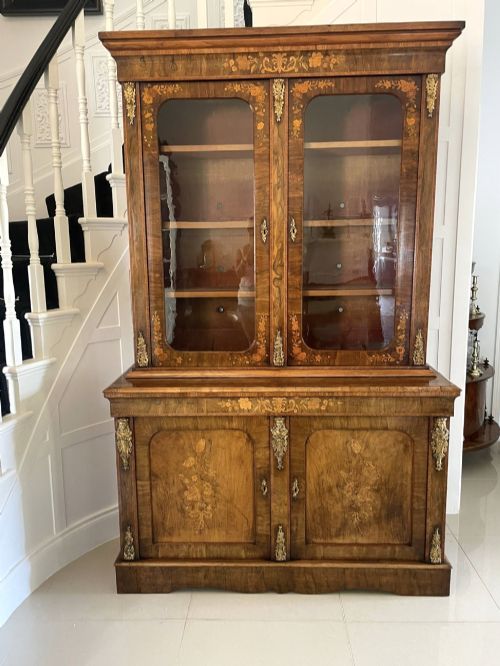
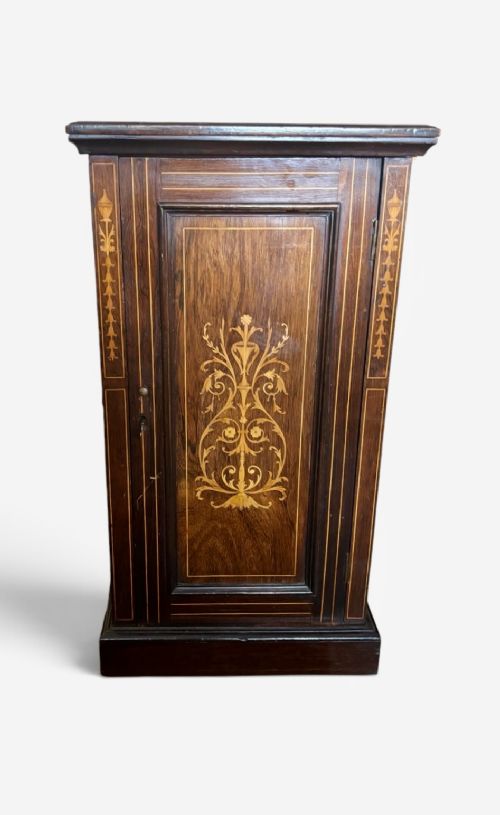
A victorian marquetry bookcase brings together intricate floral wood-inlays and rich walnut timbers to display library collections with decorative flair.

Victorian Marquetry Bookcase
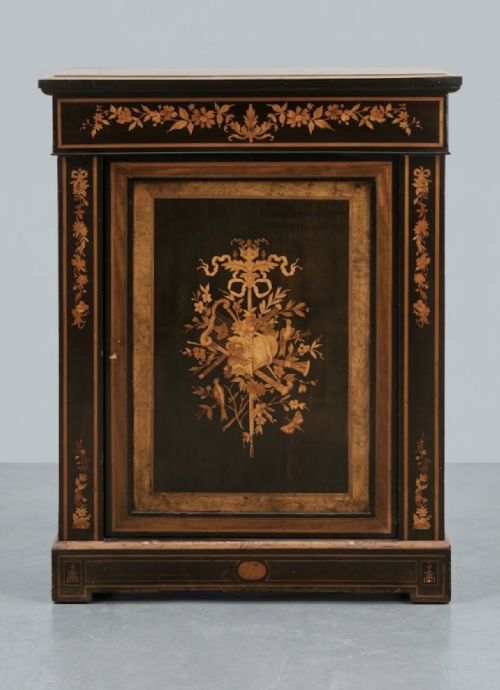
A victorian marquetry bookcase combines functional shelving or display space with elaborate decorative wood-inlays set into the timber carcase. These pieces date principally from the nineteenth century, spanning decades from eighteen-sixty to nineteen-hundred.
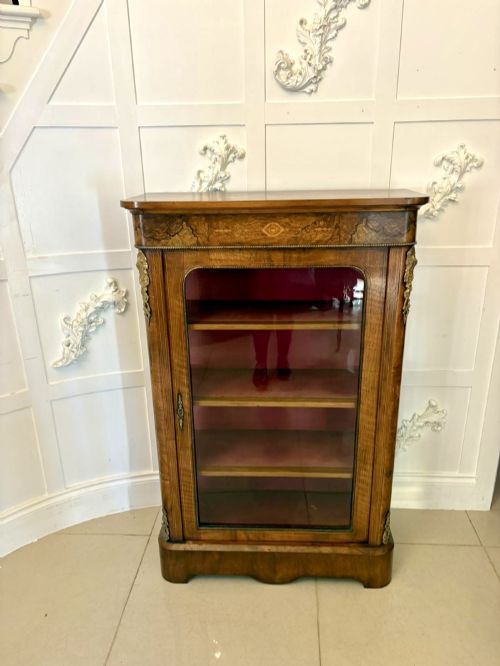
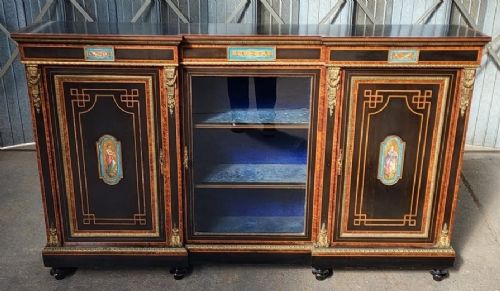
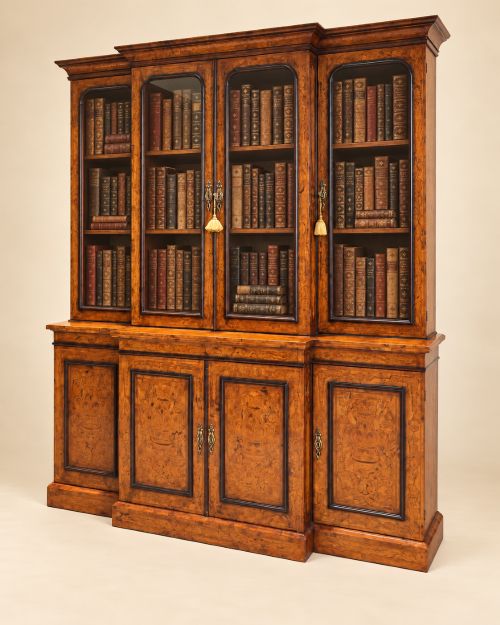
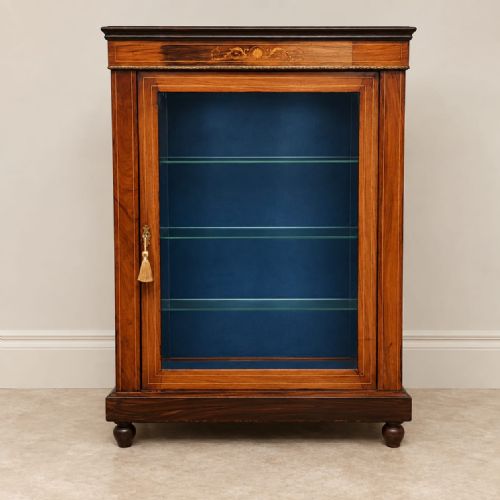
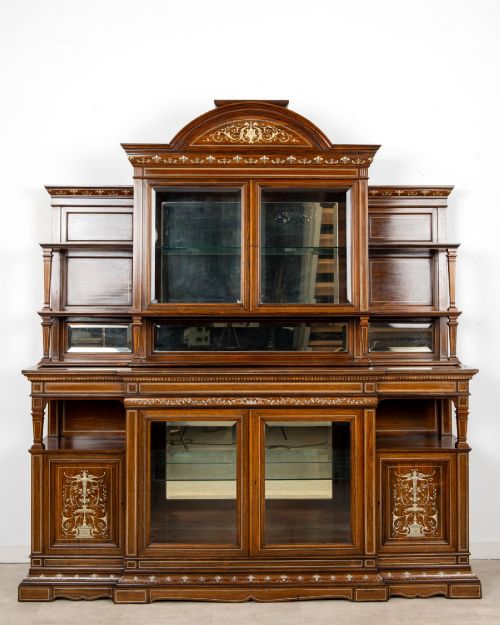
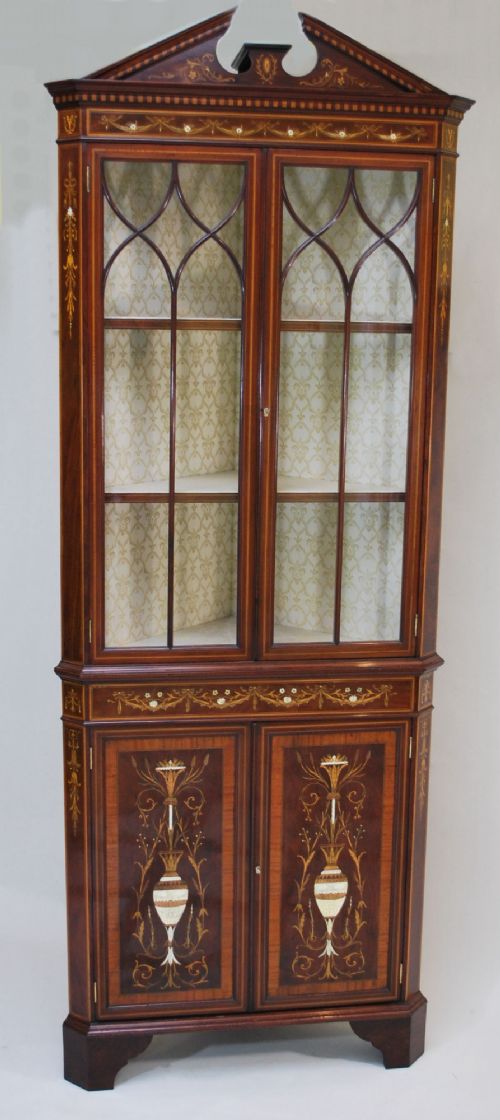
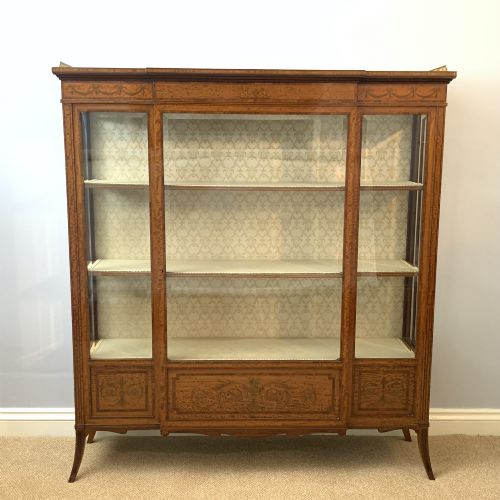
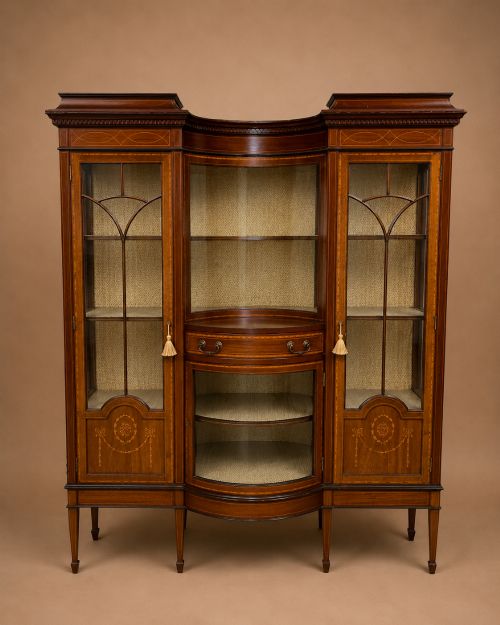
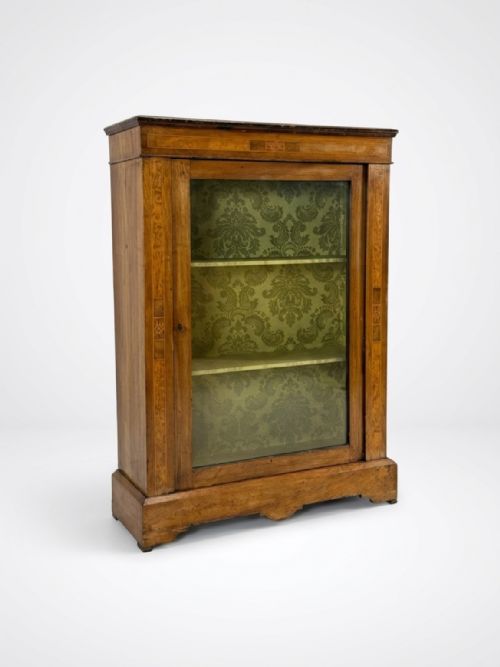
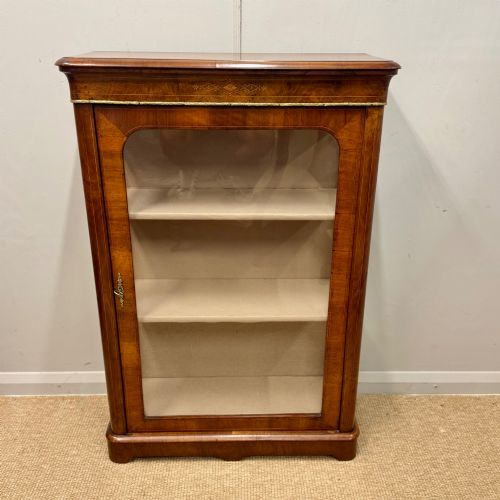
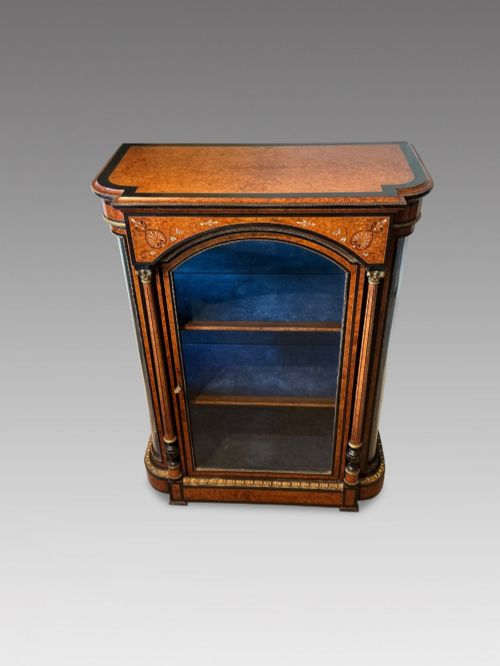
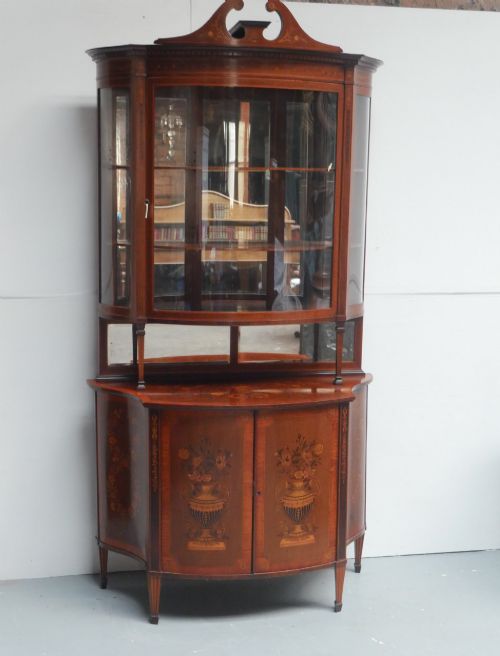
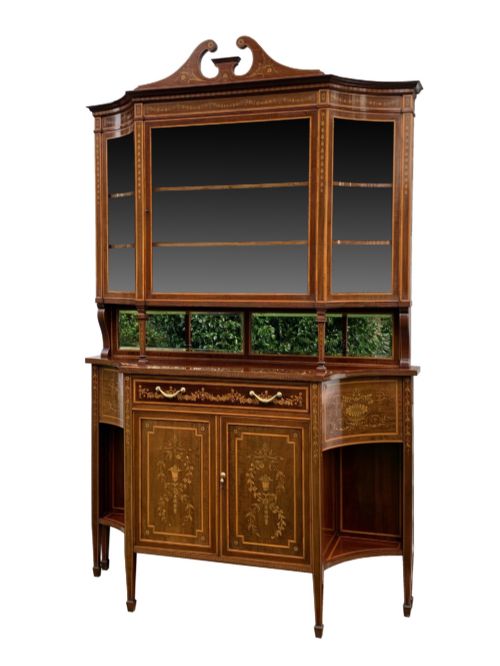
The versions most commonly met on this page include compact pier cabinets, glazed display cases, and breakfront bookcases configured with wooden shelves behind glass doors. Many examples incorporate side cabinets and credenzas tailored for formal nineteenth-century drawing rooms.
Stylistic influences range from classic Victorian designs to Sheraton Revival, Aesthetic Movement, and Dutch Baroque Revival interpretations. Walnut, burr walnut, and mahogany form the primary structural timbers for these refined library furnishings.
Quality and Craftsmanship
The distinction between standard production and top-tier workshop output lies in the crispness of the marquetry cutting and the depth of figure in the chosen veneers. Selected burr walnut exhibits lively, natural figuring that demands careful book-matching across the cabinet doors.
Hardware quality also dictates the tier of the piece, with heavy cast ormolu mounts and finely chased brass details separating ordinary cabinets from exhibition-grade examples. Structural joinery and the integration of secondary timbers such as satinwood or rosewood reflect the original maker's investment of labour.
Victorian Marquetry Bookcase Retail Price Guide 2026
Typical asking prices for victorian marquetry bookcase among the pieces listed under this phrase on Sellingantiques today, from the lower quarter to the upper quarter. They describe what is for sale here now, not the wider market.
Listings feature eighteenth-century through late nineteenth-century periods, utilising walnut, satinwood, mahogany, burr walnut, and ebonised wood.
Collinson & Lock·Edwards & Roberts·Lamb of Manchester
The Victorian Marquetry Bookcase Glossary
- Marquetry
- Decorative patterns formed by fitting together small pieces of wood veneer onto a carcase. This technique creates pictorial floral or geometric motifs across cabinet doors.
- Ormolu
- Gilded bronze mounts applied to furniture for decorative accent. These metal ornaments frame glass panels and corners on select nineteenth-century cabinets.
- Pier Cabinet
- A narrow display cabinet designed to fit against the wall space between windows. These glazed pieces often feature detailed marquetry top surfaces.
- Burr Walnut
- Timber taken from walnut tree growths that produces highly figured, swirling grain patterns. It serves as the primary veneered surface on high-end Victorian bookcases.
- Breakfront
- A piece of furniture where the central section projects forward from the flanking sides. This architectural arrangement creates visual depth in large bookcases.
Victorian Marquetry Bookcase: Frequently Asked Questions
What is a pier cabinet?
A pier cabinet is a slender, freestanding display piece designed specifically for narrow wall spaces between windows in nineteenth-century reception rooms.
These cabinets typically feature glazed doors protecting velvet-lined or wood-shelved interiors, topped with elaborate marquetry inlays.
How do I care for walnut veneer?
Walnut veneer requires stable room conditions away from direct sunlight and heat sources to prevent timber shrinkage and veneer lifting. Regular dusting with a soft, dry cloth preserves the polished finish.
Avoid using silicone-based polishes or excessive moisture, which can damage nineteenth-century French polish surfaces and delicate wood inlays.
What is the difference between marquetry and inlay?
Marquetry involves assembling an entire picture or pattern from various wood veneers on a backing sheet before applying it to the furniture carcase. Inlay generally describes cutting recesses directly into solid wood and inserting contrasting materials into those cavities.
Victorian cabinet makers frequently employed marquetry to create complex floral compositions across large door panels.
How do I date a Victorian bookcase?
Dating relies on combining stylistic clues, such as Sheraton Revival motifs or Aesthetic Movement geometry, with construction methods visible inside the carcase. Secondary woods, drawer linings, and hardware styles offer further chronological indicators.
Nineteenth-century pieces often carry attribution marks or signatures from prominent London workshops on the lock plates or drawer timbers.