
Antique Narrow Bookcase
An antique narrow bookcase solves spatial problems while holding substantial volumes in remarkably compact proportions.
The Form and Character of the Antique Narrow Bookcase
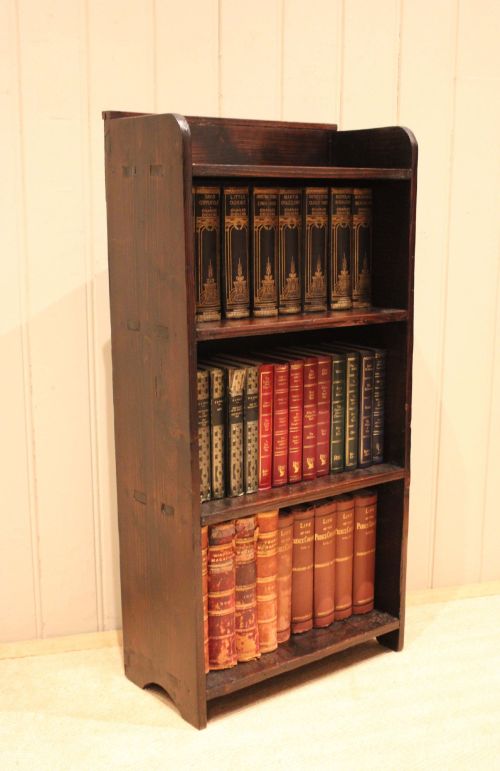
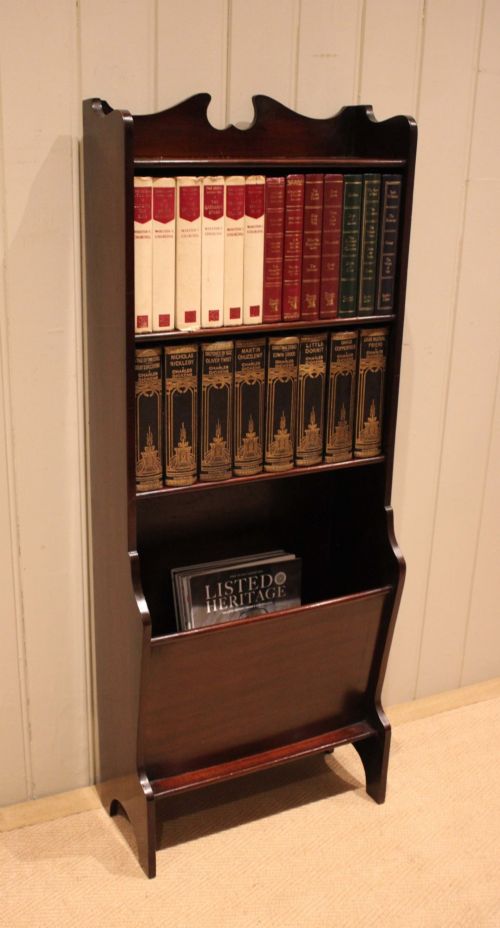
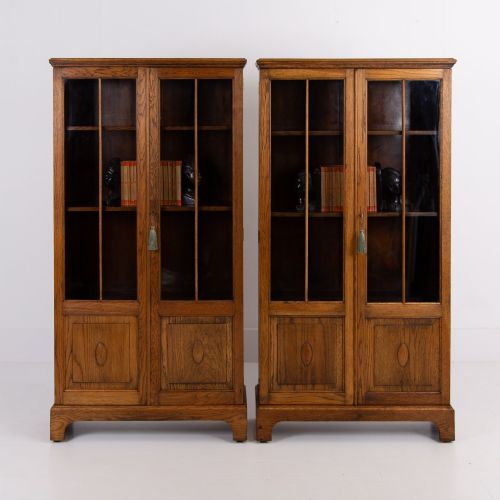
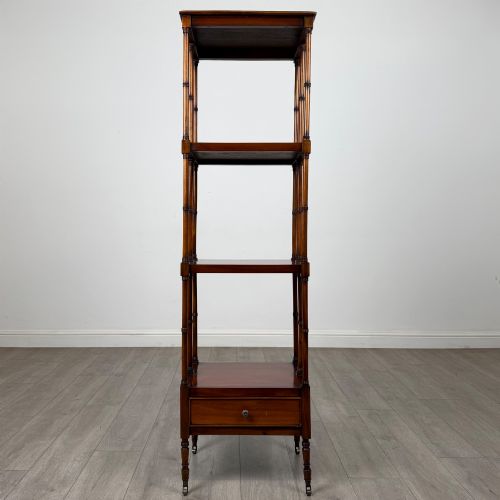
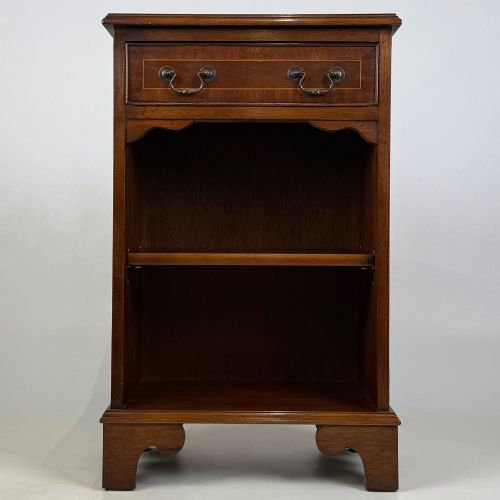
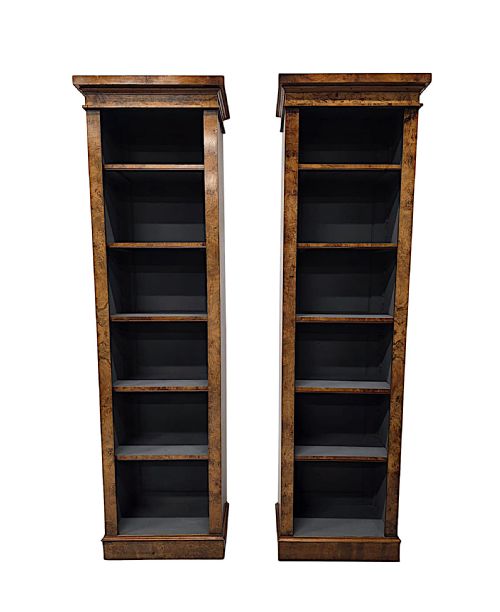
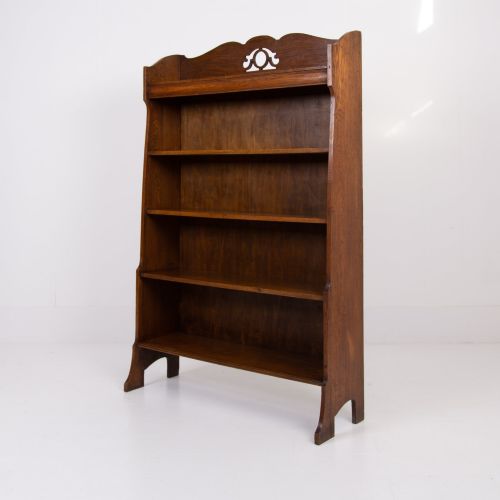
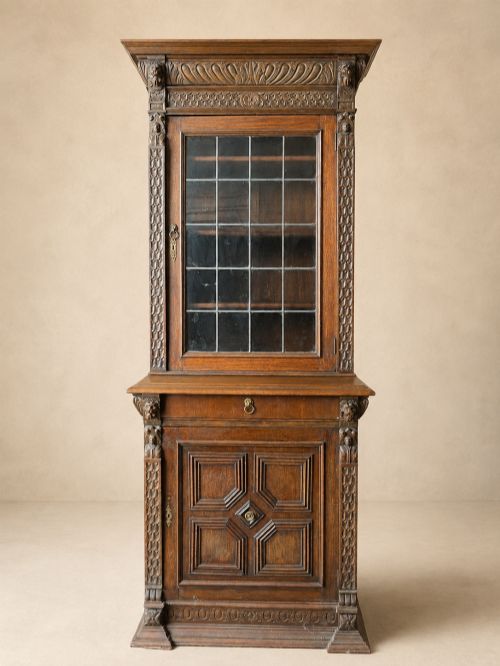
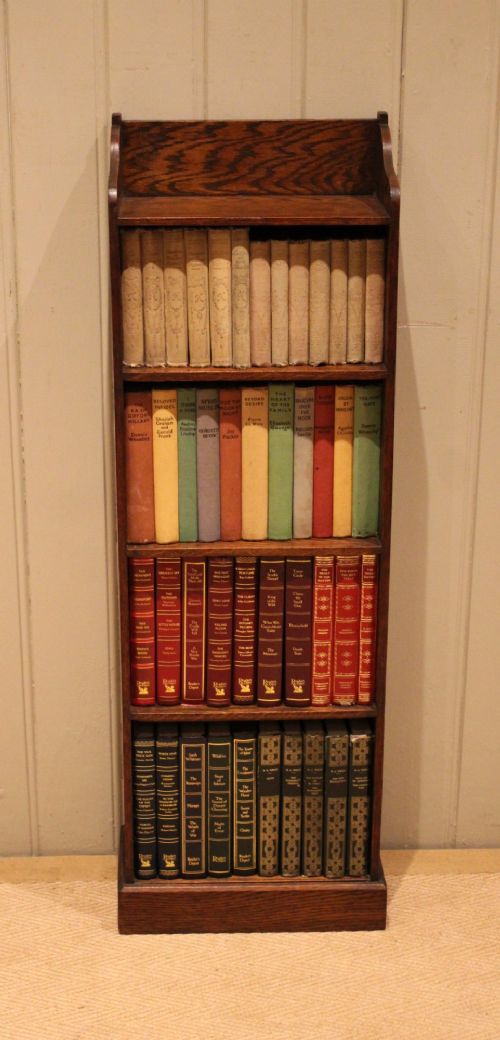
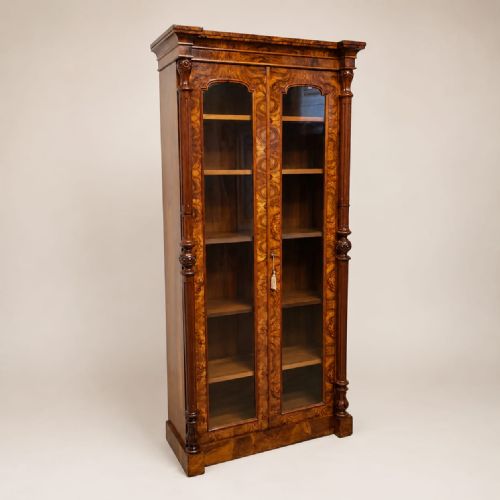
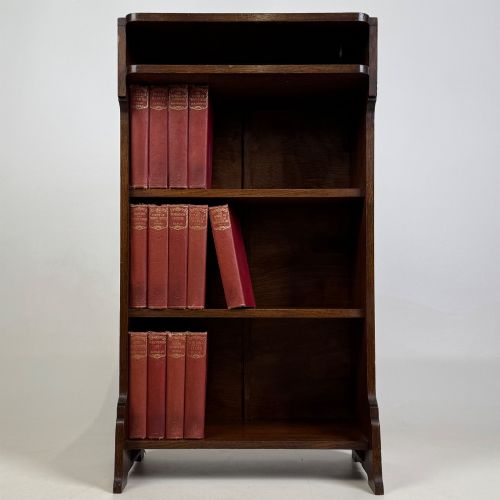
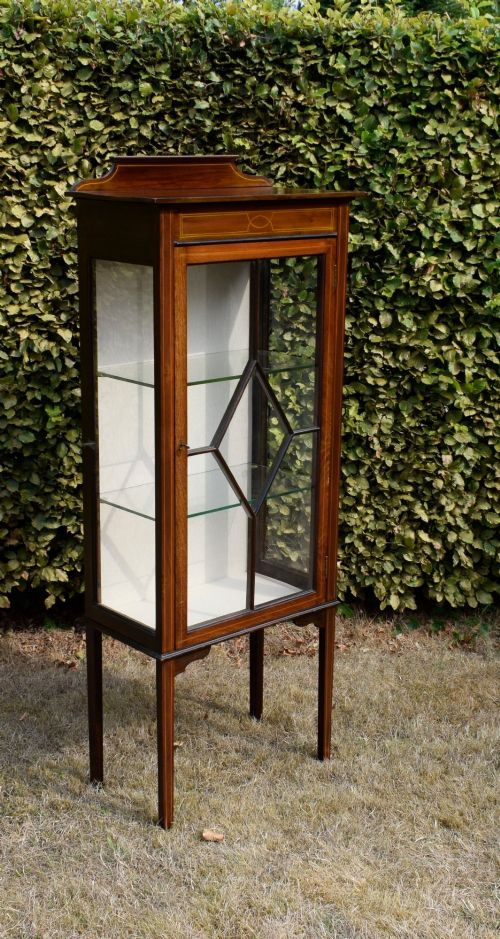
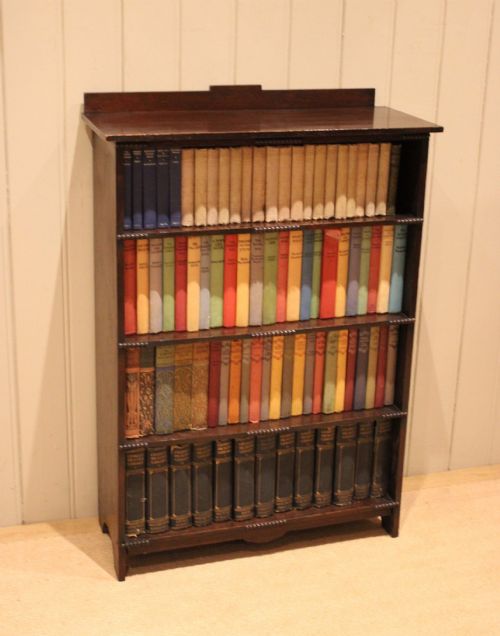
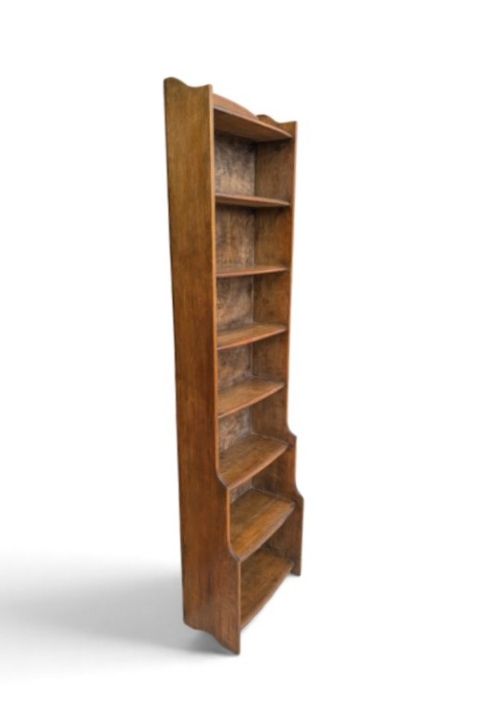
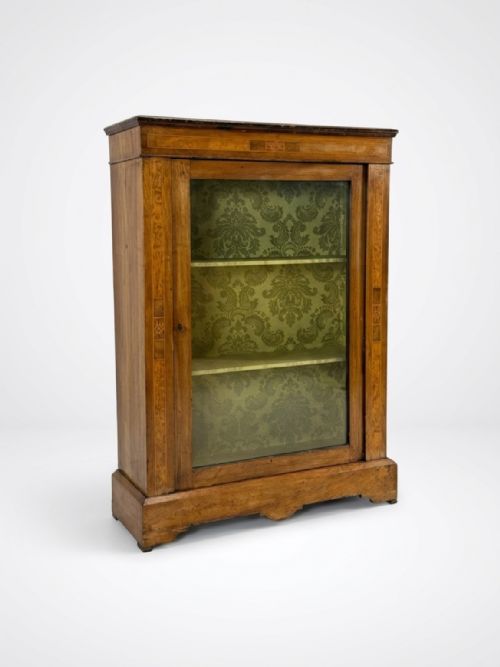
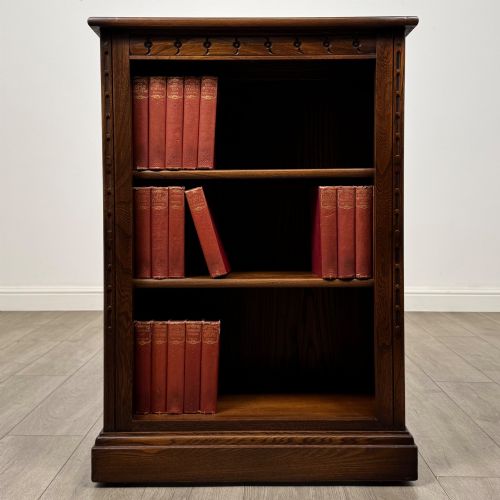
An antique narrow bookcase combines upright vertical storage with a minimal footprint, suiting confined hallways, alcoves and modest rooms. The form appears across the nineteenth and twentieth centuries in open shelving, glazed display cabinets and enclosed cupboard combinations.
The evidence shows considerable variety in timber selection and height, ranging from low pier cabinets to tall library bookcases. Many examples incorporate glass doors, adjustable shelves or lower cupboards that provide concealed storage beneath open tiers.
Materials and Construction Techniques
Cabinet makers utilised dense hardwoods including mahogany, walnut, oak, satinwood and rosewood, often selecting figured veneers such as burr walnut for decorative impact. Secondary timbers like pine appear frequently in internal shelving and carcase backs.
Surface enrichment relied on brass fittings, ormolu mounts, ebony inlay and glazed panels. Certain pieces incorporate carved decorative elements, ceramic plaques or velvet linings within display compartments.
Retail Price Guide 2026
Typical UK retail prices for narrow bookcase, calculated from the Sellingantiques database of over a million retail prices indexed since 2003. This retail price guide relies exclusively on Sellingantiques data; no external sources or auction records are used, so the figures do not describe the wider market.
Certain narrow cabinets squeezed into Victorian parlours managed to incorporate entire writing desks and Sevres ceramic plaques without exceeding the width of a modest door frame.
Distinctions in Quality and Craftsmanship
Quality rests upon the selection of timber veneers and the precision of inlaid details, where finer pieces display seamless matching across surfaces. The structural integrity of adjustable shelving systems and the weight of glass doors also indicate the tier of production.
Refined examples exhibit careful joinery in drawer linings and backboards, whereas simpler utility pieces rely on straightforward pine construction with minimal ornamentation.
DNBY and Spinks
The Antique Narrow Bookcase Glossary
- Pier Cabinet
- A low display cabinet designed to fit narrow wall spaces between windows or architectural piers. These often feature glass doors and elaborate marquetry.
- Secretaire Bookcase
- A tall cabinet incorporating a pull-down writing drawer with fitted internal compartments situated beneath upper bookshelf sections. This dual function allowed writing and reading materials to occupy a single vertical footprint.
- Ormolu
- Gilded bronze mounts applied to furniture surfaces for decorative contrast. The technique requires mercury gilding on older pieces.
- Burr Walnut
- Timber taken from the growth excrescences of walnut trees, yielding highly figured grain patterns. Cabinet makers prized this wood for principal display surfaces.
Frequently Asked Questions
How do I style a narrow bookcase in a small room?
A narrow bookcase fits easily into tight wall spaces or alcoves where standard furniture overwhelms the floor plan. Positioning one beside a window or fireplace maximises vertical storage without blocking natural light.
Mixing books with small decorative objects on open shelves creates visual breathing room. Leaving some shelf space empty prevents the vertical column from looking cluttered.
Are these bookcases sturdy enough for heavy books?
Solid hardwood construction in oak, mahogany or walnut provides reliable support for heavy volumes. Many period bookcases feature adjustable wooden shelves that distribute weight evenly across integrated side supports.
Pine and lighter secondary timbers handle standard book collections adequately. Inspecting the shelf thickness and support brackets confirms their capacity for heavier loads.
What is the difference between open and glazed bookcases?
Open bookcases provide immediate access to volumes and display the spine bindings directly. They suit living spaces and studies where ease of retrieval matters most.
Glazed bookcases protect delicate or leather-bound volumes from dust and environmental wear. Glass panels also allow display cabinets to showcase porcelain or decorative objects safely.
How can I tell the period of a narrow bookcase?
Hardware, timber choices and construction methods indicate the manufacturing era. Victorian examples frequently utilise walnut, mahogany or rosewood with rich polish and occasional inlay.
Later pieces from around nineteen hundred often display Edwardian lighter mahogany frames or Arts and Crafts plain solid oak construction. Examining the backboards and interior fixings helps confirm the period.