
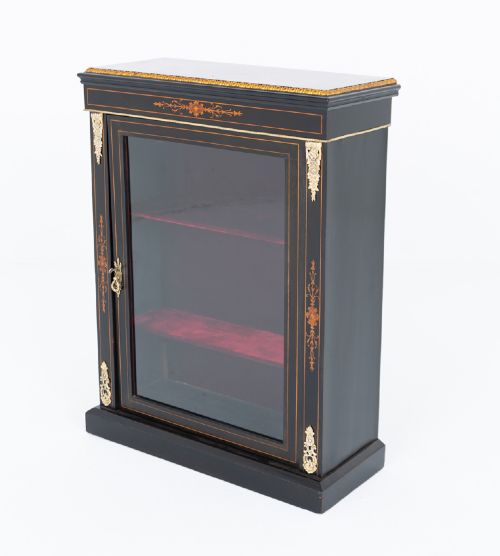


Black Glazed Bookcase
A black glazed bookcase brings deep presence to a room, offering dark polished surfaces and glass fronts to frame your volumes.
Black Glazed Bookcase
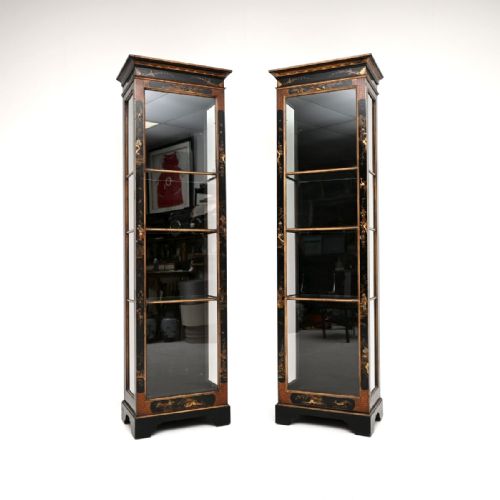
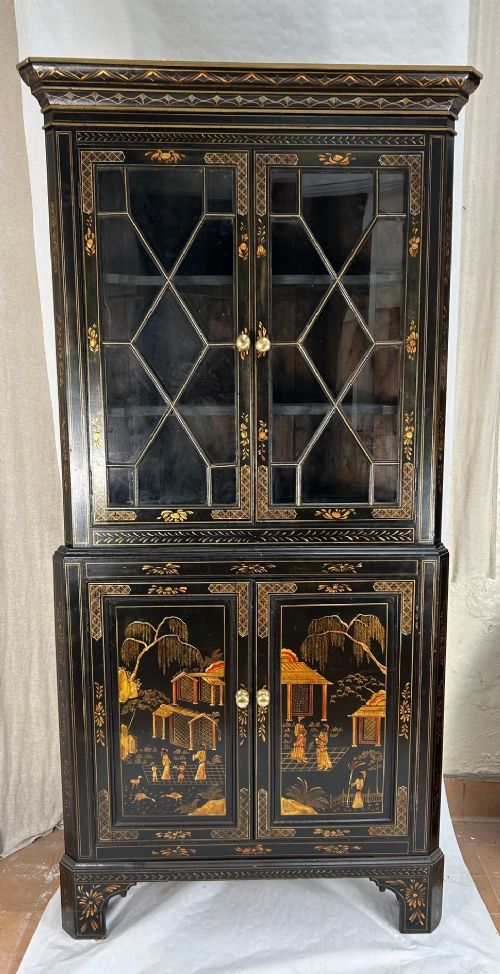
A black glazed bookcase encompasses dark-finished cabinetry designed to hold books and display fine objects behind glass doors. You will frequently encounter Victorian ebonised pieces alongside Edwardian lacquered examples and continental painted cabinets.
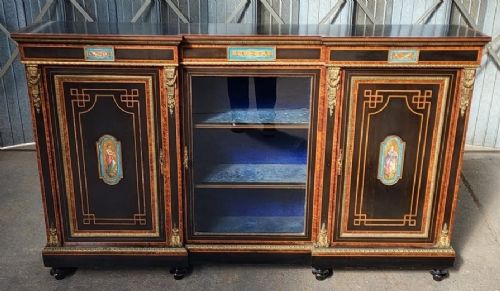
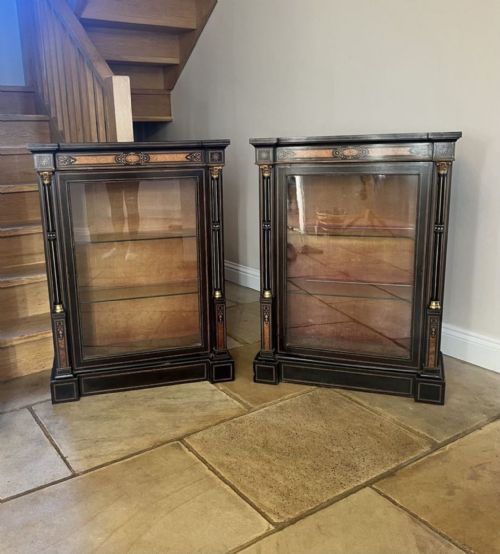
The selection ranges from neat pier cabinets and corner cupboards to substantial breakfront bookcases and bureau bookcases. These pieces stretch across the eighteenth, nineteenth, and early twentieth centuries, drawing on English, French, Dutch, and Scottish traditions.
Materials and Construction
Cabinet makers utilised ebonised wood, painted finishes, and black lacquer as the primary dark foundations for these pieces. Artisans then integrated brass mounts, ormolu, porcelain plaques, and tortoise-shell inlay to create visual contrast against the dark timber.
Glazing forms the central feature of the doors, allowing light into the shelving space while protecting the contents. Intricate gold inlay, amboyna, burr walnut, and parcel-gilt detailing frequently accent the dark surfaces.
Samuel Pepys makes an unexpected appearance in the archive, reminding us that even great diarists needed a proper place for their books.
Distinctions in Execution
The standard of a piece rests on the depth of the ebonising or lacquer work and the precision of the brass or ormolu mounts. Finer examples show careful attention to internal timber selection and the crispness of inlaid motifs such as Boulle work or floral patterns.
Proportion and scale dictate the visual weight of the furniture, with better-balanced pieces integrating glazed doors and decorative hardware harmoniously. The integration of specialty materials like Sevres plaques or tortoiseshell elevates the ambition of the construction.
The Black Glazed Bookcase Glossary
- Ebonised
- Timber treated to resemble ebony, typically through staining or painting. This finish became especially popular during the Victorian and Aesthetic Movement periods.
- Ormolu
- Gilded bronze mounts applied to furniture for decorative effect. It requires careful casting and chiselling to achieve crisp ornamental detail.
- Boulle
- A form of marquetry using tortoiseshell and brass inlaid in a contrasting pattern. Named after the French cabinet maker André-Charles Boulle.
- Vitrine
- A glass-fronted display cabinet used for showing porcelain, books, or curiosities. The term derives from the French word for glass.
- Pier Cabinet
- A low cabinet designed to stand against the wall space between windows. These often feature glazed doors and elaborate surface decoration.
Black Glazed Bookcase: Frequently Asked Questions
Where should I place a dark bookcase?
These cabinets suit studies, drawing rooms, or hallways where dark timber creates a strong visual anchor. Pair them with lighter walls to let the dark glazed frame stand out clearly.
Ensure the piece is positioned away from direct sunlight to protect antique lacquered finishes and sensitive book bindings from fading over time.
How do I care for ebonised wood?
Dust regularly with a soft, dry cloth to prevent particle buildup on the dark polished surfaces. Avoid using silicone sprays or harsh chemical polishes that can damage old finishes.
Maintain a stable room humidity to prevent the underlying timber and any delicate tortoiseshell or brass inlays from shifting or cracking.
What is the difference between a vitrine and a bookcase?
A vitrine is primarily designed for displaying decorative objects, often featuring glass on the sides as well as the front doors. A bookcase focuses on shelving for volumes, though many examples combine both functions.
Both forms utilise glazed doors, but bookcases generally offer deeper internal shelving suited to holding books rather than delicate curios.