
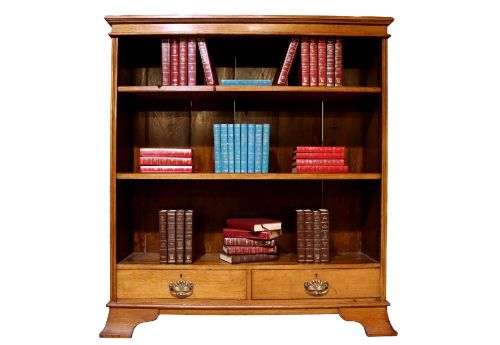
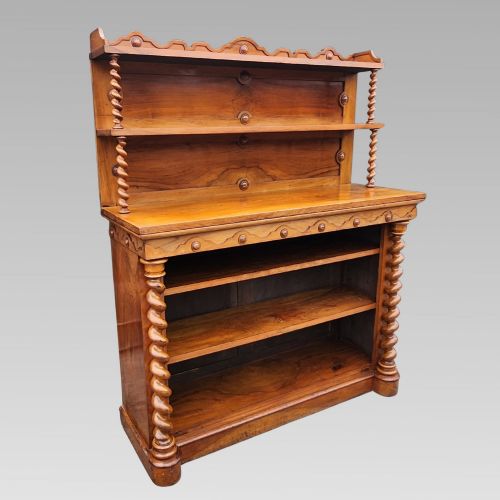


Late 19th Century Bookcase
A late 19th century bookcase brings solid architectural presence and rich timber tones into a room.
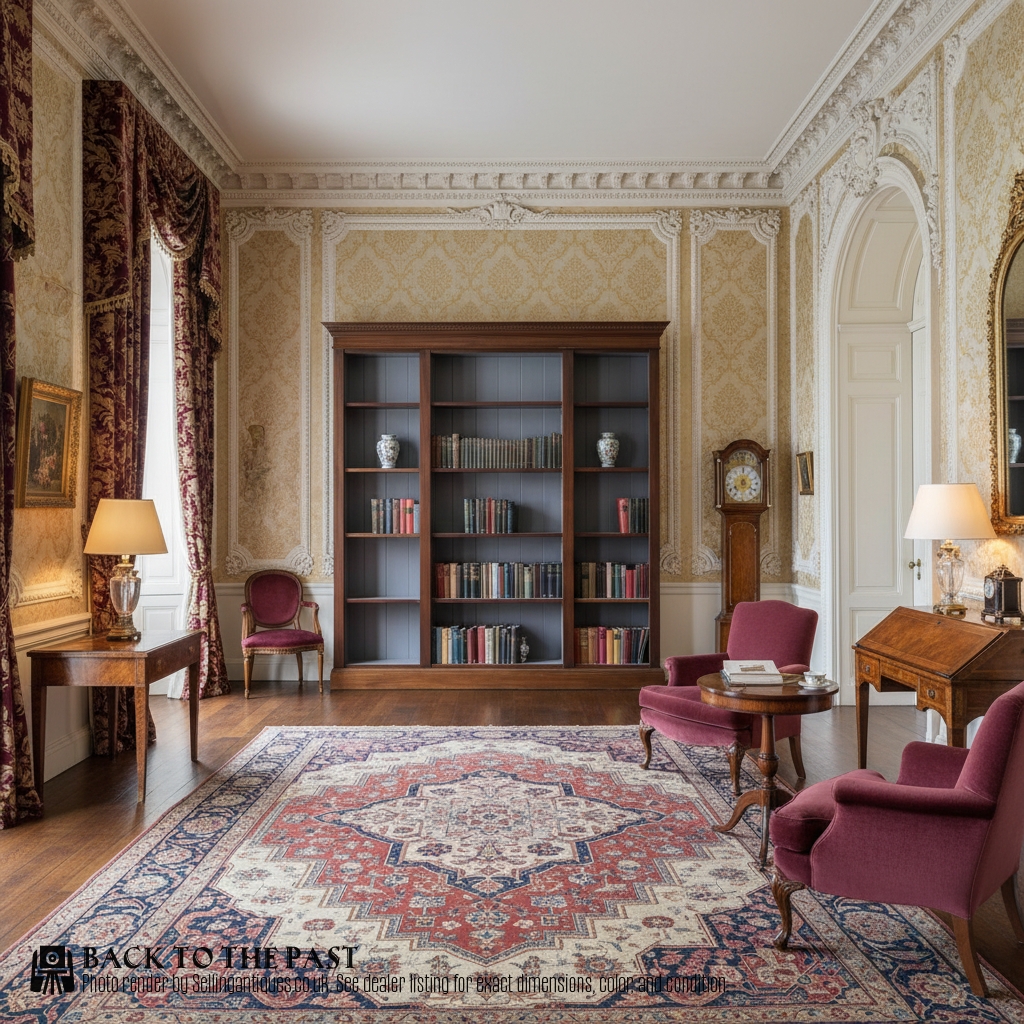
Understanding the late 19th century bookcase
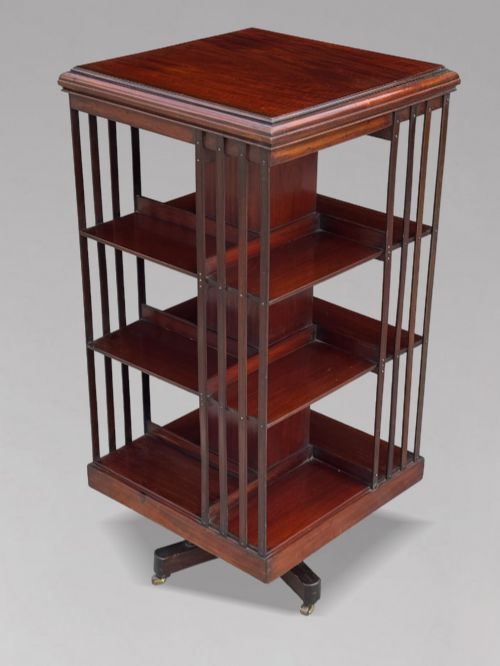
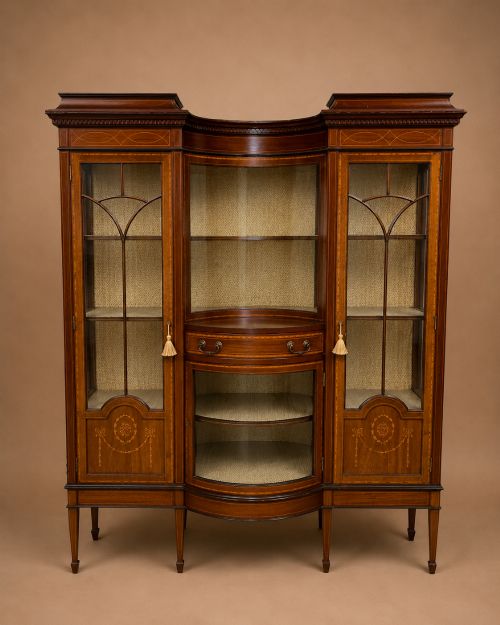
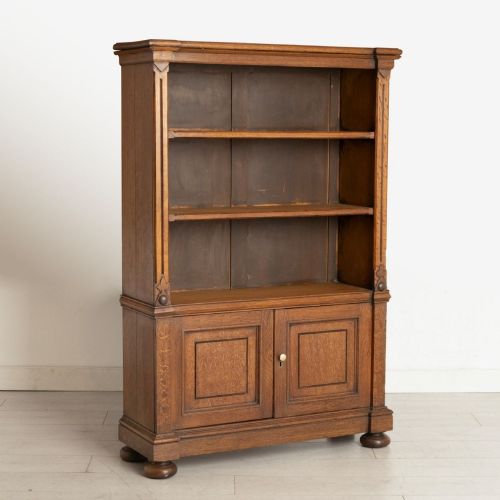
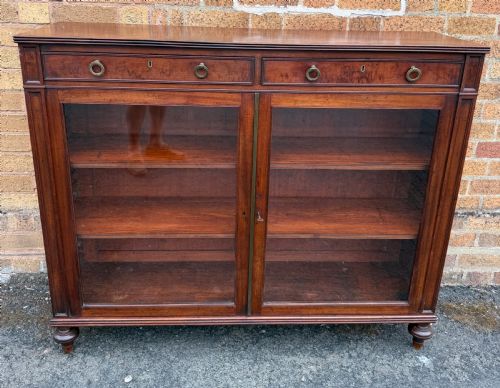
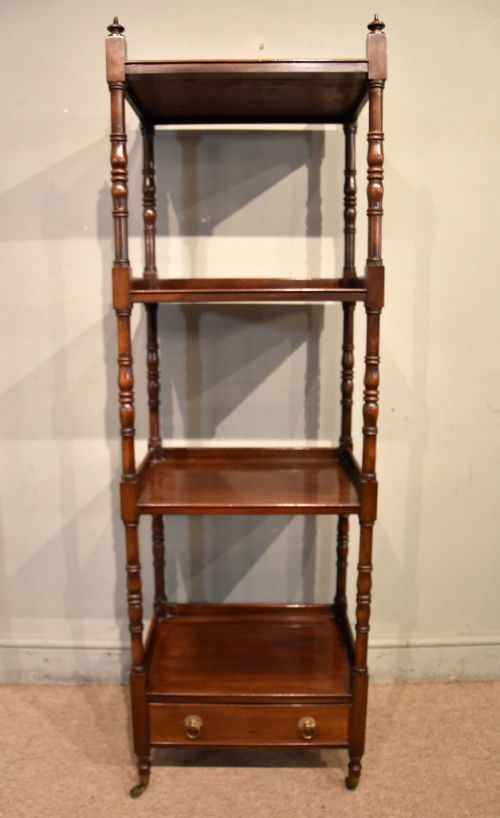
A late 19th century bookcase covers a broad sweep of domestic furniture designed to house libraries, ranging from simple open shelves to tall glazed cabinets with fitted drawers and desks.
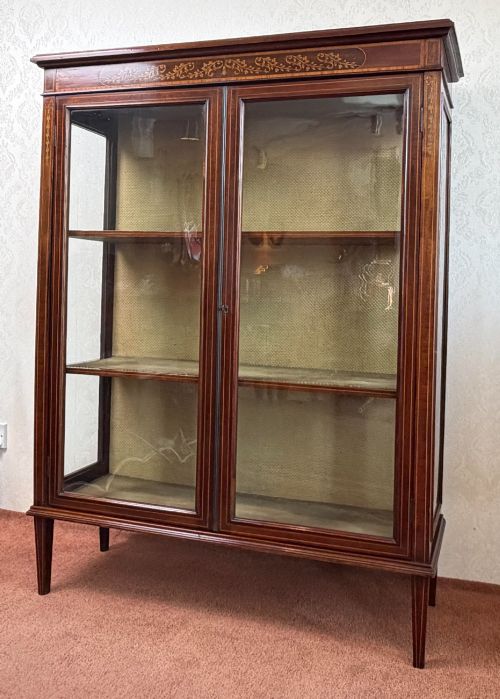
Buyers meet sturdy oak and mahogany examples most frequently on this page, often built in open formats with adjustable shelves or enclosed with glass doors for a formal study.
Design influences shift between revival styles, encompassing Georgian proportions, French Empire ebonised finishes, and elaborate Victorian library pieces.
Materials and construction methods
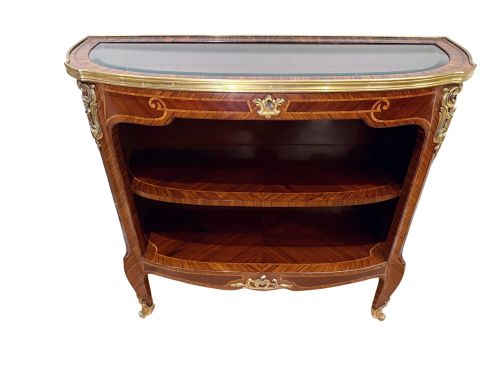
Cabinet makers utilised dense hardwoods like mahogany, oak, walnut, and satinwood, frequently applying detailed inlays, carved mouldings, and contrasting veneers.
Structural elements incorporated solid timber frames, dovetailed drawer construction, and brass or ormolu mounts to secure glazed doors and decorative panels.
Retail Price Guide 2026
Typical UK retail prices for late 19th century bookcase, calculated from the Sellingantiques database of over a million retail prices indexed since 2003. This retail price guide relies exclusively on Sellingantiques data; no external sources or auction records are used, so the figures do not describe the wider market.
Distinguishing quality across the range
The division between standard output and finer cabinet work rests on timber selection, such as figured mahogany or burr walnut, alongside hand-carved ornamentation rather than applied composition.
Superior execution shows in the crispness of the joinery, the inclusion of adjustable wooden shelving systems, and documented maker attribution.
Shoolbred & Co·Trubner & Co·James Shoolbred·Holland & Sons
The Late 19th Century Bookcase Glossary
- Open bookcase
- A piece featuring exterior shelving without doors, designed for easy access to frequently used volumes. These units often include adjustable shelves supported by wooden racks.
- Breakfront
- A cabinet design where the central section projects forward from the flanking wings, creating visual depth and architectural weight. This layout typically appears on larger library pieces.
- Vitrine
- A glass-fronted display cabinet intended to showcase valuable books or decorative objects. The glazing is frequently held within timber or giltwood framework.
- Ebonised
- Timber treated with a dark finish to imitate expensive ebony wood. This technique gained popularity during the nineteenth century for furniture influenced by French styling.
- Tunbridge Ware
- Small-scale decorative mosaic woodwork applied as inlay detail, utilising contrasting natural timbers to create geometric patterns. It originates from the spa town of Tunbridge Wells.
Frequently Asked Questions
How do I adjust the shelves?
Most period library pieces utilise wooden toothed ratchets or brass shelf studs set into vertical slots inside the cabinet carcase.
You simply lift the shelf slightly, reposition the supports at the desired height, and lower the board back into place.
Are these pieces suitable for heavy books?
Solid oak and mahogany formats provide robust structural support designed originally for heavy folio volumes and leather-bound libraries.
Open configurations with thick timber planks handle large book collections without sagging over time.
How do I distinguish revival styles from original periods?
Late nineteenth-century revival pieces incorporate nineteenth-century construction techniques, secondary softwoods, and specific hardware styles even when mimicking Georgian or French Empire aesthetics.
Examining the drawer linings, backboards, and screw types helps confirm the actual manufacturing date.
Where were these bookcases used?
These items originated in Victorian libraries, studies, and drawing rooms of large townhouses and country estates to house growing private book collections.
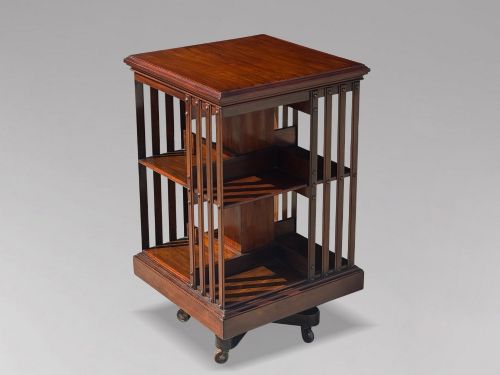
Smaller dwarf and revolving versions also functioned effectively in parlours and reception rooms for daily reading materials.