


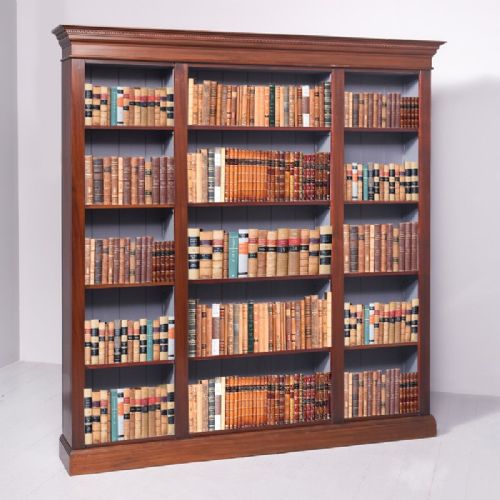


Large Mahogany Display Shelves
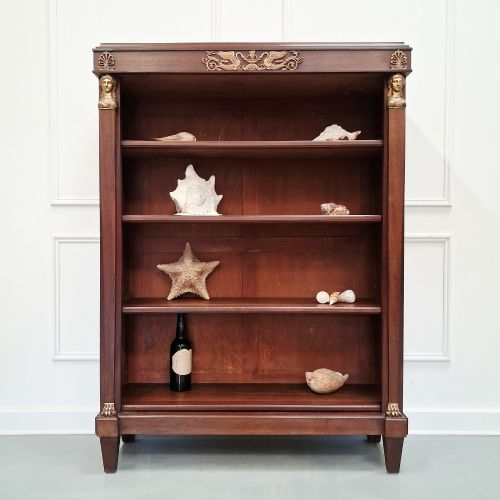
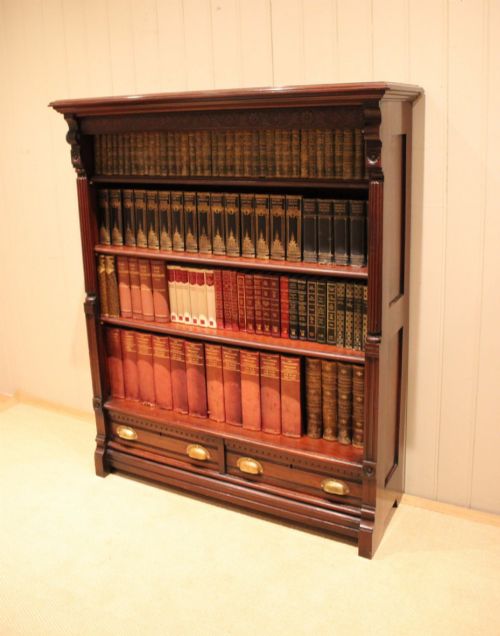
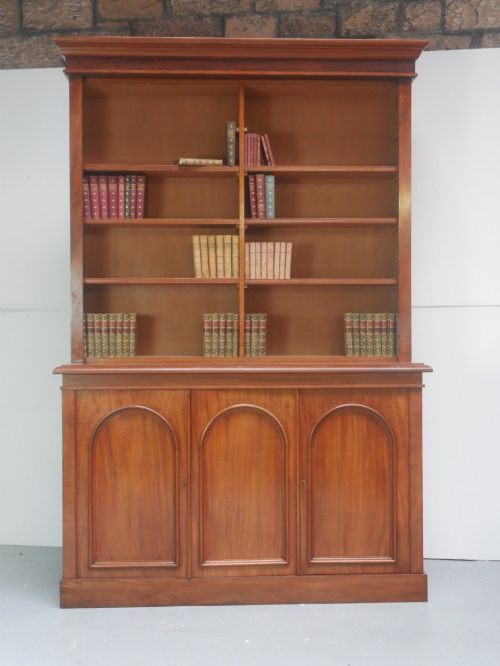
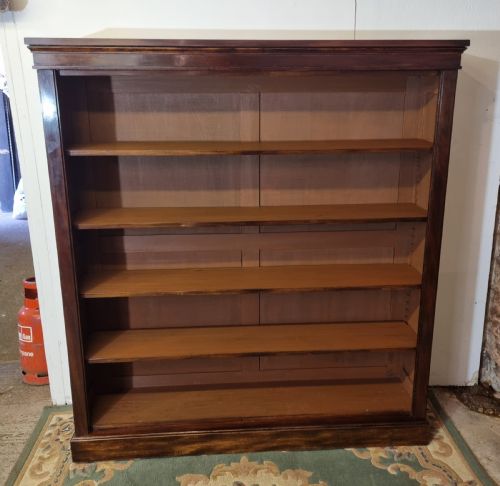
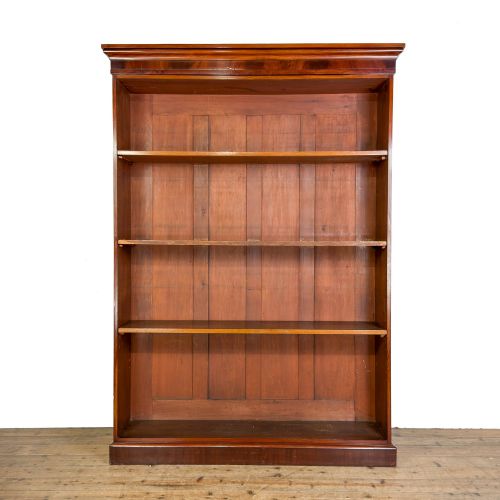
Large mahogany display shelves and bookcases offer substantial storage for libraries and collections, bringing rich timber grains and architectural presence to a room.
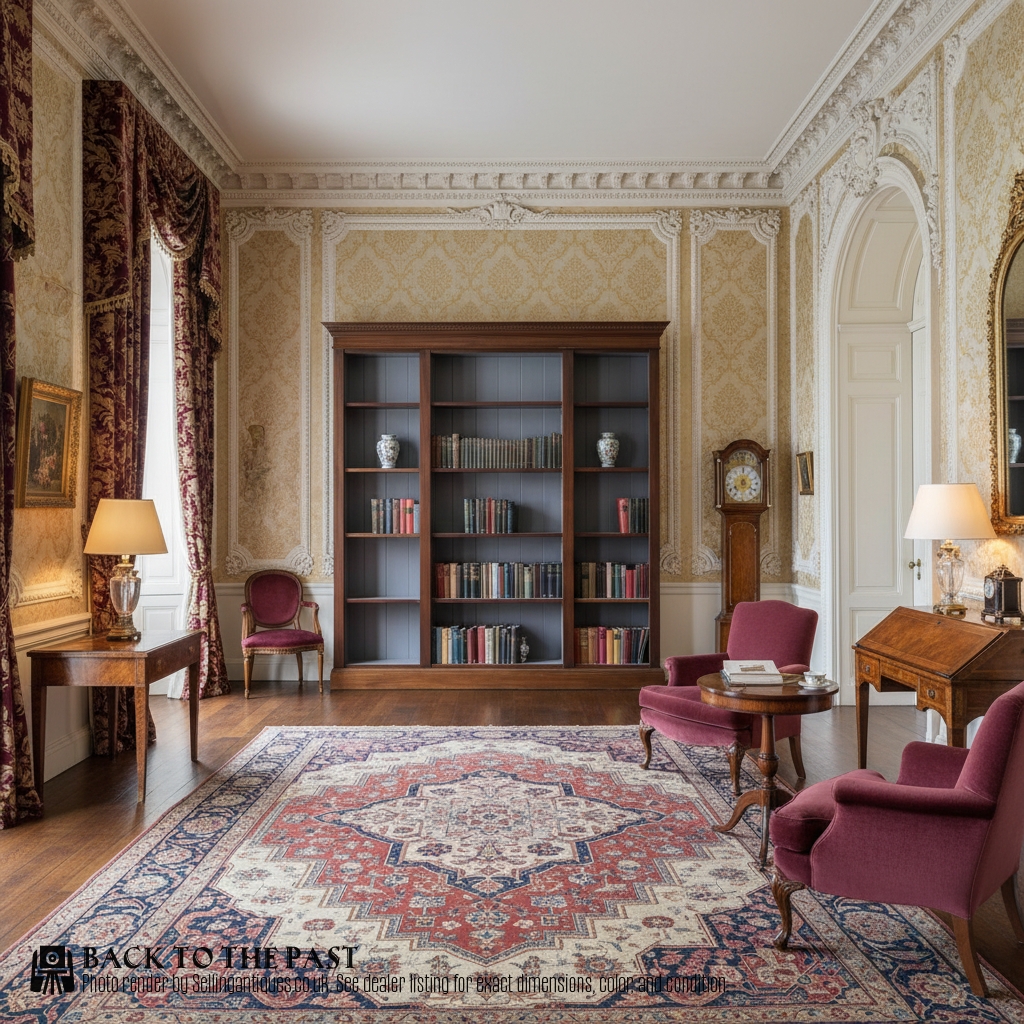
Large Mahogany Display Shelves
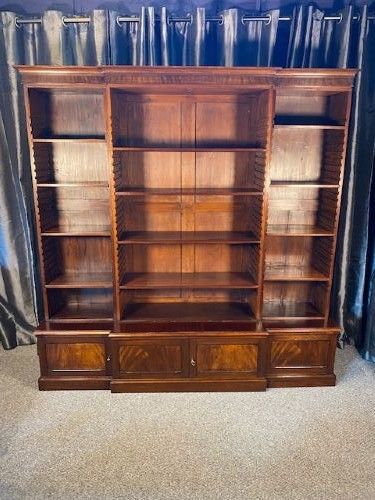
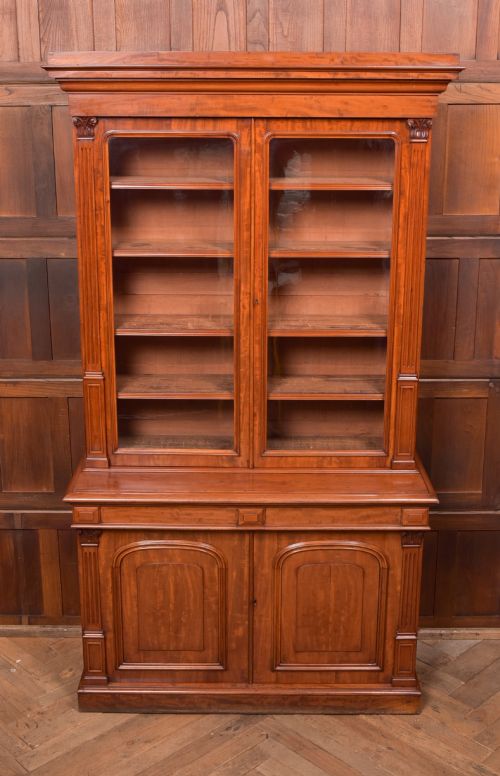
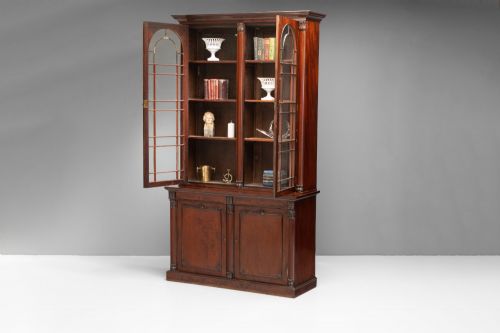
Large mahogany display shelves encompass open bookcases, breakfront library pieces, and glazed cabinets spanning the nineteenth century through the Edwardian period. Buyers encounter everything from tall open shelving units with adjustable boards to grand breakfront bookcases fitted with multiple doors.
Victorian and Edwardian examples dominate the selection, often rendered in rich Spanish mahogany or flame veneers. Pieces frequently incorporate architectural details such as overmantel mirrors, carved library cornices, and specialised display configurations.
Open formats predominate among the listings, though enclosed glazed sections and specialised stands appear alongside traditional bookcases. These pieces serve primarily as functional library furniture designed to hold substantial collections of books or decorative objects.
Materials and Construction
Solid mahogany and flame mahogany veneers form the primary visible surfaces, supported by secondary timbers like pine and oak in the internal framework and shelving. Brass hardware, including adjustable shelf brackets and door fittings, accompanies glass panels in glazed variants.
Joinery methods reflect traditional cabinetmaking standards, utilising dovetailed drawer construction and mortise and tenon frames. Many nineteenth-century examples incorporate mechanical ingenuity, such as concertina doors and adjustable shelving systems designed for flexible storage.
One exceptional nineteenth-century lot pairs a tall mahogany stand with thirty-six American shaving mugs from a barbershop collection.
Assessing Quality
Quality rests upon the selection of timber, particularly the use of figured Spanish mahogany or striking flame veneer across primary elevations. Finer examples display meticulous carving on cornices and pilasters, alongside well-executed architectural proportions.
The sophistication of the internal mechanisms, such as smooth-operating adjustable shelf ratchets and well-fitted doors, distinguishes superior cabinetwork from standard utility pieces.
Gillows·Goodhall, Lamb and Heighway of Manchester
The Large Mahogany Display Shelves Glossary
- Breakfront
- A cabinet design where the central section projects forward from the flanking wings. This architectural arrangement creates depth and visual interest in large library pieces.
- Flame Mahogany
- A veneer cut from the fork of the mahogany tree where the branch meets the trunk. It yields a distinctive, fiery pattern with intense chatoyancy.
- Spanish Mahogany
- A dense, dark timber prized by nineteenth-century cabinetmakers for its rich colour and durability. It takes a high polish and resists warping.
- Overmantel
- A mirror or decorative structure designed to be hung or placed upon the mantelpiece above a fireplace. These often share timber frames with contemporary bookcases.
- Whatnot
- A piece of furniture consisting of a set of open shelves for displaying small objects. They appear in nineteenth-century interiors for ornamental storage.
Large Mahogany Display Shelves: Frequently Asked Questions
How do I adjust the shelves?
Many nineteenth-century bookcases feature wooden ratchets, brass studs, or metal track systems that allow individual shelves to be repositioned at various heights.
Carefully lift each board to clear the supporting brackets, alter the fittings to the desired slot, and ensure the shelf rests level before loading books.
Where should I place a large bookcase?
These substantial pieces require stable wall placement away from direct heat sources and strong sunlight to protect the mahogany timber and polished finish.
Ensure adequate floor strength and clearance for doors or adjustable elements, allowing the architectural proportions to anchor the room.
How do I clean mahogany shelves?
Dust the timber regularly with a soft, dry cloth to prevent particulate buildup on the polished surfaces and veneer.
Apply a quality beeswax periodically to nourish the wood, avoiding silicone-based polishes that can degrade nineteenth-century finishes over time.