



French Style Display Shelves
French style display shelves are decorative open storage units combining continental revival forms with rich timber and metal mounts.
French Style Display Shelves
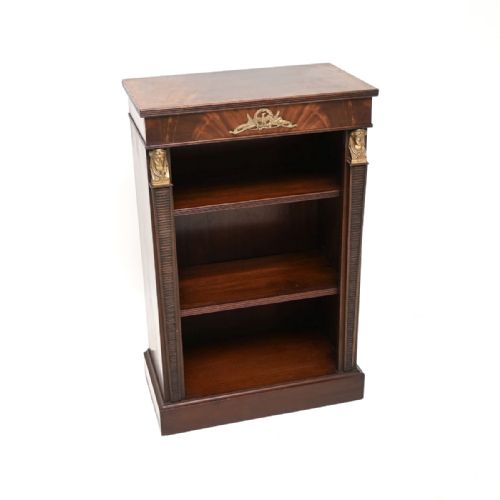
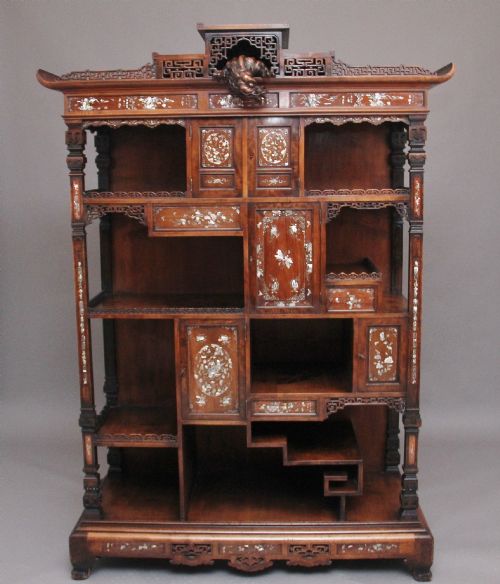
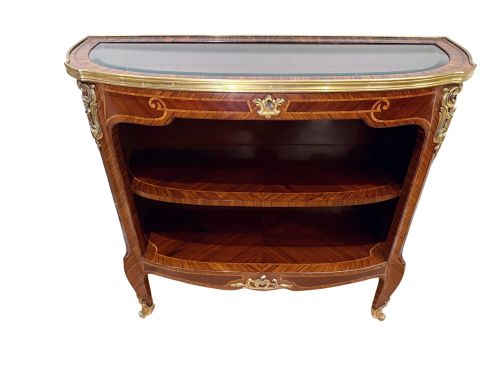
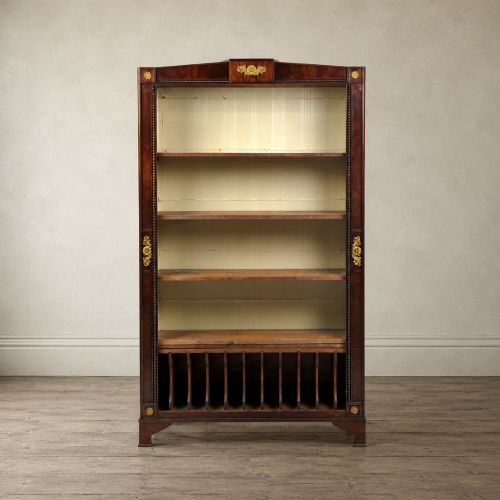
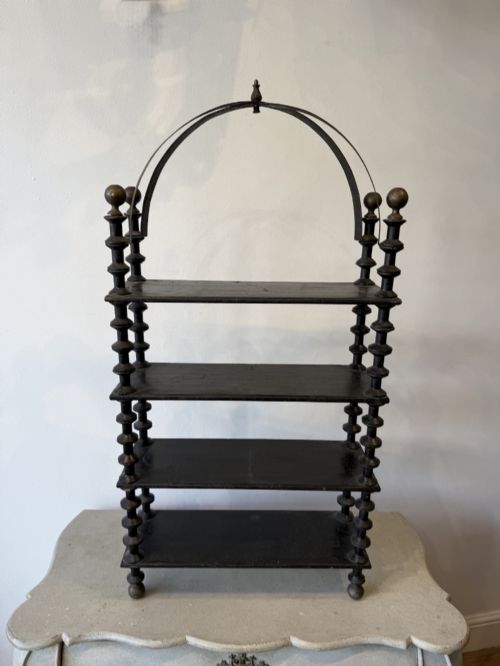
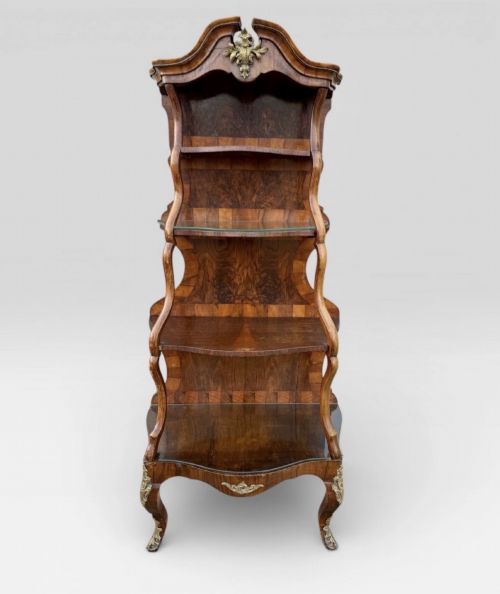
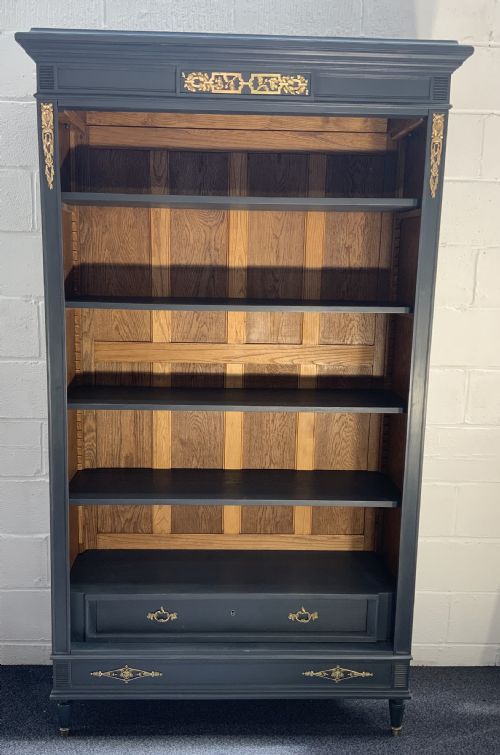
French style display shelves encompass open bookcases, etageres, wall brackets, and whatnot cabinets originating from the nineteenth and early twentieth centuries. These pieces reflect revival aesthetics including Rococo, Louis XV, and Empire styles designed to exhibit decorative objects.
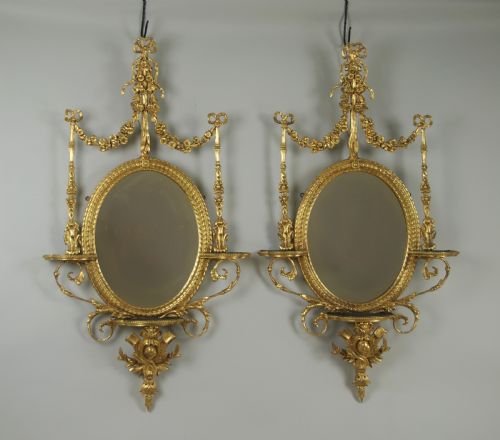
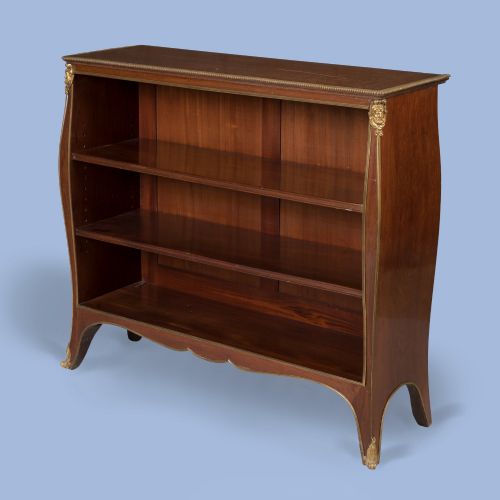
Buyers will most frequently encounter walnut and mahogany etageres alongside giltwood wall shelves produced during the Victorian and later revival periods. These furnishings range from diminutive two-tier corner units to substantial open bookcases with brass or ormolu mounts.
The form developed to serve both utility and display within nineteenth-century interiors, utilising varied tiers and mirrored backs to catch light. Their enduring appeal lies in this combination of decorative carved detail and practical surface space.
Materials and construction methods
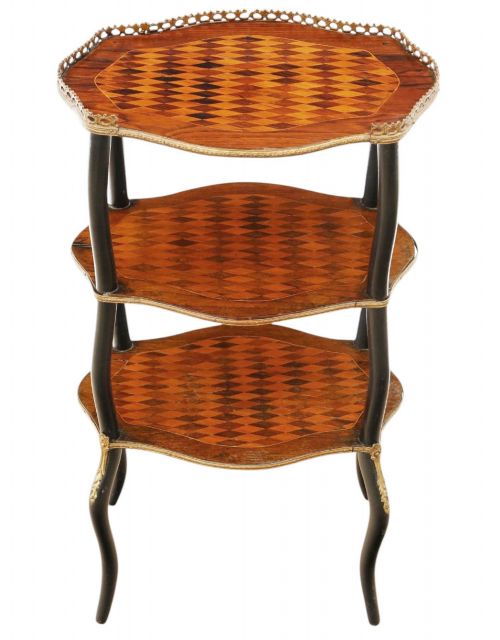
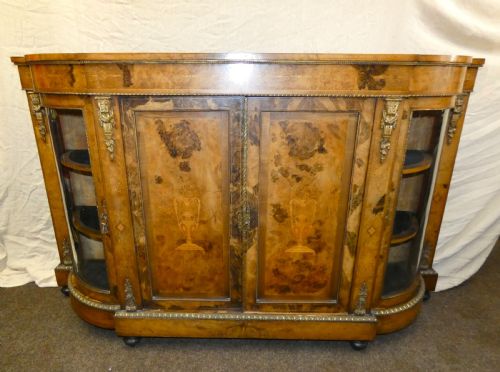
Cabinetmakers utilised dense timbers such as walnut, mahogany, and rosewood, frequently enhanced with intricate marquetry and parquetry inlay. These woods provided a stable foundation for applied brass and ormolu mounts.
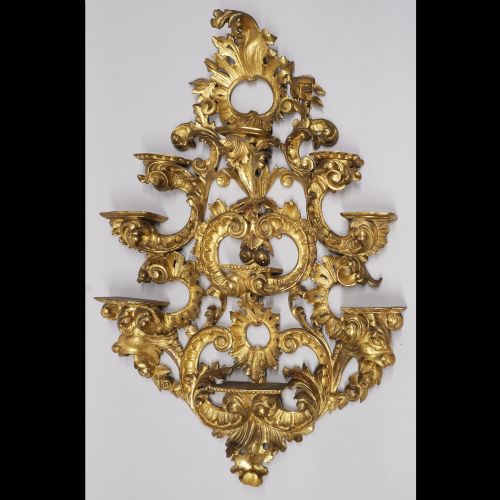
Giltwood and gesso surfaces required skilled carving and application of gold leaf to create the ornate frames seen on wall brackets and mirrors. Brass galleries and mounts were cast and chased before being fixed to timber frameworks.
Construction techniques combined traditional joinery with applied decorative elements, employing turned supports, bobbin turnings, and fretwork panels. Glass panels and mirrored backs were integrated into cabinets and vitrines to maximise light reflection.
The inventory demonstrates periods ranging from the nineteenth century through to the Edwardian era, utilising walnut, mahogany, brass, and giltwood.
Markers of distinction and craftsmanship
Quality rests in the crispness of the wood carving, the precision of marquetry inlay, and the weight of ormolu or brass mountings. Finer pieces demonstrate superior timber selection, with highly figured walnut or rosewood veneers matched symmetrically across panels.
The integration of structural elements defines the grade of a piece, distinguishing workshop production from standard commercial manufacturing. Hand-chased bronze mounts and finely articulated giltwood scrollwork separate exceptional examples from simpler decorative items.
Gabriel Viardot·Thomas Justice And Sons
The French Style Display Shelves Glossary
- Etagere
- A set of open shelves for displaying small objects or ornaments. These pieces typically feature multiple tiers supported by slender columns or turned uprights.
- Ormolu
- Gilded bronze used as an ornamental mount on furniture. This decorative technique involves applying a gold amalgam to bronze before heating.
- Marquetry
- Decorative veneer work forming geometric patterns or pictures using thin slices of wood. Craftsmen cut contrasting timbers to fit precisely within a prepared ground.
- Gesso
- A plaster-like mixture applied to wood surfaces as a base for gilding or painting. This material allows artisans to carve intricate relief details before applying gold leaf.
- Vitrine
- A glass-fronted cabinet designed for displaying fine porcelain or curiosities. These enclosures protect delicate items while offering all-round visibility.
French Style Display Shelves: Frequently Asked Questions
What is an etagere?
An etagere is a multi-tiered piece of furniture designed specifically for displaying small decorative objects, porcelain, and curiosities.
These open shelving units became popular in the nineteenth century as a way to exhibit collections within principal rooms.
How do I identify French revival styles?
French revival pieces incorporate stylistic elements from Louis XV, Rococo, and Empire periods, identifiable through curved lines and classical motifs.
Look for ormolu mounts, marquetry inlay, and symmetrical scrollwork characteristic of nineteenth-century continental interpretations.
Where should I place wall brackets?
Wall brackets and small display shelves suit hallways, drawing rooms, or bedrooms for holding figurines or small clocks.
Their compact footprints allow them to utilise vertical wall space effectively without cluttering floor areas.
What woods were commonly used?
Cabinetmakers primarily employed walnut, mahogany, and rosewood, often enhanced with exotic veneers and marquetry inlay.
Softer woods like pine formed the structural carcasses behind fine decorative timbers and painted finishes.