
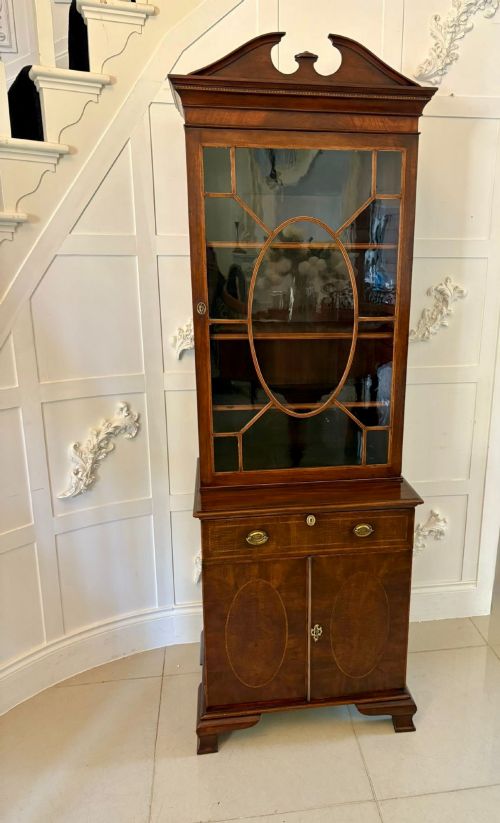
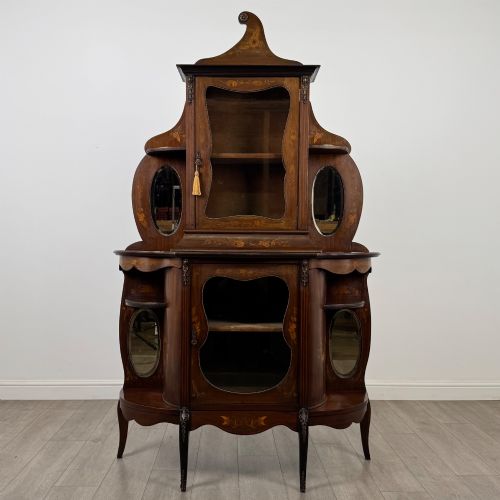


Victorian Glass Display Cabinet
A victorian glass display cabinet brings light and polished timber to a room while holding collections safely behind clear panes.
Victorian Glass Display Cabinet
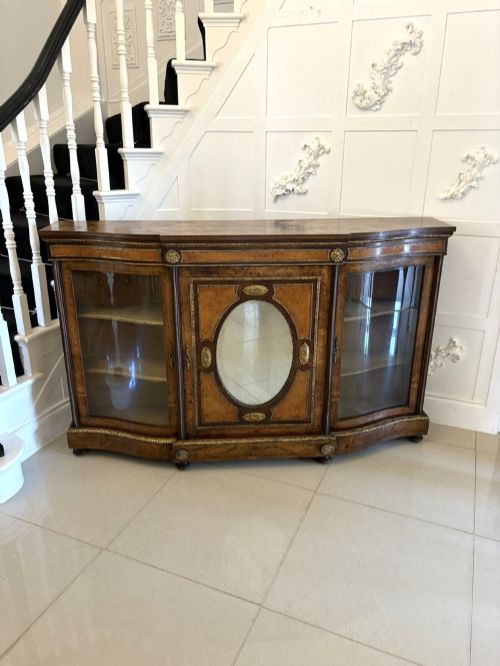
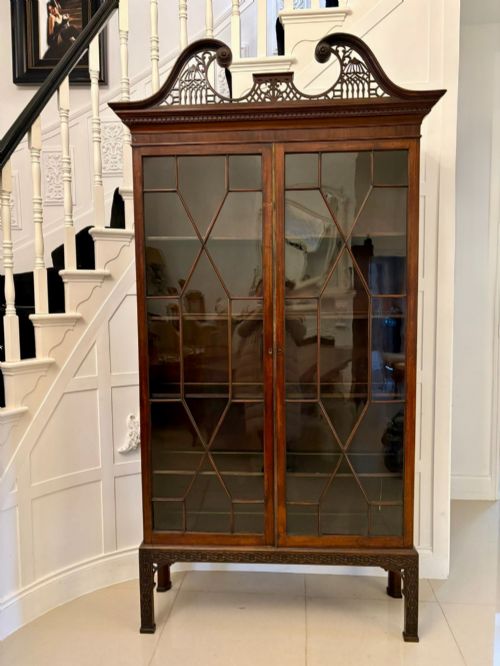
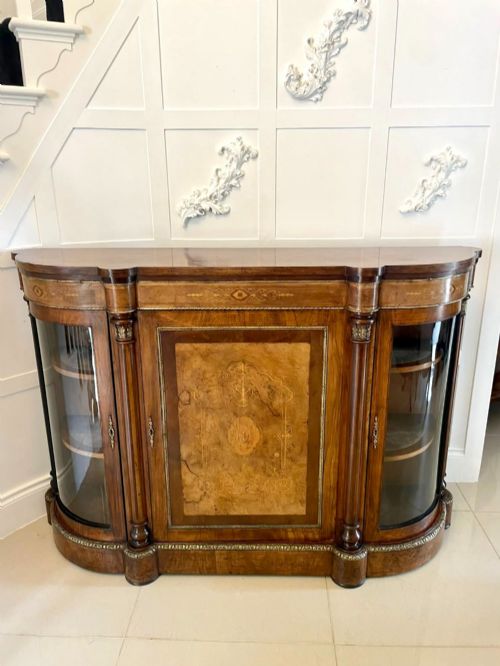
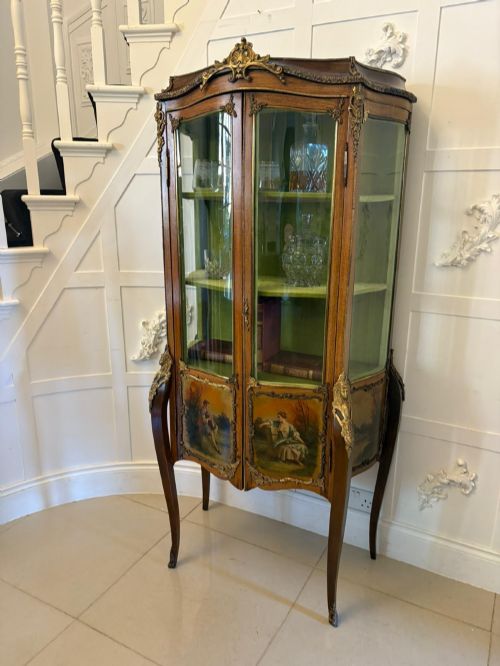
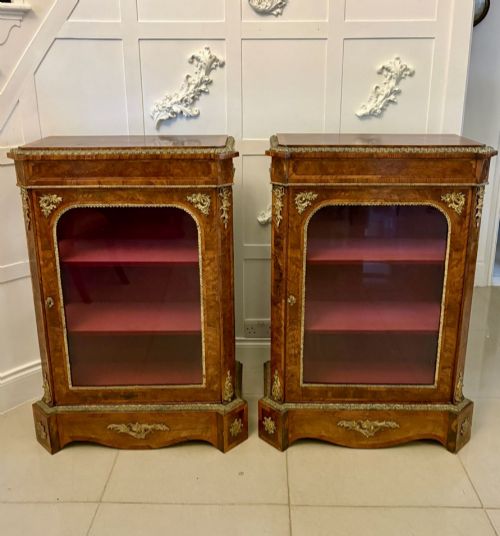
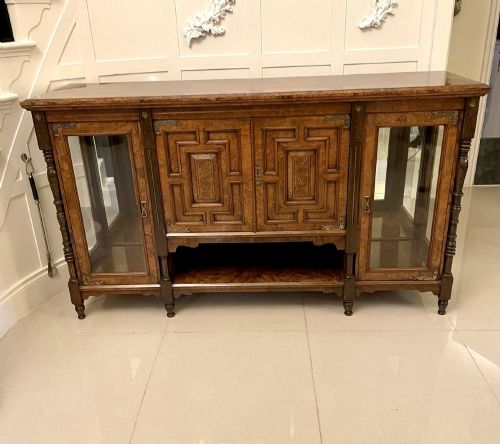
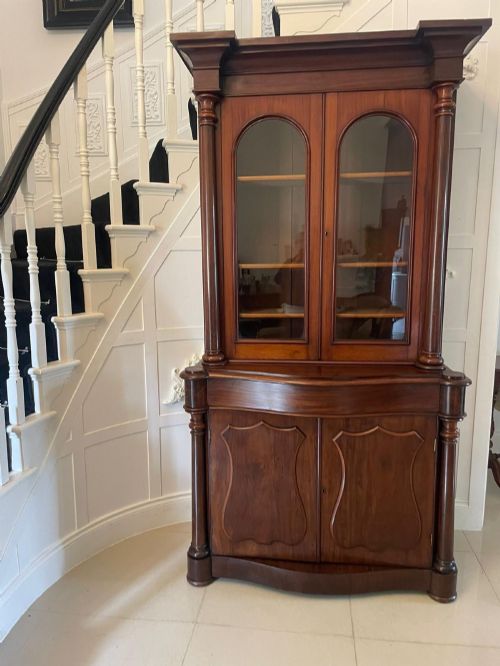
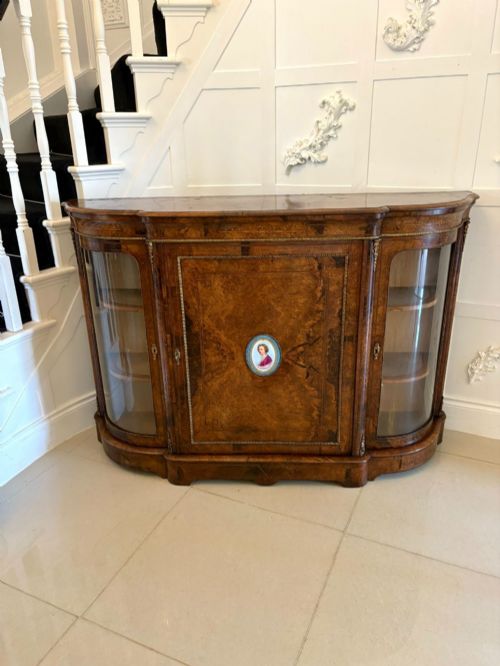
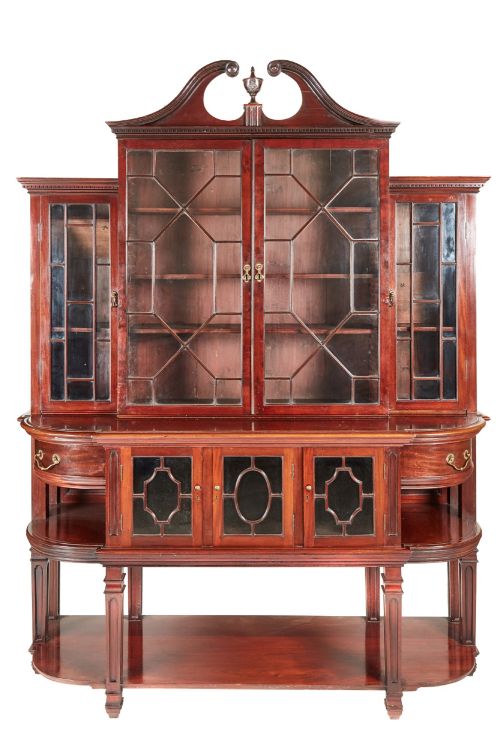
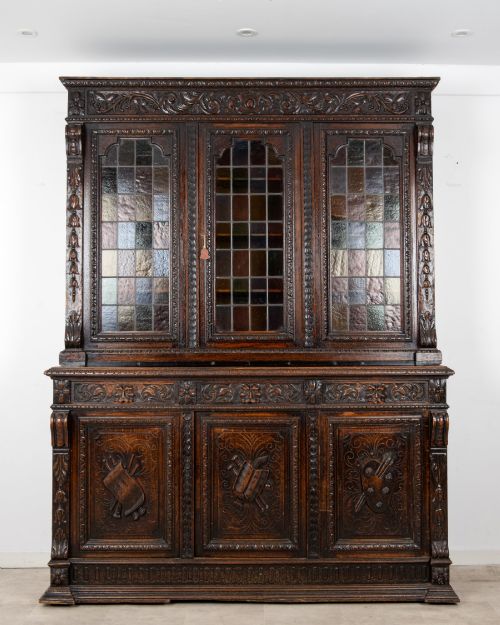
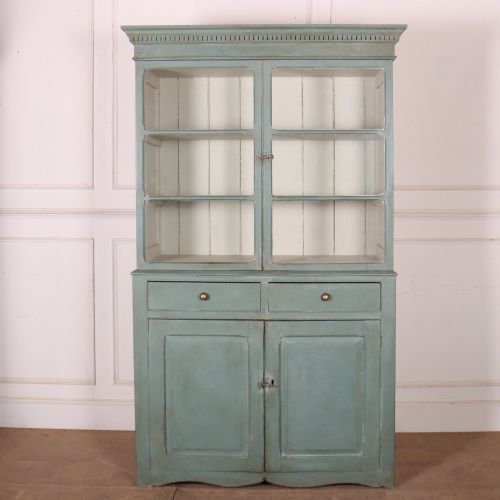
A victorian glass display cabinet serves to exhibit books, ceramics, and ornaments within domestic interiors of the nineteenth century. These furnishings combine glazed doors with timber carcases, appearing across styles ranging from simple mahogany bookcases to ornate credenzas and pier cabinets.
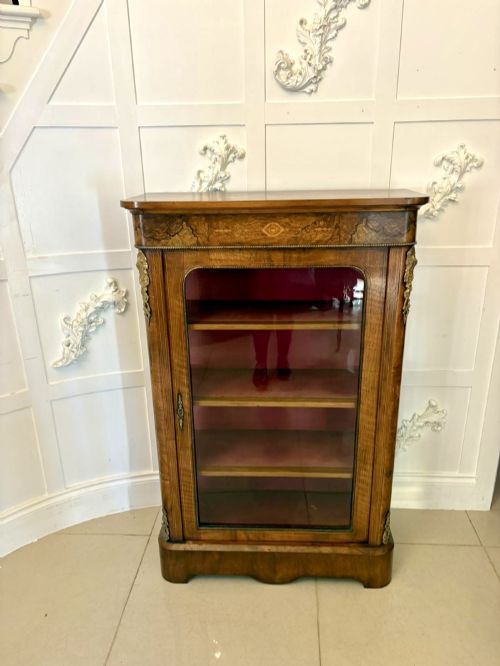
The selections span standard upright bookcases, narrow pier cabinets designed for tight wall spaces, and low credenzas fitted with marble tops or ormolu mounts. Makers adapted forms to suit both modest parlours and grand drawing rooms.
Origins stretch across English workshops, Scottish country regions, and Welsh houses, utilising local woods alongside imported veneers. Pieces emerge from periods marked by revival movements, including Sheraton, Gothic, and Art Nouveau influences.
How they were made
Construction relies heavily on solid mahogany, walnut, and burr walnut timbers, often enhanced by decorative marquetry, satinwood inlay, or ebonised details. Frameworks house large glass panes, sometimes secured with astragal glazing bars or framed in brass.
Mounts of gilt bronze or ormolu accent the richer credenzas and side cabinets, while interiors frequently feature lined shelves of fabric or velvet. Cabinetmakers applied original painted decoration or polished finishes to highlight the natural grain of the wood.
Current selections include specialist taxidermy displays alongside traditional bookcases, credenzas, and glazed pier cabinets.
What varies in quality
The refinement of the timber and the intricacy of the marquetry inlay distinguish the standard of manufacture. Finer examples display meticulous grain selection in burr walnut or amboyna, paired with cast brass mounts and precise cabinet joints.
Proportion and decorative restraint separate standard production items from workshop pieces bearing attribution to notable cabinetmakers. The execution of glazed panels and the presence of original painted surfaces influence the overall integrity of the piece.
Gabriel Viardot·James Gardner·Jas Shoolbred·Edwards & Roberts·Rowland Ward Ltd
The Victorian Glass Display Cabinet Glossary
- Credenza
- A low cabinet or sideboard, frequently fitted with glass doors, designed for nineteenth-century reception rooms. These pieces often feature marble tops and ormolu mounts.
- Pier Cabinet
- A narrow display cabinet built to stand against the wall space between windows. They typically incorporate single glass doors and veneered walnut or mahogany carcases.
- Astragal Glazing
- Wooden or metal bars that divide window or door glass into smaller panes. This technique is common on eighteenth and nineteenth-century bookcases.
- Marquetry
- Decorative patterns formed by inserting pieces of wood, ivory, or shell into a veneer. Craftsmen utilised floral and geometric motifs across Victorian cabinet doors.
- Ormolu
- Gilt bronze mounts applied to furniture for decorative effect. The technique involves treating metal with a mercury and gold amalgam before firing.
Victorian Glass Display Cabinet: Frequently Asked Questions
What is a pier cabinet?
A pier cabinet is a narrow piece built to occupy the wall space between windows in a Victorian drawing room. These furnishings typically feature a single glass door and flat sides.
Interior shelves hold small collections of ceramics or glass. Their compact footprints made them popular for urban Victorian residences.
How were credenzas used?
Credenzas served as formal display furniture and serving surfaces in nineteenth-century dining and drawing rooms. The enclosed cupboards stored precious dinnerware or glassware.
Glass-fronted central sections allowed owners to display decorative objects. Flat timber or marble tops provided space for lamps and decorative items during evening gatherings.
What woods are most common?
Mahogany and walnut form the structural basis for the majority of these nineteenth-century pieces. Cabinetmakers frequently utilised burr walnut veneers to create striking patterns on door fronts.
Secondary timbers like oak and pine appear in carcase construction and backboards. Exotic woods such as amboyna, kingwood, and satinwood appear on higher-end examples.
How do I spot a marriage?
A marriage occurs when two distinct antique components are joined together to form a single item. Differences in timber ageing, finish colour, and hardware styles indicate mismatched parts.
Examining internal construction reveals whether shelves, doors, and carcases share common origins. Original hinges and backboards help confirm the unified age of the piece.