
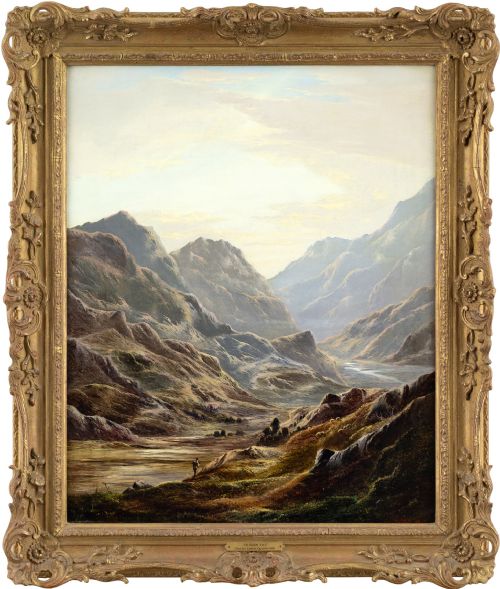

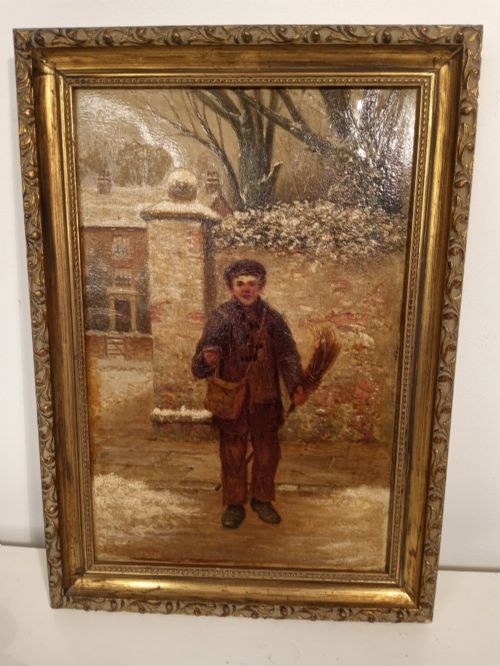
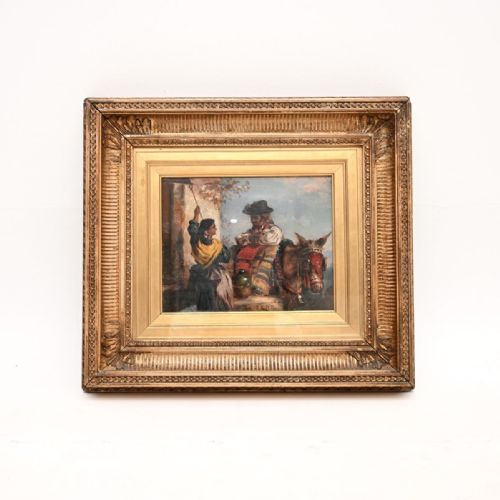
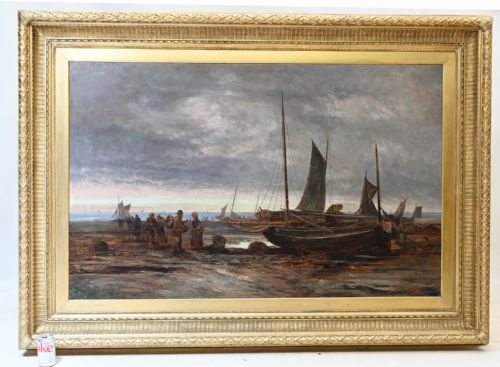
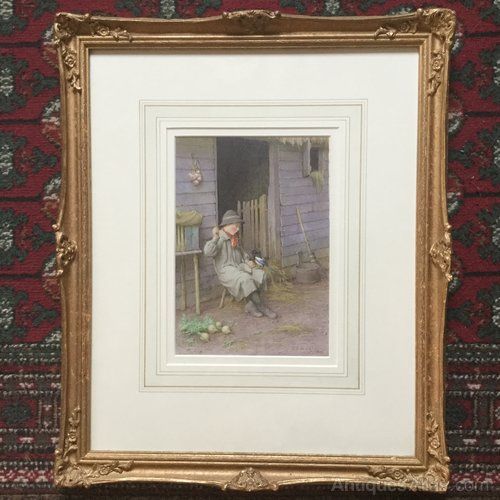

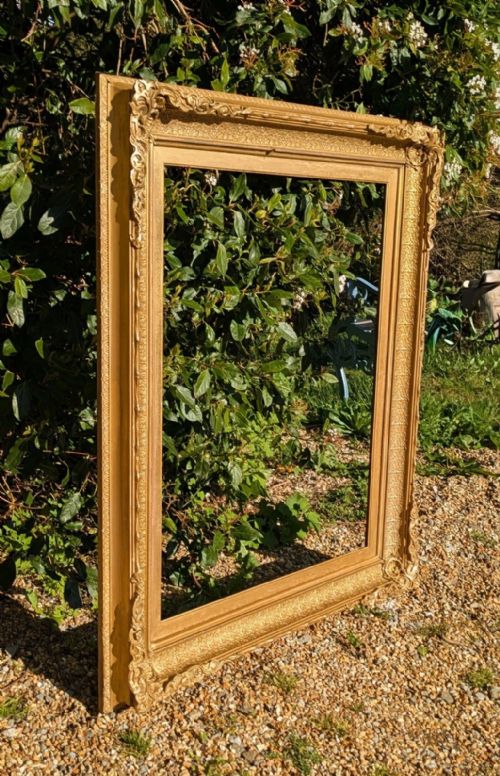
Victorian Giltwood Framed Picture
A victorian giltwood framed picture brings the rich, warm interior character of the nineteenth century straight onto a wall.
Victorian Giltwood Framed Picture
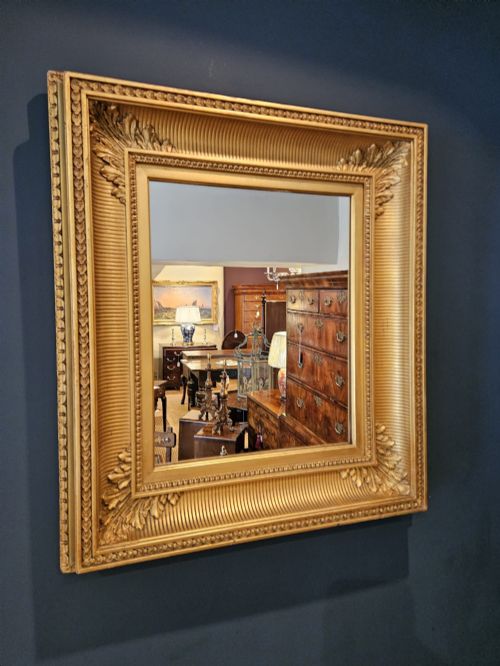
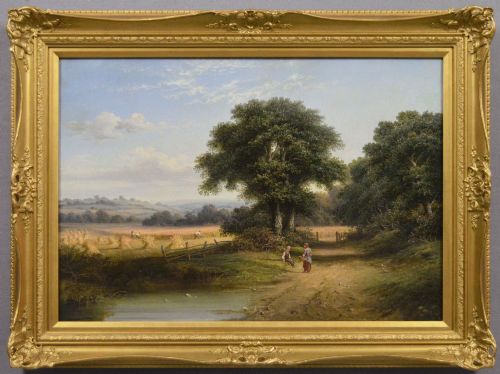
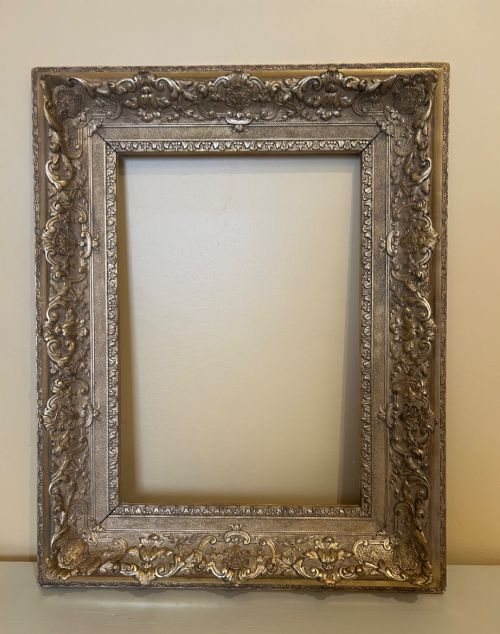
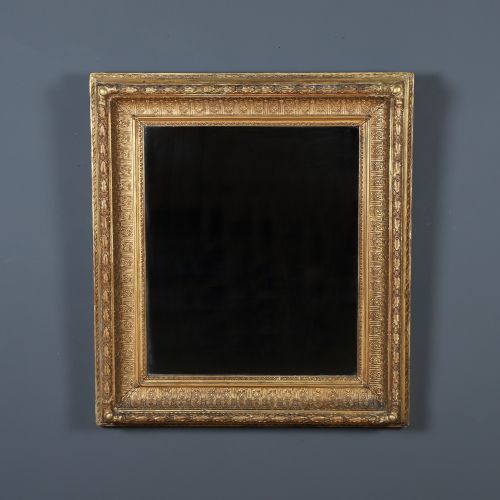
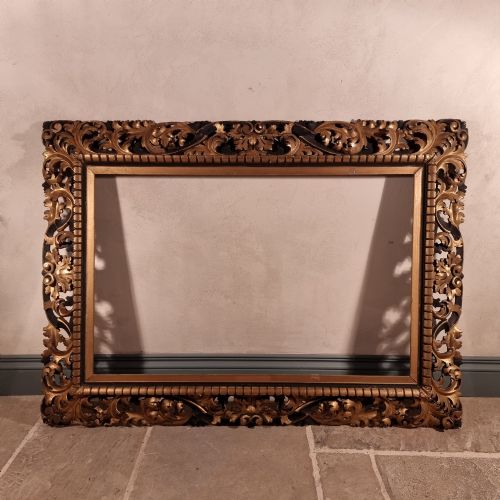
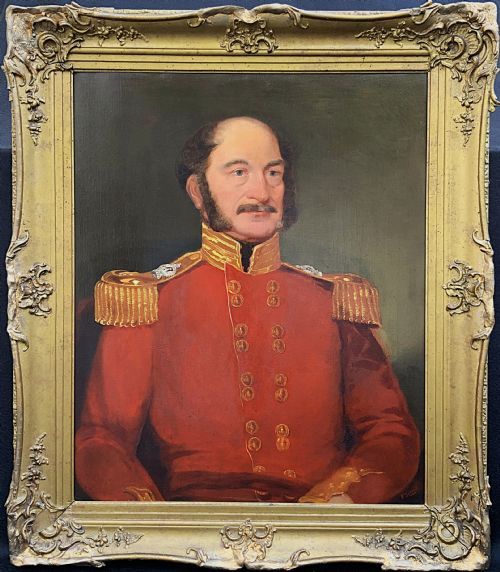
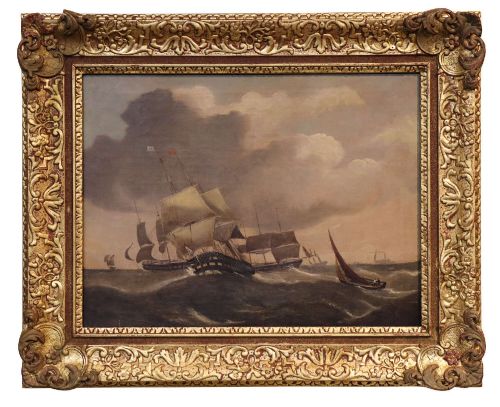
A victorian giltwood framed picture spans oil paintings on canvas, watercolours, portraits, landscapes, and wall mirrors shaped by the nineteenth century. These objects include empty frames alongside framed artworks, featuring styles such as Rococo Revival and Florentine moulding. The variant most frequently found on this page is the oil painting housed within an ornate gilded surround.
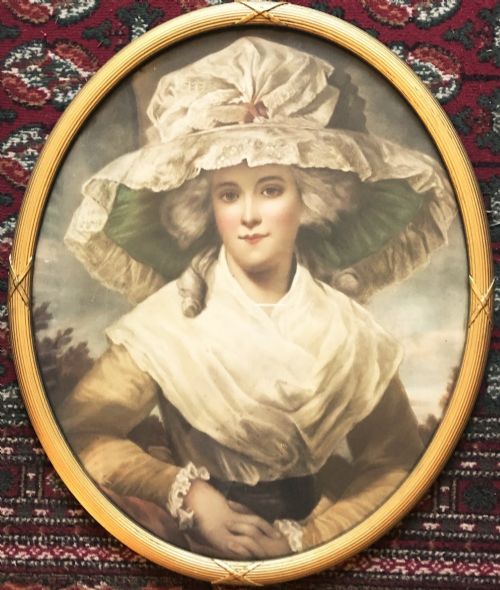
The periods represented stretch across the nineteenth century, taking in decades from the eighteen-fifties through to nineteen hundred. Makers and artists recorded in the listings range from named painters to anonymous workshops producing deep gilt and gesso mouldings. Buyers encounter both rectangular and oval formats designed for domestic display in halls, overmantles, and principal rooms.
Materials and construction
The physical structure relies on timber frames built from wood, coated in layers of gesso to create smooth surfaces for ornamentation. Artisans applied gold leaf over the gesso ground, sometimes burnishing sections to achieve varied reflectivity across the decorative elements.
Artworks within these frames employ oil paint on canvas, watercolour on paper, pastel on canvas, and printed media. The surrounding frames frequently incorporate moulded acanthus leaf decoration or sweeping scrollwork characteristic of the period.
Distinctions in quality
Quality rests upon the crispness of the gesso detailing and the depth of the frame moulding. Pieces at the higher end display hand-modelled acanthus leaves and sharp relief work rather than shallow, uniform pressings.
The integrity of the original gold leaf surface and the preservation of the canvas or paper artwork determine the standing of each piece. Frames retaining their original gilding without excessive modern intervention command greater respect among collectors.
Walter Heath Williams·Charles Leslie·Renato Moretti·Thomas Kent Pelham·Charles Edward Wilson·John Arthur Lomax·Thomas Sidney Cooper·Henry John Boddington·Percival Glenfern·Tom Seymour·John Henry Dell·Sidney Yates Johnson·Jane Vivian
The Victorian Giltwood Framed Picture Glossary
- Giltwood
- Wood carved and covered with gold leaf or metal leaf. This surface finish defines the luminous appearance of nineteenth-century frames.
- Gesso
- A plaster mixture applied to wood frames as a base for gilding. Artisans carved and moulded this material before applying gold leaf.
- Overmantle
- A large mirror or painting designed to hang above a fireplace mantel. These items often feature expansive proportions and deep frames.
- Acanthus
- A carved leaf ornament modelled on the Mediterranean plant. It appears frequently on the corners and edges of Victorian frames.
- Swept frame
- A frame moulding with a flowing, undulating profile characteristic of revivalist decorative arts. This style creates strong visual movement around the artwork.
Victorian Giltwood Framed Picture: Frequently Asked Questions
How do I hang a heavy giltwood frame?
These frames carry substantial weight due to the timber, gesso, and glass components. Secure them directly into wall studs using appropriate fixings rather than plaster anchors alone.
Employ two hanging points on larger mirrors and paintings to distribute the load evenly and prevent the frame from tilting over time.
Are these frames original to the paintings?
Many nineteenth-century artworks retain their contemporary frames, though framing and reframing occurred frequently as tastes shifted. Examining the rebate at the back reveals whether the canvas and frame share the same period of wear.
Differences in dust accumulation or nail types can indicate whether an artwork has been reunited with its surround at a later date.
How should I clean giltwood surfaces?
Dust these frames gently using a soft, dry brush to remove particulate matter without disturbing the delicate gold leaf. Avoid liquid cleaners, damp cloths, and chemical solvents, which strip the water-gilding.
Professional conservators should handle any structural repairs or flaking gesso to preserve the integrity of the original surface.