




Victorian Gilt Bronze Clock
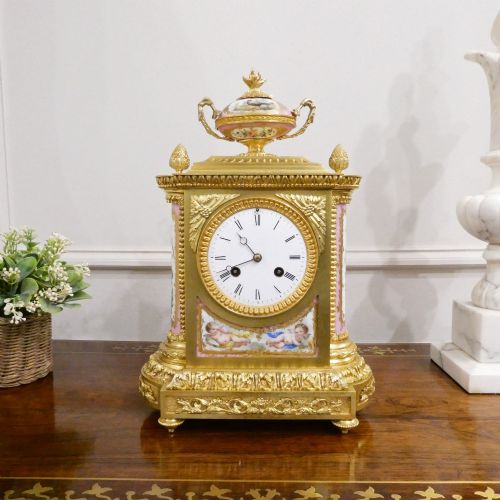
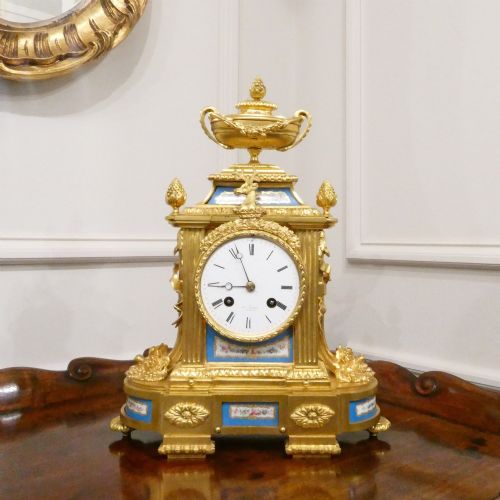
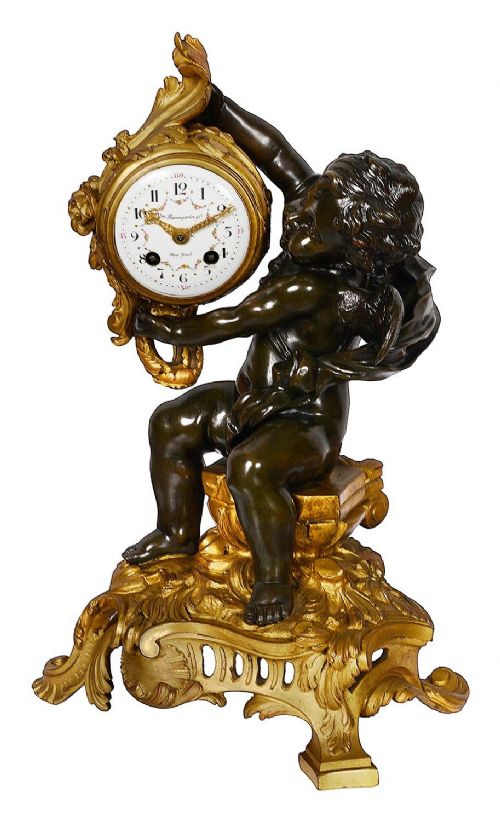
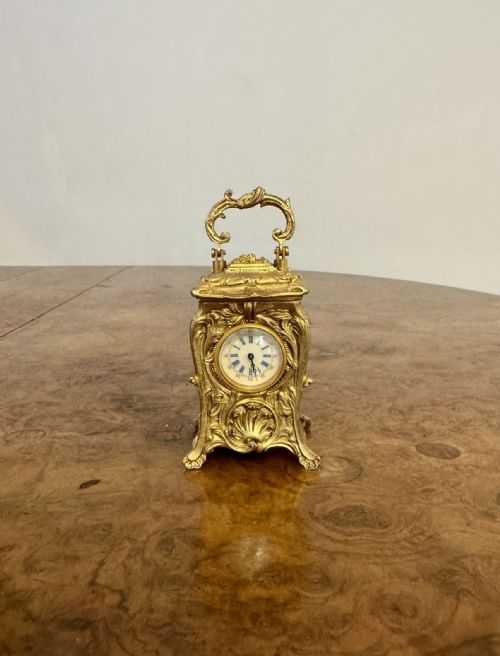
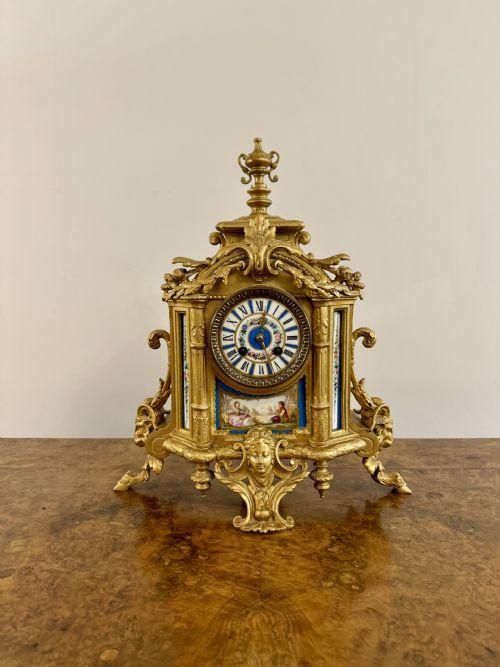
A victorian gilt bronze clock brings the heavy, polished metalwork and white enamel dials of the nineteenth century straight onto the mantelpiece.
Victorian Gilt Bronze Clock
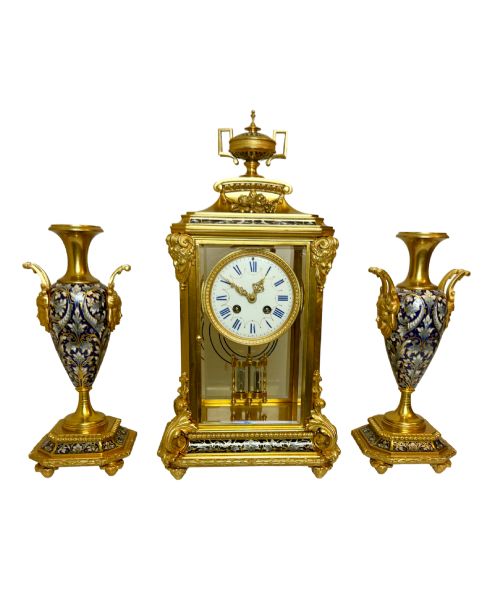
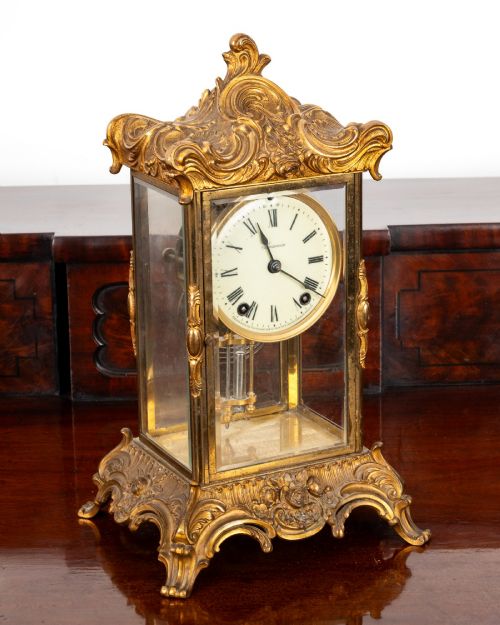
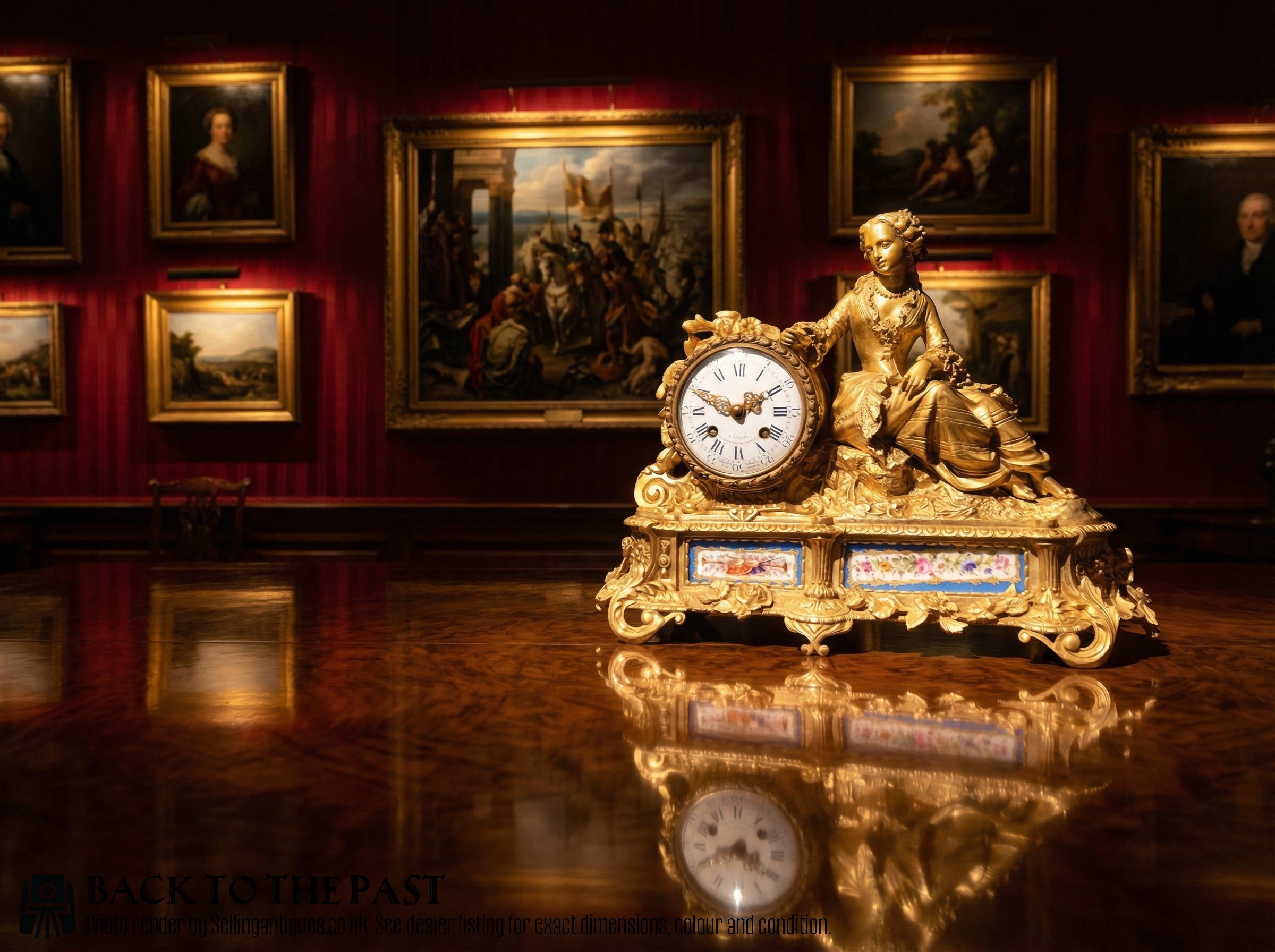
When you search for a victorian gilt bronze clock, you encounter heavy mantelpieces, garniture sets, and portico timepieces dating from the nineteenth century. These objects include French Rococo revival designs, Louis XVI styles, and four-glass panels produced across periods such as eighteen eighty and eighteen sixty.
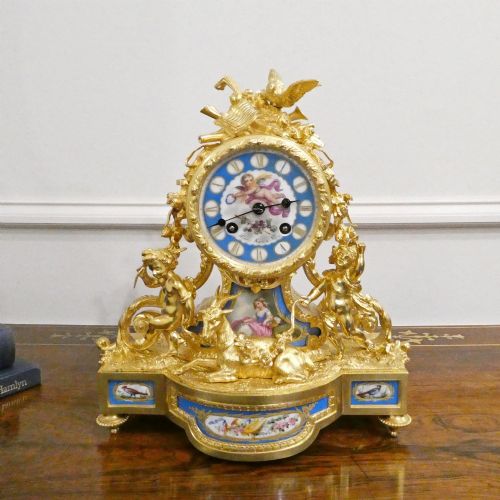
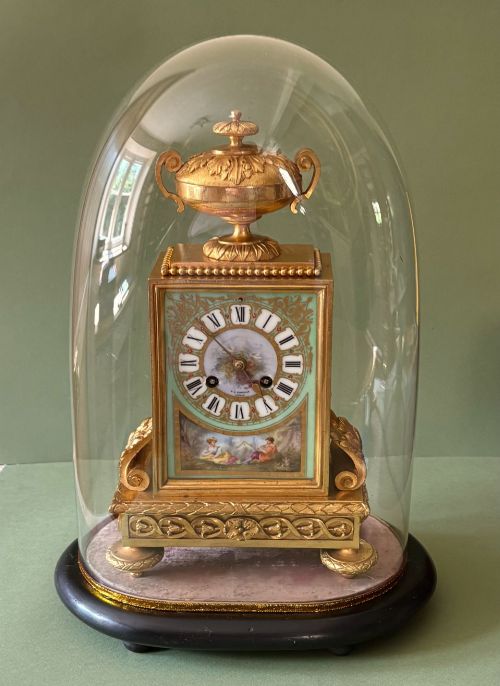
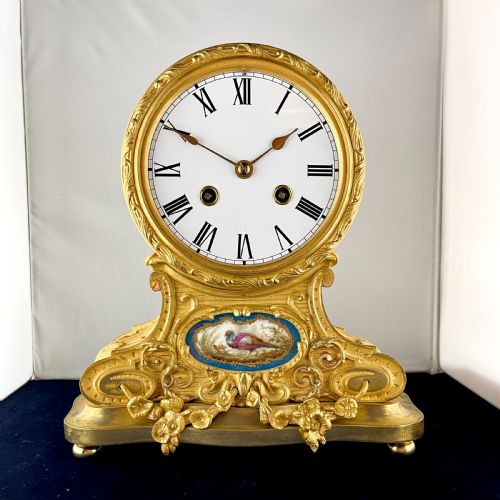
You are most likely to meet mantel clocks and multi-piece garnitures combining gilt bronze, ormolu, and hand-painted porcelain panels. Workshops across France and England built these heavy desk and mantel objects to keep time with eight-day movements.
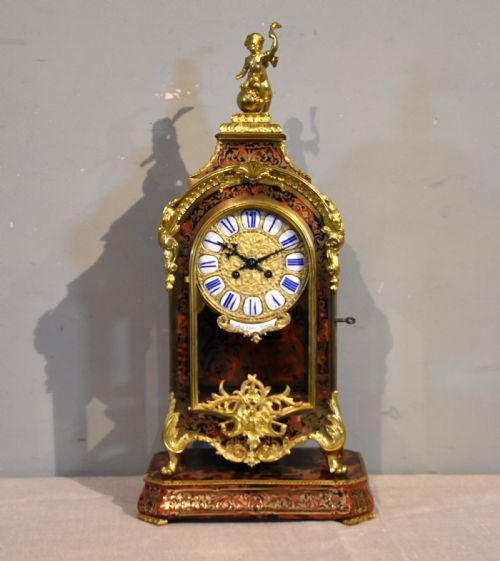
The material palette recorded in these pieces stretches from champleve enamel and brass to marble and ebonised wood. Makers structured these clocks around classical cherubs, drumheads, and crystal regulators designed to dominate a room.
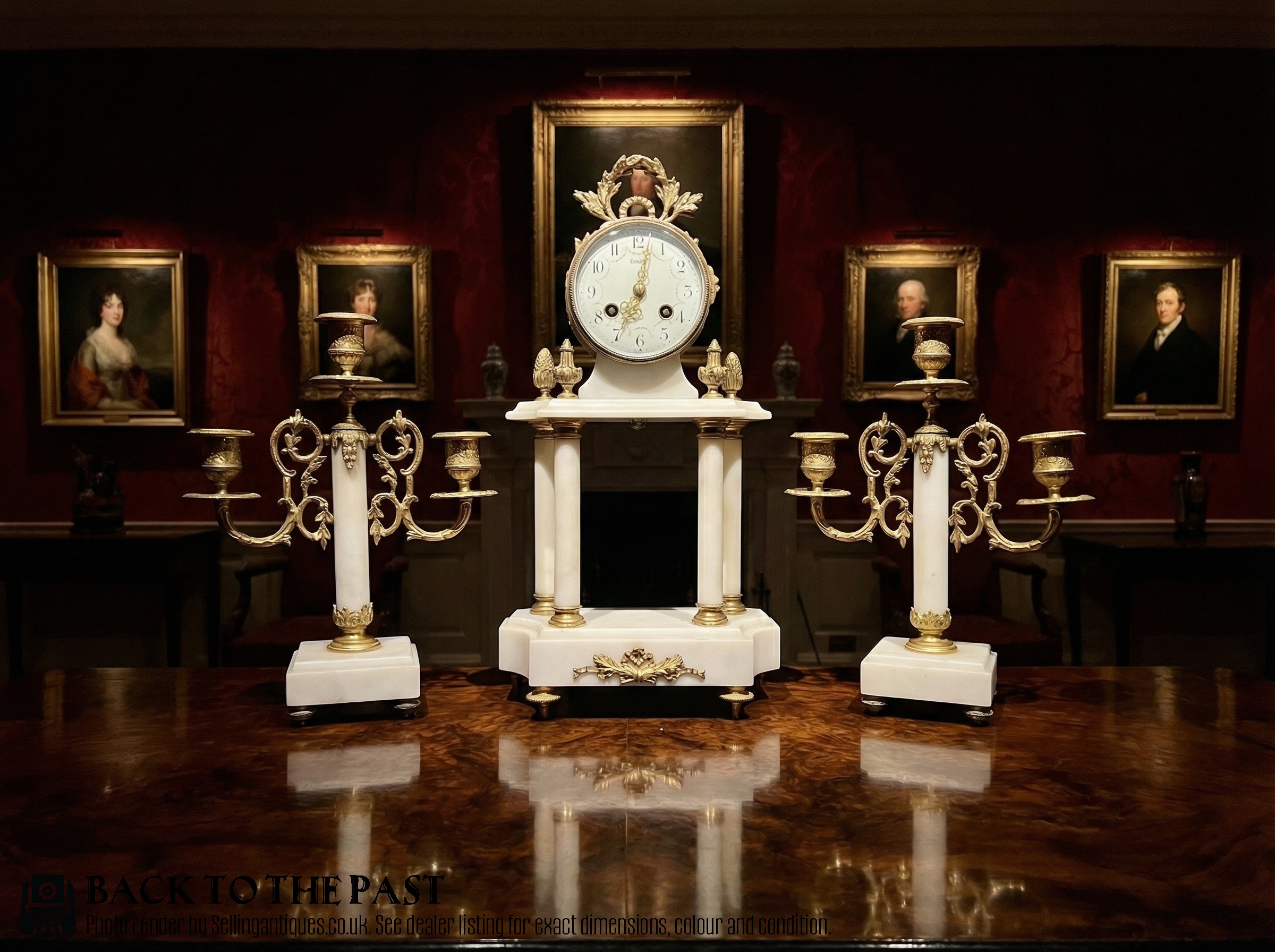
How they were made
Craftsmen cast these bodies in gilt bronze, ormolu, and gilt metal, applying fire gilding or chemical treatments to achieve a bright metallic lustre. These cast elements were then mounted with porcelain plaques, onyx, or marble bases.
Dials were constructed from white enamel with painted Roman or Arabic numerals, protected behind bevelled glass panes. Movement makers integrated brass gear trains, strike-repeat mechanisms, and twin fusee systems into the heavy housings.
Victorian Gilt Bronze Clock Retail Price Guide 2026
Typical asking prices for victorian gilt bronze clock among the pieces listed under this phrase on Sellingantiques today, from the lower quarter to the upper quarter. They describe what is for sale here now, not the wider market.
Brass cherubs peer out from behind porcelain dials while heavy bronze pendulums swing silently behind bevelled glass walls.
What varies in quality
The crispness of the bronze casting and the depth of the gilding separate standard production from superior pieces. Sharp relief work on scrollwork, cherubs, and floral mounts demonstrates superior workshop output.
The integration of hand-painted porcelain panels and champleve enamel adds complexity to the construction. Clocks paired with matching side garnitures or complete three-piece sets show greater scale and ambition than standalone timepieces.
Jean-Baptiste Delettrez·Henry Marc·Philippes Paris·Leroy Paris·PH Mourey·Samuel Marti·Howell James Co·William Payne
The Victorian Gilt Bronze Clock Glossary
- Ormolu
- Gilded bronze produced by applying a mercury and gold amalgam to a bronze base, creating a bright yellow metallic finish. This technique defines much of the French decorative metalwork from the period.
- Garniture
- A set of matching decorative objects, typically a central clock flanked by two matching urns or candelabra. These sets were designed to sit symmetrically on a mantelpiece.
- Champleve
- An enamelling technique where troughs are dug into a metal surface and filled with vitreous enamel before firing. The method produces colourful geometric or floral patterns across the bronze body.
- Fusee
- A conical pulley used in clock movements to maintain even tension on the gear train as the mainspring unwinds. This mechanism improves the timekeeping accuracy of the clock.
- Portico
- An architectural clock case supported by columns or pillars, often framing a pendulum suspended in the centre. These symmetrical designs draw heavily on classical architecture.
Victorian Gilt Bronze Clock: Frequently Asked Questions
How do I wind an antique clock?
Use the correct key to turn the arbour slowly until you feel resistance from the mainspring. Do not force the key past the stop point.
Most nineteenth-century movements require a gentle touch to avoid overwinding the brass gear train. Check that the clock stands level on the mantelpiece so the pendulum swings evenly.
What is a crystal regulator?
A crystal regulator is a mantel clock featuring glass panels on all four sides, allowing a clear view of the mercury or spring-suspended pendulum inside. These pieces often feature brass or gilt bronze framing.
The exposed movement lets observers watch the escapement and gear train operate from multiple angles. Makers built these clocks to showcase both mechanical precision and polished metalwork.
How do I identify French clocks?
French clocks from this era frequently carry workshop stamps on the backplate of the movement, such as marks by Samuel Marti or PH Mourey. They also rely heavily on porcelain dial plaques and ormolu mounts.
Stylistic cues include Rococo revival scrollwork, cherub figures, and champleve enamel panels. Many of these pieces were imported and retailed by major London firms alongside domestic makers.
What is a clock garniture?
A clock garniture is a matched set consisting of a central mantel clock accompanied by two side ornaments, such as urns or vases. These sets were manufactured as a unified decorative scheme for grand interiors.
The side pieces repeat the materials of the clock body, such as gilt bronze, porcelain, or onyx. Placing them together creates a balanced arrangement across a mantelpiece or sideboard.