
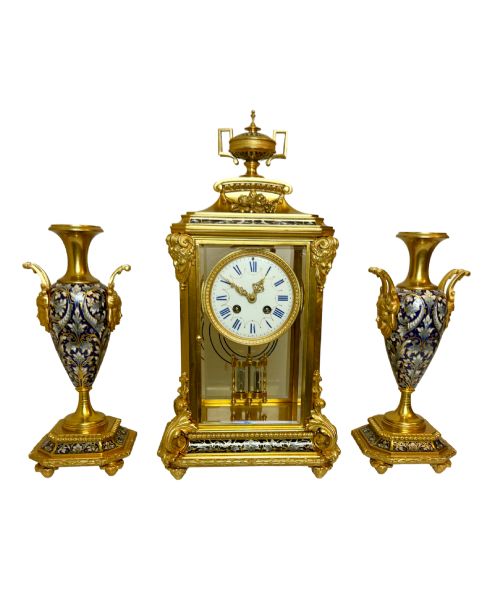


Blue Enamel Mantel Clock
A blue enamel mantel clock brings striking colour and French horological artistry into a room, making it a brilliant focal point for any interior.
What a blue enamel mantel clock is
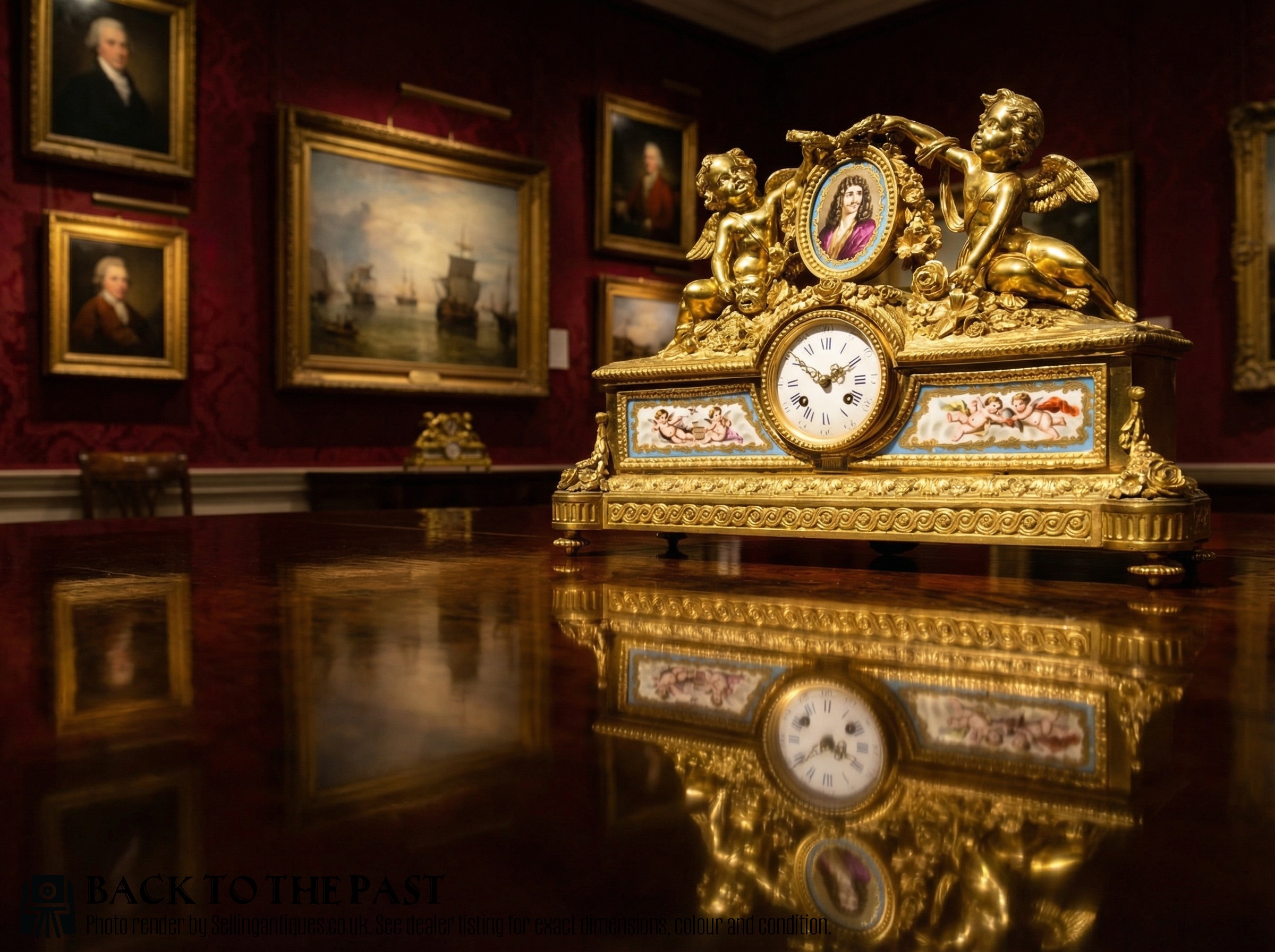
The pieces listed on this page include examples from the French Second Empire and various revival movements. Makers and retailers such as Leroy and Fils and Palais Royal represent the origins of these mantel clocks.
How they were made
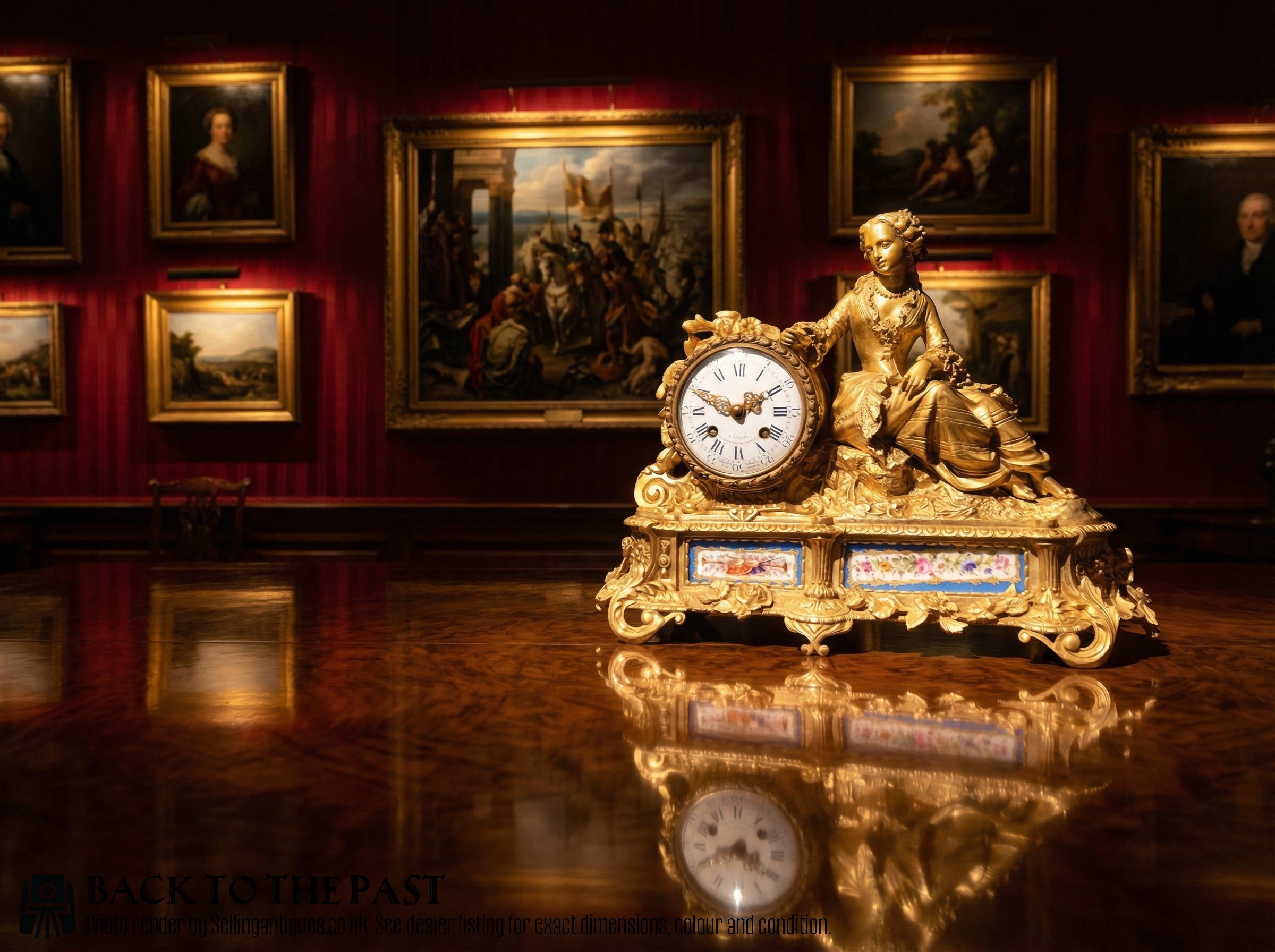
These clocks utilise gilt bronze, ormolu, and gilded bronze to form the structural cases that house the movements. Enamel and champleve enamel decorate the surfaces alongside glass and porcelain elements.
Craftsmen applied vitreous enamel directly into recesses or onto metal plates, firing the pieces to achieve durable, vibrant blue colourations. Bronze casting and gilding techniques completed the ornate architectural frames.
Retail Price Guide 2026
Typical UK retail prices for blue enamel mantel clock, calculated from the Sellingantiques database of over a million retail prices indexed since 2003. This retail price guide relies exclusively on Sellingantiques data; no external sources or auction records are used, so the figures do not describe the wider market.
What varies in quality
The standard of execution in the champleve enamelwork and the crispness of the gilt bronze chasing separate the finer examples from simpler production. Superior clocks demonstrate meticulous attention to detail in the portrait plaques and surface ornamentation.
The sophistication of the stylistic revival, whether Louis XVI Revival or Rococo Revival, influences the visual depth of the piece. Heavier metal casting and more complex enamel integration distinguish the top of the range.
Leroy and Fils·Palais Royal
The Blue Enamel Mantel Clock Glossary
- Champleve enamel
- A technique where troughs are carved into metal and filled with enamel powder before firing. This method creates rich patterned surfaces across the clock case.
- Ormolu
- Finely ground high-carat gold mercury-gilded onto a bronze object. It provides a durable and brilliant metallic finish characteristic of French luxury goods.
- Louis XVI Revival
- A nineteenth-century design style drawing on classical symmetry and straight lines. It reflects the renewed interest in eighteenth-century French royal aesthetics.
- Gilt bronze
- Metal alloy coated with a thin layer of gold to prevent tarnish and enhance appearance. It forms the primary chassis for many decorative mantel clocks.
Frequently Asked Questions
What periods do these clocks come from?
The available selection dates entirely from the nineteenth century, specifically the Victorian era spanning from eighteen sixty to eighteen ninety.
These pieces reflect distinct periods including the French Second Empire and the popular revival styles of the time.
Which materials appear most frequently?
Enamel, gilt bronze, and ormolu form the primary physical components of these French mantel clocks. Additional materials include glass, porcelain, and champleve enamel.
These combined substances create the heavy, decorative cases typical of nineteenth-century horology.
What styles influence their design?
Makers drew heavily upon Louis XVI Revival and Rococo Revival aesthetics, alongside general French chateau influences. These decorative schemes emphasise ornate metalwork and classical proportions.
Such historicist revivals defined the luxury domestic interior of the Victorian period.
Are these clocks of French origin?
All current examples trace their manufacturing origins to France, involving prominent retailers and workshops from the period. Names like Leroy and Fils and Palais Royal anchor this French heritage.
This provenance ensures traditional continental craftsmanship in both the movement housing and the exterior ornamentation.